25 Desert Animals Fun Facts: Amazing Survival Secrets You Didn’t Know
By Kashaf Riaz · Animals · 2025-12-26
Desert animals survive in some of Earth’s harshest environments daily. Extreme heat, freezing nights, and very limited water challenge their survival. Still, desert animals develop clever strategies to cope naturally. Some store water internally, while others hide underground during daytime heat. Many become active only at night, and their bodies adapt perfectly to desert climates. Learning these survival secrets increases respect for nature’s intelligence.
01. What Makes Desert Animals Unique Survivors
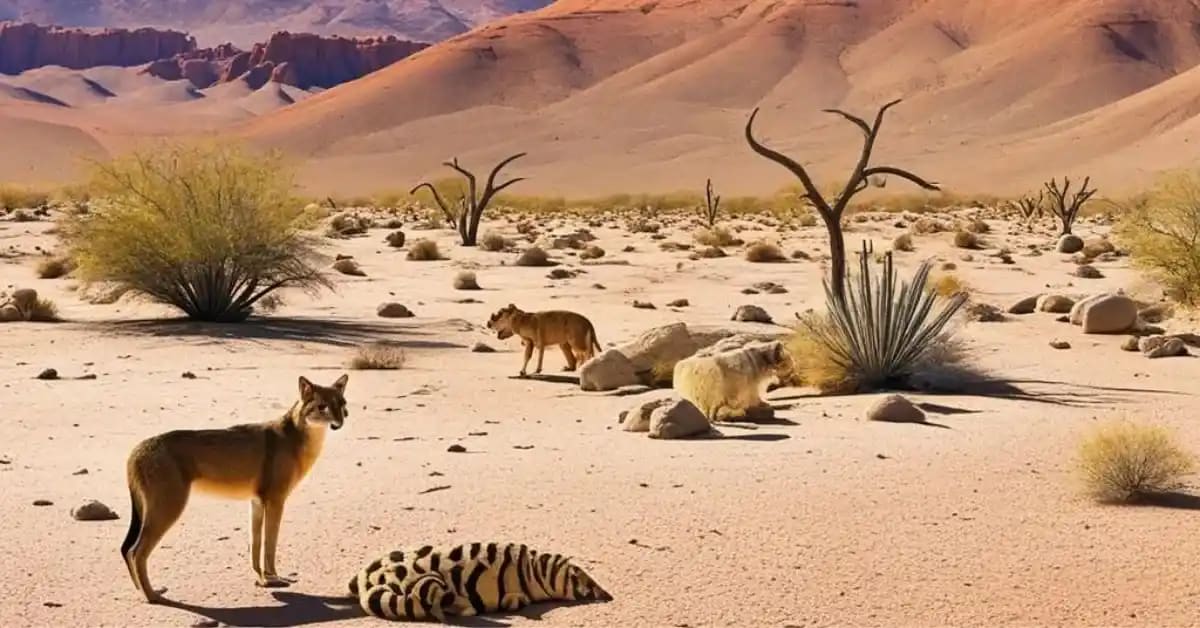
Desert animals survive where most other creatures cannot, thanks to their remarkable adaptability. Their bodies and behaviors adjust to extreme temperatures, scarce food, and water shortages. Specialized kidneys, heat regulation strategies, and nocturnal habits ensure survival. Reptiles, birds, and mammals all use different techniques that fit their desert ecosystems. These adaptations prove life can thrive even in challenging environments.
02. Why Animals Choose the Desert as Their Home
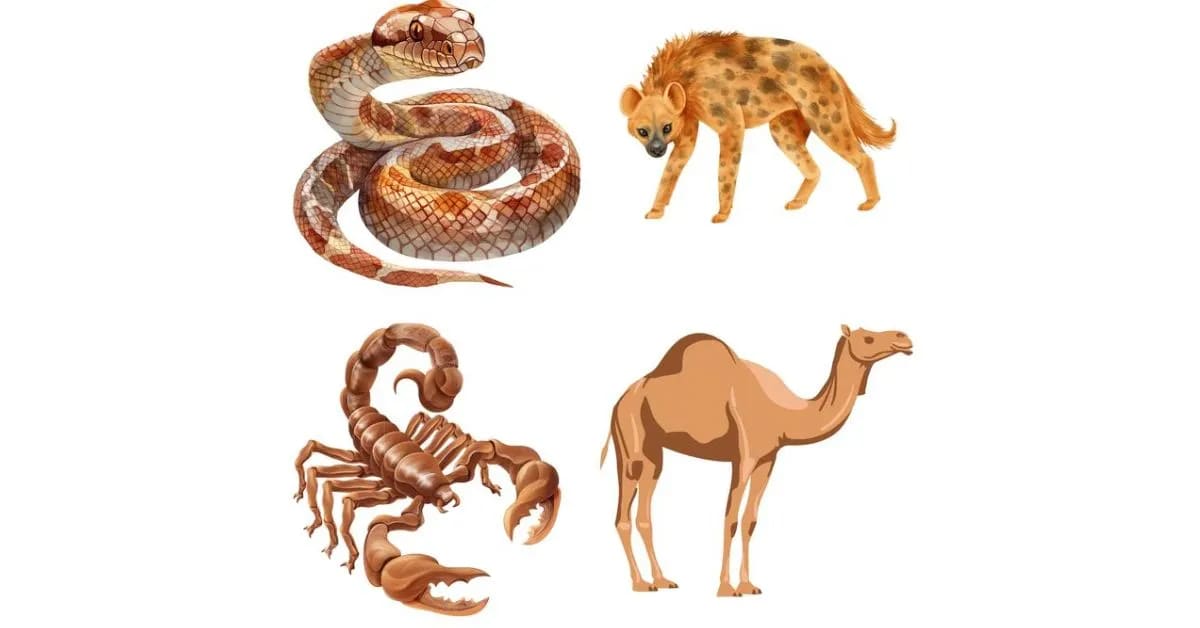
Animals select deserts because these habitats provide fewer predators and less competition. Open landscapes allow them to detect threats and hunt efficiently. Temperature fluctuations force species to evolve effective survival strategies. Some animals prefer deserts because their predators struggle in extreme conditions. Over time, only the species that adapt successfully can thrive in these harsh ecosystems.
03. How Desert Animals Survive With Very Little Water
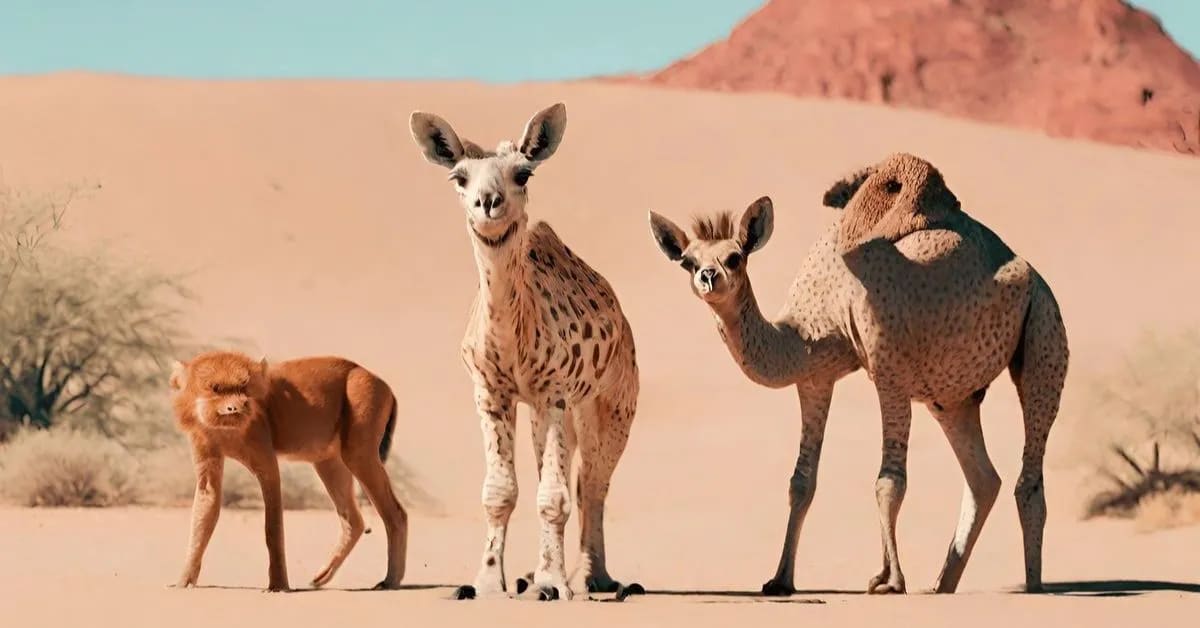
Desert animals conserve water through extraordinary internal systems. Camels store water in fat, not humps, and kangaroo rats obtain moisture from seeds. African bullfrogs form underground cocoons to retain water during droughts. Bladders and kidneys work efficiently to minimize water loss. These adaptations allow animals to survive long periods without drinking daily.
04. Extreme Heat vs Freezing Nights in the Desert

Desert temperatures shift dramatically from scorching days to freezing nights. Animals hide in shade or burrows during the daytime heat to avoid damage. At night, they conserve body heat and hunt for food. Seasonal fur, burrow insulation, and timing of activity help species cope. Survival depends on precise strategies that effectively balance temperature extremes.
05. Cold-Weather Survival of Desert Animals
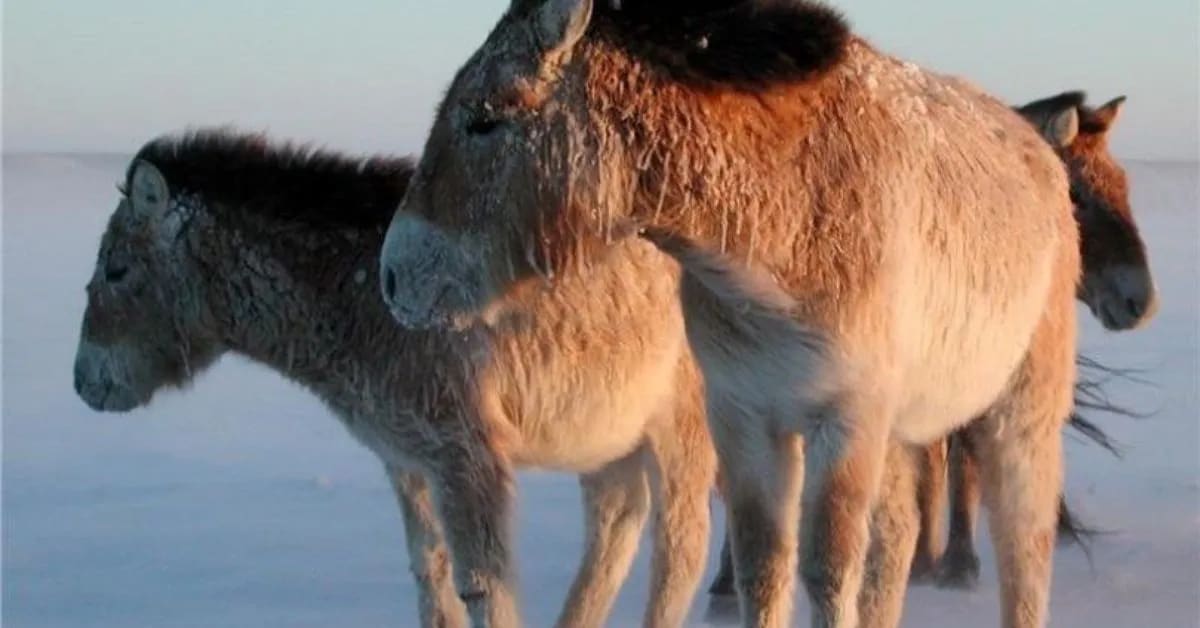
Some desert regions become extremely cold, and animals adapt by developing thick insulation. Snow leopards and other cold desert species grow seasonal fur to trap heat. Fur prevents heat loss from the body during freezing nights, allowing continued activity. Limbs and body structure assist movement in harsh terrain. Cold adaptation ensures animals survive year-round despite harsh climates.
06. Nocturnal Desert Animals and Their Night Habits

Many desert animals adopt nocturnal lifestyles to avoid heat and conserve water. Predators hunt more effectively at night, while prey animals move safely under cooler conditions. Burrows provide daytime shelter, and energy-efficient activity schedules enhance survival. Nighttime habits dominate desert ecosystems and reduce competition for resources.
07. Desert Animals With Special Ears to Release Heat
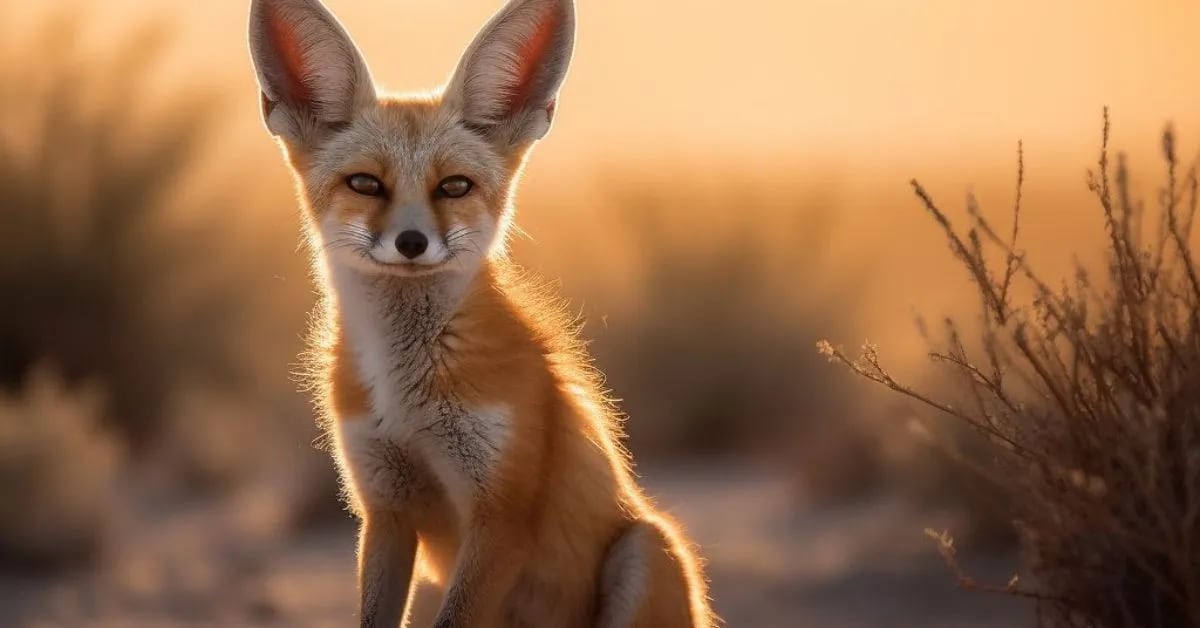
Species like the fennec fox have large ears to release excess body heat. Ears increase surface area, efficiently cooling blood as it circulates. Large ears also enhance hearing, improving the ability to detect predators. Temperature regulation enables extended activity periods. Nature designs these features to maintain survival even in extreme heat.
08. Thick Fur and Coats That Prevent Sunburn
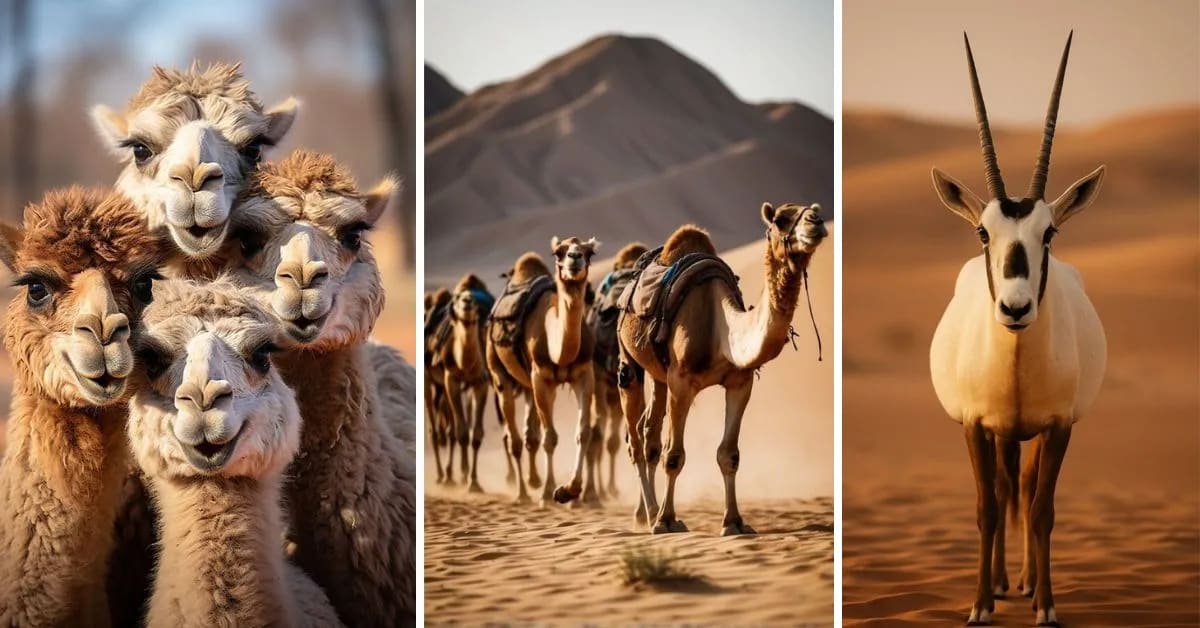
Desert animals use thick fur to protect themselves from sunlight and cold. Fur reflects heat, shields skin from UV damage, and minimizes water loss. Seasonal changes in fur thickness help animals adapt to temperature fluctuations. These physical features naturally serve multiple survival functions.
09. African Bullfrog’s Incredible Survival Secret
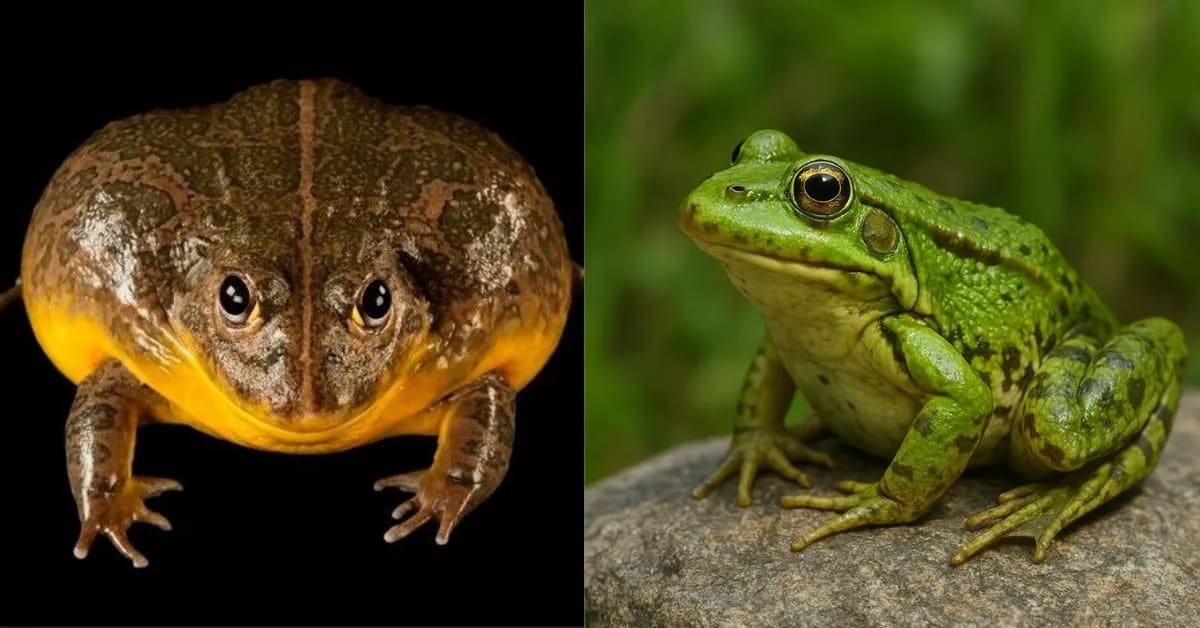
African bullfrogs survive long droughts by entering estivation. They form underground cocoons that trap moisture and reduce water loss. This dormancy continues until rainfall returns. The technique ensures survival through extended dry periods. Moisture preservation underground demonstrates nature’s clever design.
10. Costa’s Hummingbird and Its Energy-Saving Trick
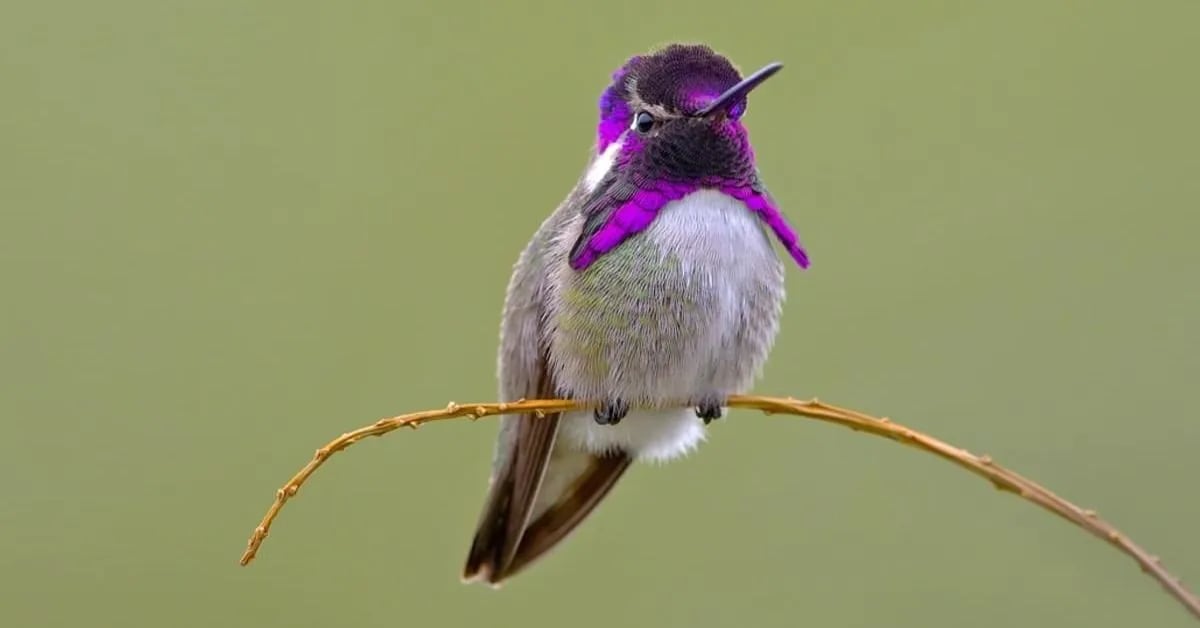
Costa’s hummingbird uses torpor at night to slow metabolism and conserve energy. Reduced activity prevents starvation and water loss. This adaptation helps small birds endure harsh desert conditions. Energy management is critical for survival in arid climates.
11. Sand Cat’s Superpowers in Hot Deserts
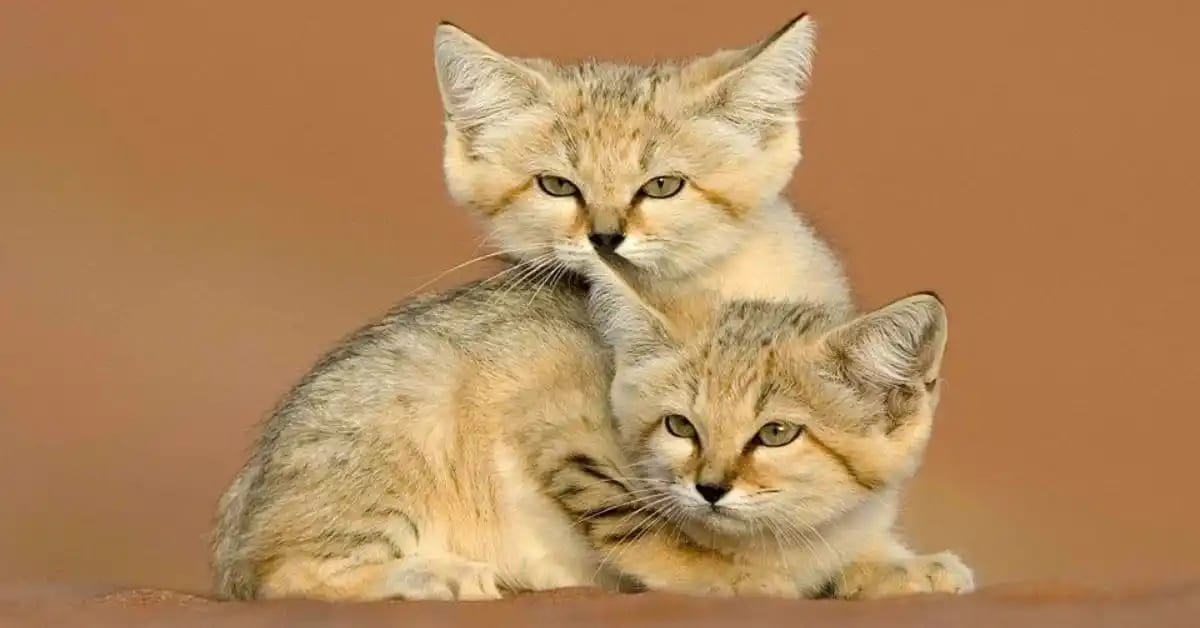
Sand cats survive extreme heat thanks to their thick paw fur and large ears. Burrows protect them from predators, and nocturnal hunting conserves energy. Their bodies are perfectly adapted to desert life, enabling them to thrive despite challenging conditions.
12. Arabian Oryx and Life Without Drinking Water
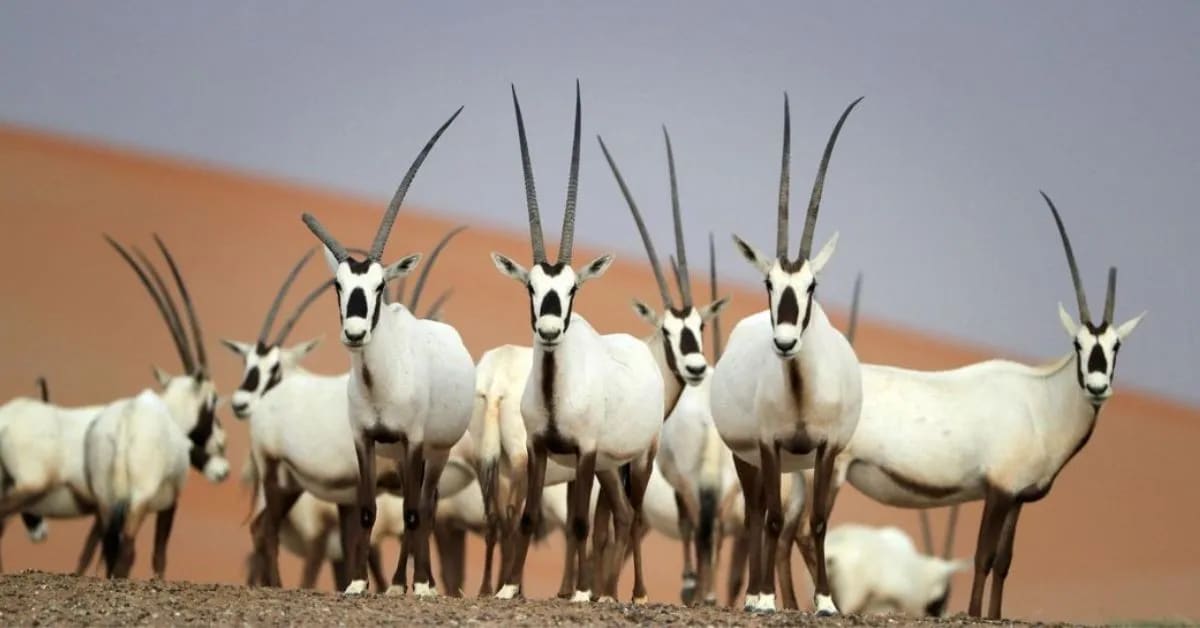
Arabian oryx rarely drink water, relying on moisture from plants. Their bodies efficiently tolerate dehydration for long periods. This adaptation enables them to survive droughts.
13. Arabian Wolf’s Smart Desert Hunting Skills

Arabian wolves hunt strategically in deserts. Light-colored coats reflect sunlight, and dens protect from extreme temperatures. Wolves hunt during cooler hours, balancing energy conservation with hunting efficiency. Smart timing ensures they thrive in harsh environments.
14. Desert Hedgehog’s Night-Time Lifestyle

Desert hedgehogs stay active at night to avoid heat and predators. Burrows provide daytime shelter, and nighttime insect hunting conserves energy. Small animals like hedgehogs adapt smartly to survive extreme desert conditions.
15. Snow Leopard Living in Cold Desert Regions
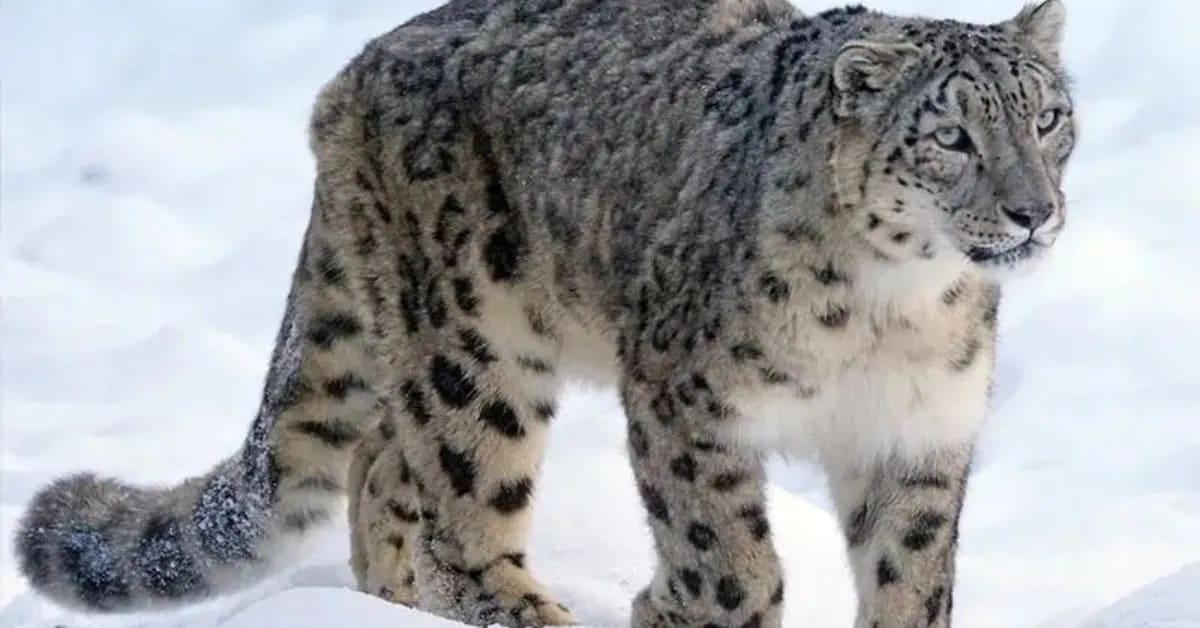
Snow leopards inhabit mountain deserts with freezing temperatures and low oxygen. Thick coats protect against cold, and strong limbs enable climbing rugged terrain. Snow leopards maintain dominance in cold deserts through remarkable physical adaptations.
16. Jerboa’s Kangaroo-Like Movement in Sand
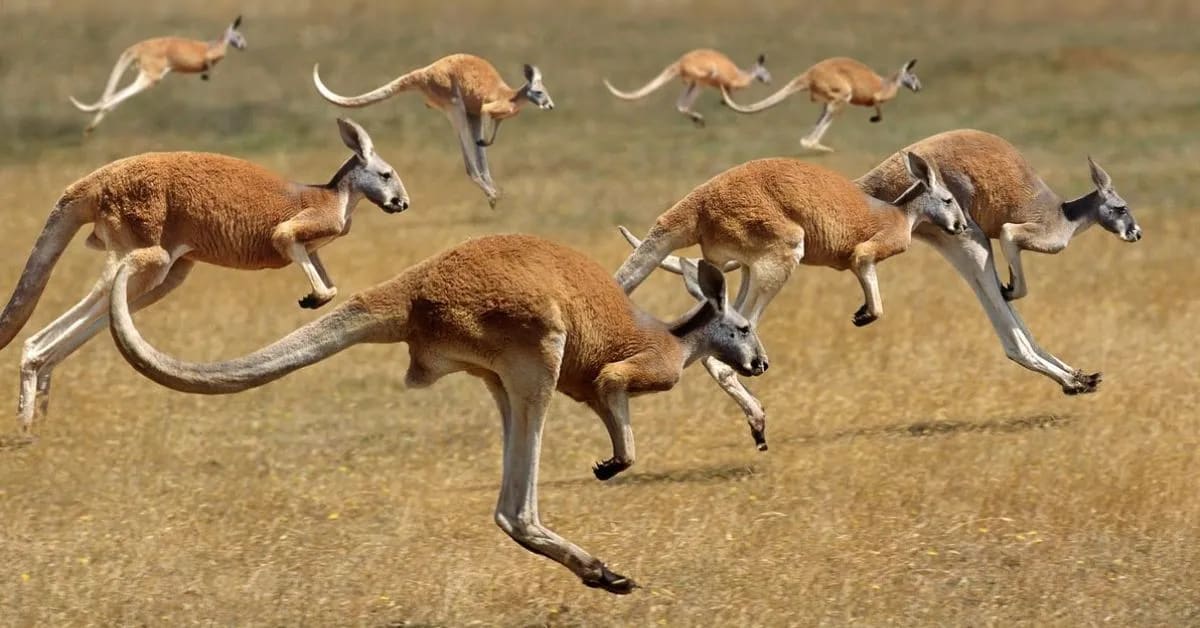
Jerboas move across soft sand with energy-efficient hopping. Long legs aid speed and predator evasion. Burrowing protects them from extreme heat. Nocturnal activity further increases survival chances.
17. Sonoran Pronghorn’s Speed and Survival
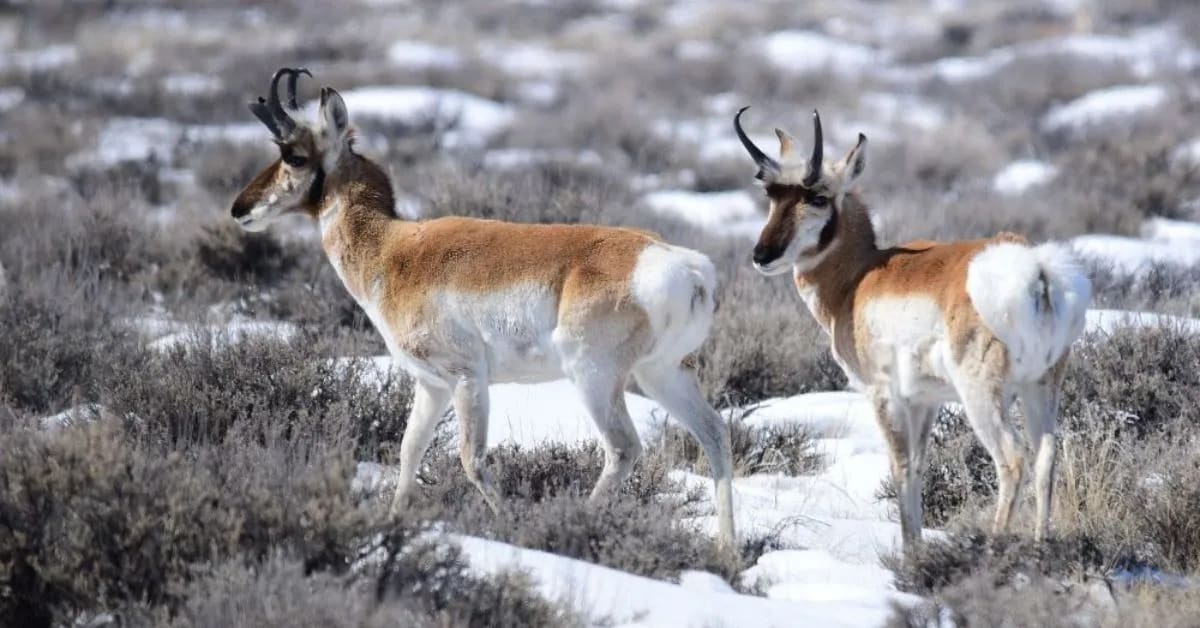
Sonoran pronghorns in California deserts rely on speed to escape predators. Water-efficient bodies help endure droughts. Their adaptability ensures continued survival despite climate challenges.
18. Meerkats and Their Underground Homes
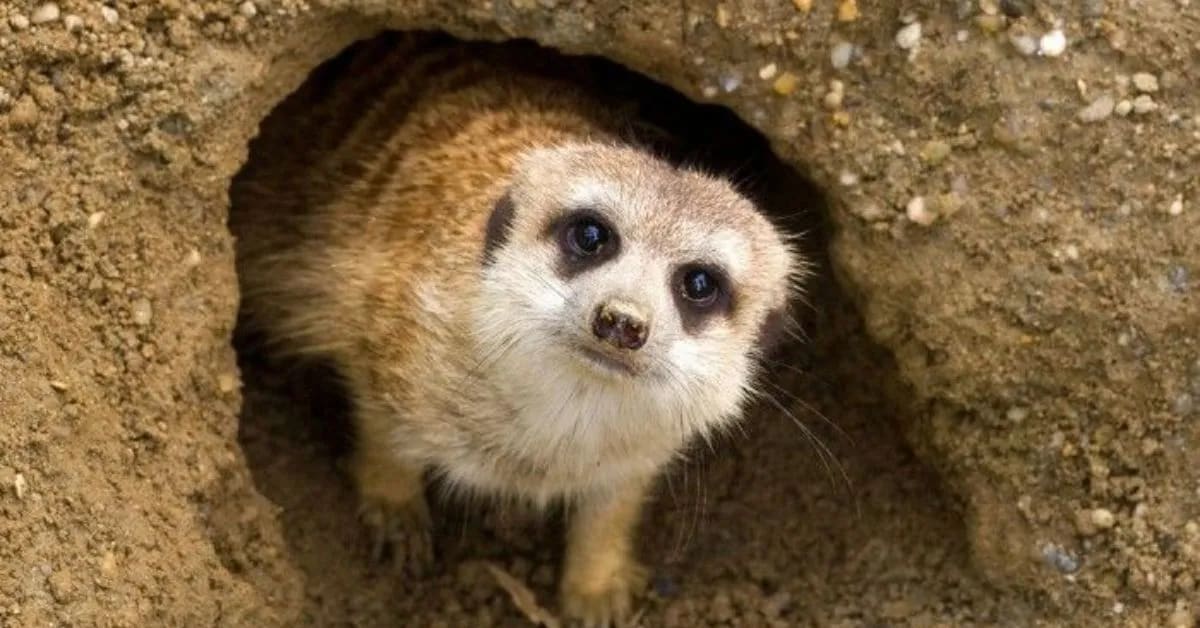
Meerkats live in cooperative burrow systems to protect against predators and heat. Group living improves safety and survival efficiency. Underground homes maintain stable temperatures, enabling desert communities to sustain life.
19. Kalahari Lions and Desert Strength
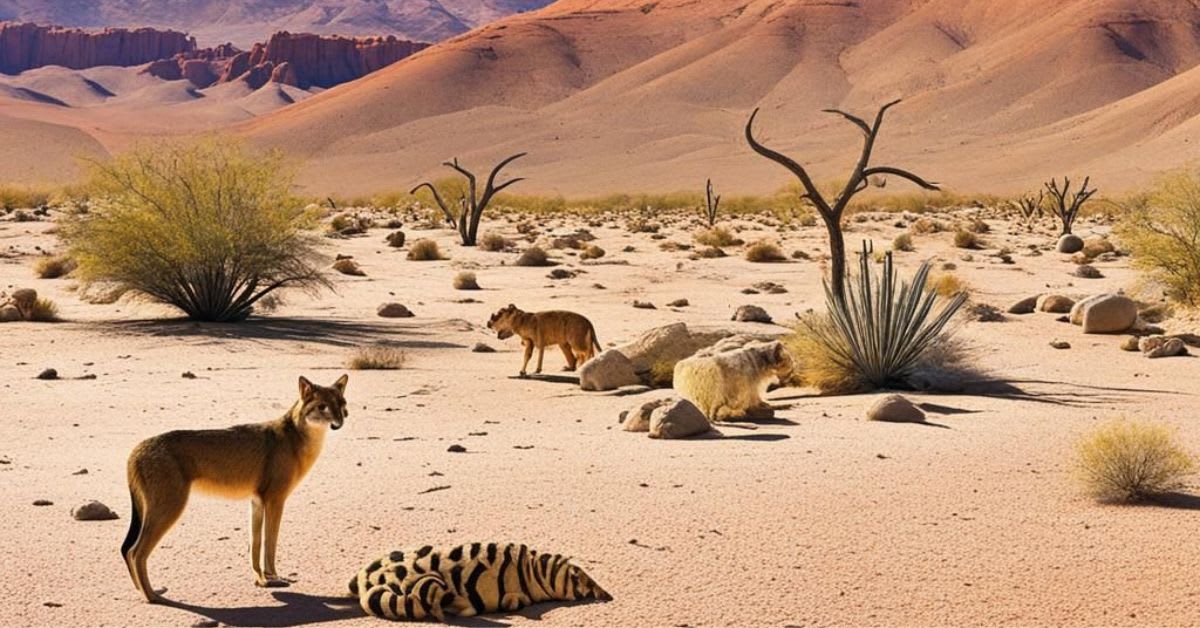
Kalahari lions survive extreme heat by hunting at night. Strong bodies tolerate long periods without water. Lions rely on endurance, strength, and patience to thrive in harsh desert ecosystems.
20. Couch’s Spadefoot Toad and Estivation
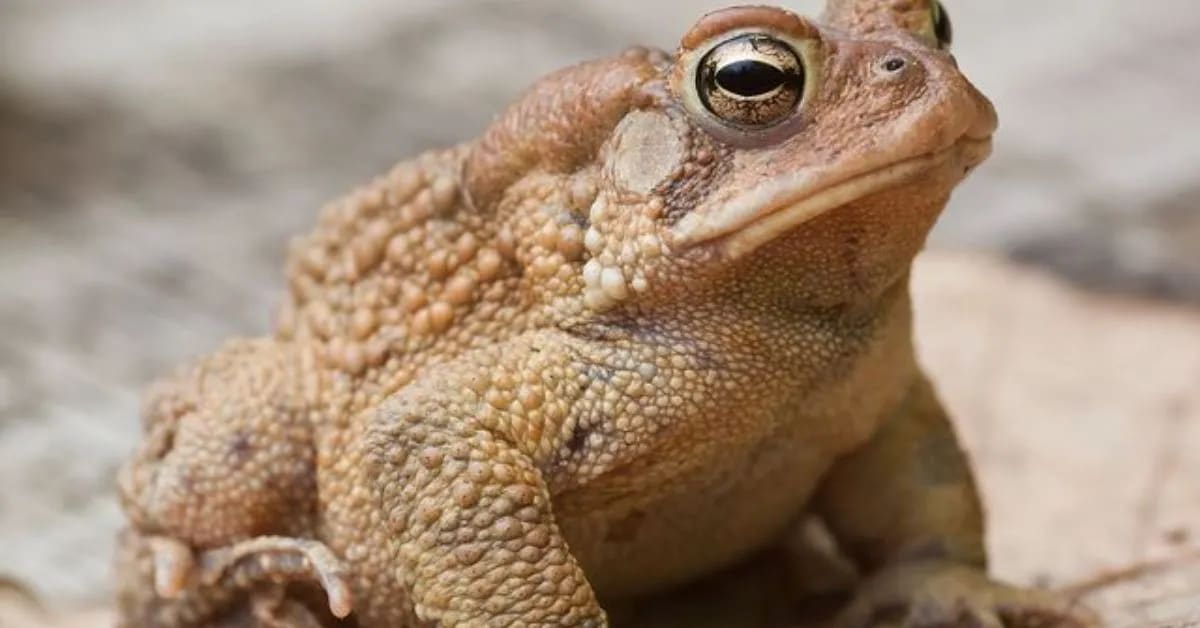
Spadefoot toads remain dormant underground until rain triggers activity and breeding. Estivation protects them during dry seasons. Temporary ponds support reproduction, ensuring survival in fluctuating desert conditions.
21. Desert Bighorn Sheep and Water Control
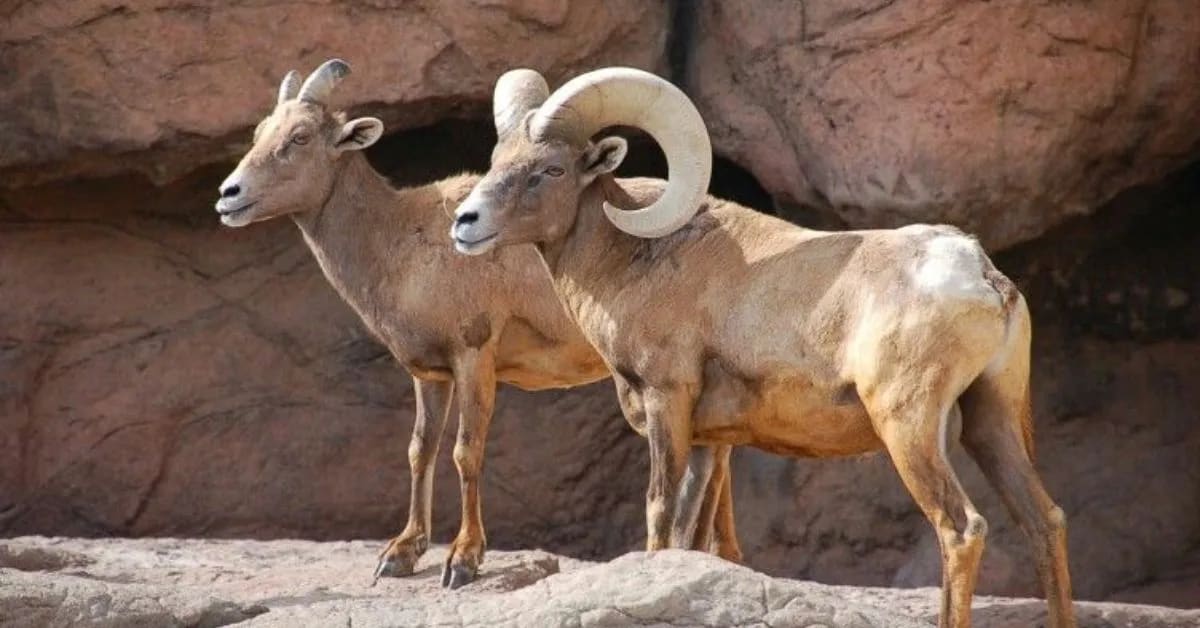
Bighorn sheep tolerate dehydration and remember water sources precisely. Strong hooves allow mountain climbing. Efficient hydration control is essential for survival in arid, rugged environments.
22. Elf Owls Living Inside Cactus Homes
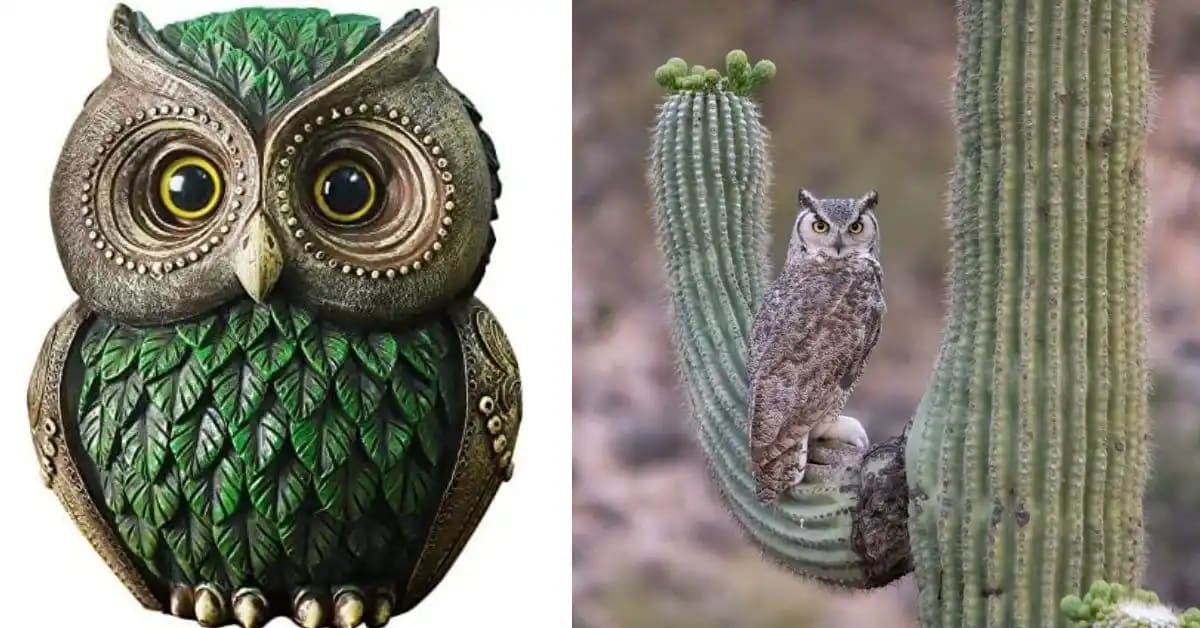
Elf owls nest inside saguaro cacti to avoid heat and predators. Night hunting reduces exposure, and cactus homes regulate temperature. Small owls thrive in desert ecosystems thanks to adaptive sheltering strategies.
23. Pallid Bats and Desert Night Flights
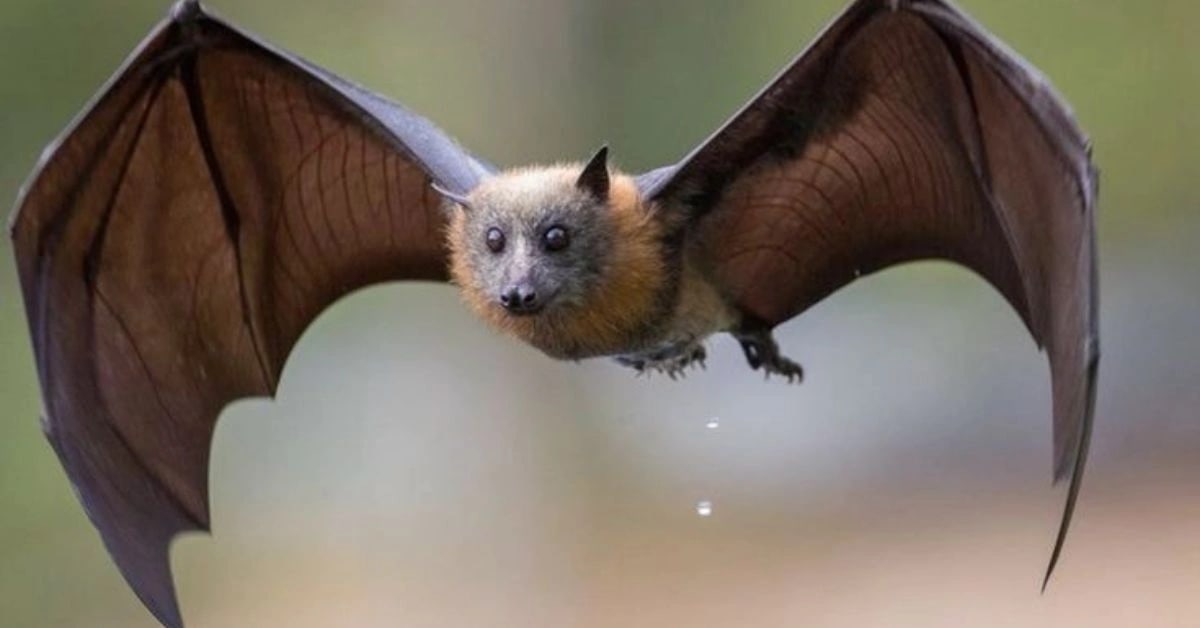
Pallid bats hunt insects and scorpions at night. Temperature control prevents overheating. Echolocation enables efficient night foraging. Night flights reduce water loss and maintain energy balance.
24. Ring-Tailed Cats and Rock Climbing Skills

Ring-tailed cats climb rocks with sharp claws and excellent balance. Night activity ensures safety from predators. Rocky desert terrain suits their hunting and movement strategies.
25. Fennec Fox and Its Giant Cooling Ears
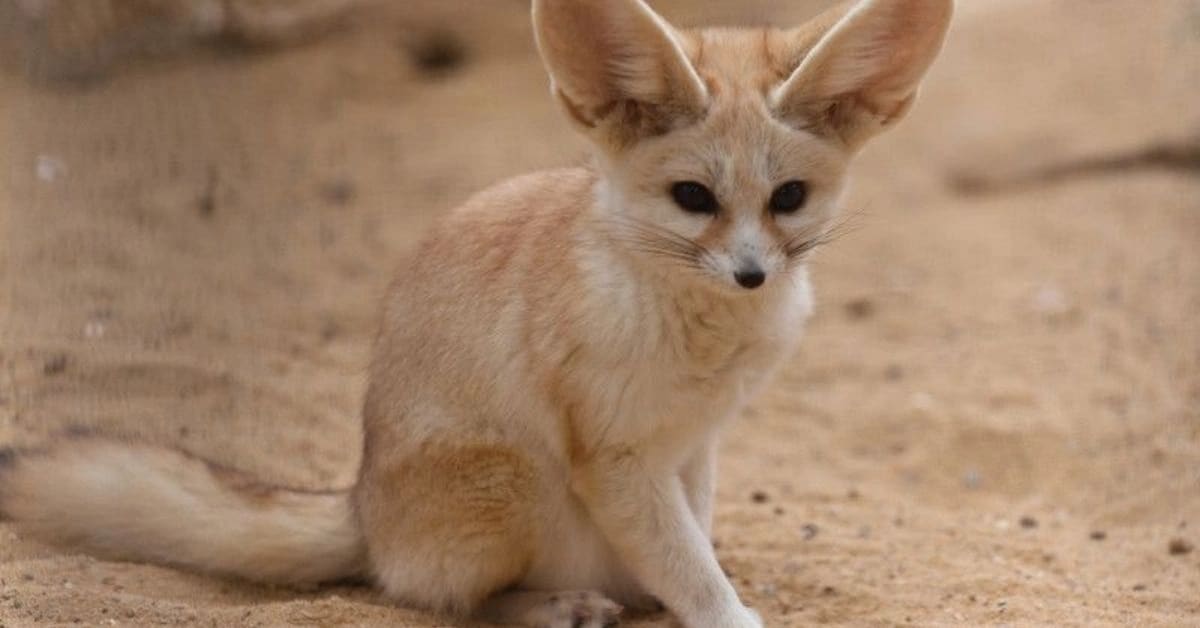
Fennec foxes use their enormous ears to efficiently dissipate body heat. Thick fur protects during cold nights, and minimal water loss occurs naturally. Their hunting and cooling adaptations make them experts at desert survival.