20 Facts About: Why Home Decoration Is 50% Style and 50% Overthinking
By Maham · Home & Decor · 2026-01-07
Home decoration is not just about placing furniture or buying trendy décor.It is a constant mental process filled with decisions, emotions, and doubts. Every cushion, color, or lamp feels like a life-changing choice. That is why decorating often becomes overwhelming rather than enjoyable. Design experts believe balance is the real secret behind beautiful homes. Many professionals follow the famous 50/50 rule of decorating. Studios like Light and Dwell popularize this idea.Design writers such as Heather Bien also support this mindset. The concept suggests a mix of half style and half thoughtful restraint. When style meets controlled thinking, homes feel natural and livable.
01. Perfect Home Ideas Always Begin With Overthinking
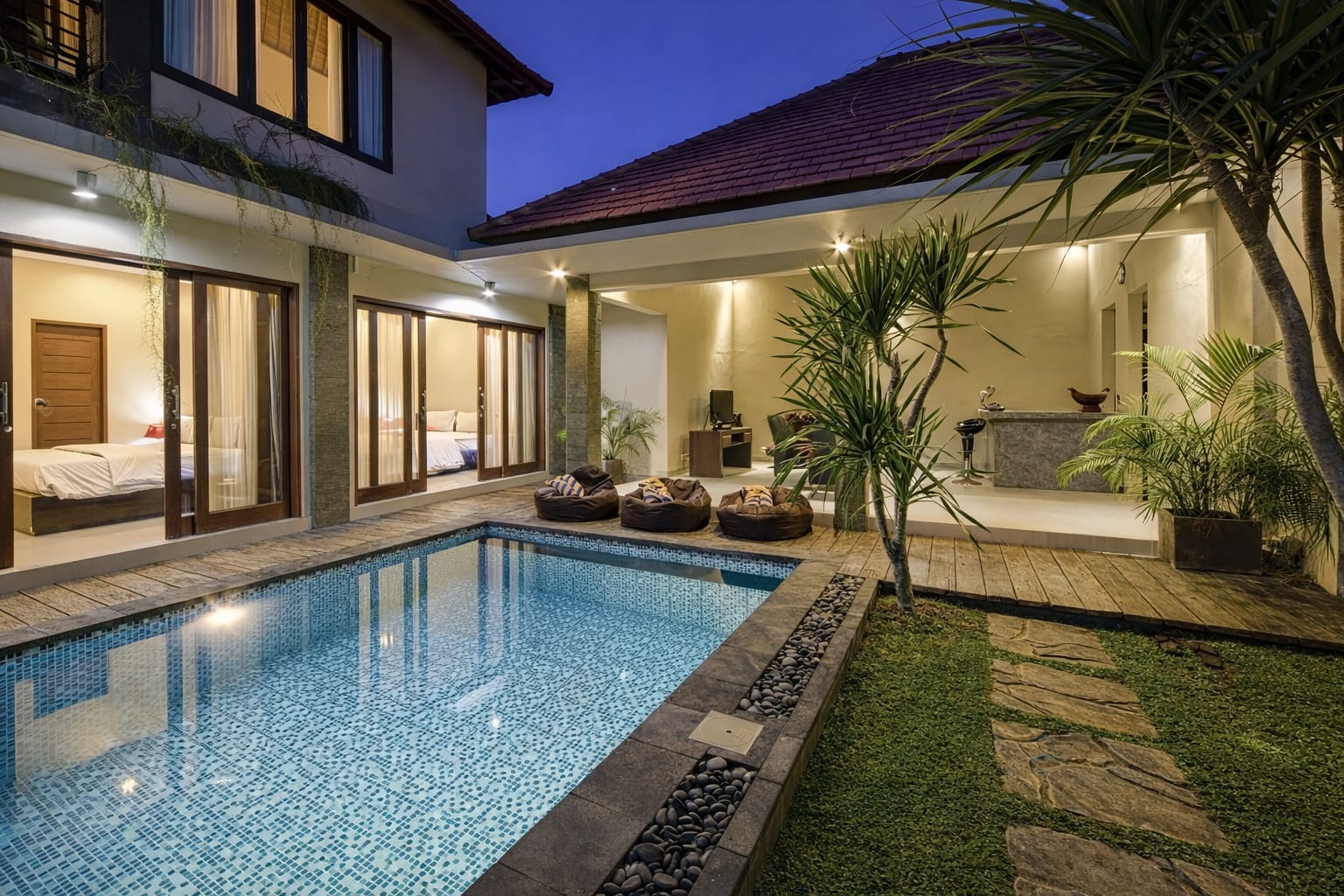
Everyone imagines a perfect home before buying a single item. That mental image quickly turns into dozens of confusing decisions. Colors, textures, and layouts start competing with each other in your head. Too many options create stress instead of creative excitement. This is where overthinking silently enters the decorating process. Style needs vision, but thinking needs boundaries. Without limits, choices feel endless and exhausting. A balanced mindset helps convert ideas into actual décor decisions.
02. Pinterest Dreams Rarely Match Real-Life Homes
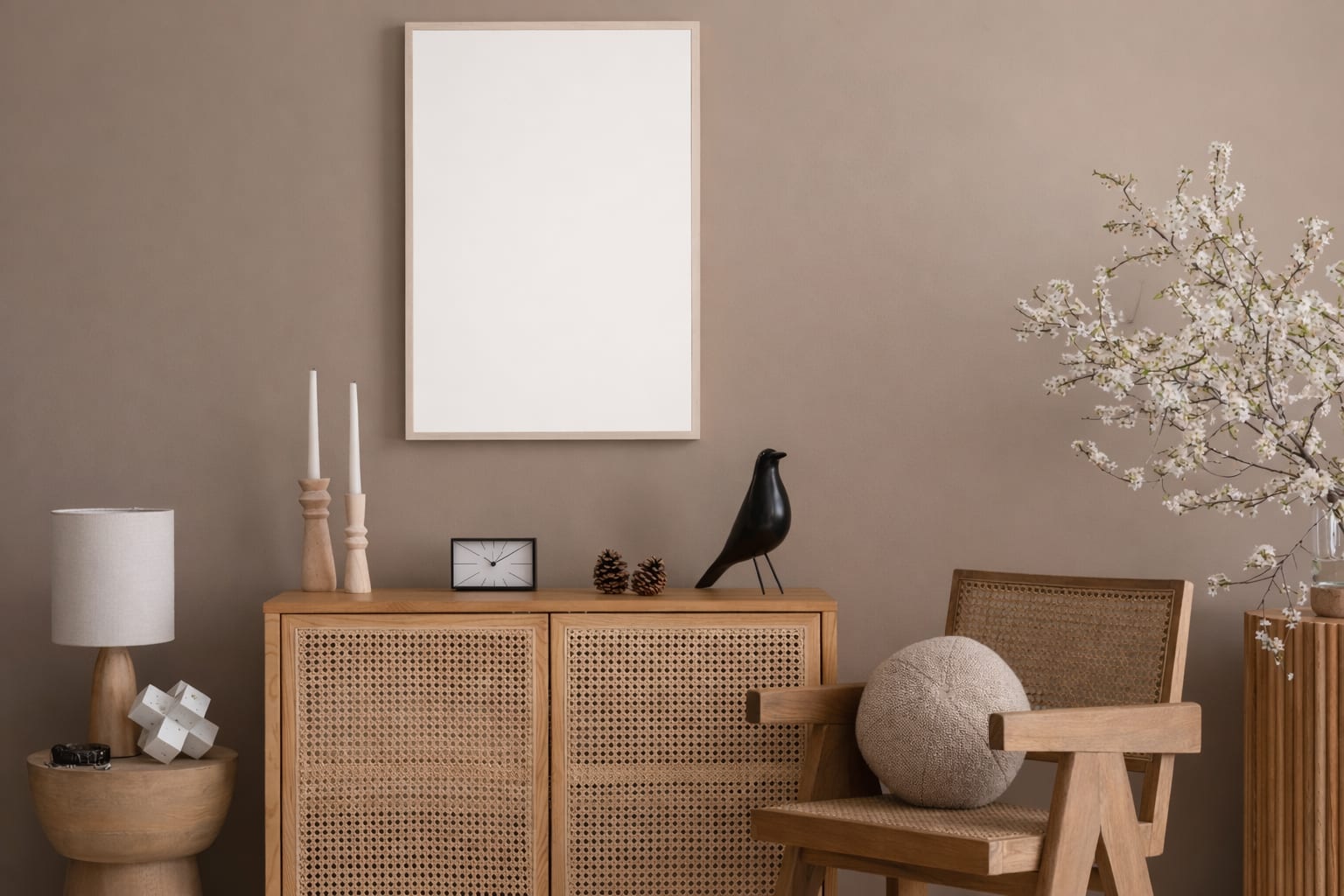
Pinterest shows homes without daily mess or real-life routines. Trying to copy them exactly creates unrealistic expectations. Real homes include cables, storage needs, and imperfect corners. Forcing catalog-perfect spaces often makes them feel artificial. Overstyled rooms quickly lose warmth and personality. True style adapts to lifestyle, not internet images. Pinterest should inspire ideas, not dictate final results.
03. Too Much Décor Instantly Makes a Home Look Tacky
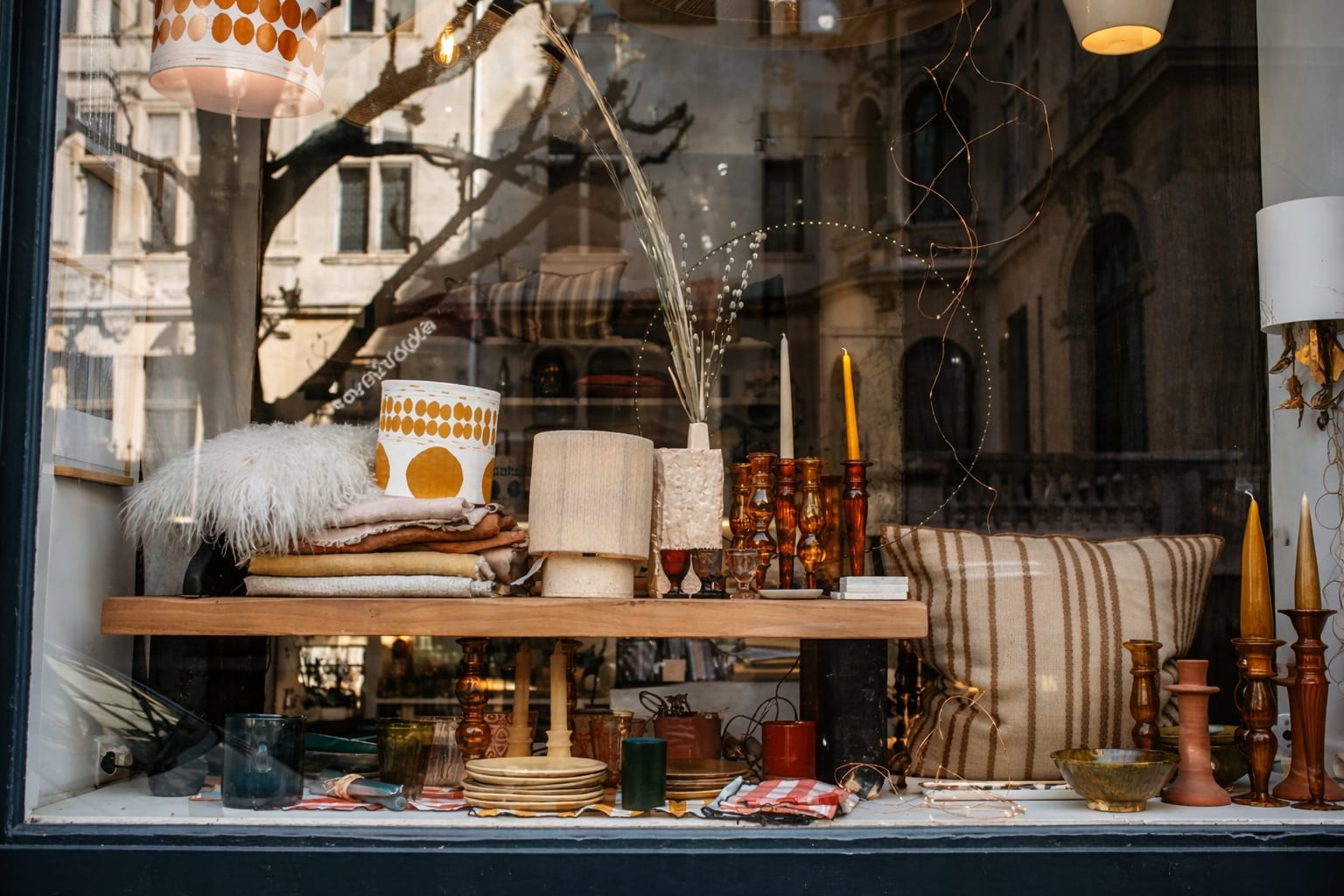
Displaying everything at once overwhelms visual balance. Shelves packed with décor feel cluttered, not curated. Each decorative piece competes for attention unnecessarily. Instead of elegance, the space feels chaotic. Overdecorating often hides good design choices. Less décor allows special items to stand out better. Quality matters more than decorative quantity.
04. Empty Space Is Also a Powerful Design Element
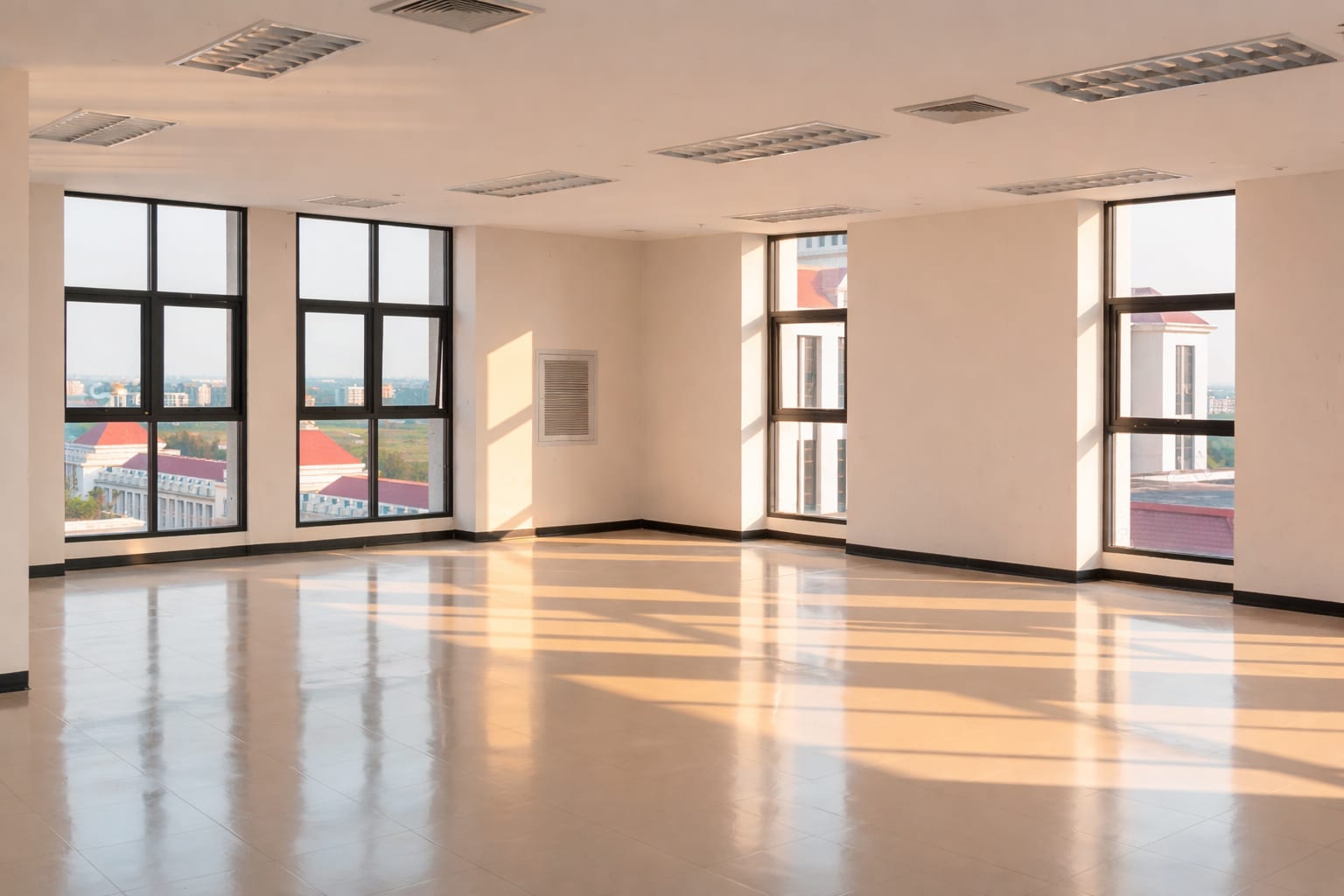
Empty corners give rooms visual breathing space. Overthinking makes people fill every available gap. Blank areas intentionally highlight furniture and décor. Design feels calmer when space is respected. Minimal gaps help rooms appear larger and cleaner. Negative space is not wasted space. It is a silent visual balance.
05. Professionals Declutter Before Decorating Anything

Professional designers always start by decluttering. Clutter hides potential and confuses design direction. Removing excess items reveals real space possibilities. Décor decisions become easier after decluttering. Clear spaces encourage smarter styling choices. Decluttering saves time, money, and mental energy. Style works best on clean foundations.
06. Good Organization Reduces the Need for Decoration
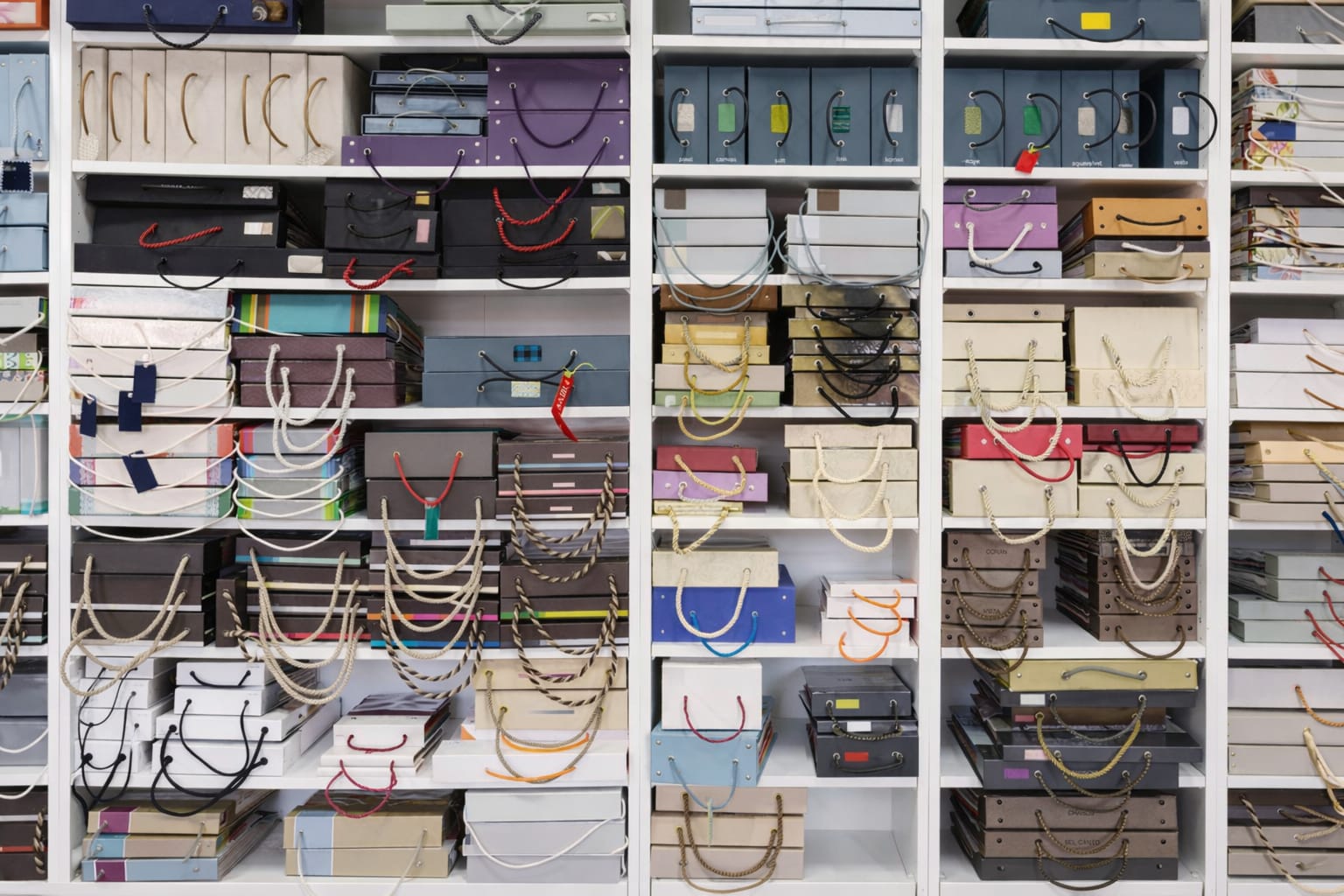
Smart storage solutions act like invisible décor. Organized spaces automatically feel polished and calm. Hidden clutter reduces visual noise instantly. When storage works, decoration becomes optional. A professional organization enhances the overall appearance of a home. Functionality supports long-term style success. The order always looks intentional.
07. Overdesigned Bedrooms Often Feel Uncomfortable
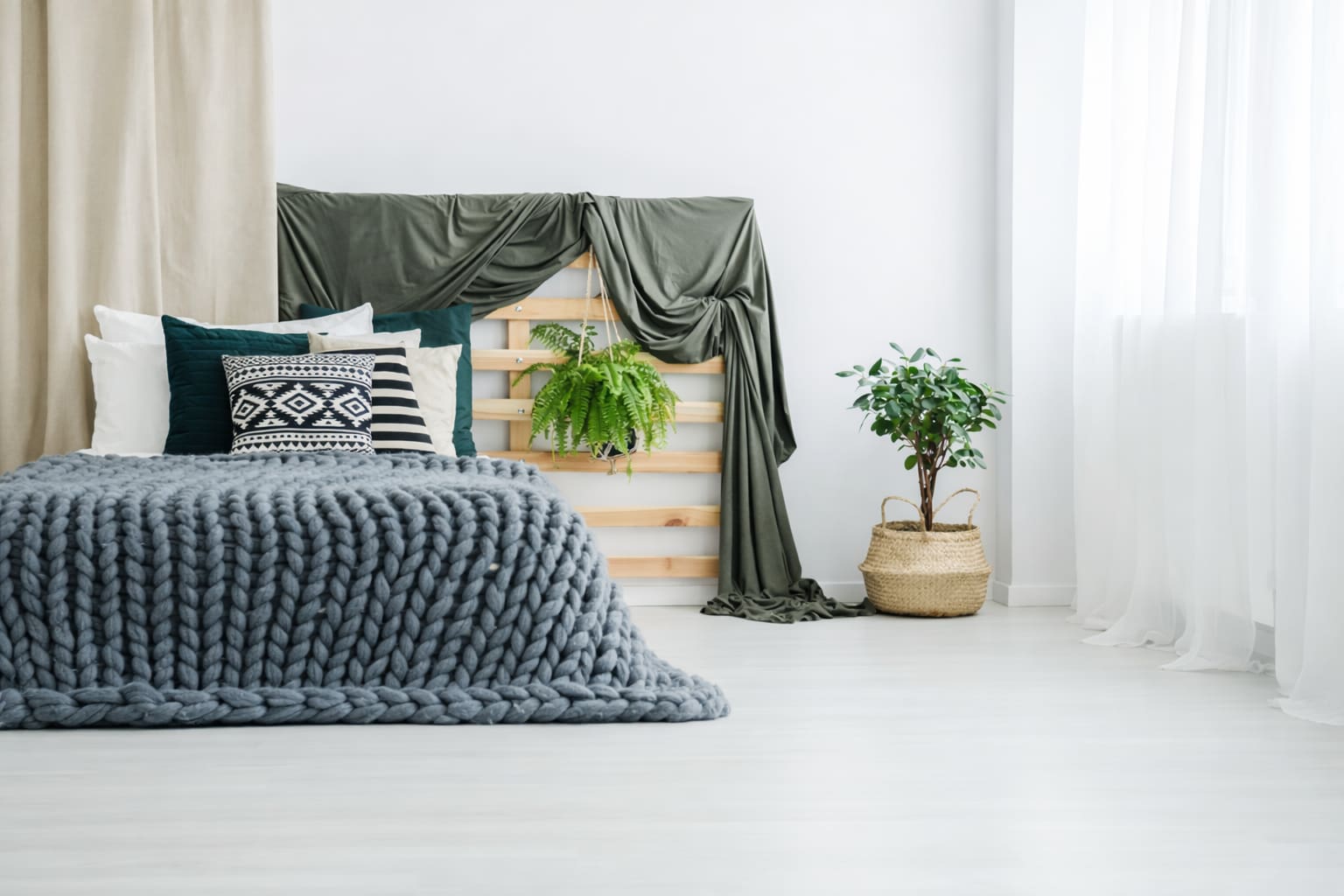
Bedrooms should prioritize rest, not visual drama. Too many design experiments disrupt calm energy. Interior designers prefer simplicity in sleeping spaces. Heavy décor creates visual and mental distraction. Comfort matters more than aesthetic statements. Soft textures outperform bold visual themes. Relaxation defines successful bedroom design.
08. Stylish Furniture Without Comfort Always Fails
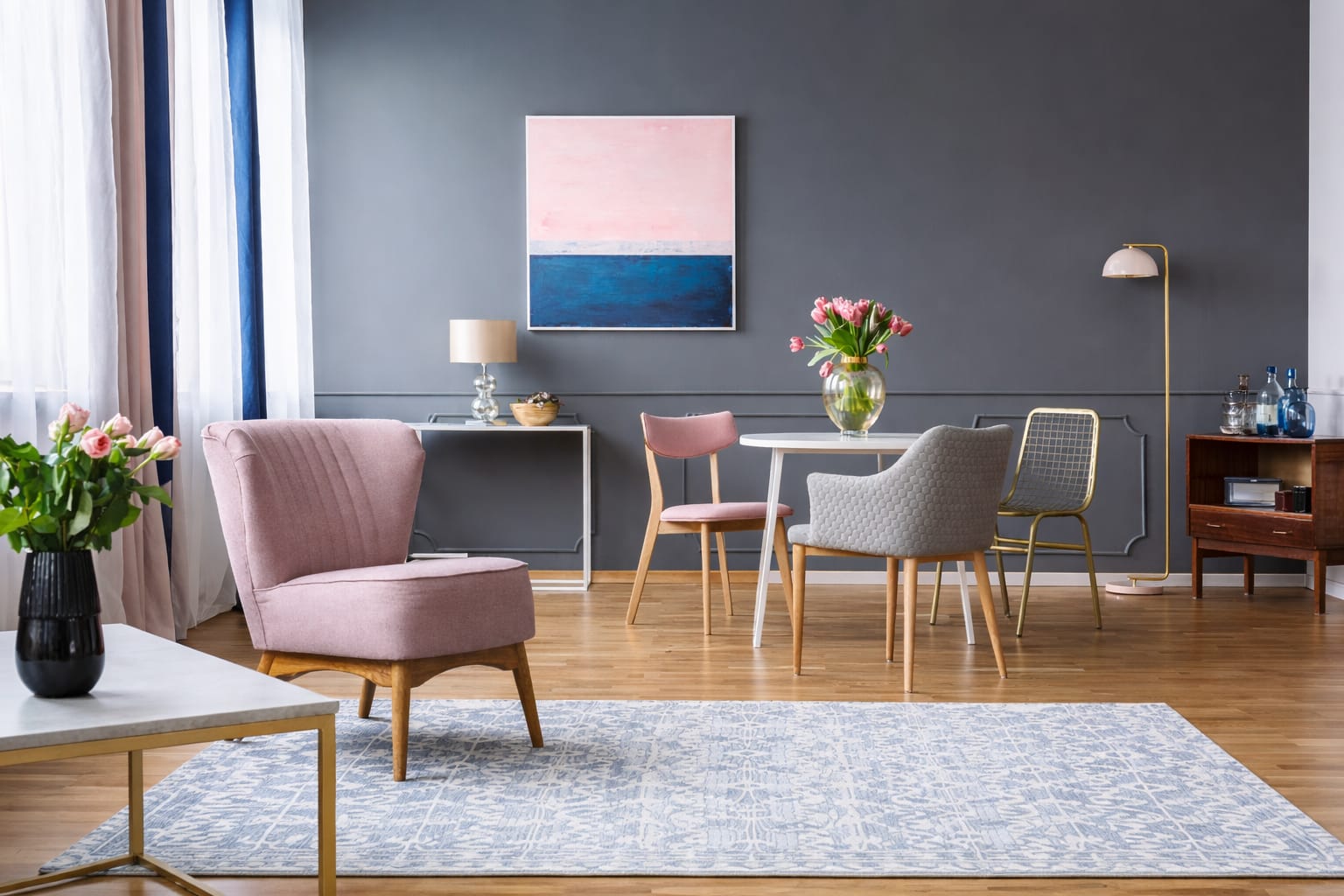
Uncomfortable furniture ruins daily living experiences. Style cannot compensate for physical discomfort. Sofas and chairs must support real usage. Design should enhance lifestyle, not limit it. Comfort creates long-term satisfaction. Aesthetic choices must serve practical needs. Function protects beauty.
09. Every Room Does Not Need a Theme
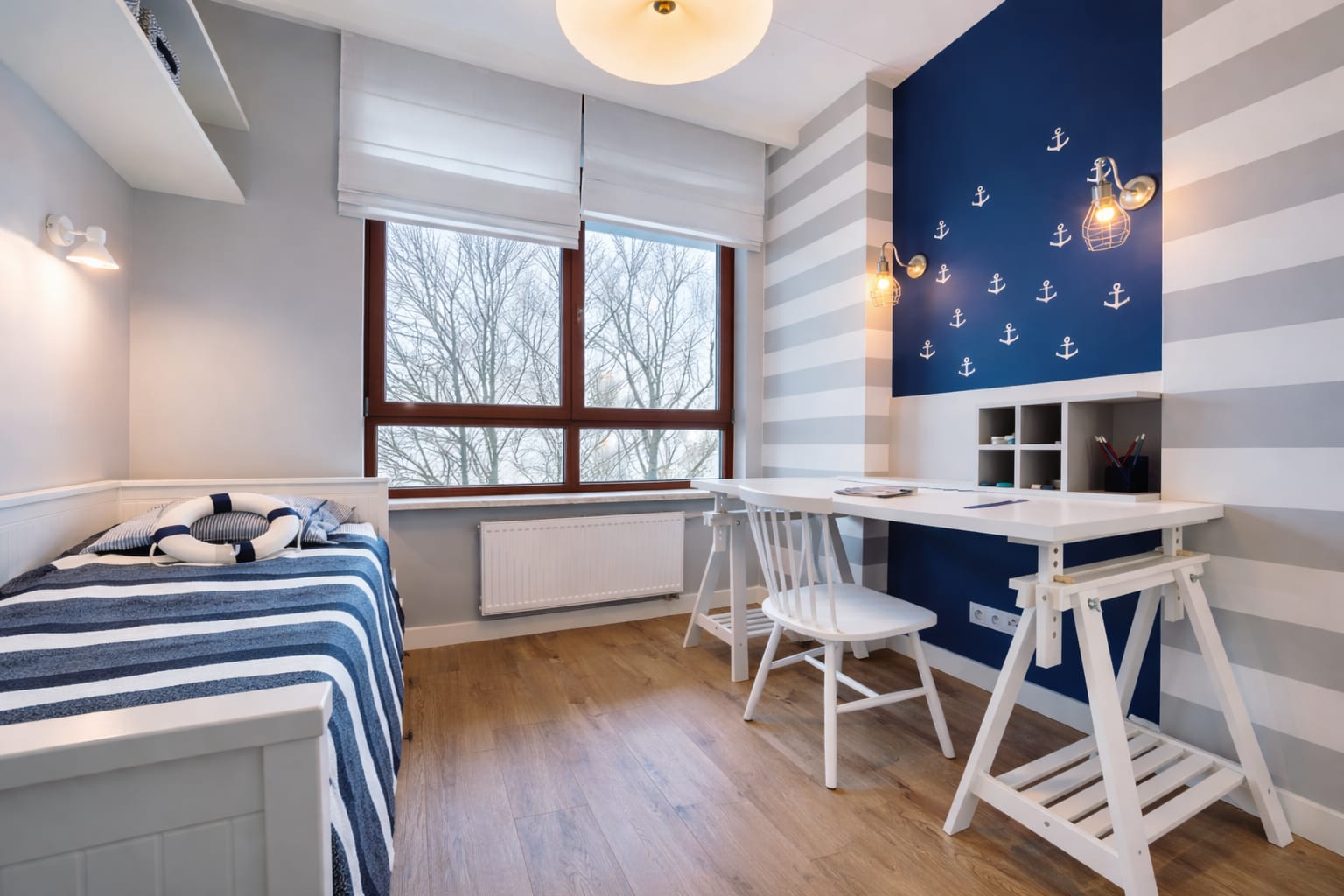
Theme overload makes homes feel staged. Different rooms can share harmony without forced concepts. Overthinking creates unnecessary design pressure. Simple continuity feels more natural. Neutral connections unify spaces effortlessly. Themes should evolve organically. Consistency beats complexity.
10. Perfectly Matching Sets Feel Surprisingly Boring
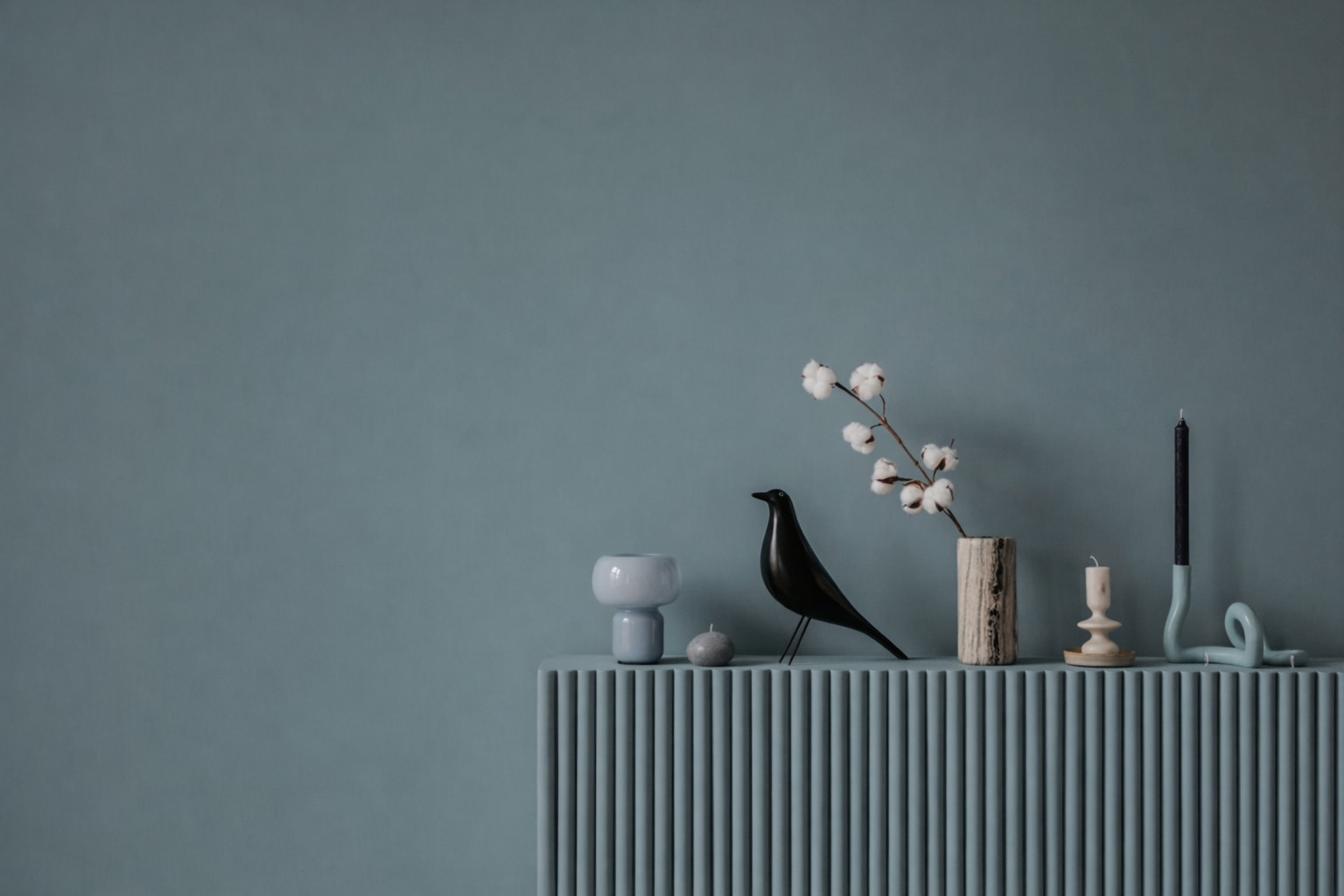
Matching furniture lacks personality and charm. Mixing old and new adds depth. Contrast creates visual interest naturally. Vintage pieces soften modern designs. Balanced contrast feels lived-in and real. Uniformity often feels impersonal. Variety tells stories.
11. Too Much Décor Makes Homes Look Cheap
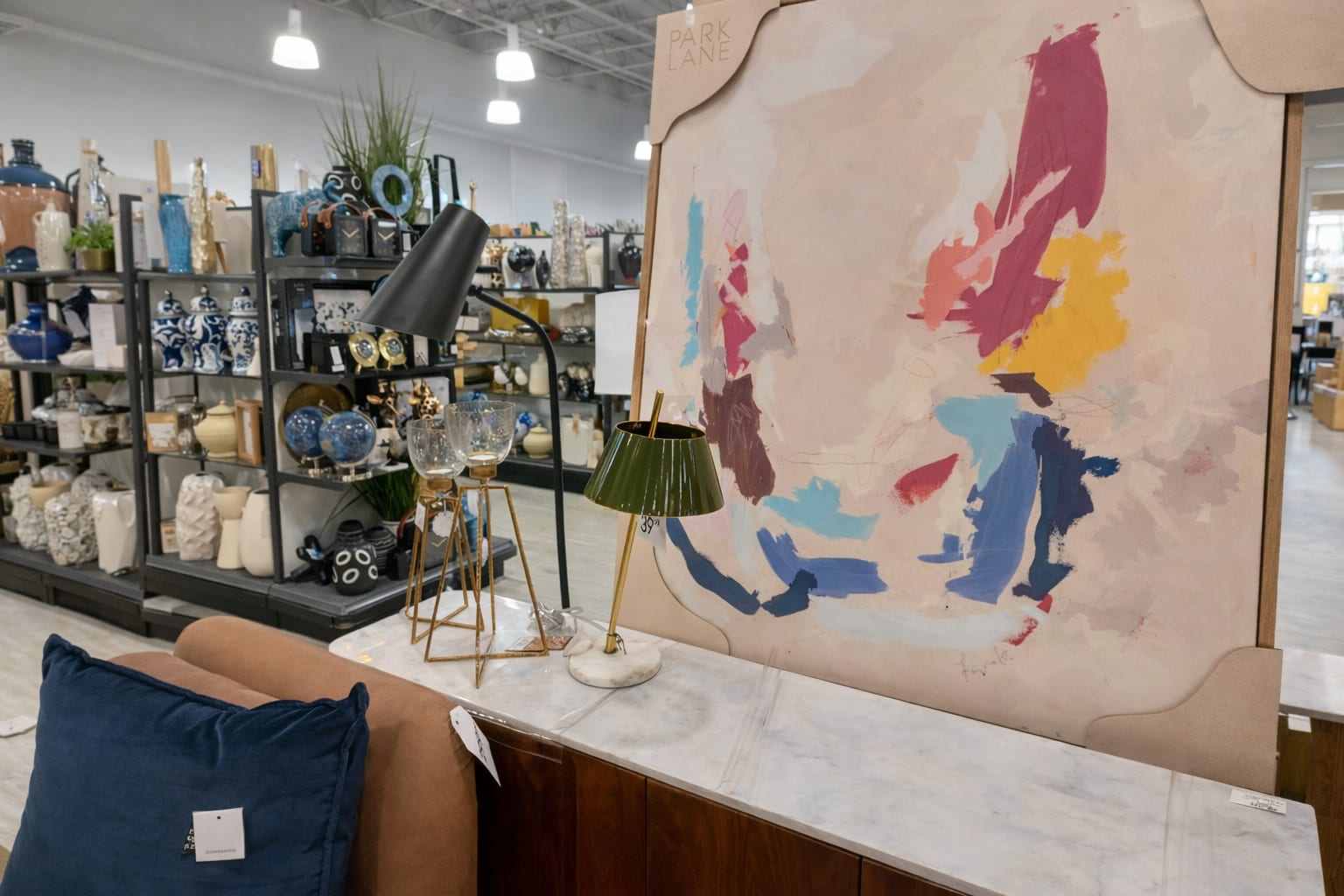
Excess décor reduces perceived quality instantly. Crowded visuals lower aesthetic value. Simple spaces highlight thoughtful investments. Less decoration appears more intentional. Visual restraint suggests confidence. Quality décor needs space. Minimalism elevates perception.
12. Lighting Matters More Than Decorative Accessories
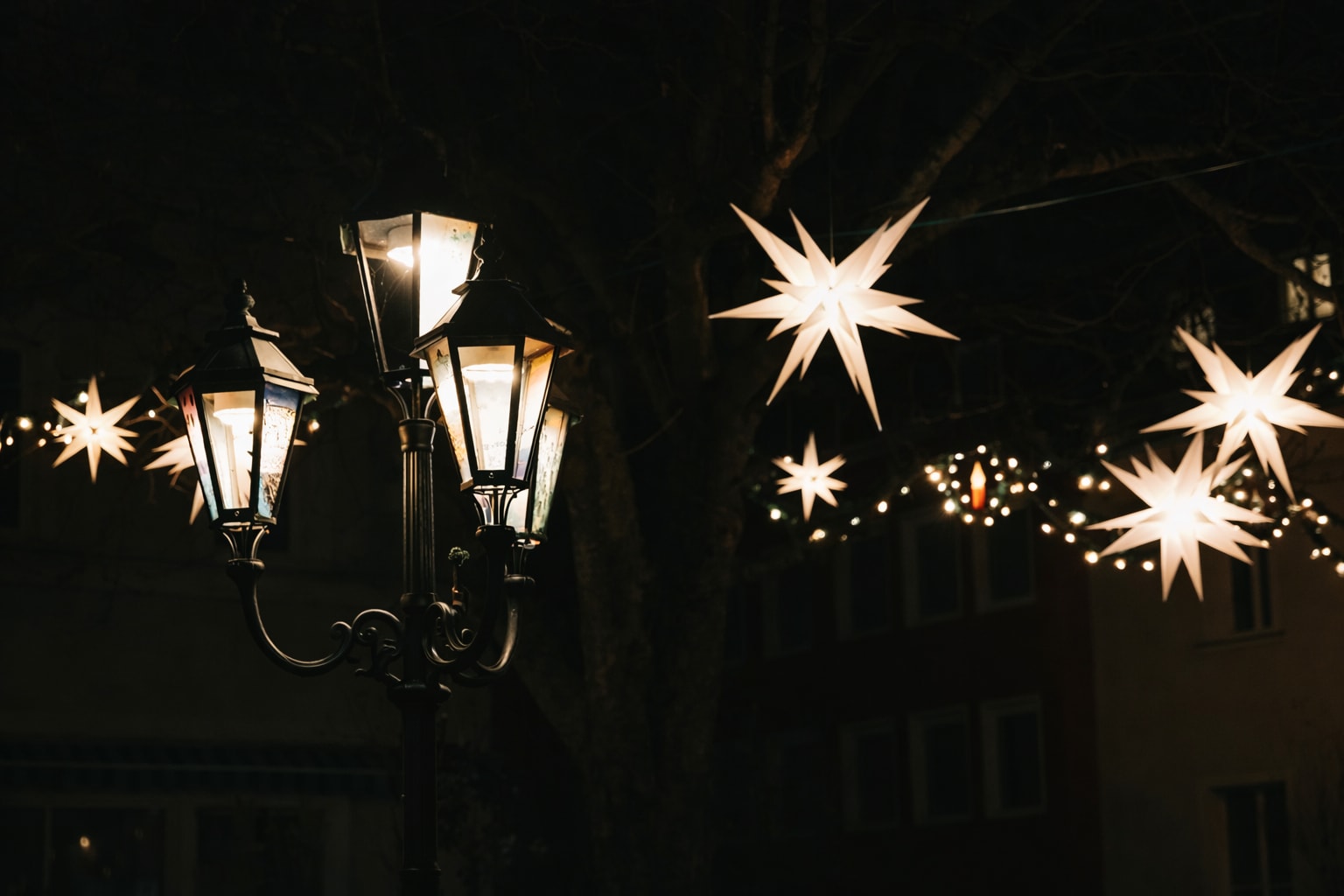
Lighting controls mood and atmosphere. Poor lighting ruins expensive décor instantly. Good lighting enhances simple interiors beautifully. Natural light improves perceived space quality. Layered lighting adds depth. Decor cannot fix bad lighting. Light defines design.
13. Living Rooms Cause the Most Overthinking
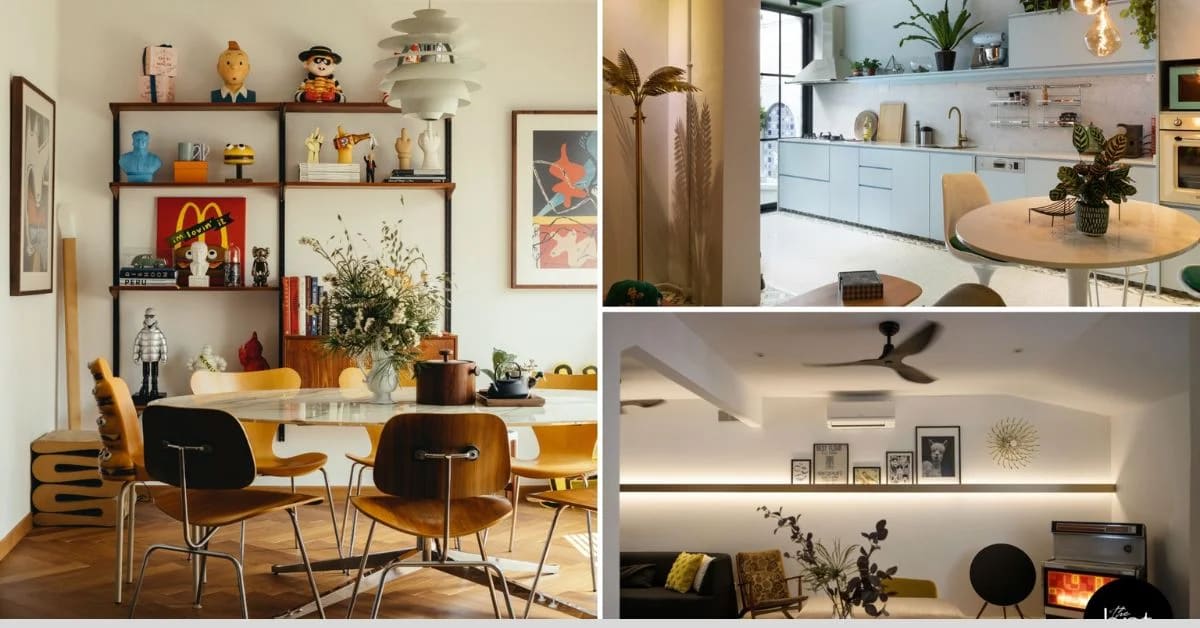
Living rooms feel like performance spaces. People decorate for guests, not themselves. Comfort gets sacrificed for appearances. Overthinking creates stiff environments. Relaxed spaces feel welcoming. Function should guide layout decisions. Authenticity wins.
14. Trends Are Risky Long-Term Design Choices
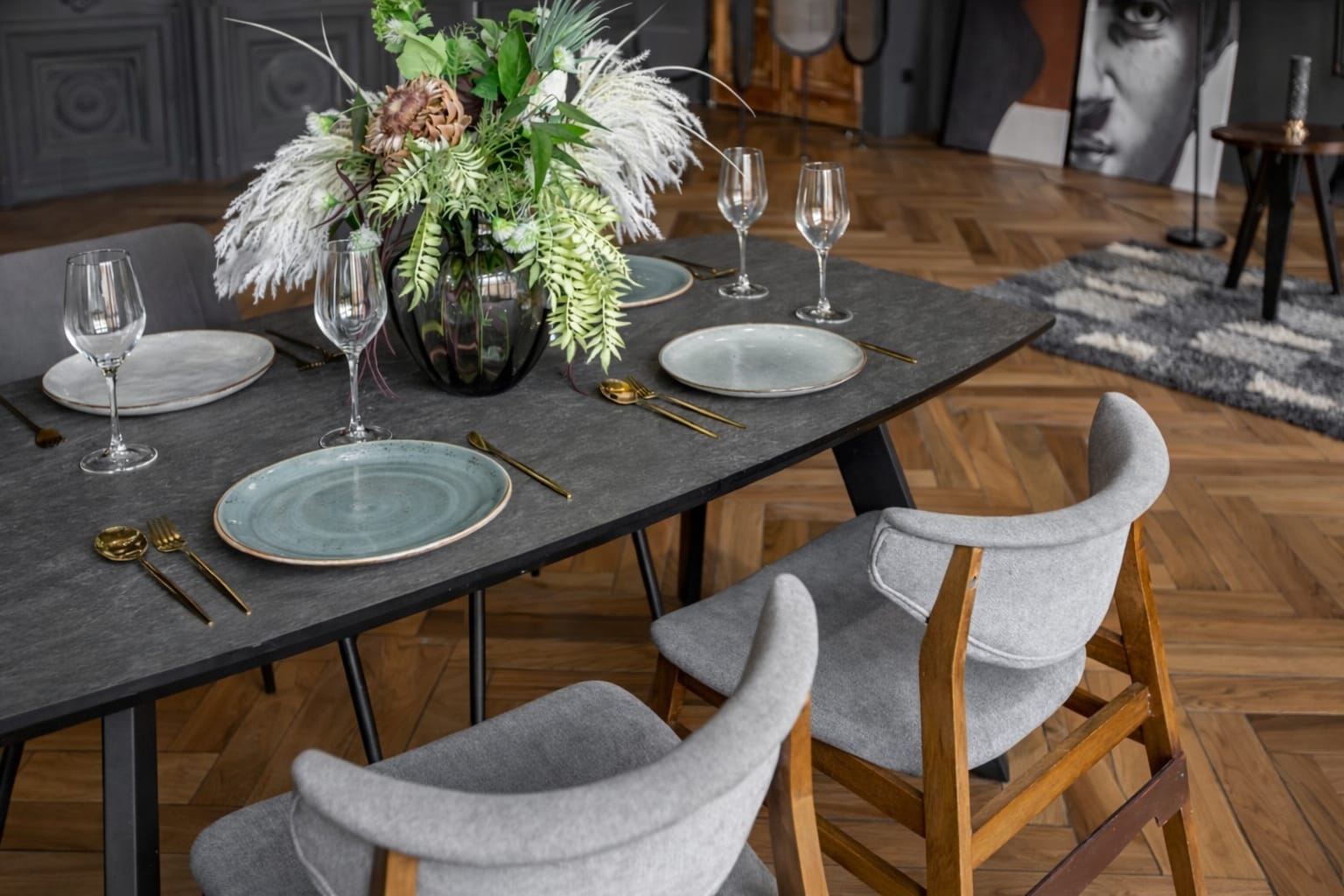
Trends expire faster than furniture budgets. Trend-heavy homes age poorly. Timeless design feels fresh longer. Neutral foundations support change. Trends work best in small doses. Longevity beats novelty. Balance protects investment.
15. Fast Decluttering Is Possible With Clear Rules
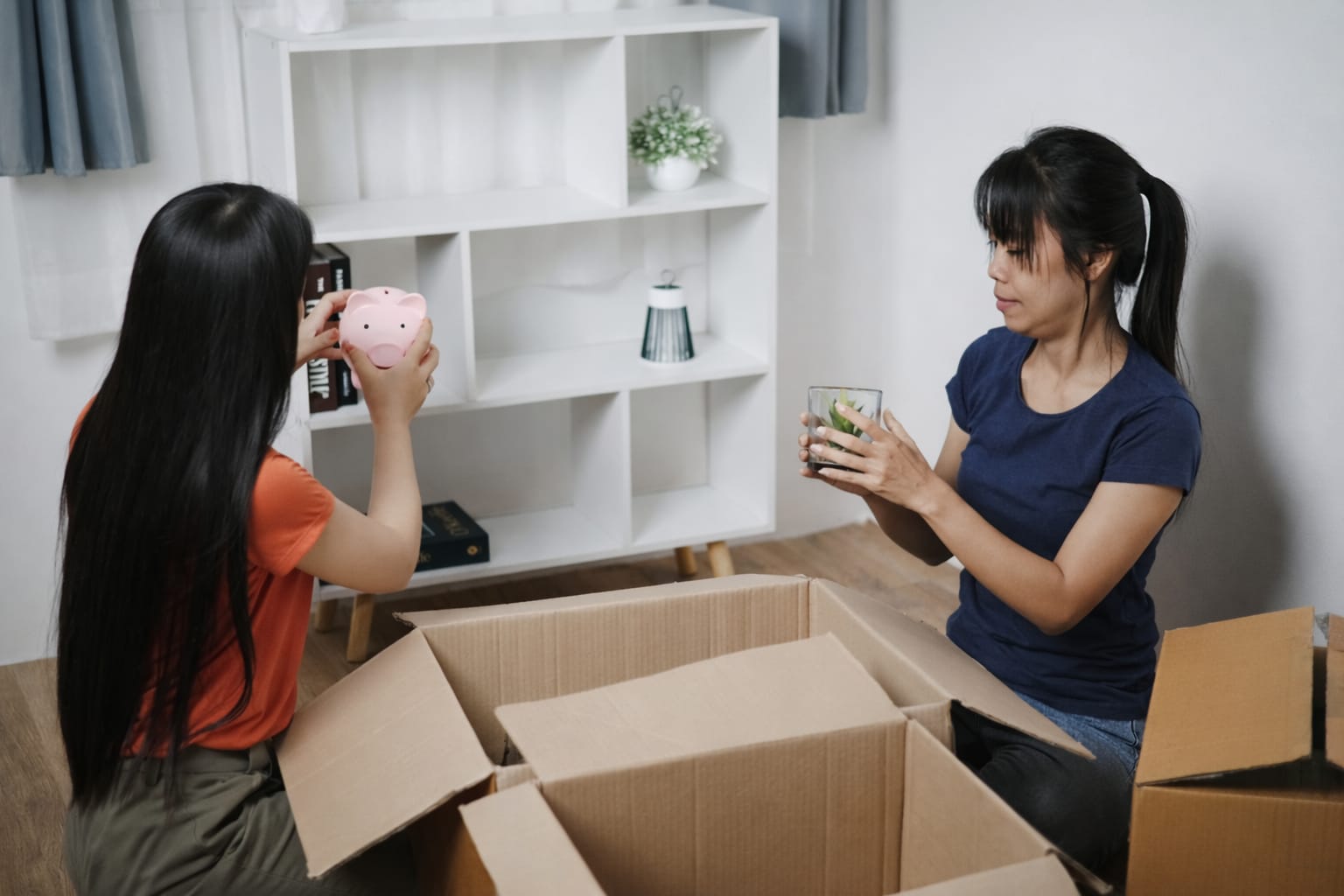
Emotional attachment slows decluttering decisions. Rules simplify the decluttering process. Speed comes from objective choices. Unused items lose value quickly. Letting go creates clarity. Efficiency reduces stress. Progress feels motivating.
16. Personal Items Make Homes Feel Alive

Personal objects add emotional warmth. Overthinking removes personality from spaces. Homes should reflect real lives. Memories create visual meaning. Perfect styling feels cold. Imperfect details feel human. Soul beats symmetry.
17. Budget Pressure Increases Overthinking Dramatically
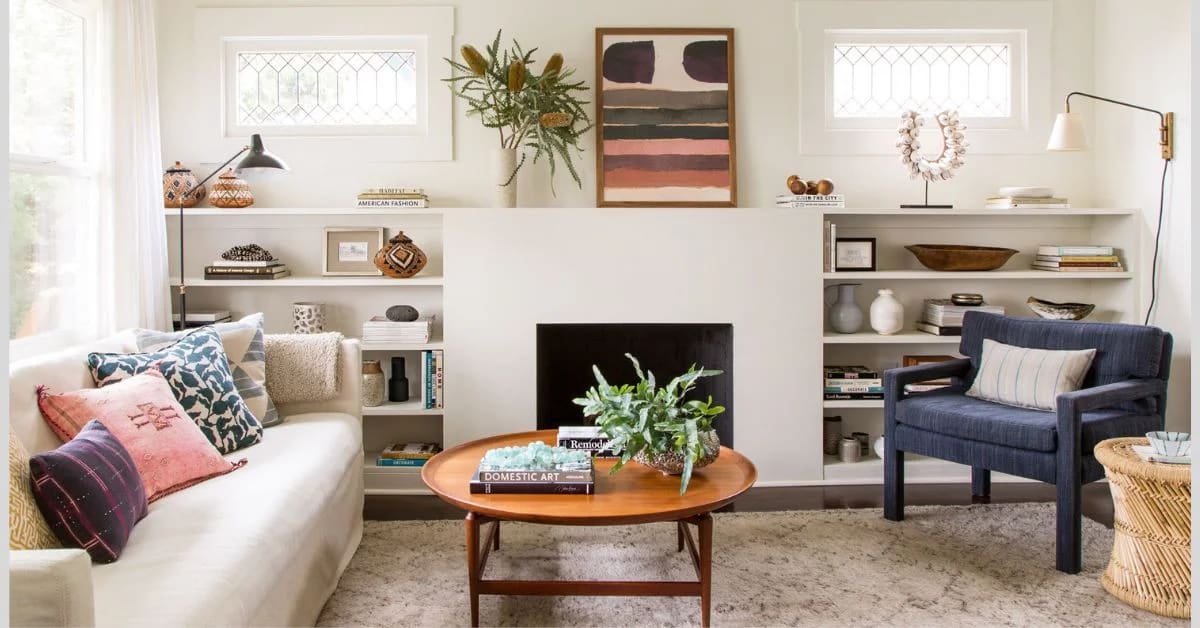
Limited budgets intensify decision stress. Perfection expectations create frustration. Smart prioritization reduces pressure. Budget clarity simplifies choices. Planning prevents impulse spending. Realistic goals matter. Flexibility helps.
18. Not Every Wall Needs Decoration
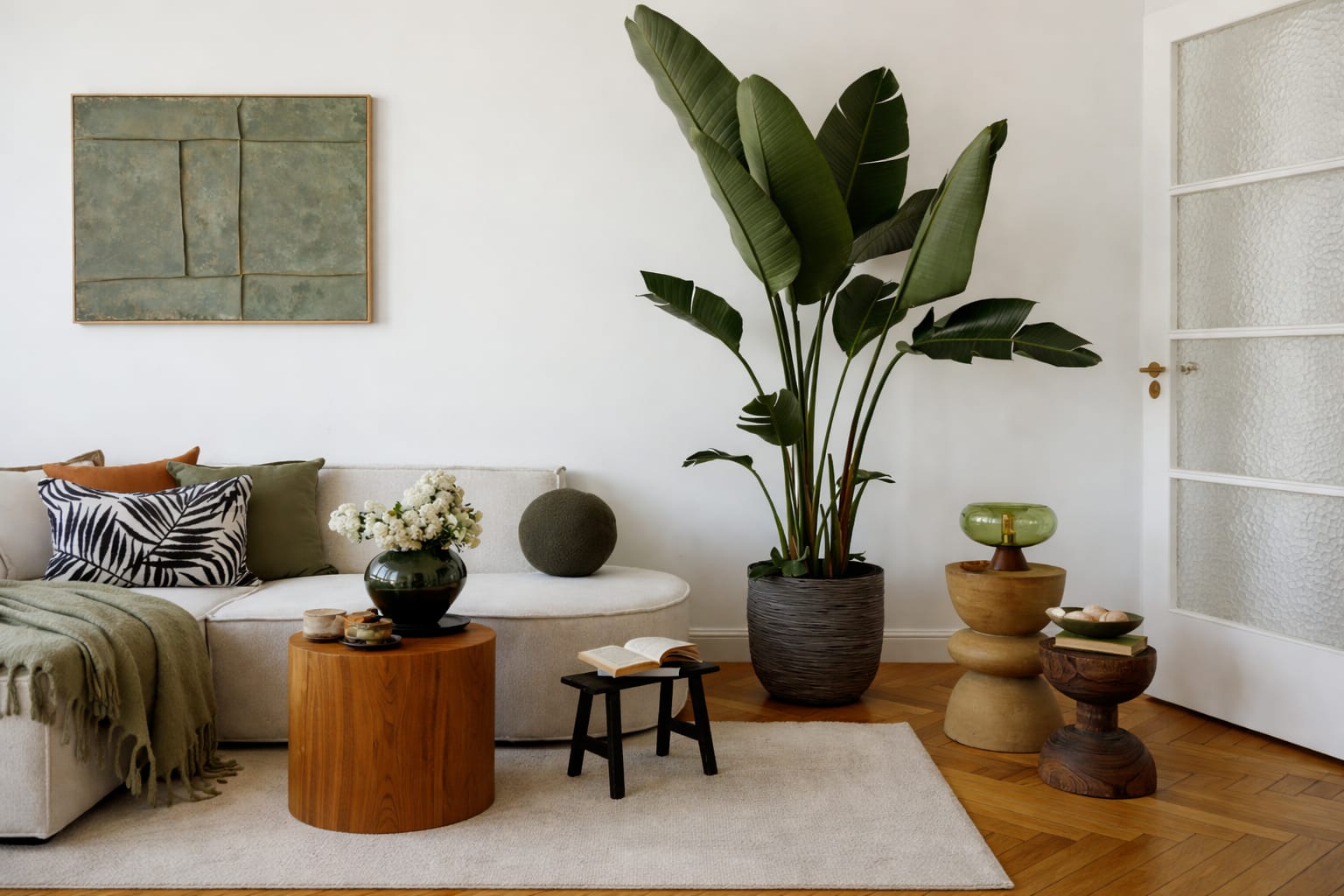
Bare walls calm visual overload. Overdecorated walls feel noisy. Strategic emptiness improves balance. Art needs space to breathe. Walls support, not dominate. Restraint enhances focus. Silence is design.
19. Designers Often Break Their Own Rules
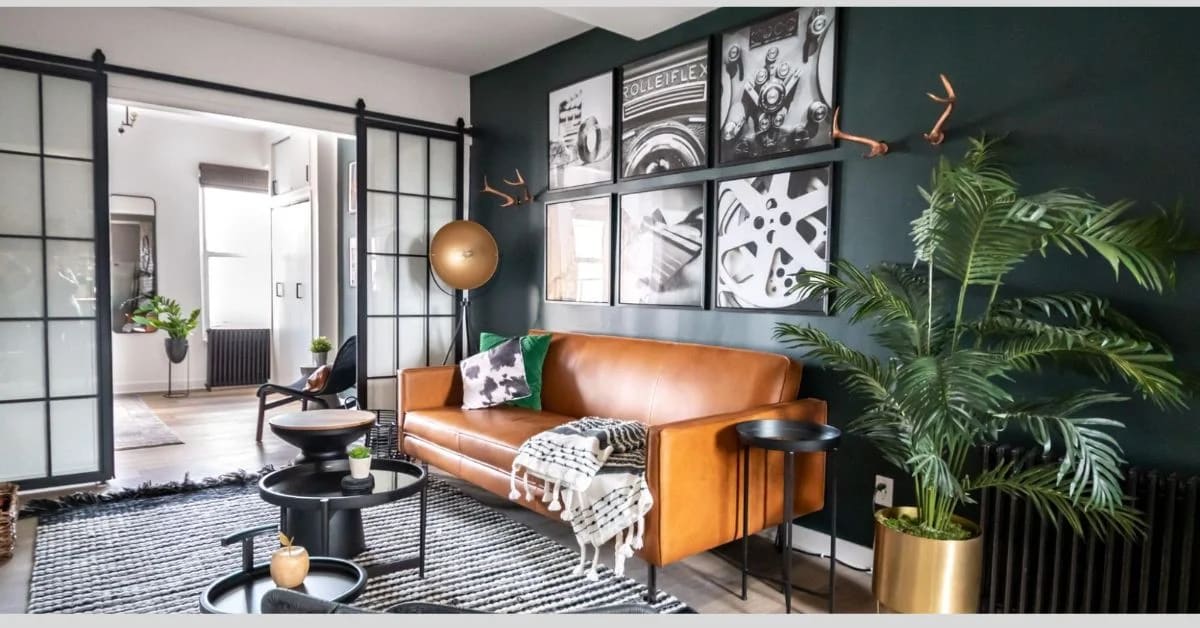
Professional designers trust intuition. Rules guide, not control creativity. Breaking rules creates authenticity. Overthinking blocks instinctive decisions. Experience builds confidence. Freedom improves results. Balance allows experimentation.
20. Lived-In Homes Always Feel Most Stylish
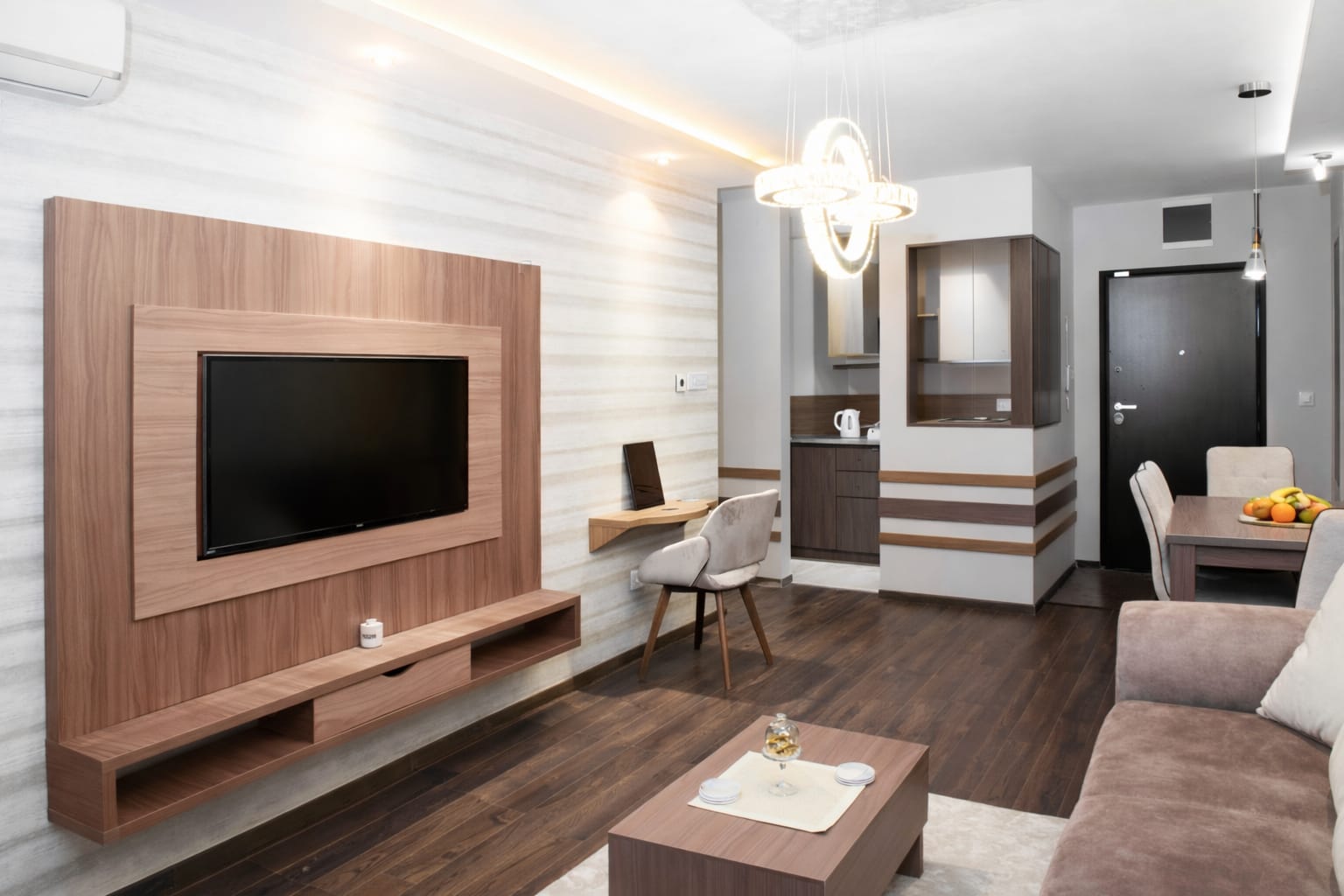
Perfect homes feel untouchable. Practical homes feel welcoming. Daily use shapes authentic beauty. Comfort signals success. Real life leaves marks. Style evolves naturally. Balance completes the design.