20 Walking Hacks That Make You Feel Like a Fitness Pro Without Trying
By Maham · Health · 2026-01-07
Walking is often underestimated, yet it remains one of the most powerful and accessible forms of physical activity. Without expensive equipment or complicated routines, walking can transform your health, posture, mood, and confidence. What makes it even more fascinating is that small, intelligent adjustments can dramatically improve its effectiveness. These walking hacks are not about pushing harder, but about moving smarter. By making subtle changes in how, when, and where you walk, you can experience benefits usually associated with professional fitness training. This article explores twenty scientifically grounded and practical walking strategies that help you feel like a fitness expert—without intense effort, gym memberships, or exhausting workouts.
01. . Walk With an Upright, Athletic Posture
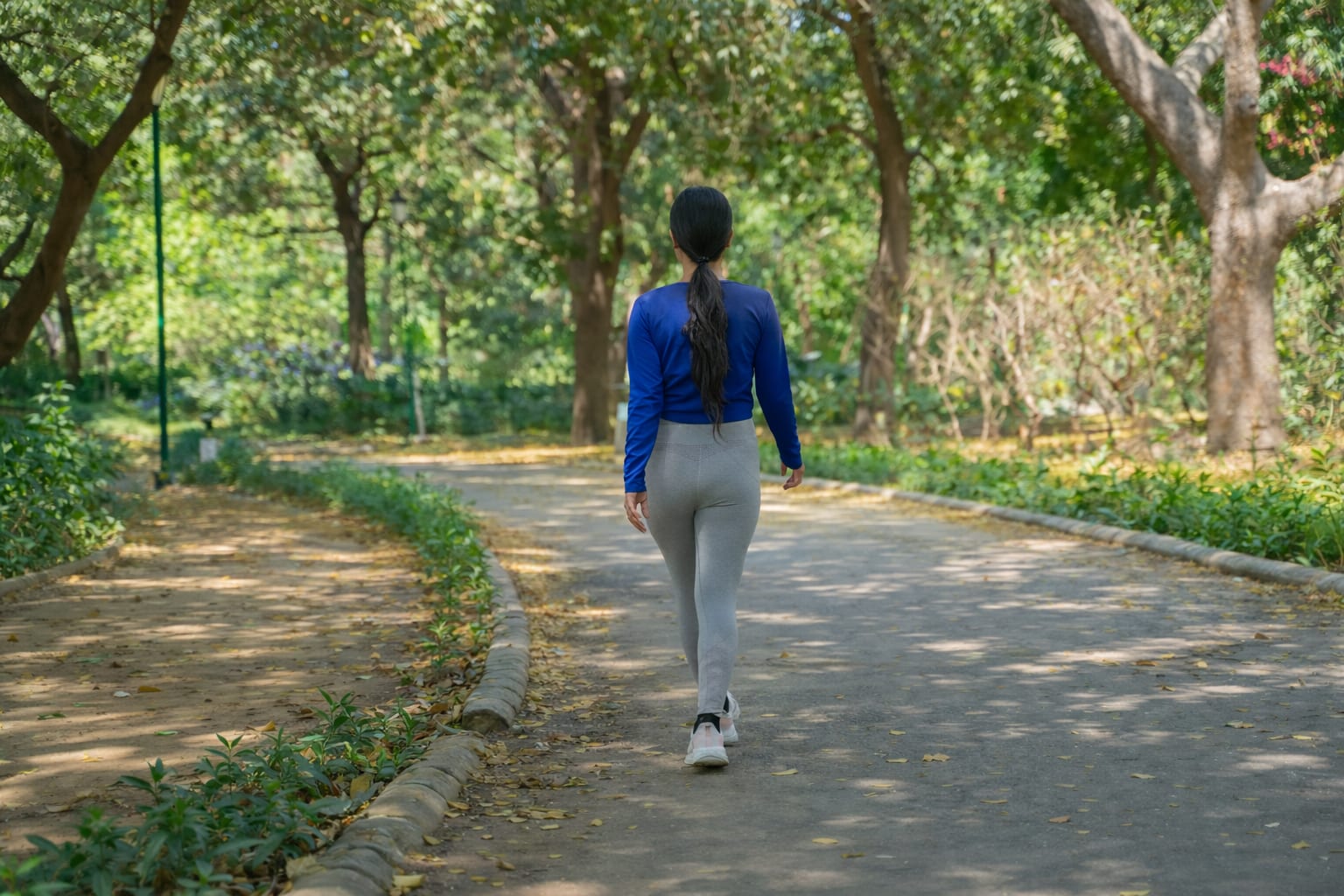
Maintaining an upright posture while walking instantly improves efficiency and reduces strain on the spine. Keep your shoulders relaxed, chest open, and head aligned with your spine. This posture activates core muscles naturally, improves breathing capacity, and gives your walk a confident, athletic appearance, making even casual movement feel intentional and professional.
02. Swing Your Arms With Purpose
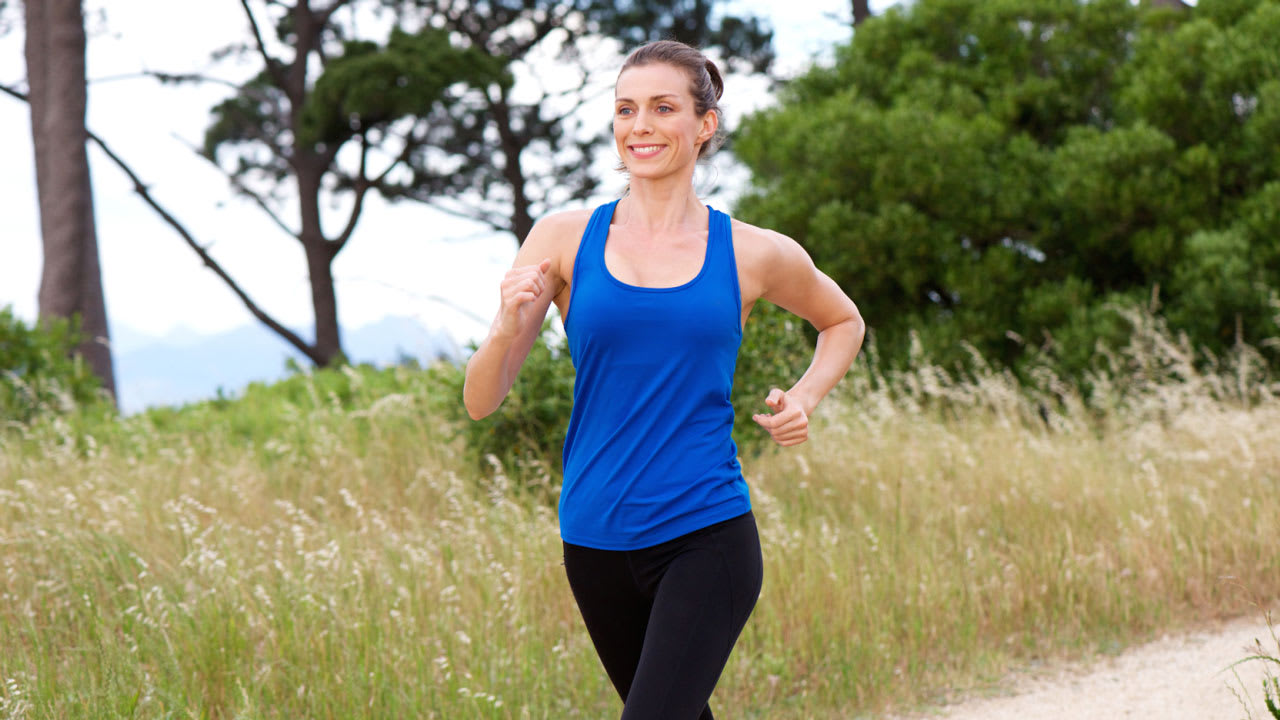
Purposeful arm movement increases walking speed and calorie burn without conscious effort. Bend your elbows slightly and swing your arms naturally from the shoulders. This rhythm enhances balance, engages upper-body muscles, and improves coordination. The result is a smoother gait that resembles trained fitness walking rather than casual strolling.
03. Shorten Your Stride for Better Control

Long strides may look impressive but often reduce efficiency and increase joint stress. Shorter, quicker steps improve stability and energy transfer. This adjustment protects knees and hips while promoting a faster cadence. Professional walkers prioritize controlled steps, making walking feel lighter, smoother, and more sustainable over long distances.
04. Engage Your Core While Walking
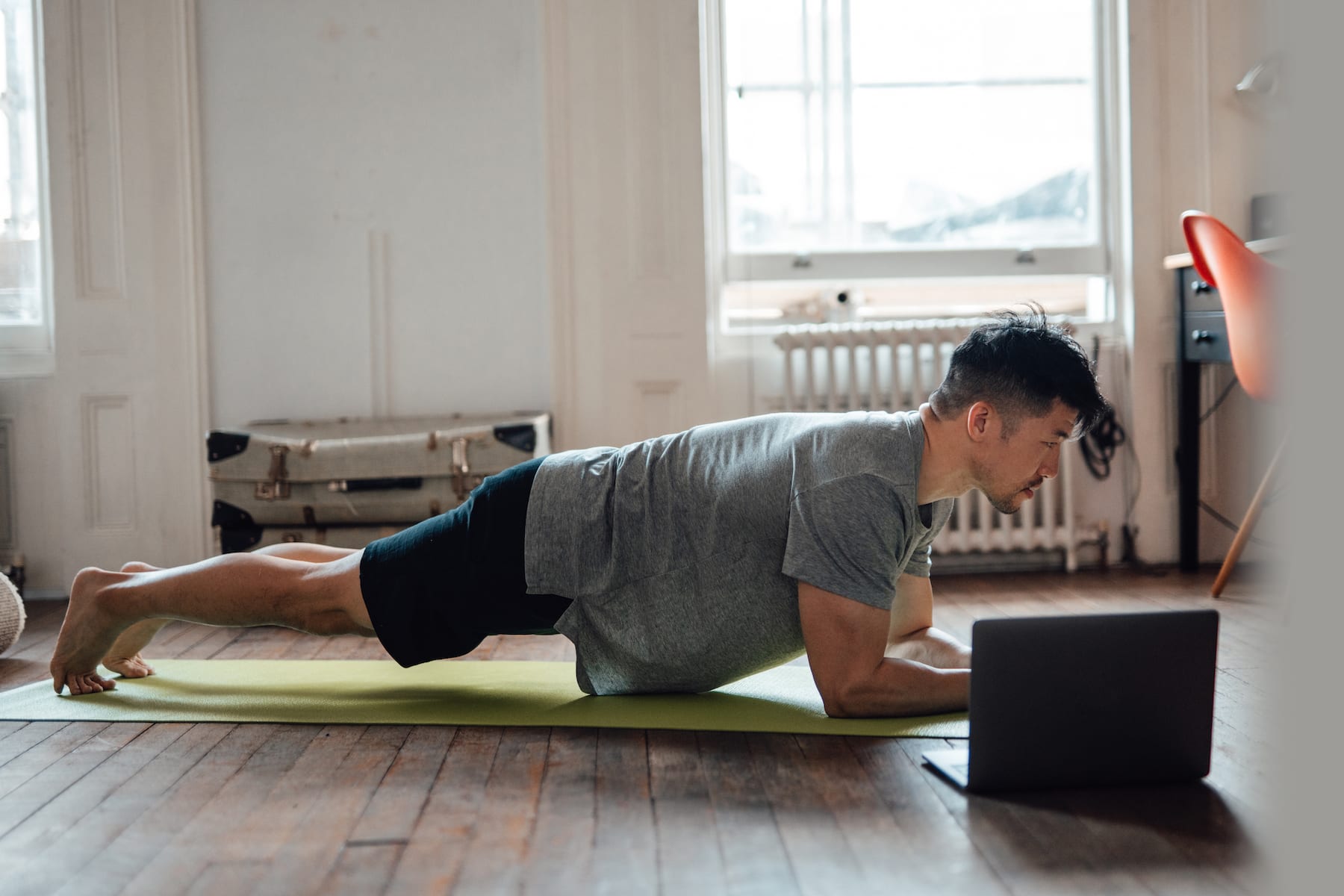
Lightly engaging your abdominal muscles during walking transforms it into a full-body exercise. This action stabilizes the spine, enhances posture, and increases caloric expenditure. Core engagement also improves balance and reduces lower-back discomfort, giving your walk the controlled precision associated with trained athletic movement.
05. Breathe Deeply and Rhythmically
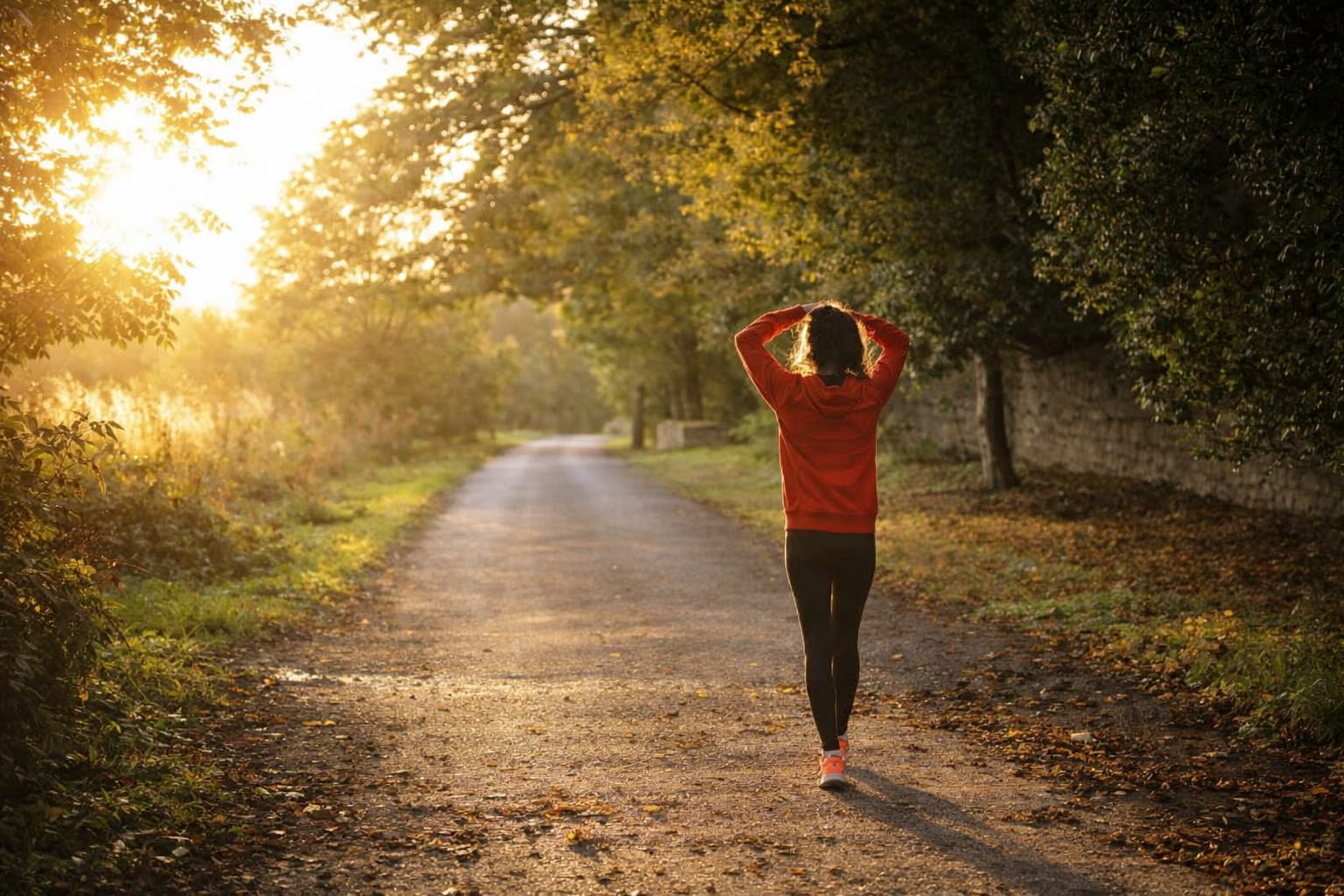
Controlled breathing enhances oxygen delivery to muscles and improves endurance. Inhale deeply through your nose and exhale steadily through your mouth in sync with your steps. This rhythmic breathing calms the nervous system, improves stamina, and creates a mindful walking experience similar to professional endurance training.
06. Use Intervals Without Realizing It
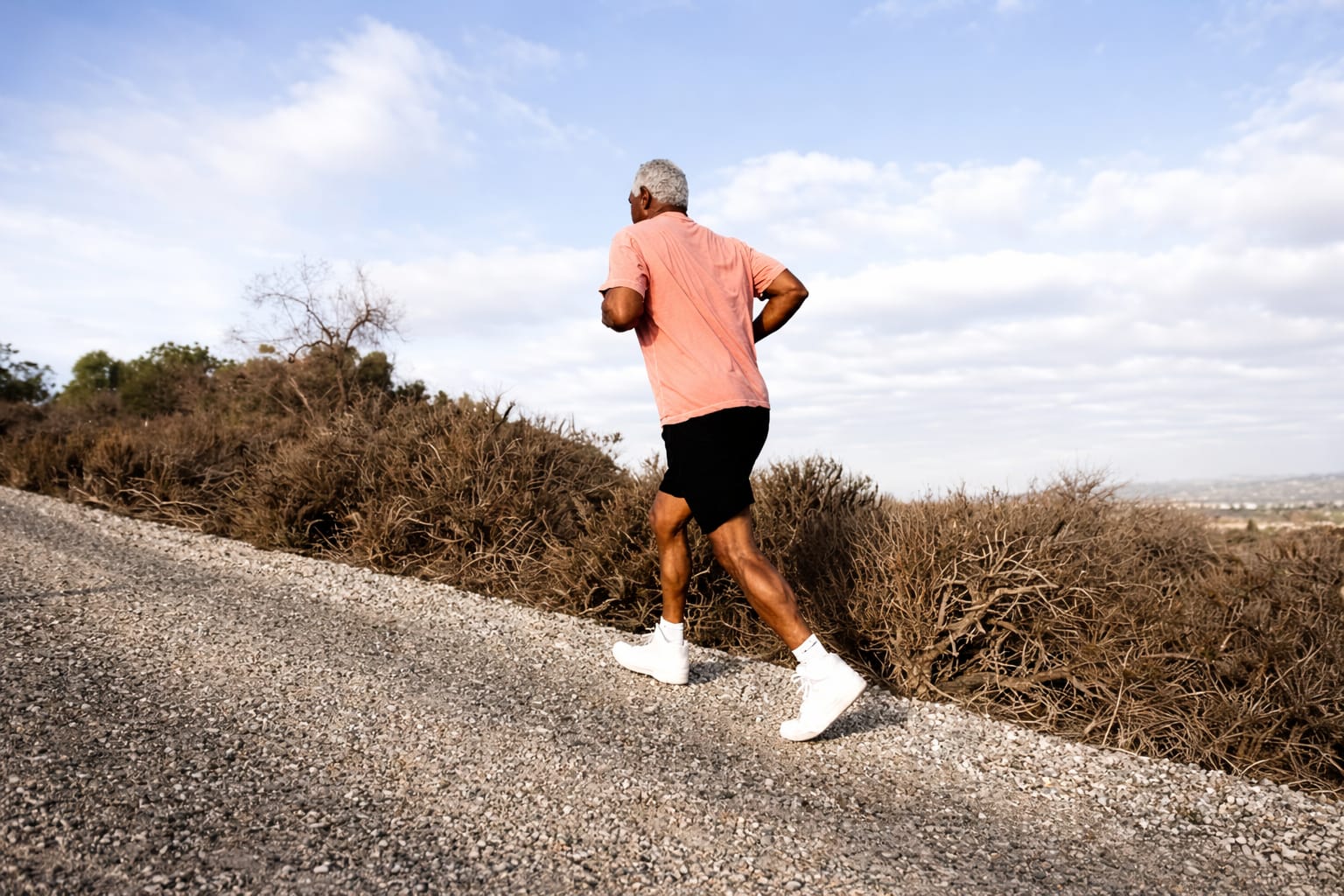
Alternating between normal and faster walking speeds boosts cardiovascular fitness without conscious strain. Walk briskly for thirty seconds, then slow down briefly. These natural intervals elevate heart rate efficiently, mimicking structured workout plans used by fitness professionals while remaining effortless and adaptable.
07. Focus on Heel-to-Toe Movement
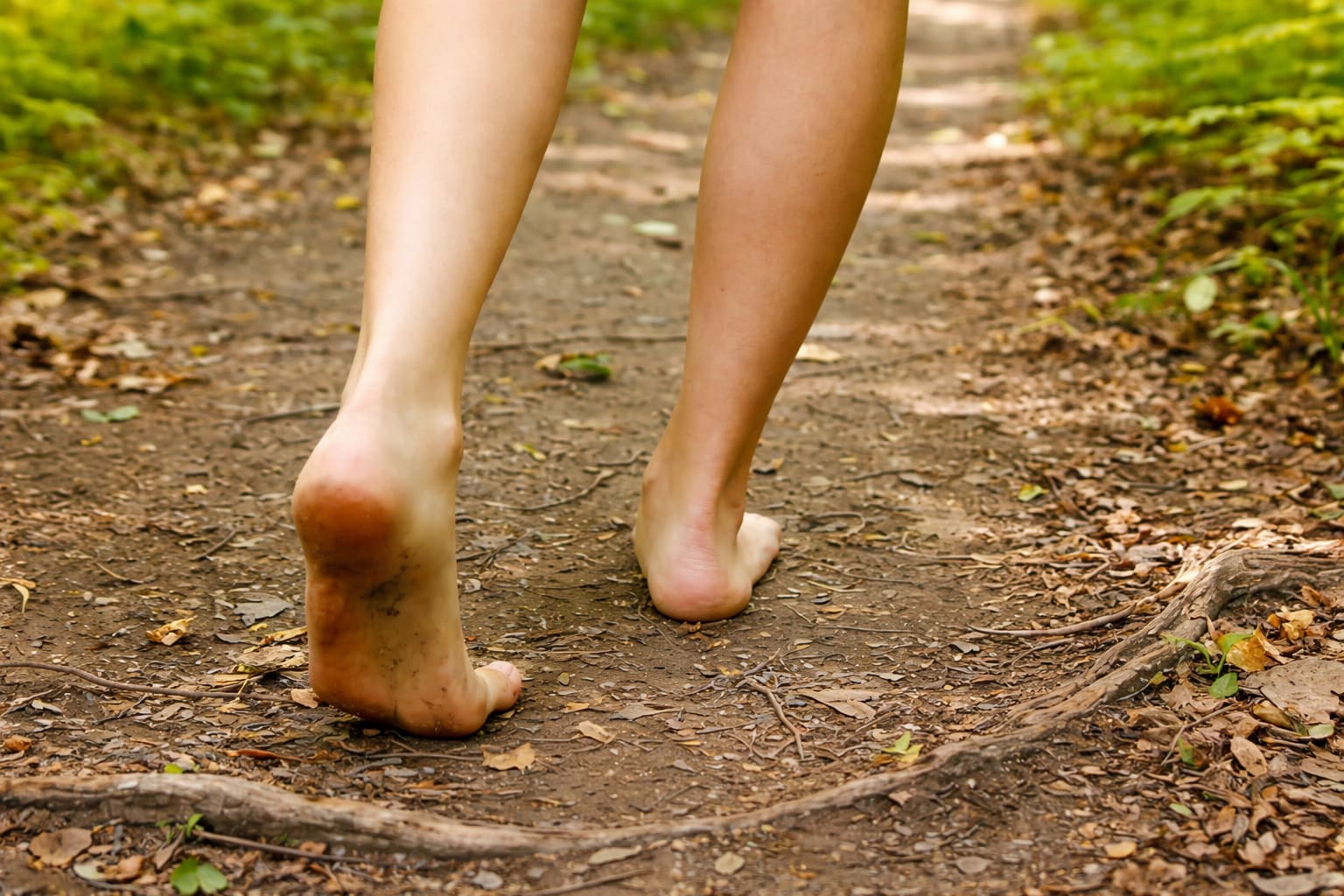
Rolling your foot from heel to toe enhances shock absorption and walking efficiency. This technique distributes impact evenly across the foot and joints. Professional walkers rely on this movement to prevent injuries and maintain endurance, giving your walk a smooth, biomechanically sound rhythm.
08. Walk on Slight Inclines When Possible

Inclines activate glutes, calves, and hamstrings more effectively than flat surfaces. Even gentle slopes increase intensity without increasing walking speed. This technique improves muscle tone and cardiovascular strength, making ordinary walks feel like purposeful training sessions used in professional fitness routines.
09. Choose Natural Terrain Over Pavement

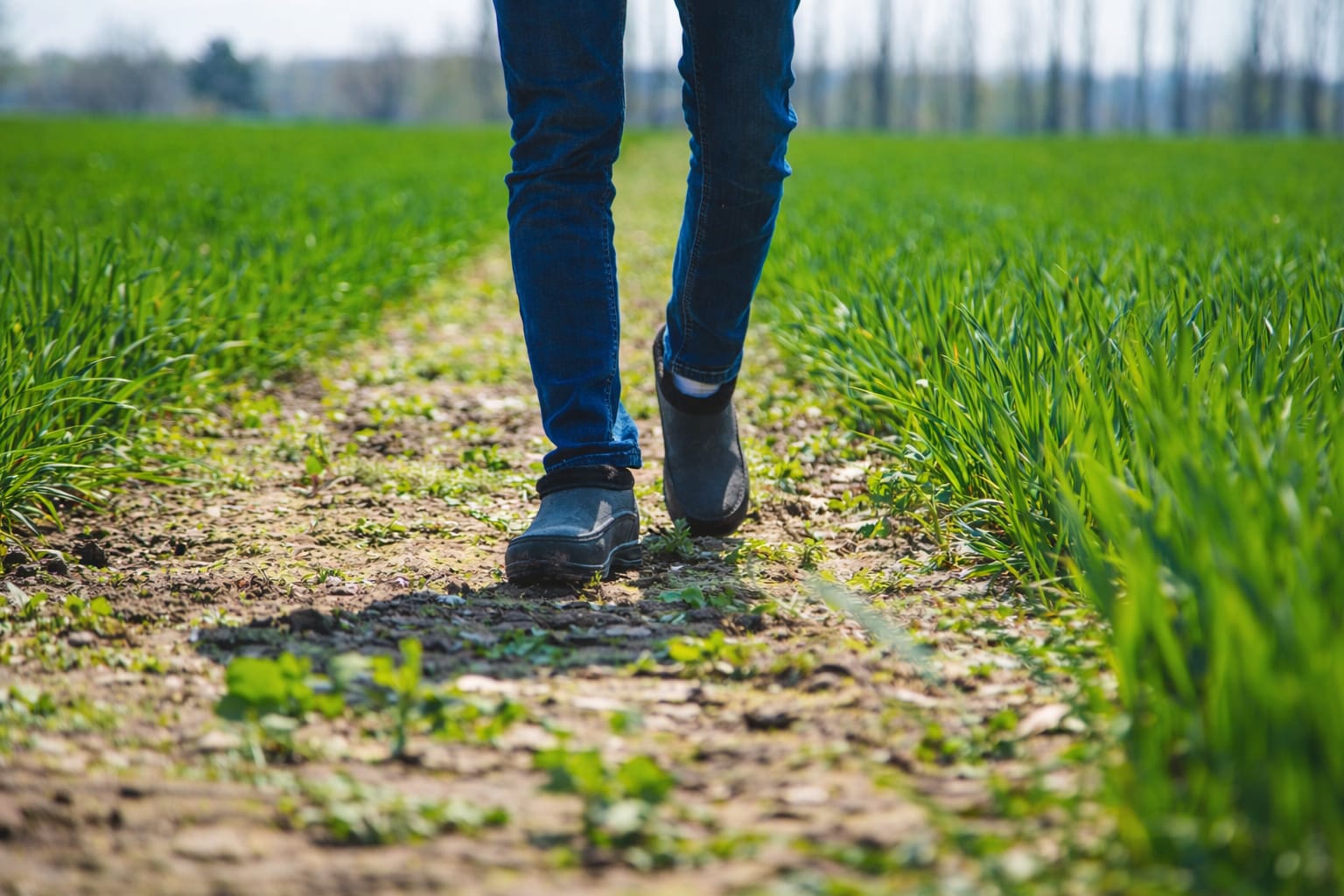
Uneven surfaces such as grass, sand, or trails engage stabilizing muscles and improve balance. Natural terrain challenges coordination subtly, increasing muscle activation without added effort. This approach reflects functional training methods used by athletes to enhance strength and proprioception through everyday movement.
10. Maintain a Consistent Walking Rhythm
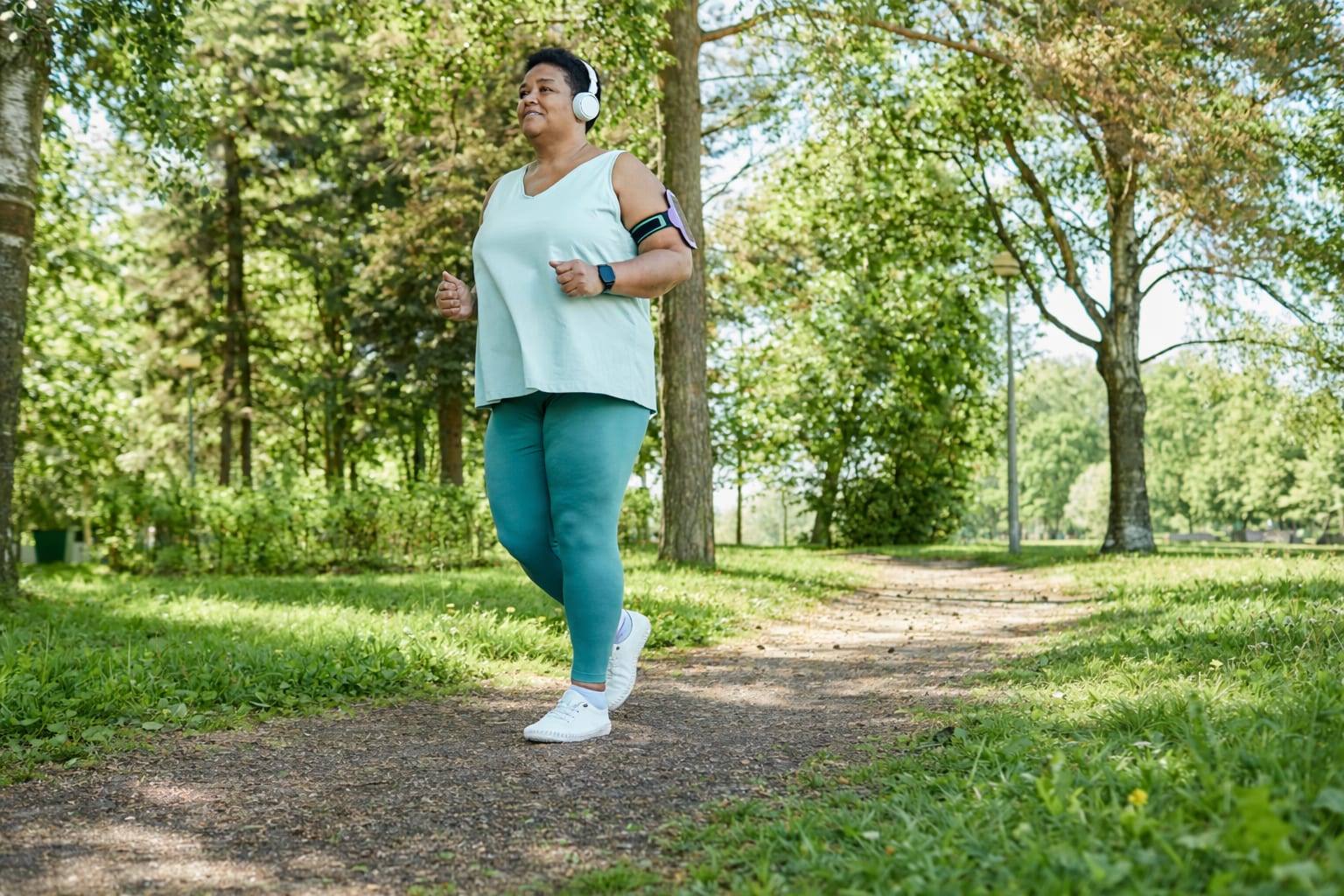
Consistency in pace improves efficiency and reduces unnecessary energy loss. A steady rhythm allows muscles to work optimally and improves cardiovascular response. Professional fitness walkers train cadence deliberately, and adopting this habit makes your walk feel smooth, confident, and highly controlled.
11. Look Ahead, Not Down

Keeping your gaze forward aligns the spine and improves balance. Looking down disrupts posture and breathing. Professional movement training emphasizes visual alignment to enhance coordination and confidence. This simple adjustment improves walking efficiency while reducing neck strain and mental fatigue.
12. Walk During Phone Calls
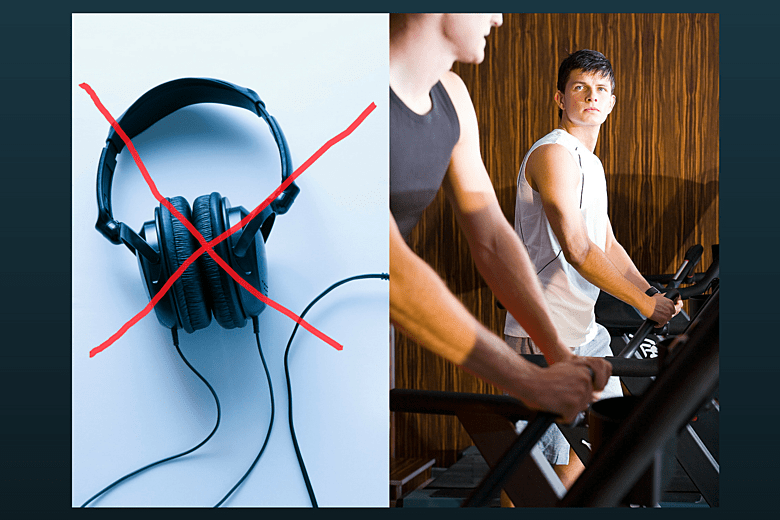
Walking during phone conversations increases daily step count effortlessly. This habit transforms sedentary moments into active ones without requiring extra time. Fitness professionals emphasize movement integration, and this strategy helps maintain consistent activity levels throughout the day.
13. Use Music With a Moderate Tempo

Music with a steady tempo naturally regulates walking speed and rhythm. Moderate beats encourage consistent pacing without conscious effort. Athletes often use music to maintain cadence, making this an effective psychological tool to enhance walking performance and enjoyment.
14. Practice Mindful Walking

Mindful walking involves awareness of breath, steps, and surroundings. This practice reduces stress while improving coordination and posture. Professional wellness programs integrate mindful movement to enhance mental clarity, making walking both a physical and cognitive performance enhancer.
15. Walk at the Same Time Daily
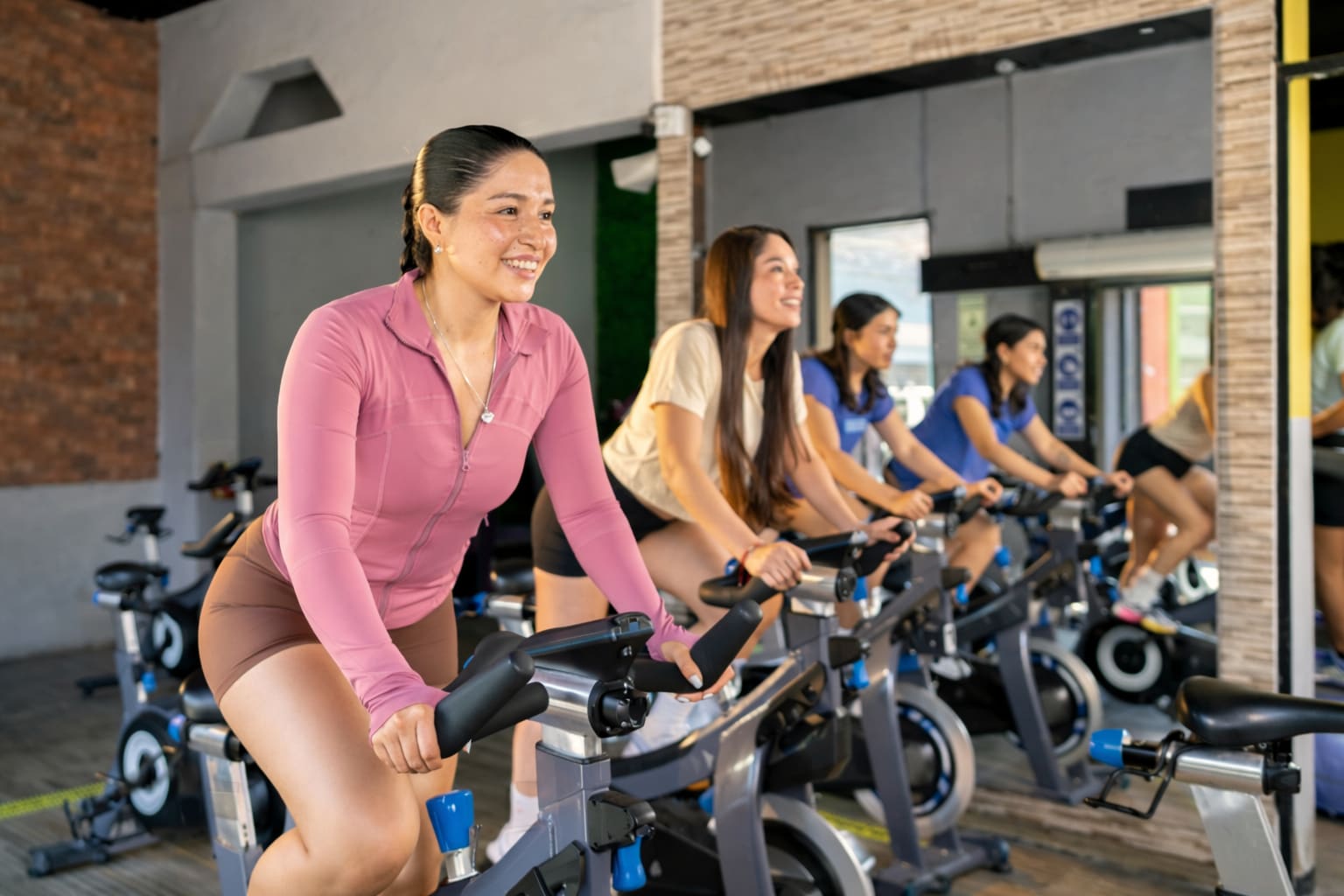
Consistency in timing trains the body’s internal clock and improves adherence. Walking at the same time daily enhances hormonal balance and energy regulation. Fitness experts rely on routine to build sustainable habits, turning walking into an automatic, performance-driven behavior.
16. Add Gentle Direction Changes
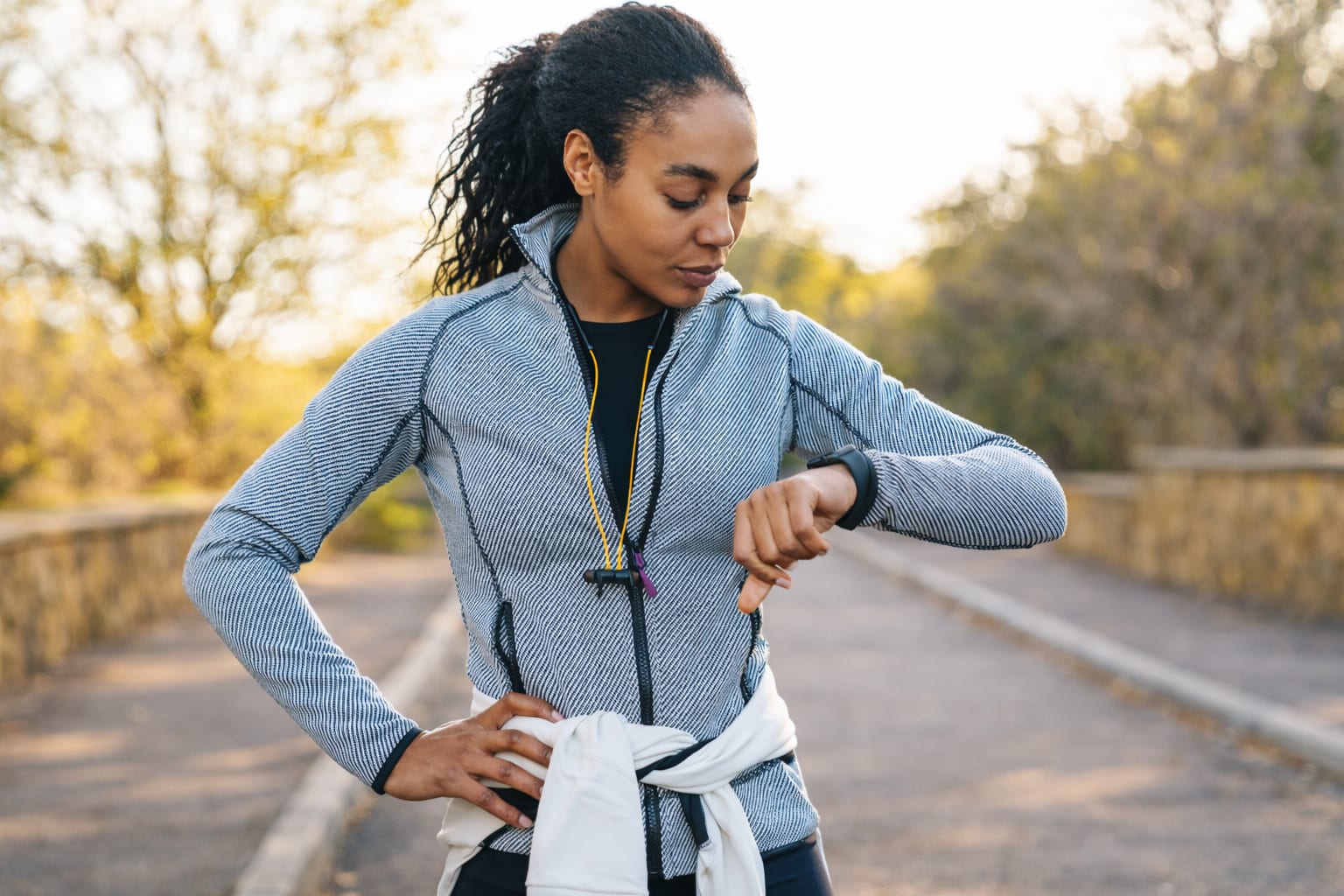
Changing direction occasionally improves agility and joint control. Gentle turns activate stabilizing muscles and improve coordination. This mirrors athletic movement patterns used in functional training, making your walk more dynamic and neurologically engaging.
17. End Your Walk With a Slow Cool-Down
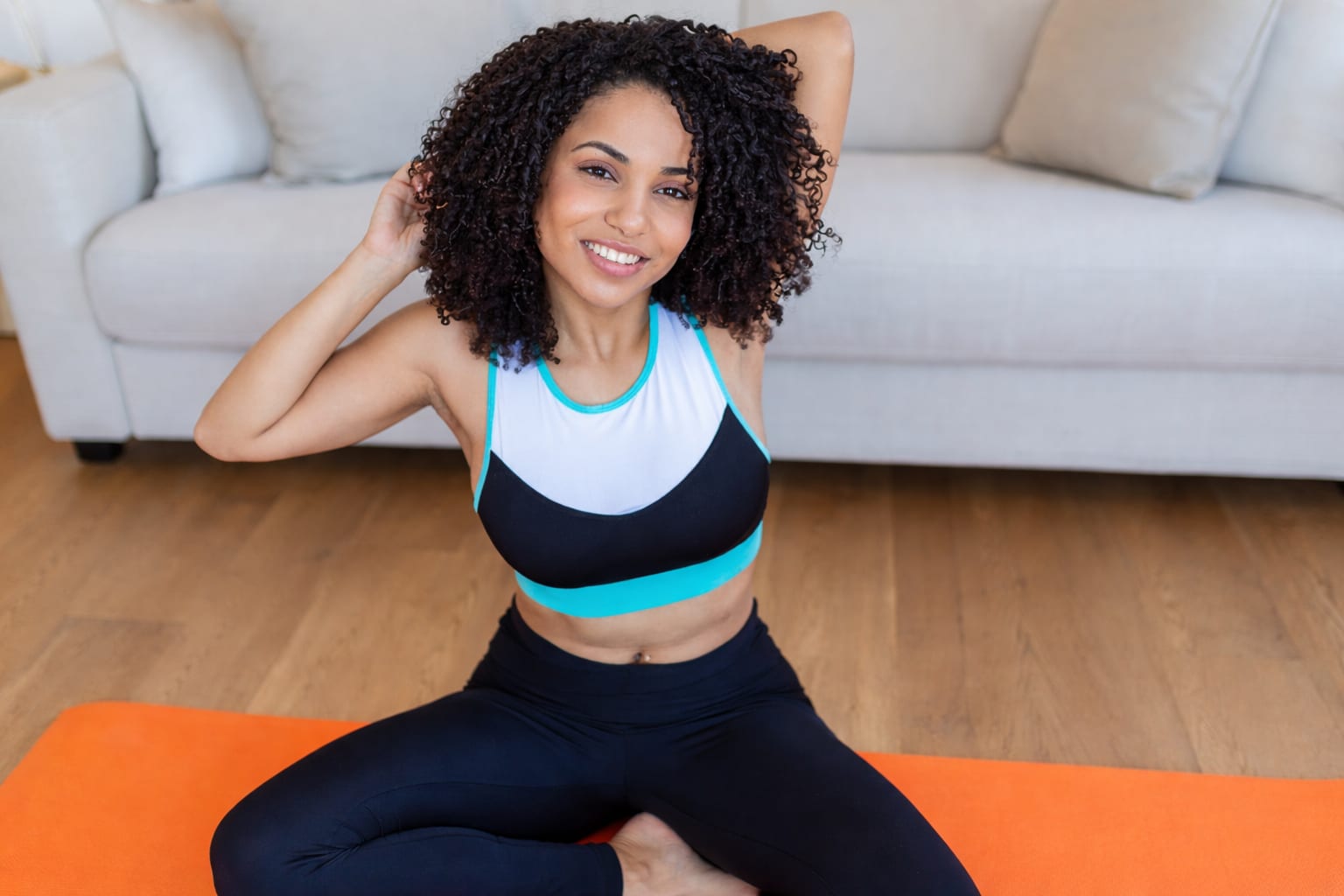
Gradually slowing your pace at the end of a walk aids recovery and prevents stiffness. This cool-down supports circulation and muscle relaxation. Fitness professionals prioritize proper recovery, and this final step completes your walk with balance, control, and professionalism.
18. Focus on Relaxed Shoulders

Tension in the shoulders restricts breathing and wastes energy. Keeping shoulders relaxed improves circulation and posture. Professional fitness training emphasizes relaxation within movement, allowing muscles to work efficiently while reducing fatigue during longer walking sessions.
19. Walk With Light Hand Weights Occasionally
Using very light hand weights adds gentle resistance to arm movement. This increases upper-body engagement without strain. When used occasionally, it enhances muscle tone and coordination, creating a controlled and intentional walking style commonly seen in structured fitness walking programs.
20. Walk Immediately After Meals

A short walk after eating improves digestion and stabilizes blood sugar levels. This habit enhances metabolic efficiency and reduces fatigue. Fitness experts often recommend post-meal walking for recovery and glucose control, making this simple timing adjustment a powerful health optimization strategy.