24 Closet Fun Facts: Why Clothes Disappear but Nothing Ever Fits
By Maham · Lifestyle · 2025-12-30
Your closet is full, yet you still say, “I have nothing to wear.” If this sounds familiar, welcome to a universal wardrobe mystery. This problem has existed since the beginning of modern wardrobes. Women everywhere open their closet doors and feel instant confusion. There is clothing everywhere, but not a single satisfying outfit. Shopping feels exciting, but getting dressed feels stressful. This article explores funny, but painfully true, closet facts. You may laugh, nod, and feel personally attacked at the same time.
01. Basics Can Become Extremely Boring

Basics feel safe and practical. Too many basics kill excitement. Outfits start looking repetitive and dull. Balance is essential for interest.
02. Dream Life Shopping Fails Real Life
Many people shop for imaginary lifestyles. Fancy dresses rarely match daily routines. Real wardrobes need practical pieces. Lifestyle alignment matters most.
03. More Clothes Mean More Stress

More clothing creates pressure, not freedom. Every item demands to be considered. This increases mental clutter inside the wardrobe. Simplicity actually makes dressing easier.
04. You Wear Only 10% of Your Clothes
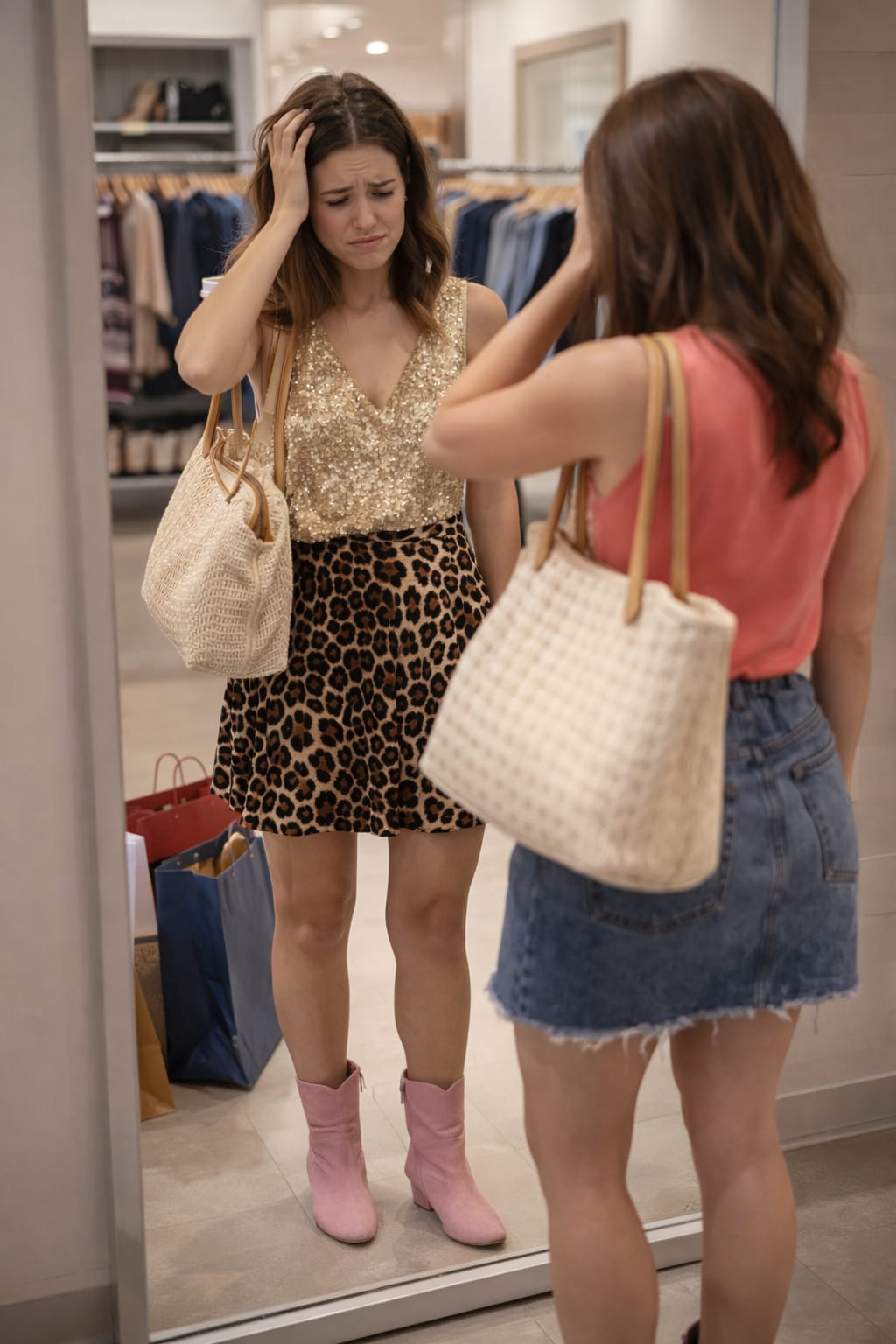
Most people wear the same outfits repeatedly. The remaining clothes sit untouched for years. This creates the illusion of choice. In reality, habits control daily dressing.
05. Size Confusion Creates False Options
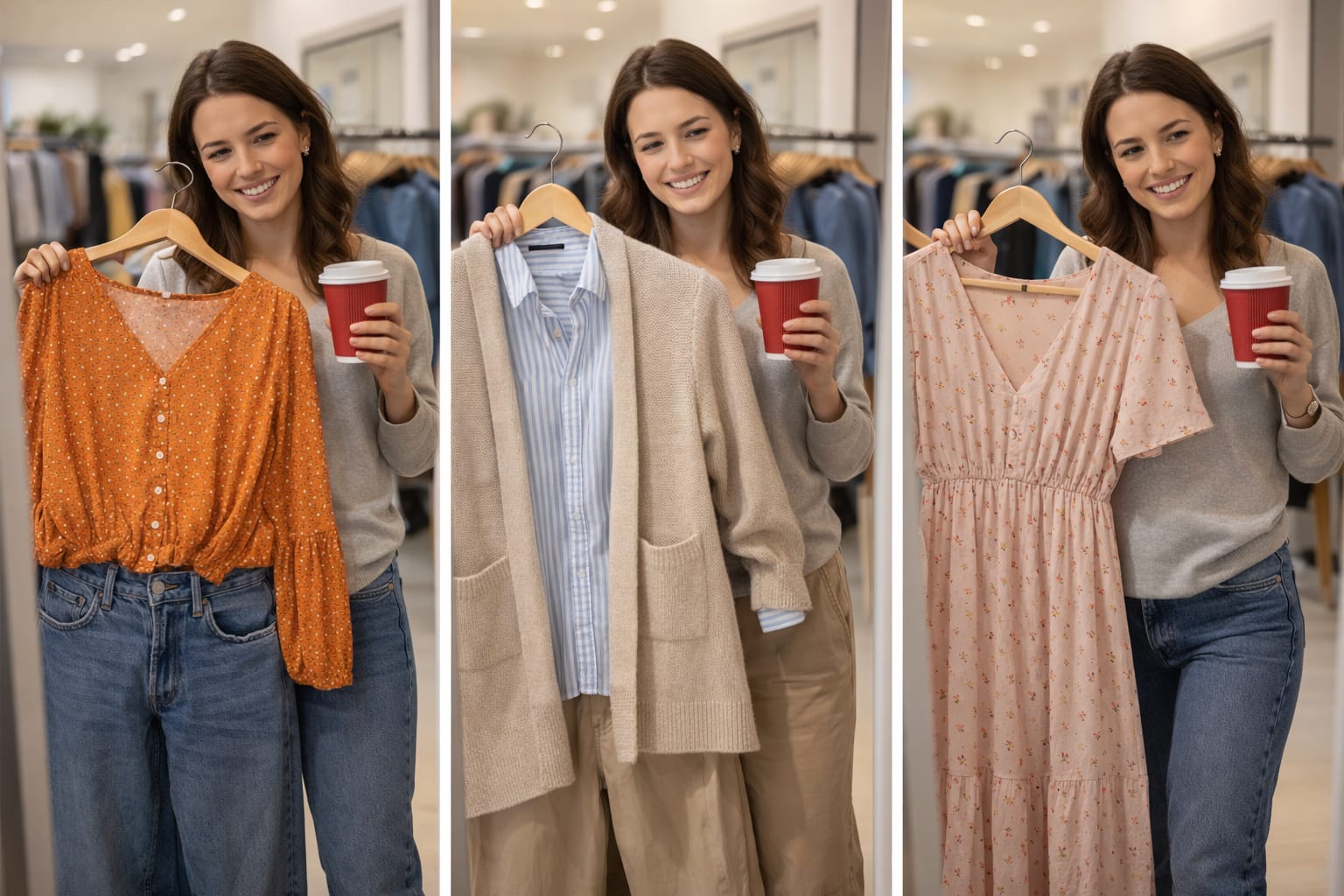
Multiple sizes create wardrobe confusion. Only a few items actually fit right now. Everything else creates false hope. This damages confidence every morning.
06. Netflix Steals Styling Time

Scrolling replaces experimenting too often. Wardrobe playtime feels unproductive. However, styling is a skill. It improves only with practice.
07. Emotional Decisions Ruin Outfit Choices
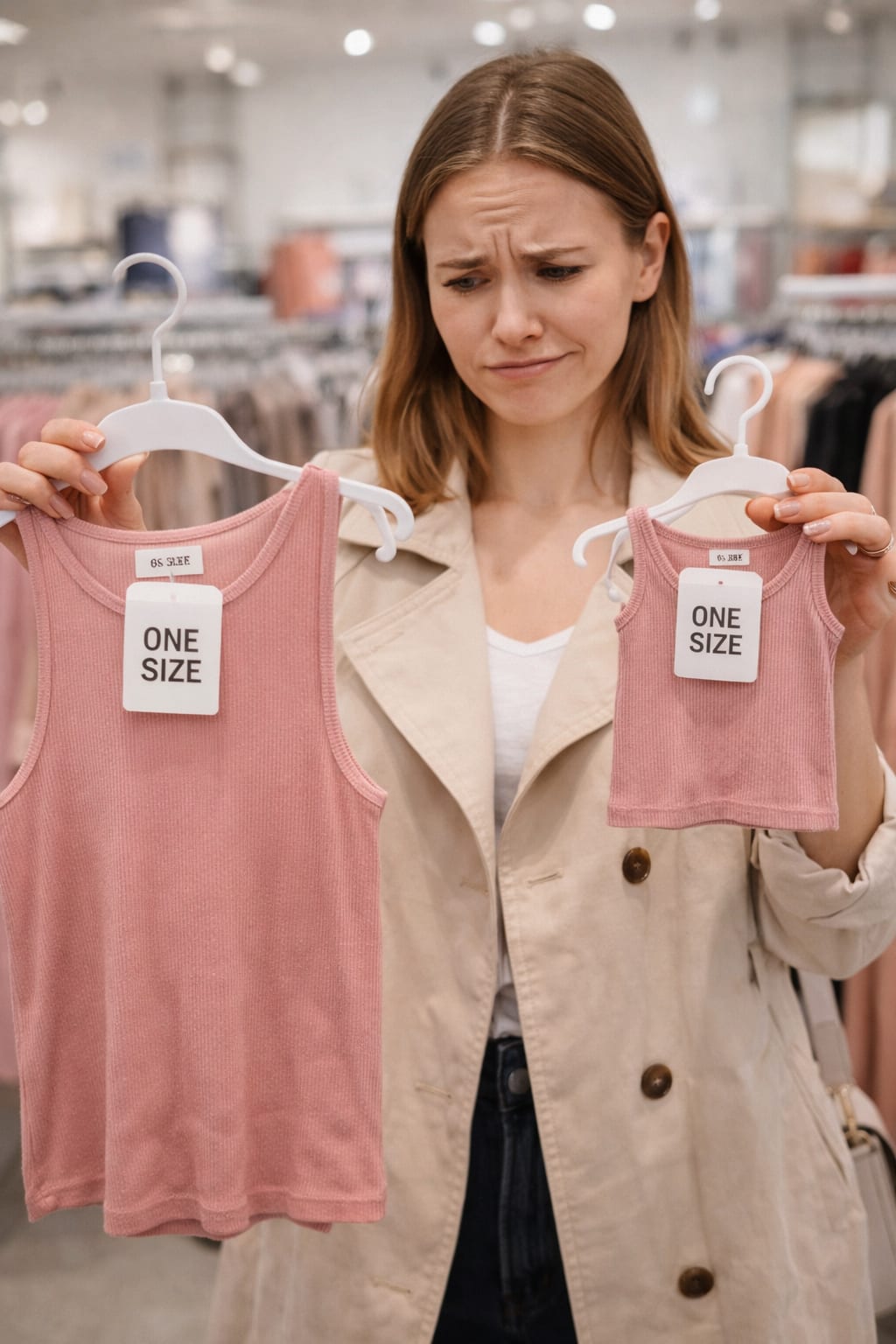
Choosing clothes emotionally clouds judgment. Guilt replaces confidence when dressing. A wardrobe should feel supportive. Not emotionally exhausting every morning.
08. The Closet Door Triggers Instant Panic

Opening the closet door should feel exciting. Instead, it often causes silent stress. Too much clothing fights for attention at once. The brain shuts down instead of choosing calmly.
09. One Missing Piece Can Ruin Everything
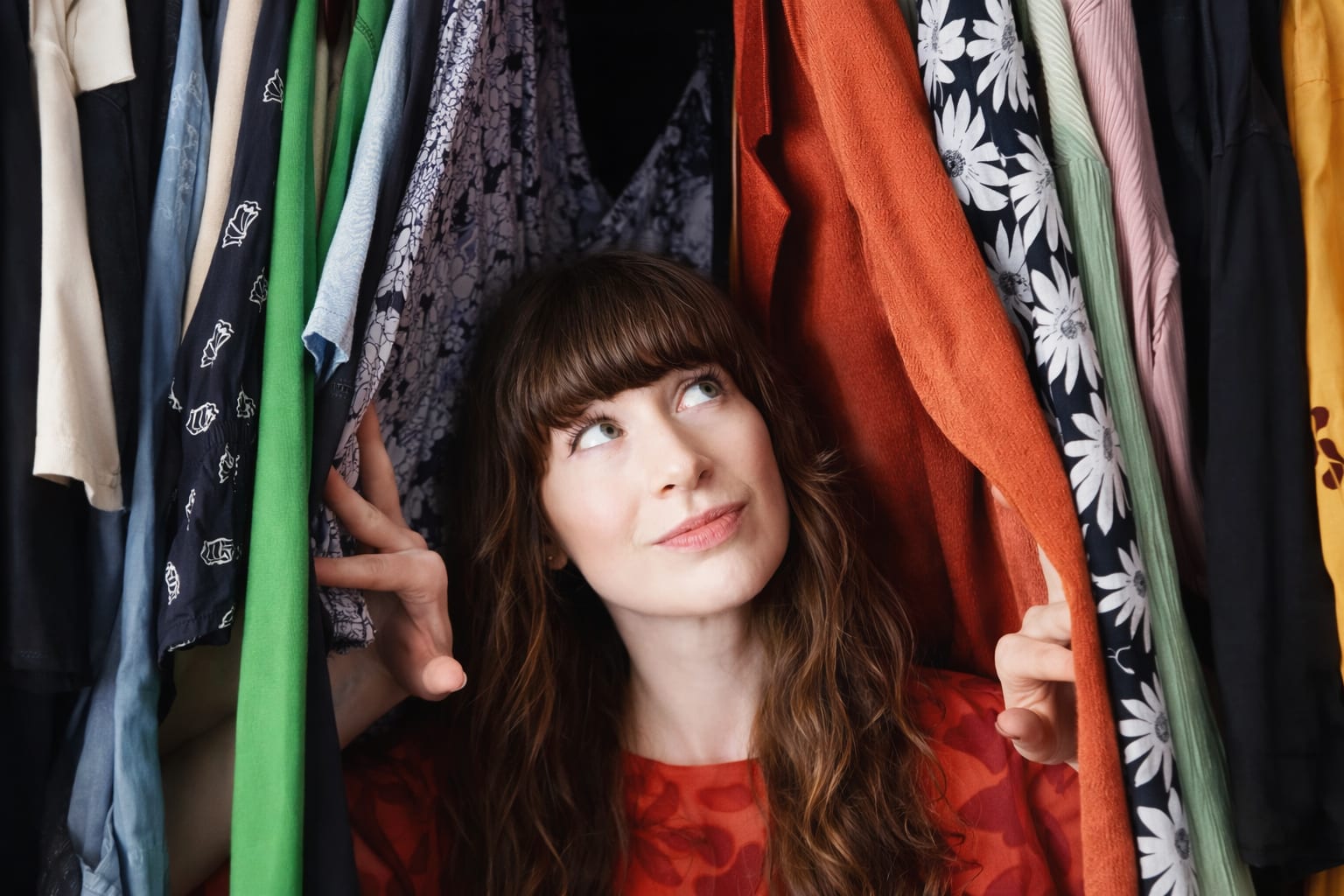
Sometimes the wardrobe lacks one key item. That gap ruins multiple outfits. A single statement piece fixes everything. Small changes create a big impact.
https://www.firstsouth.com/blog/impulse-buying-your-wallets-silent-enemy
10. “Nothing to Wear” Is a Real Problem
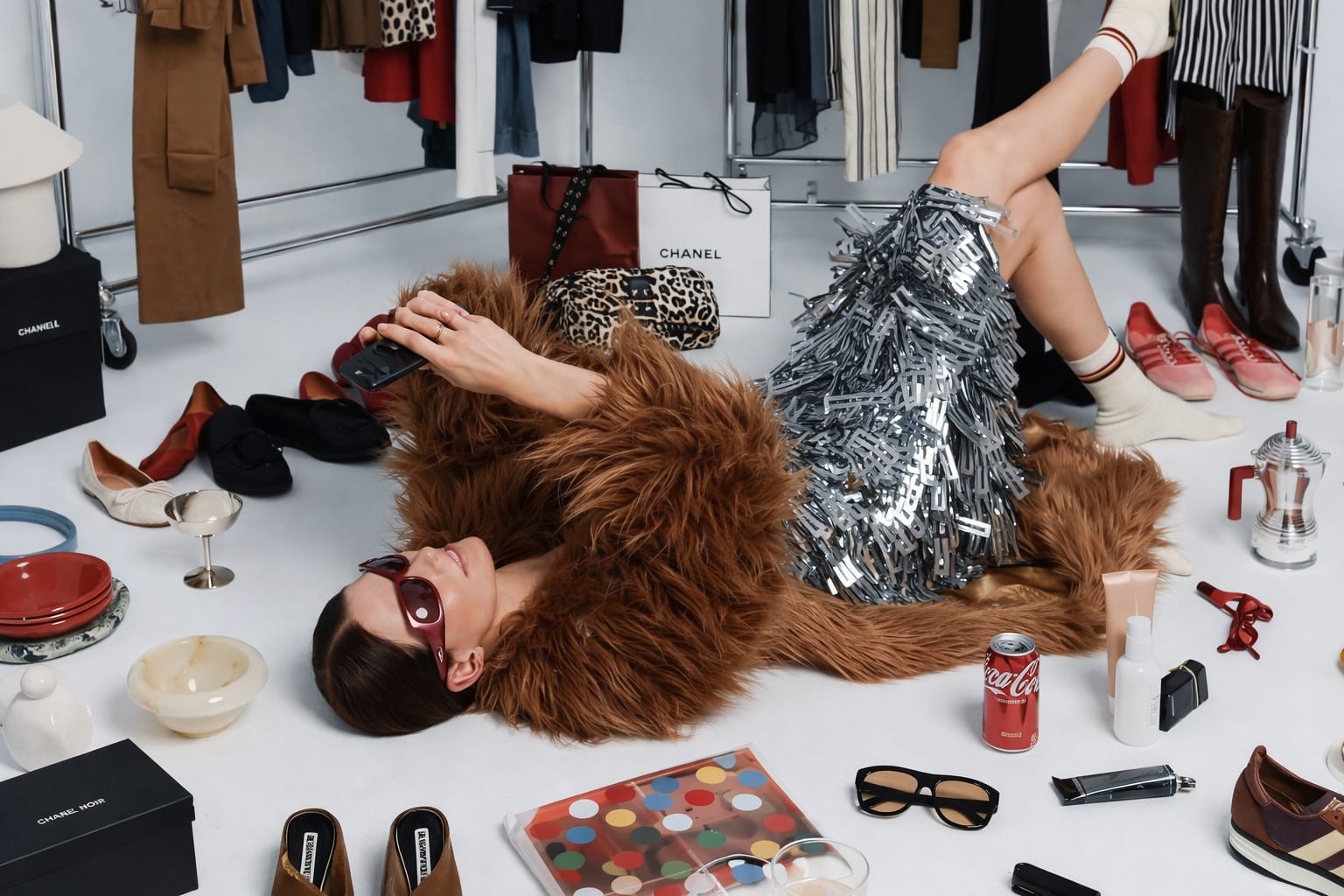
The phrase “nothing to wear” is not an exaggeration. It reflects confusion, not a lack of clothing. Many women experience this daily without understanding why. The problem starts with how wardrobes are built.
https://thewelldressedlife.com/6-reasons-why-you-have-nothing-to-wear/
11. Impulse Shopping Creates Lonely Clothes

Impulse purchases rarely match existing outfits. They look great alone but fail together. This creates wardrobe dead ends. Planning prevents wasted purchases.
12. Organising Works Better Than Shopping

Buying more clothes never fixes clutter. Better wardrobe organisers actually help. Seasonal cycling creates breathing room. Visibility improves outfit selection dramatically.
https://www.connectpos.com/4-retail-policies-every-business-should-consider/
13. Clothes Hoarding Feels Safe but Isn’t Helpful
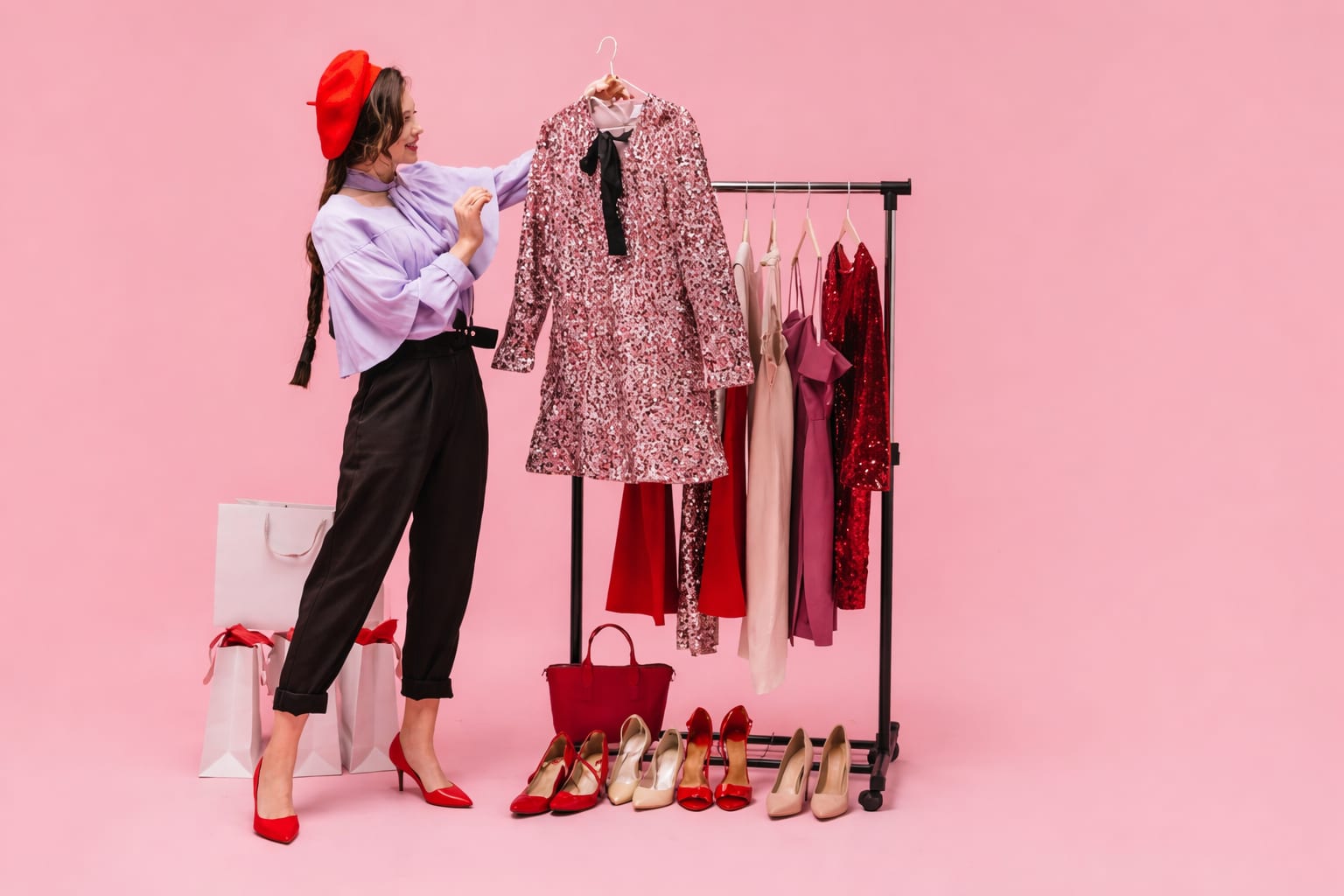
Keeping old clothes feels emotionally comforting. They represent memories, past sizes, or old identities. However, they block clarity inside the wardrobe. Letting go creates space and confidence.
https://meadowsoutpatient.com/when-clutter-collecting-becomes-hoarding/
14. Style Requires Experimentation
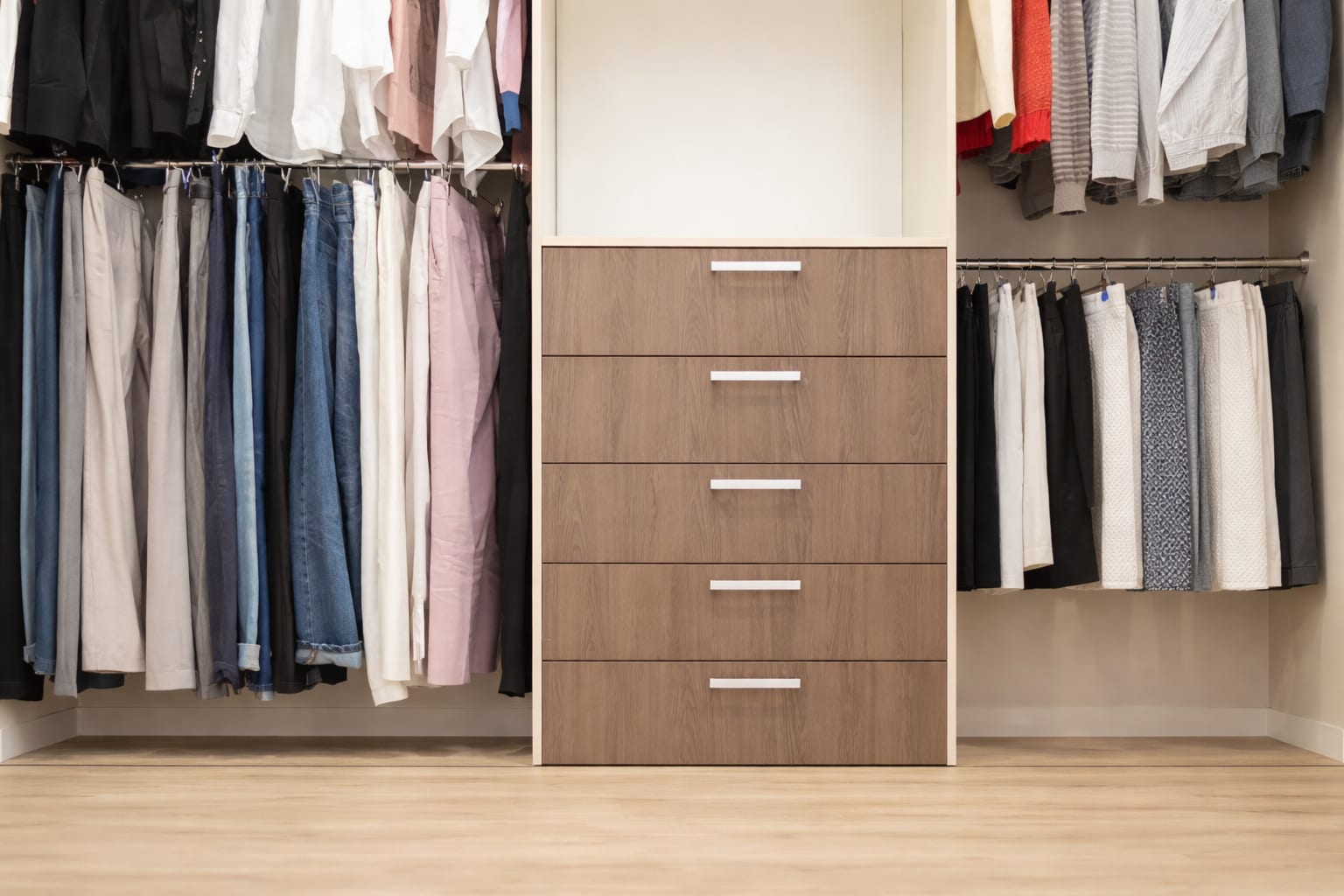
Great style does not happen accidentally. It develops through trial and error. Experimenting builds confidence slowly. Playing with clothes improves creativity.
15. Marie Kondo Was Right About Joy

Not every clothing item sparks joy. Many pieces simply spark guilt instead. If it feels wrong, it probably is. Joy should guide wardrobe decisions.
16. Bargains Are Often Warning Signs

Markdowns feel irresistible. Low prices override common sense. Many discounted items lack quality. Low price often hides poor design.
17. Price Should Not Decide Value

Value comes from wearability, not cost. Expensive regret hurts more than cheap regret. True investment supports multiple outfits. Price alone should never convince you.
18. Basics Can Become Extremely Boring
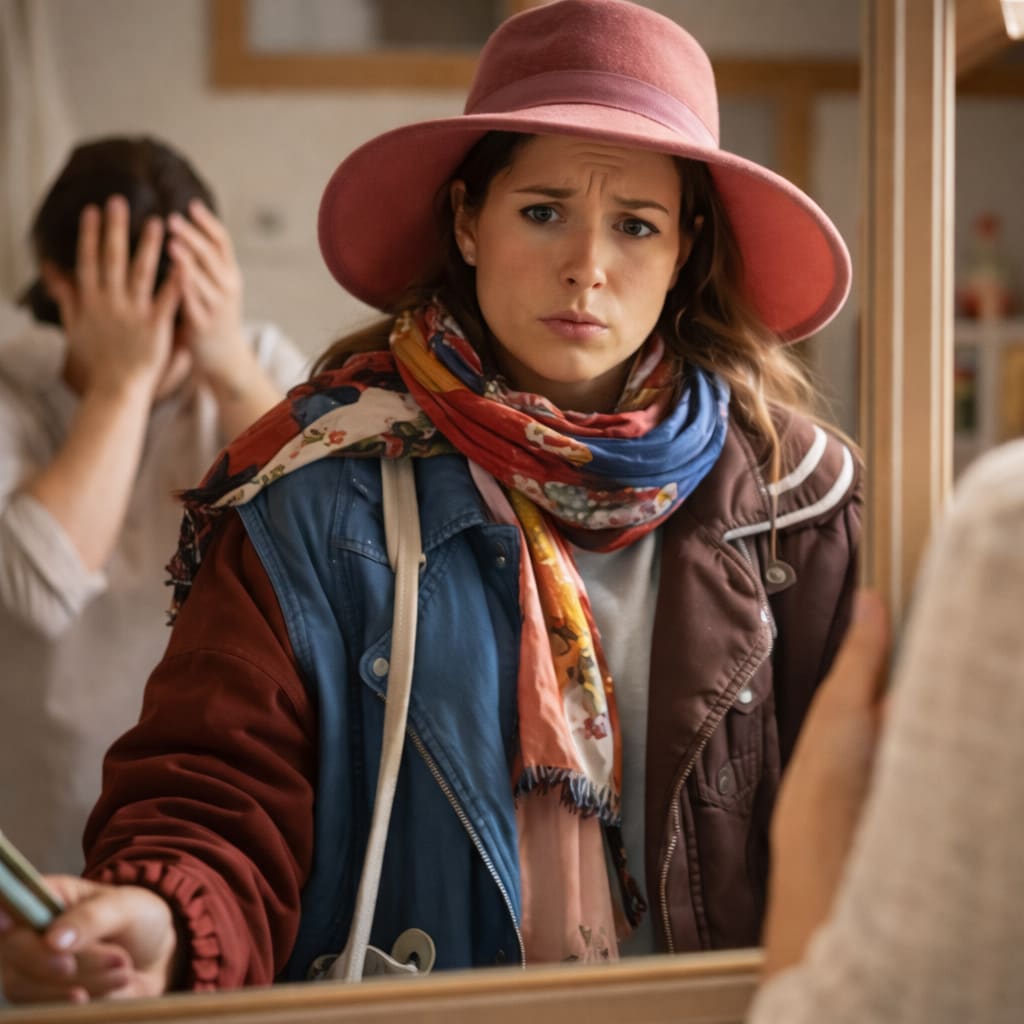
Basics feel safe and practical. Too many basics kill excitement. Outfits start looking repetitive and dull. Balance is essential for interest.
19. “I’ll Fit Into It Again” Is a Trap
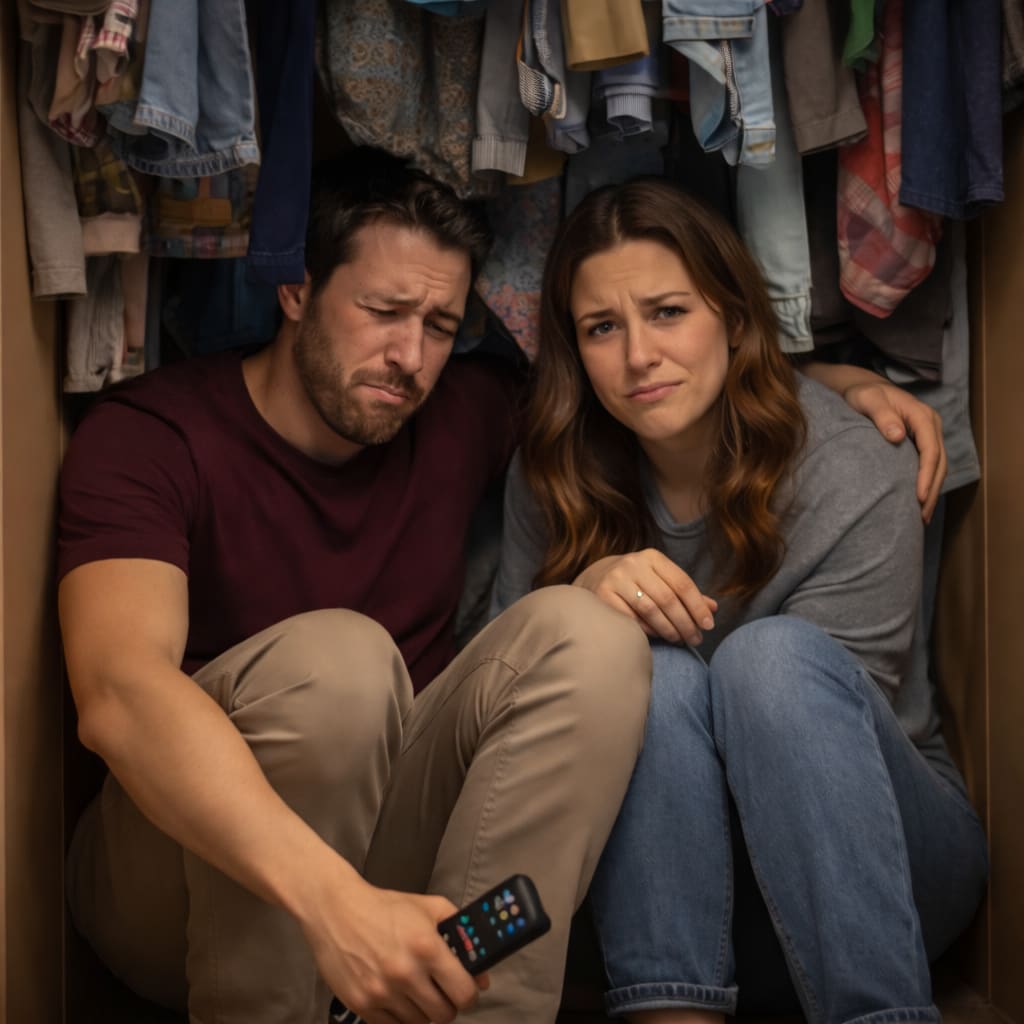
Keeping clothes for future sizes feels logical. In reality, styles lose appeal over time. Even if they fit, they feel outdated. Present comfort matters more than past goals.
20. Sentimental Clothes Hijack Closet Space
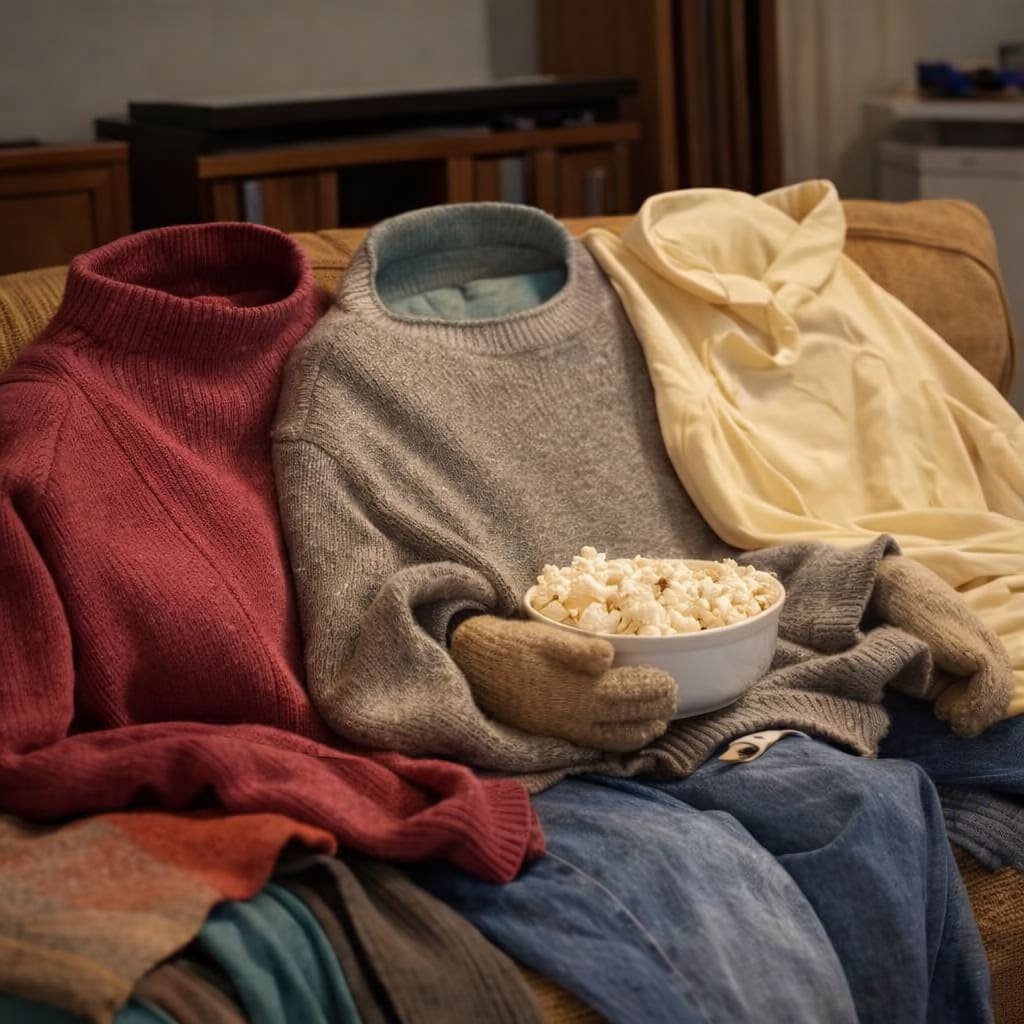
Some clothes carry emotional attachment. They remind you of moments, not outfits. These items belong in keepsake storage. Not inside the daily wardrobe space.
21. Your Closet Costs More Than You Think

Closets often hide financial regret. The total cost could equal a house deposit. Impulse shopping slowly drains your budget. You only realise this during cleanouts.
22. A Small Closet Makes Everything Harder

Limited space increases visual chaos. Clothes overlap, hide, and wrinkle easily. This makes everything look unwearable. Space improves perception instantly.
23. Your Closet Needs Colour and Texture

Colours create energy inside outfits. Prints and textures add personality. A neutral-only wardrobe limits creativity. Style needs variety to feel alive.
24. A Full Wardrobe Still Feels Empty
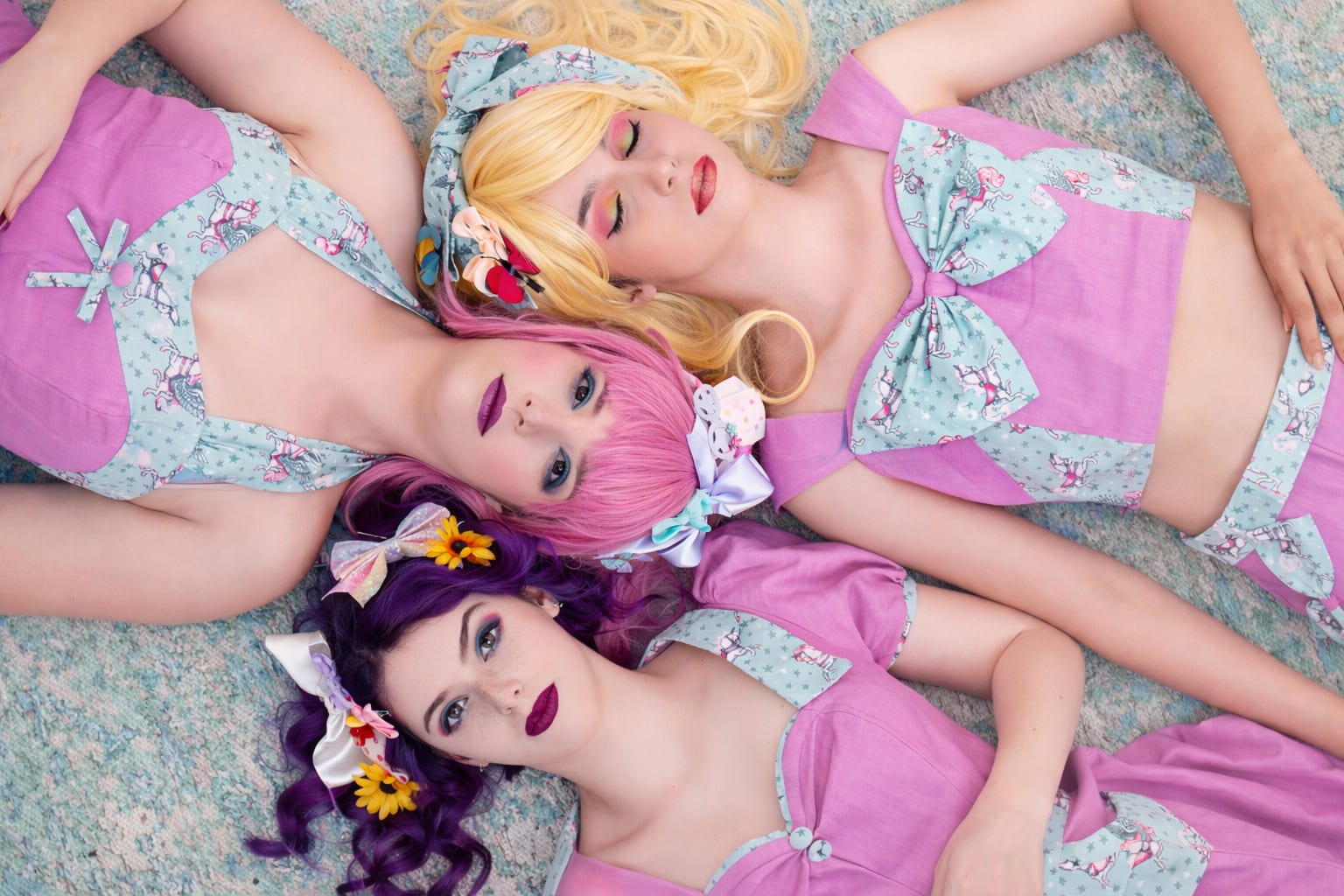
A full wardrobe does not guarantee satisfaction with outfits. The brain struggles when too many clothing options appear. This creates decision fatigue instead of confidence. The result is feeling overwhelmed rather than stylish.