Why Do Humans Talk to Pets Like They Understand Everything?
By Maham · Animals · 2025-12-18
Humans have a natural tendency to talk to animals every single day. Dogs, cats, and other pets are often treated like family members. People greet their pets, share feelings, and ask about their day. This habit may look strange, but it is extremely common worldwide. Humans talk to pets at home, during walks, and even in public. They do not expect clear answers, yet they keep talking anyway. This behavior illustrates the profound emotional attachment humans can have to animals. Pets become companions, listeners, and silent emotional supporters. Talking to pets reflects human psychology more than animal ability. It reveals emotional needs, bonding instincts, and social behavior.
01. Why Do Humans Talk to Animals If They Can’t Understand?

Humans naturally assign thoughts and emotions to animals they love. This tendency helps people feel emotionally connected and understood. Pets are seen as social companions rather than simple animals. People often imagine animals understand tone, mood, and feelings. Talking creates comfort, even without real understanding from pets. Humans feel less lonely when animals are treated like listeners. This behavior strengthens bonds between people and their pets.
02. Why Do Humans Talk to Pets Like They Understand Everything?
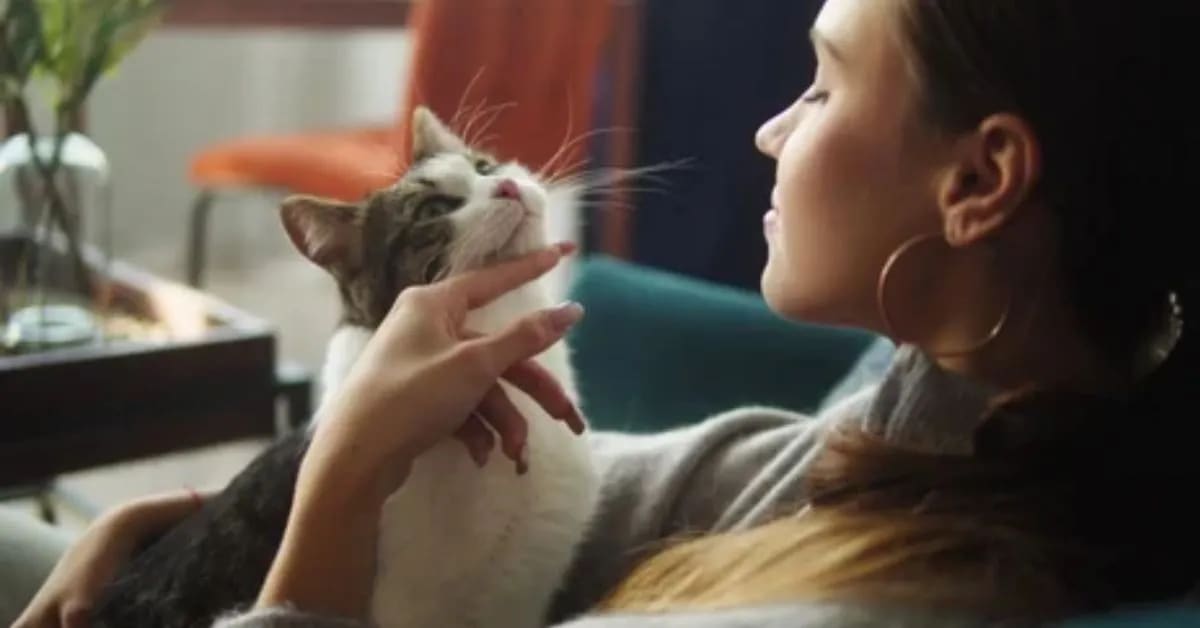
Human beings naturally project their thoughts and meanings onto pets. Talking helps people organize emotions in their daily lives. Pets become emotional outlets without judgment or interruption. Humans feel heard even when pets cannot respond verbally. This creates a strong sense of understanding and emotional relief. Daily conversations with pets become routine and comforting habits. Pets provide emotional stability during stressful or lonely moments.
03. Why Do Humans Talk to Dogs Like Babies?

Dogs and babies trigger similar emotional reactions in humans. Humans use a higher-pitched voice and simpler sentences. Cuteness naturally encourages a nurturing and caring response. Dogs react positively to tone rather than word meaning. This baby-like communication strengthens emotional bonding. Humans instinctively protect and comfort cute, dependent beings. Dogs respond with attention, excitement, and physical closeness.
04. Why Do Humans Like to Keep Pets?

People keep pets for emotional support and companionship. Pets provide comfort during loneliness and stressful situations. They are often considered important members of the family. The bond is built on love, trust, and shared routines. Pets offer unconditional affection without judgment or expectations. Humans feel responsible, needed, and emotionally fulfilled. This connection improves mental and emotional well-being.
05. Why Do Humans Like to Pet Everything?

Touch is a basic human instinct linked to comfort. Petting animals reduces stress, anxiety, and emotional tension. Physical contact releases calming chemicals in the brain. Animals often enjoy touch and respond positively to it. This mutual response strengthens emotional bonds. Humans feel relaxed when interacting physically with animals. Petting becomes a soothing and repetitive comfort habit.
06. Do Animals Actually Understand Human Language?
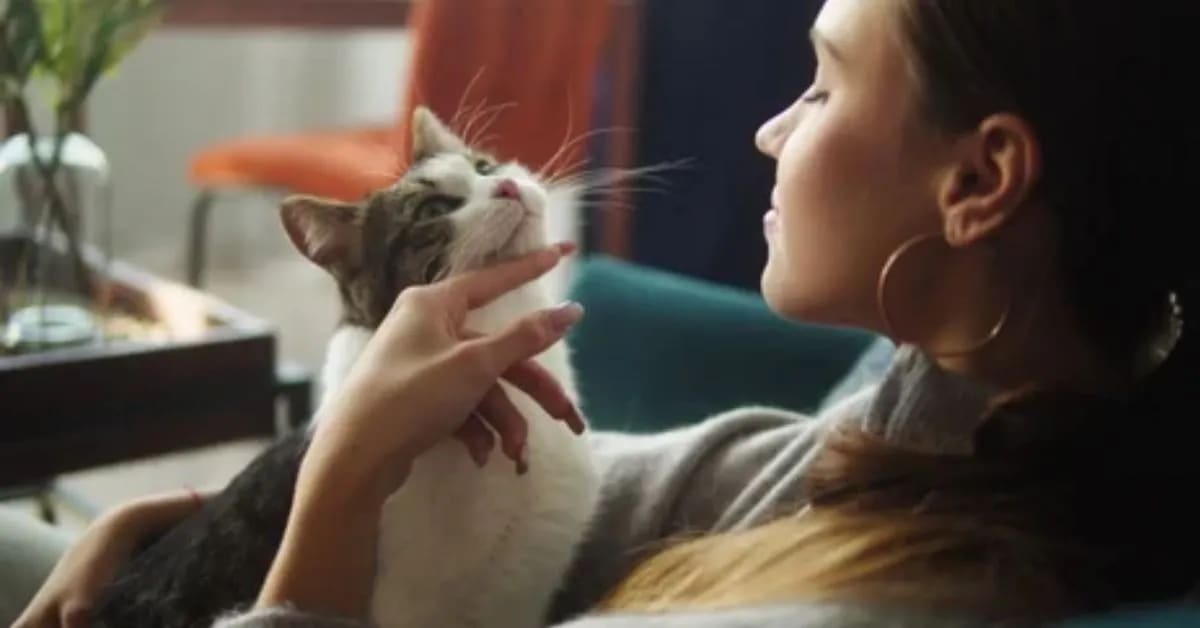
Dogs can recognize familiar words and emotional tone. Research shows parts of their brains process language sounds. Dogs respond more to tone than specific word meanings. They associate words with actions, rewards, or emotions. Understanding is limited, but recognition is clearly real. Cats respond differently, often reacting to tone and routine. Animals learn patterns rather than full language comprehension.
07. What Psychology Says About Talking to Pets
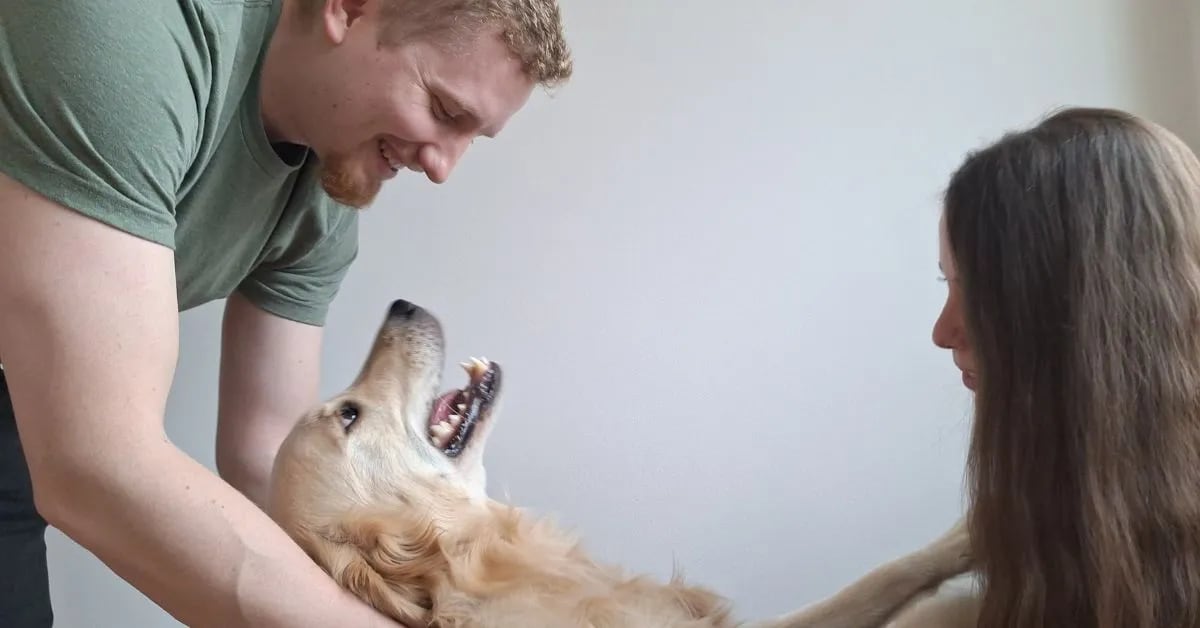
Anthropomorphizing is a natural psychological process in humans. Humans imagine a mind behind pet behavior and reactions. This helps people predict actions and feel emotionally safe. Experts link this behavior to emotional intelligence. Talking to pets shows empathy, awareness, and social thinking. It is not childish or foolish behavior. Psychology considers it a healthy emotional expression.
08. Are One-Sided Conversations with Pets Really One-Sided?
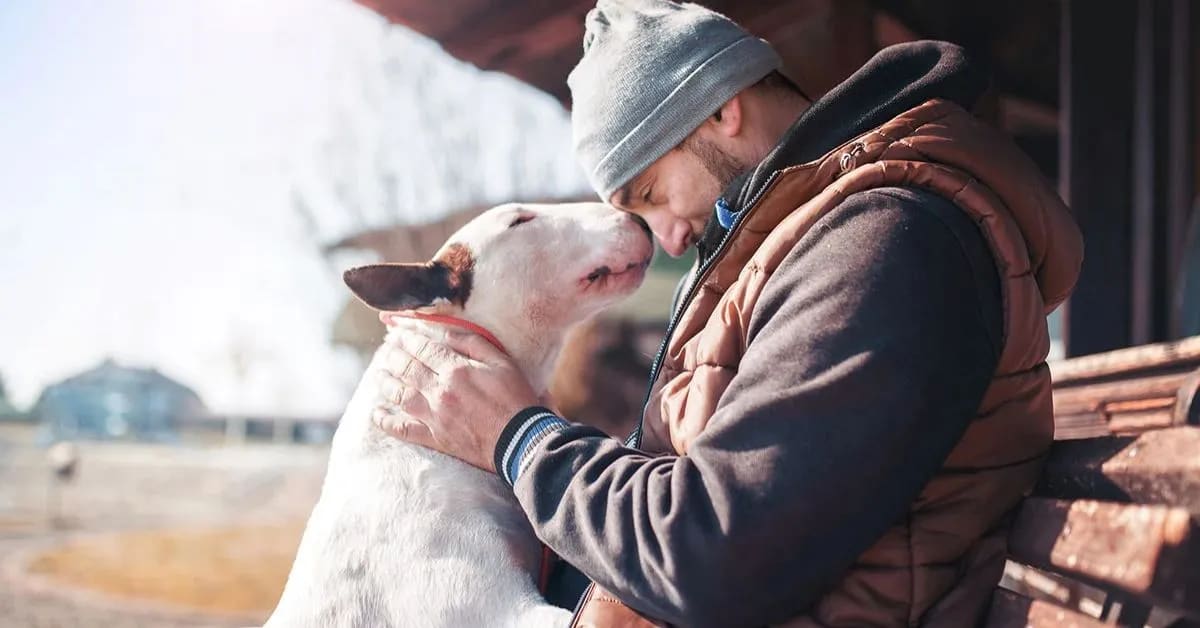
Pets react through sounds, gestures, and eye contact. These reactions form a simple communication system. Dogs tilt heads, wag tails, or move closer. Cats respond with meows, blinking, or body language. Humans interpret these reactions as meaningful responses. Even silent reactions strengthen emotional bonds deeply. Communication becomes mutual without spoken language
09. Fun Facts About Humans Talking to Pets

Talking to pets is linked to higher emotional intelligence. Humans often speak more honestly to animals than to people. Pets never interrupt or judge emotional expressions. This behavior helps reduce loneliness and daily stress. Many people practice conversations with their pets. Pets become silent emotional therapists at home.
10. Strange but True Facts About Human–Animal Bonds

Dogs understand human emotions through tone and expressions. Cats change their meows to communicate with humans. Humans also talk to plants, laptops, and objects. This behavior reflects human creativity and emotional depth. Pets strengthen emotional health without using words. Talking to animals is simply a very human behavior.
11. Humans’ Instinct to Anthropomorphize Pets

Humans naturally anthropomorphize animals, attributing human-like qualities to them. It’s not uncommon for someone to talk to a dog as though it understands complex emotions. This psychological tendency helps strengthen the bond between humans and pets. By treating animals like little humans, people feel more emotionally connected to them. This tendency is deeply rooted in the way humans perceive the world. In many ways, it’s a sign of human intelligence and emotional depth.
12. Pets as Emotional Support Systems

Pets offer emotional support without judgment. A dog, a cat, or even a hamster can become an emotional companion to many people. They’re excellent listeners and provide comfort in times of stress. Even though they don’t understand everything, their presence is reassuring. This support helps humans process feelings, whether they’re happy or sad. Pets serve as a calming influence, providing stability in an unpredictable world.
13. How Talking to Pets Eases Stress

Talking to pets can help reduce stress and anxiety. Speaking in a soothing tone brings a sense of calm to people. A gentle voice when addressing pets triggers a comforting response. Engaging with pets can help people release bottled-up emotions. It’s not just about the conversation—it’s about the emotional connection formed. Pets allow a safe space for emotional expression.
14. Talking to Pets Like Humans: Why Do We Do It?
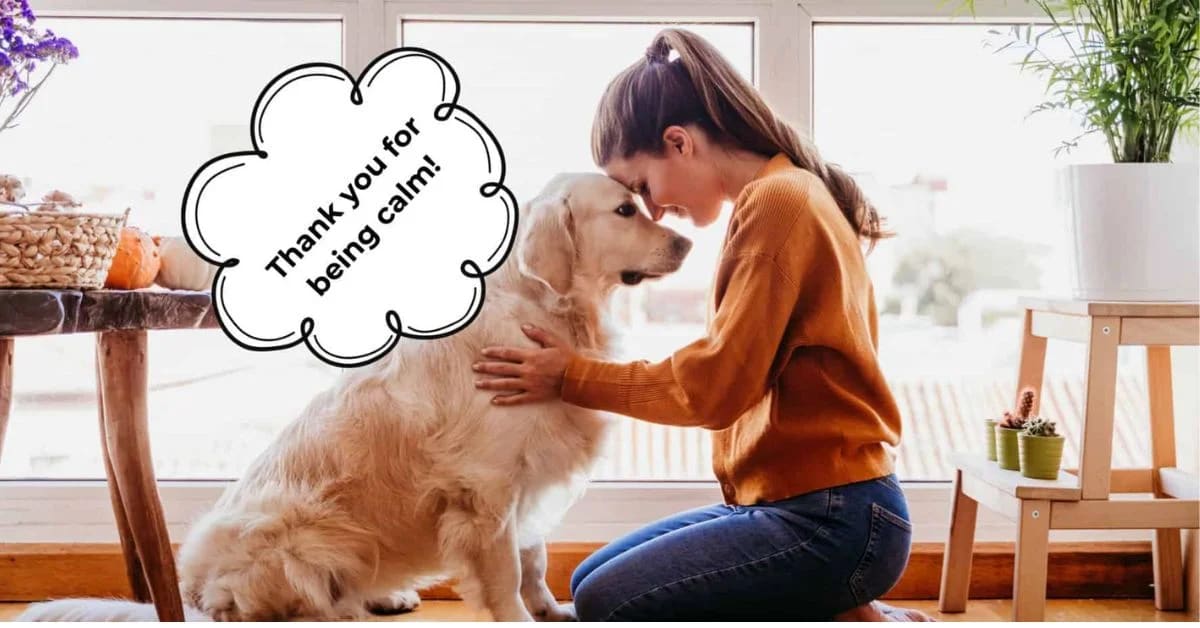
Humans often talk to pets like they’re speaking to another human. It can feel ridiculous to some, but it’s a natural response to bonding. Humans project emotions, thoughts, and even wishes onto their pets. By imagining their pets understand, humans feel less isolated. This behavior is a way of filling emotional gaps in their lives. People desire interaction, even if it’s one-sided.
15. Why We Use Baby Talk with Pets
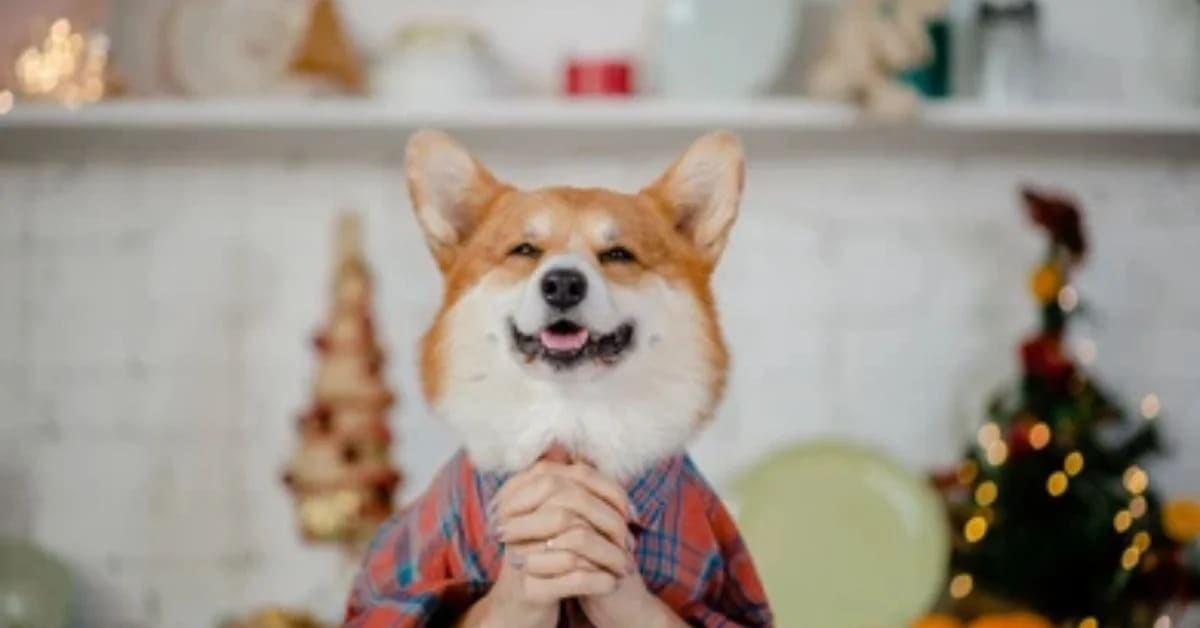
When speaking to dogs and other pets, humans often use baby-like talk. The higher-pitched voice triggers an instinctive nurturing response. Just like we talk to babies, pets respond positively to these tones. It strengthens the emotional connection between humans and their animals. Pets react with wagging tails, purring, or even playful actions. This baby talk creates a bond that feels almost like parenting.
16. Pets as Family Members

Pets are often viewed as more than animals—they’re family members. They receive love, care, and attention just like any human relative. Humans consider pets an integral part of their household. They share their lives, and their pets respond with affection. This relationship is built on trust, love, and mutual respect. The bond humans share with their pets is unspoken but deeply felt.
17. Why Humans Pet Everything They Can
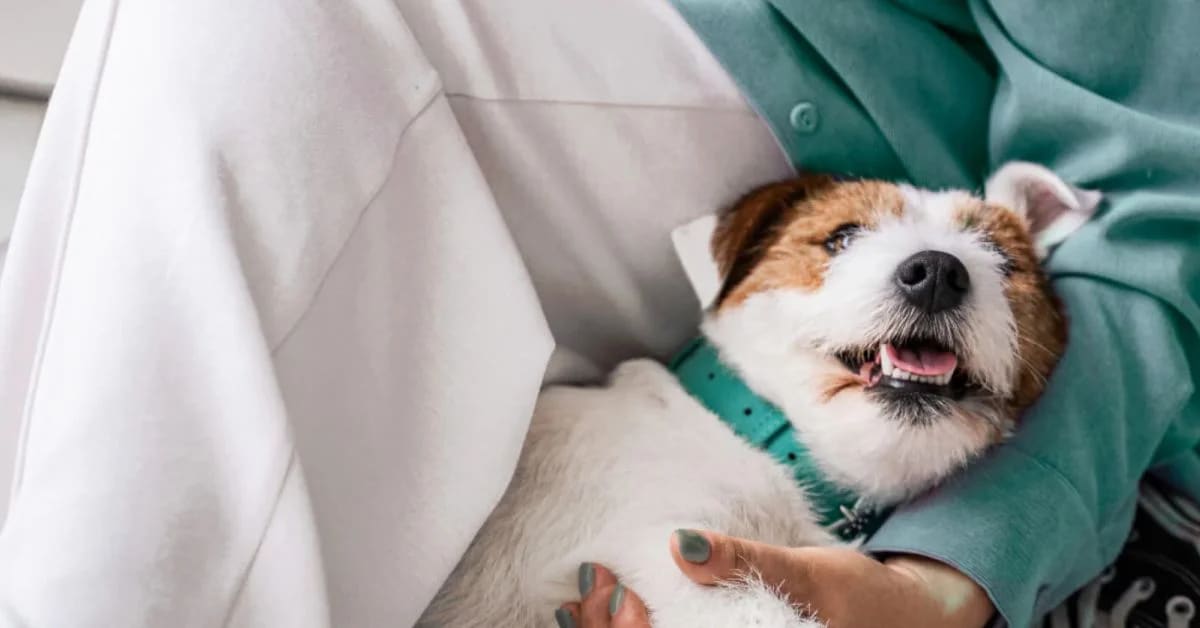
Humans have a strong instinct to pet animals, even random creatures. Touch triggers a comforting feeling that reduces stress. Whether it’s a dog, a cat, or even a pet hamster, humans just want to pet it. It’s not just about the animals—it’s about the calming effect on the human. Pets are the ultimate therapists, offering affection through touch. Humans pet everything from soft fur to scaly skin to feel better.
18. The Power of Words: Dogs and Language

While dogs don’t fully understand human language, they can recognize some words. They can associate words like “sit,” “treat,” and “walk” with specific actions. This recognition is based on patterns rather than deep language comprehension. However, dogs also respond to tone and body language. It’s amazing how much a dog can learn from observing human behavior. Even though they don't understand every word, they’re pretty good at reading the room.
19. How Dogs Respond to Human Emotions
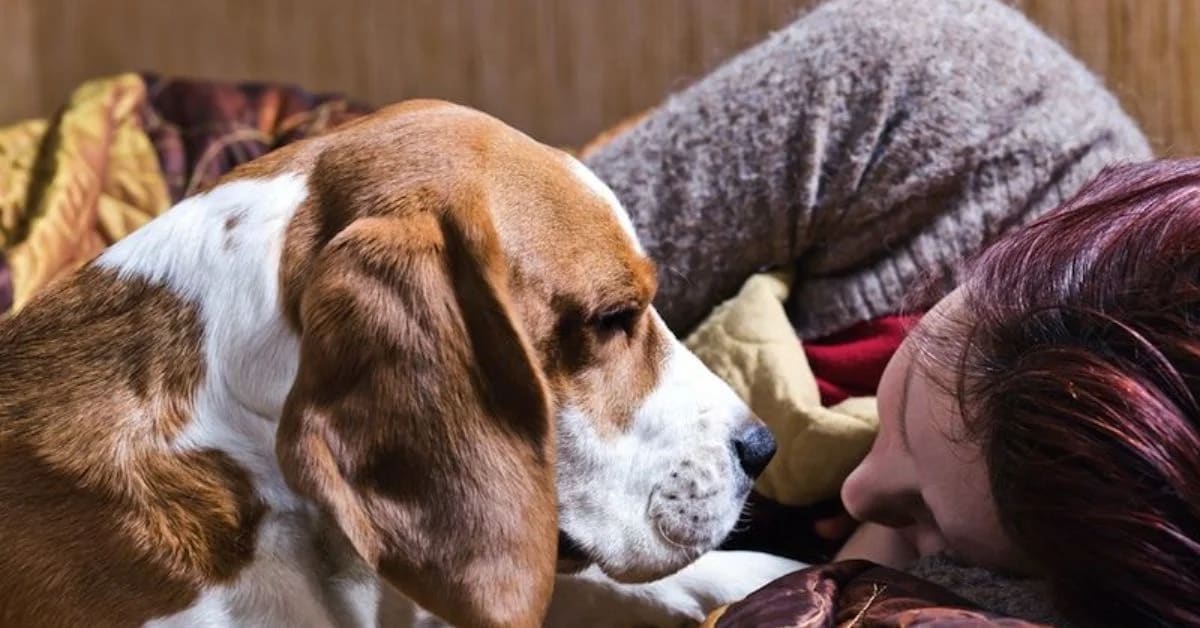
Dogs have an amazing ability to sense human emotions through tone and body language. They can pick up on their owners' sadness, joy, and even anxiety. Dogs often respond to these emotions by offering comfort or companionship. This emotional intelligence makes them the perfect pet for emotional support. They intuitively know when to offer affection or when to just be present. Humans feel understood because their dogs recognize their emotions.
20. Why Humans Talk to Pets When Lonely

People who feel lonely often talk to their pets for comfort. Pets provide a sense of companionship that alleviates feelings of isolation. Talking to a dog or cat feels less lonely than talking to empty space. People don’t expect their pets to reply, but just hearing their voice is soothing. Pets act as a substitute for human interaction, providing emotional relief. For many, pets are the perfect therapy for loneliness.
21. Why Talking to Pets Enhances Human Communication Skills
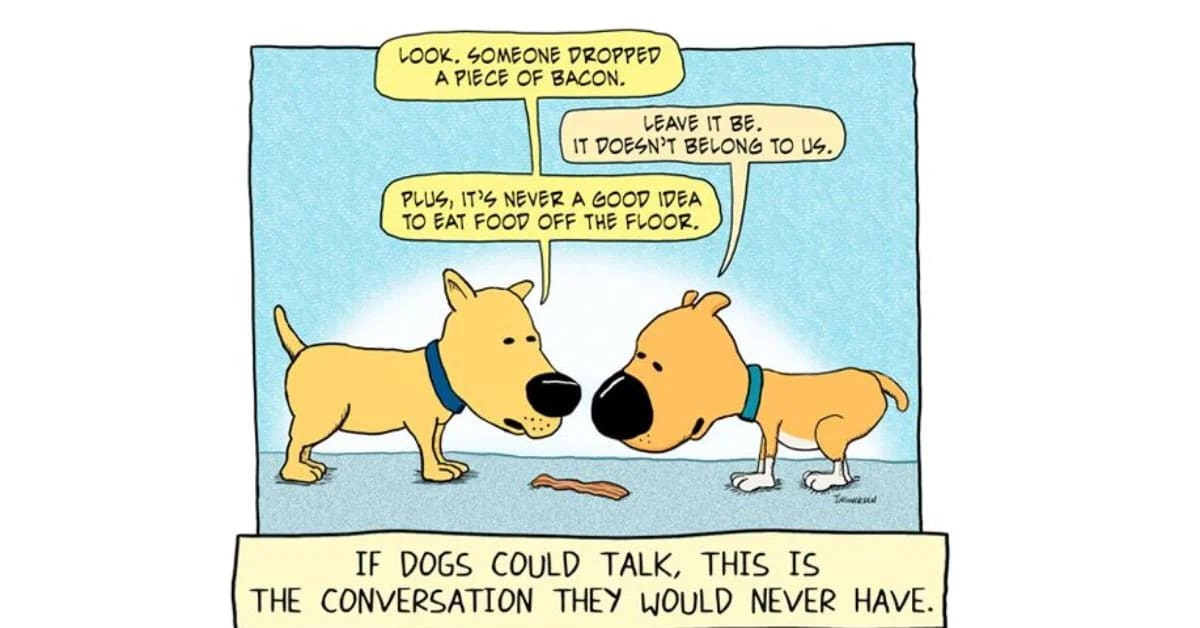
Talking to pets can actually improve a human’s communication skills. It helps humans practice clear speech, tone modulation, and non-verbal cues. Though pets don’t talk back, humans learn how to communicate better. They get comfortable expressing their emotions in simple, clear words. This practice of speech often translates to better communication with people. It’s a win-win for humans: pets improve their social skills.
22. The Science of Talking to Pets

Research in psychology shows that talking to pets can boost emotional well-being. When humans speak to their pets, their brains release feel-good hormones. These hormones help reduce feelings of stress and anxiety. The calming effects of talking to a pet are scientifically proven. Even though pets may not understand every word, their presence is therapeutic. It’s the act of speaking and connecting that provides the emotional benefits.
23. Humans’ Attachment to Pets: A Psychological Need

Humans develop a psychological attachment to their pets over time. This attachment is much like the bonds humans form with other people. Pets become emotionally necessary for many, especially in times of crisis. Psychologists argue that these bonds fulfill basic emotional needs. Pets offer a unique form of emotional connection that humans deeply crave. The attachment to pets is natural and deeply rooted in human behavior.
24. Humans, Pets, and the Need for Social Connection
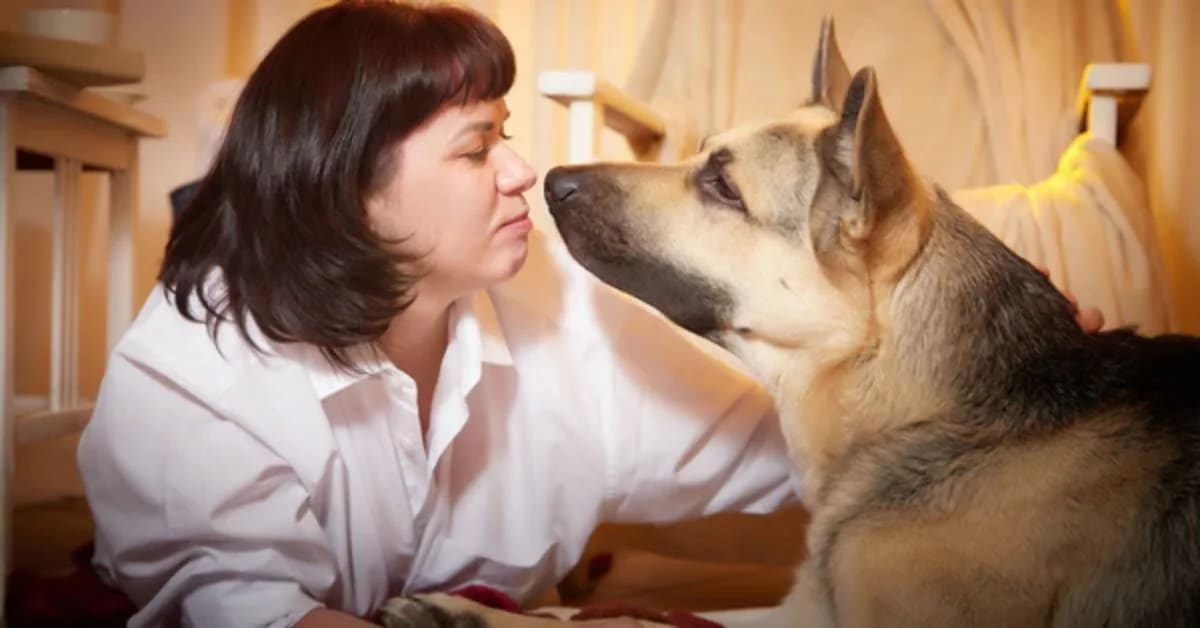
Humans have a social need to connect with others, and pets fulfill that need. Whether it’s a dog wagging its tail or a cat purring on your lap, pets connect people. Humans often treat pets like family members to feel less socially isolated. Pets act as silent partners in conversation, providing the connection that humans need. This connection helps alleviate loneliness and provides social interaction. Humans, like all social animals, thrive on meaningful relationships.
25. Why Talking to Pets Feels Completely Normal

Talking to pets comes naturally to most humans. Pets are always present and emotionally available. Humans form daily communication habits with animals. These habits become comforting routines over time. Pets respond consistently, reinforcing communication behavior. This normalcy reflects strong human–animal bonding instincts.