Why Do Octopuses Have Three Hearts?
By Maham · Animals · 2025-12-22
Octopuses are among the most fascinating creatures in the world's oceans. They appear soft and unusual, yet their bodies are highly advanced. Octopuses possess three hearts, nine brains, and unique blue blood. These rare traits separate them from nearly all other animals. Scientists study octopuses because their anatomy challenges our understanding of biology. Their intelligence, flexibility, and problem-solving skills are remarkable. Octopuses can escape predators through clever strategies and rapid movement. Their internal systems support survival in difficult marine environments. This article explains why octopuses evolved three hearts. It also explores their brains, blood, and extraordinary anatomy.
01. Octopus Anatomy
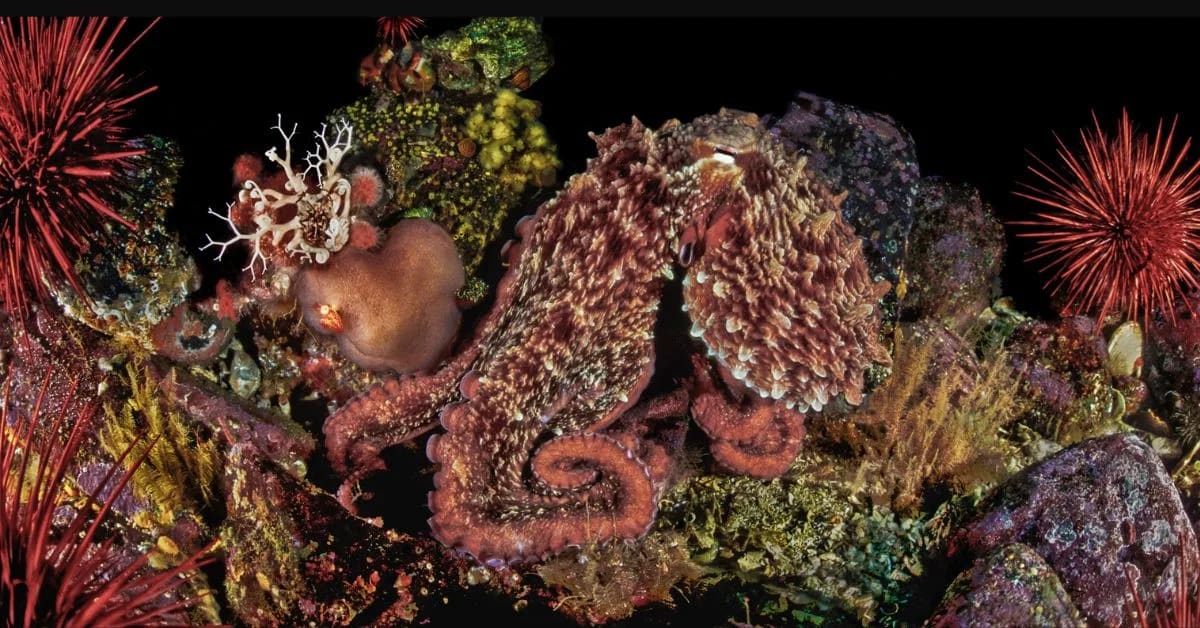
Octopus anatomy differs greatly from human anatomy in many important ways. They lack bones, allowing them to achieve extreme flexibility and shape-changing abilities. An octopus has eight powerful arms instead of legs. Each arm can move, grab, and explore independently. Octopuses also have three hearts and nine brains. This structure allows precise control over movement and behavior. Their soft bodies contain surprisingly strong muscles. Overall, octopus anatomy is perfectly designed for underwater survival.
02. How Many Hearts Does an Octopus Have?
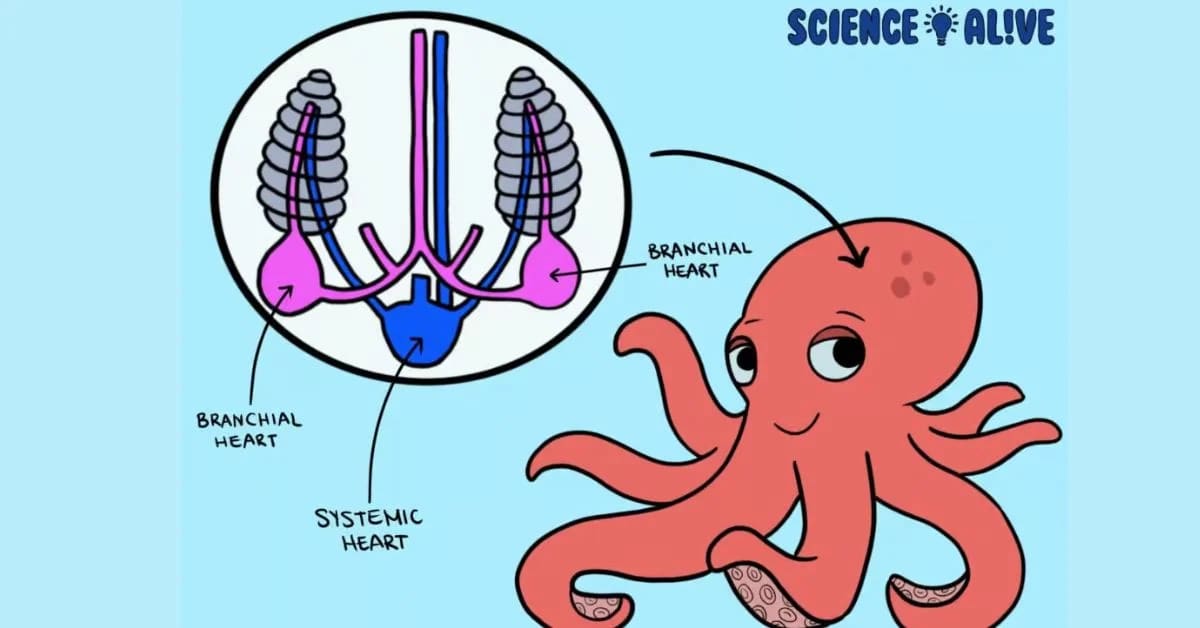
An octopus has exactly three hearts within its body. Two hearts pump blood directly toward the gills. These are known as branchial hearts. The third heart pumps oxygen-rich blood throughout the body. This heart is called the systemic heart. Each heart performs a specific and essential function. Together, they ensure efficient oxygen circulation underwater. This answers the common question: why do octopuses have three hearts?
03. Why Octopuses Need Three Hearts
Octopuses require a lot of energy for daily survival. Their nervous system constantly consumes oxygen to support rapid responses. Eight arms also demand continuous power and coordination. Swimming temporarily reduces the efficiency of the systemic heart. Blood circulation slows when octopuses move rapidly. Additional hearts compensate for this circulation loss. Three hearts maintain oxygen supply during intense activity. This system supports strength, speed, and coordination underwater.
04. Nine Brains: The Octopus Nervous System
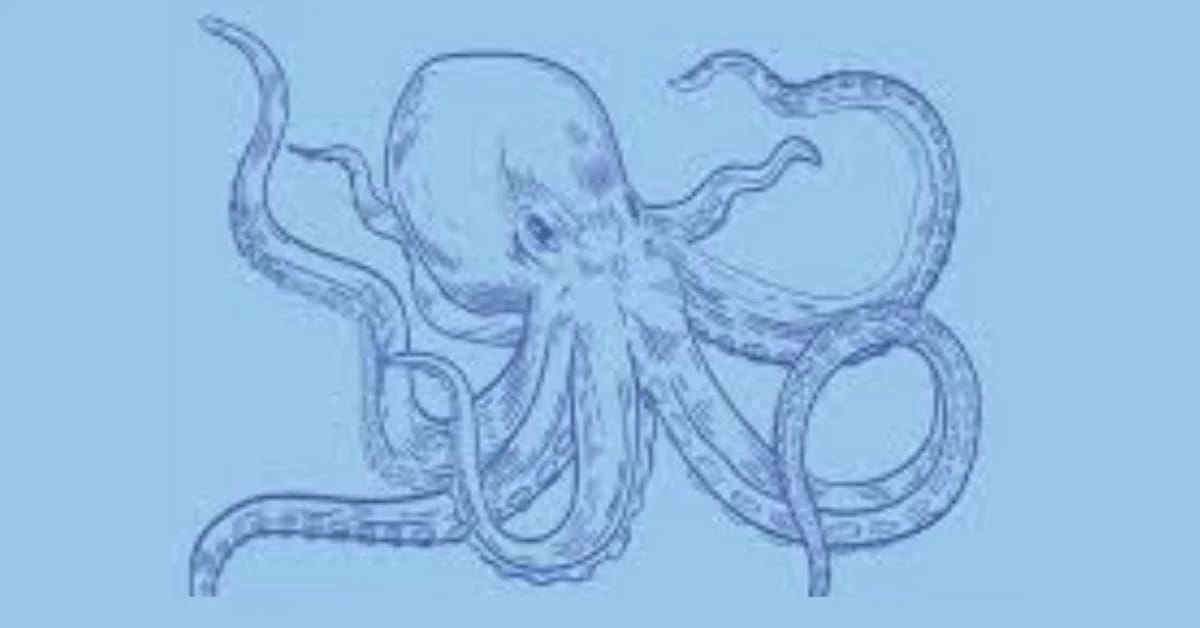
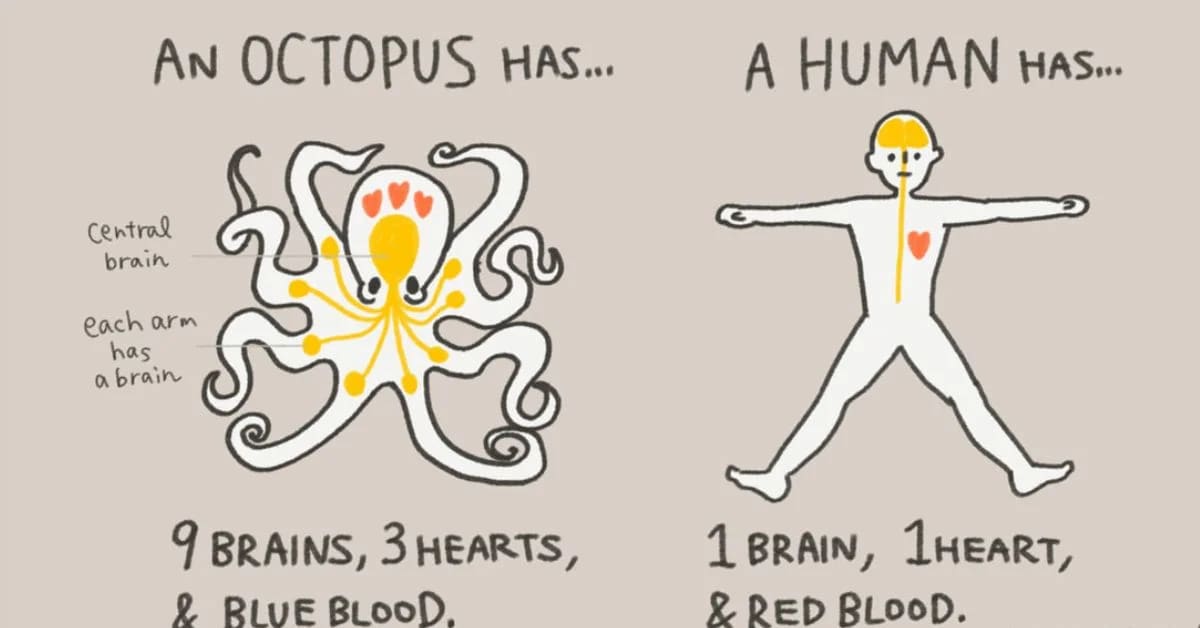
Octopuses possess one of the most complex nervous systems on Earth. They have a total of nine brains controlling their body. Eight small brains are located inside each arm. These mini-brains efficiently control independent arm movements. A central brain coordinates overall body behavior and decisions. Arms can react without waiting for central commands. This allows extremely fast responses to danger. That explains why octopuses have three hearts and nine brains.
05. Tentacles and Suckers: More Than Just Arms
Octopus arms are far more advanced than simple animal limbs. Each arm contains hundreds of sensitive suckers. These suckers can taste, feel, and grip objects firmly. Arms respond instantly to changes in the environment. They assist with crawling across surfaces and rocks. Arms are used for hunting, defense, and mating behaviors. Each arm functions almost independently from the others. This makes octopus movement highly efficient and flexible.
06. Octopus Blood: Why It’s Blue
Octopus blood is blue instead of red. This unusual color is caused by a protein called hemocyanin. Hemocyanin contains copper rather than iron. It carries oxygen less efficiently than hemoglobin. Cold ocean water helps hemocyanin function better. Because oxygen transport is weaker, extra hearts are necessary. Three hearts improve oxygen circulation throughout the body. This explains why octopuses have three hearts and blue blood.
07. Octopus Lifespan and Survival
Most octopus species have very short lifespans in the wild. They usually survive only one to two years. Larger species can live slightly longer than smaller ones. The Northern Giant Pacific Octopus may live up to five years. Despite short lifespans, octopuses learn extremely quickly. Their intelligence improves survival against predators. Strong anatomy supports escape and camouflage abilities. Every adaptation helps maximize their limited lifespan.
08. Fun Facts About Octopuses
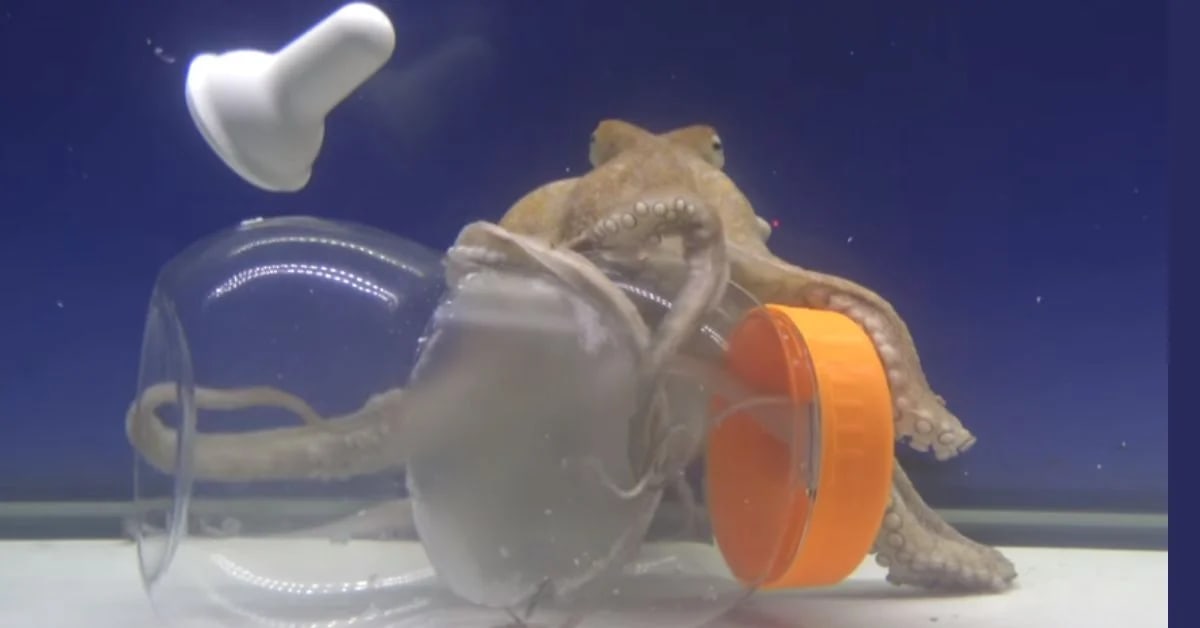
Octopuses are among the smartest animals on Earth. They can solve puzzles and escape complex enclosures easily. Some octopuses can unscrew jar lids. They can recognize individual human faces. Many species instantly change skin color and texture. This ability helps them hide from predators. Some can even mimic other marine animals. Octopuses continue to amaze scientists with their intelligence.
09. Octopus-Inspired Robotics

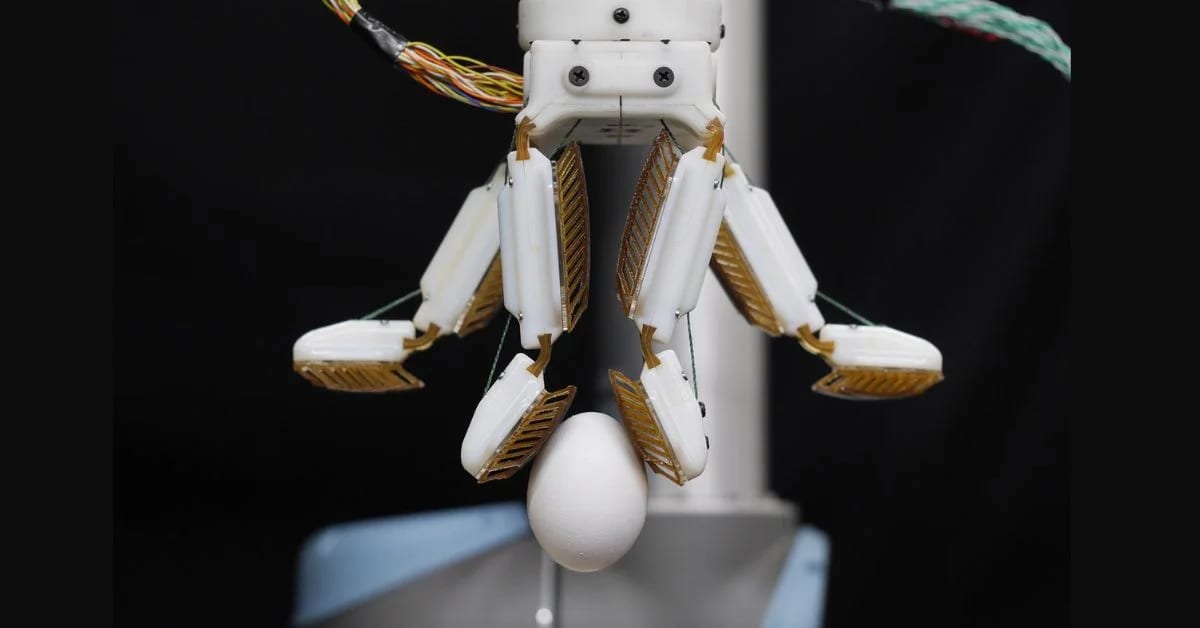
Octopus movement inspires modern robotic engineering innovations. Their arms bend, stretch, and twist effortlessly. Scientists design soft robots inspired by octopus anatomy. These robots can safely explore dangerous or narrow spaces. This scientific method is called biomimicry. Nature provides efficient solutions for engineering challenges. Octopuses offer perfect models for flexible robotics. Their anatomy greatly influences future robot development.
10. Threats to Octopus Anatomy in the Future
Climate change threatens octopus survival worldwide. Ocean acidification significantly reduces hemocyanin oxygen efficiency. This weakens oxygen delivery inside the body. Heart performance may decline under stressful conditions. Rising temperatures reduce the oxygen content of seawater. These changes strain the octopus's circulatory system. Long-term effects may reduce population survival. Protecting oceans is essential for octopus futures.
11. Summary and Key Takeaways
Octopuses have three hearts to support efficient oxygen circulation. Nine brains provide advanced control and rapid reactions. Blue blood suits cold, low-oxygen ocean environments. Their anatomy supports intelligence, flexibility, and survival. Octopuses are truly extraordinary marine animals. They inspire science, robotics, and biological research. Environmental protection is vital for their future. Octopuses represent one of nature’s greatest biological designs.
12. Meet the Mysterious Octopus
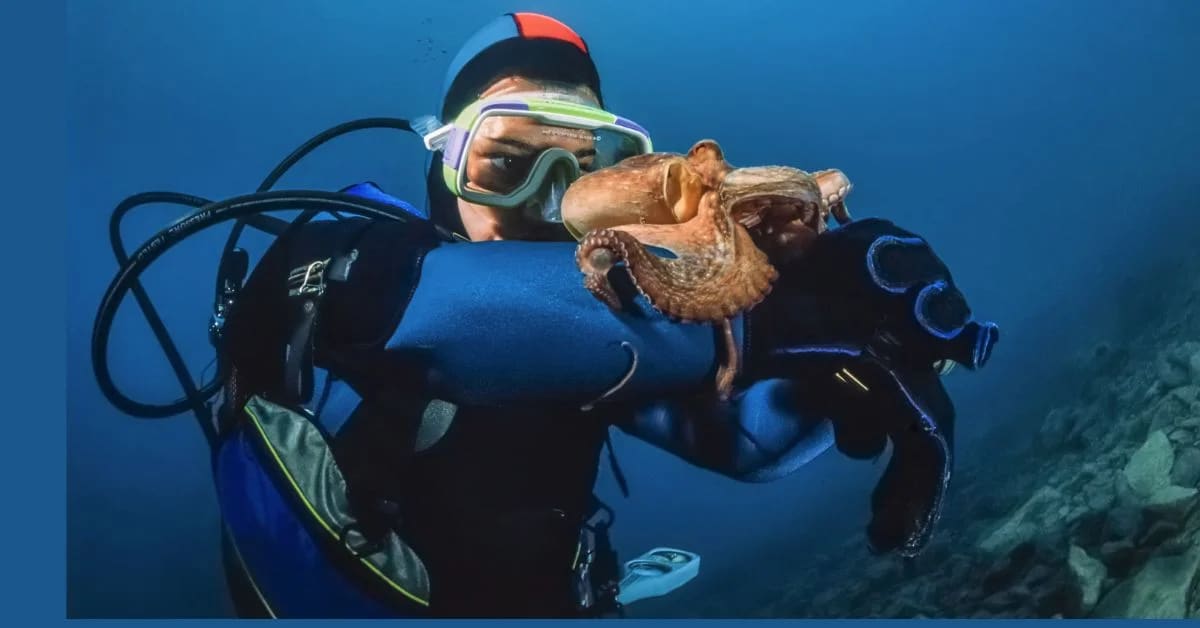
Octopuses are mysterious sea creatures known for their strange appearance. They look soft and playful, yet they are extremely intelligent. Their bodies work very differently from most animals. Scientists find them fascinating because of their unusual organs. One of their strangest features is having three hearts. This unique design helps them survive underwater. Understanding octopuses helps us better understand ocean life.
13. A Body Without Bones
Octopuses do not have any bones inside their bodies. This allows them to squeeze through very small spaces. They can escape predators using this flexibility. Their soft bodies help them hide easily. Even tiny gaps are not a problem for them. This ability makes them excellent survivors. Their unusual body shape supports their active lifestyle.
14. The Three-Heart System Explained
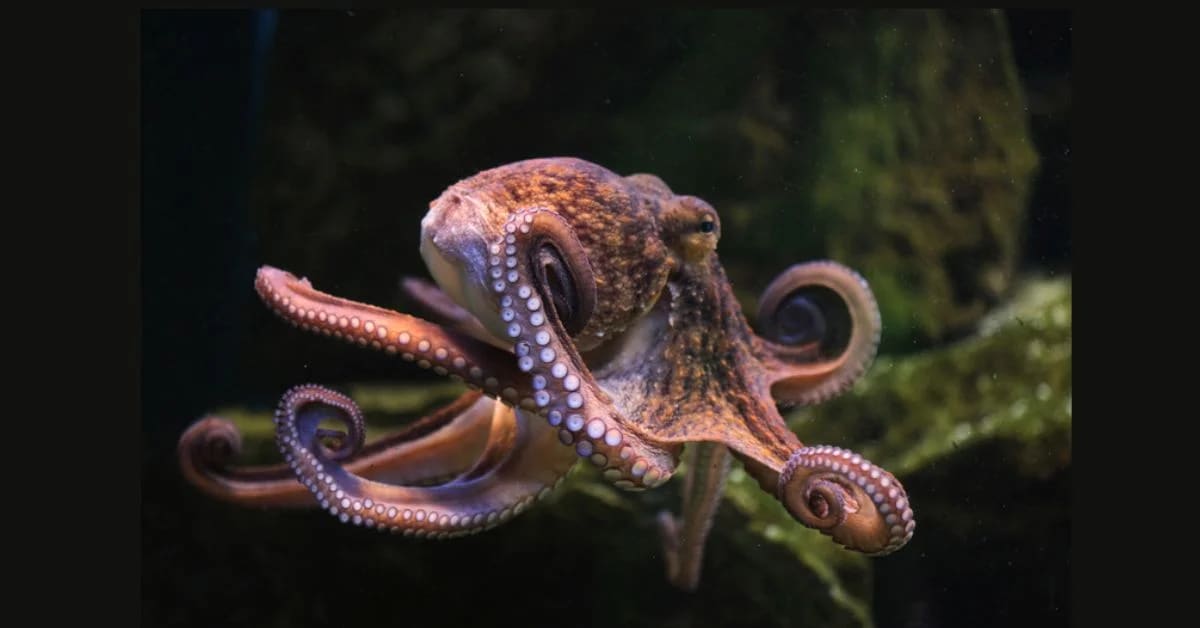
An octopus has three hearts working together at once. Two hearts send blood to the gills for oxygen. The third heart moves oxygen-rich blood to the body. Each heart has a different task. This system works perfectly underwater. It ensures their muscles receive enough energy. Without three hearts, octopuses would struggle to survive.
15. Why One Heart Is Not Enough
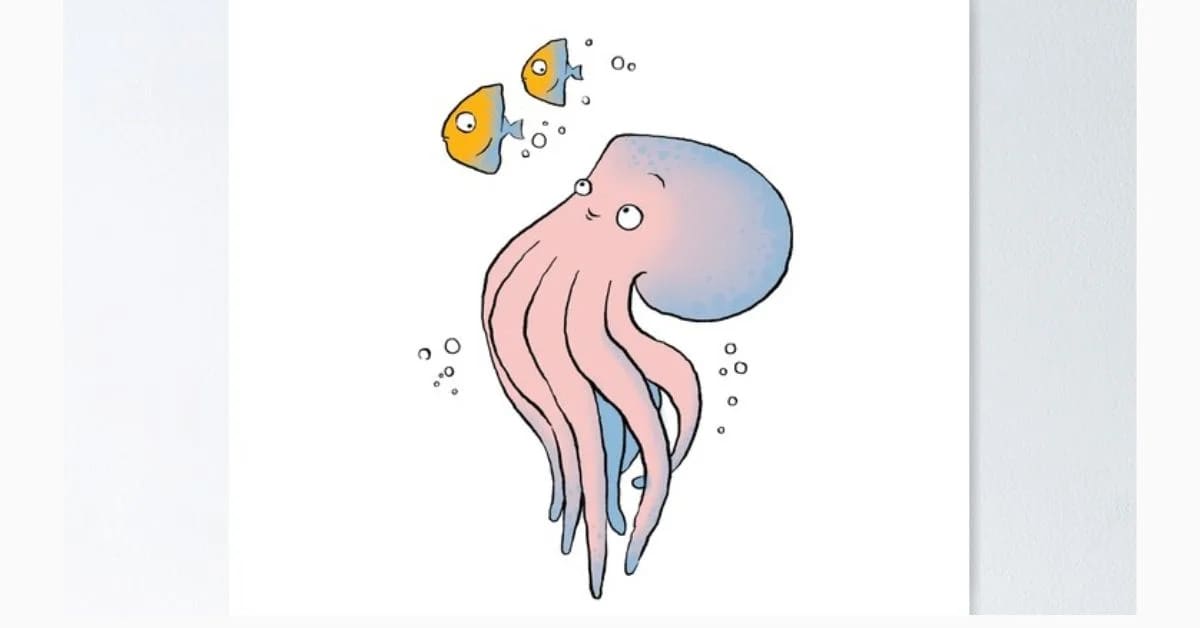
Octopuses use a lot of energy while moving. Their arms and brains constantly need oxygen. Swimming makes the heart slow down. Extra hearts solve this problem efficiently. Blood continues flowing properly even during movement. This keeps the octopus active and alert. Their heart system supports their fast reactions.
16. The Three-Heart System Explained
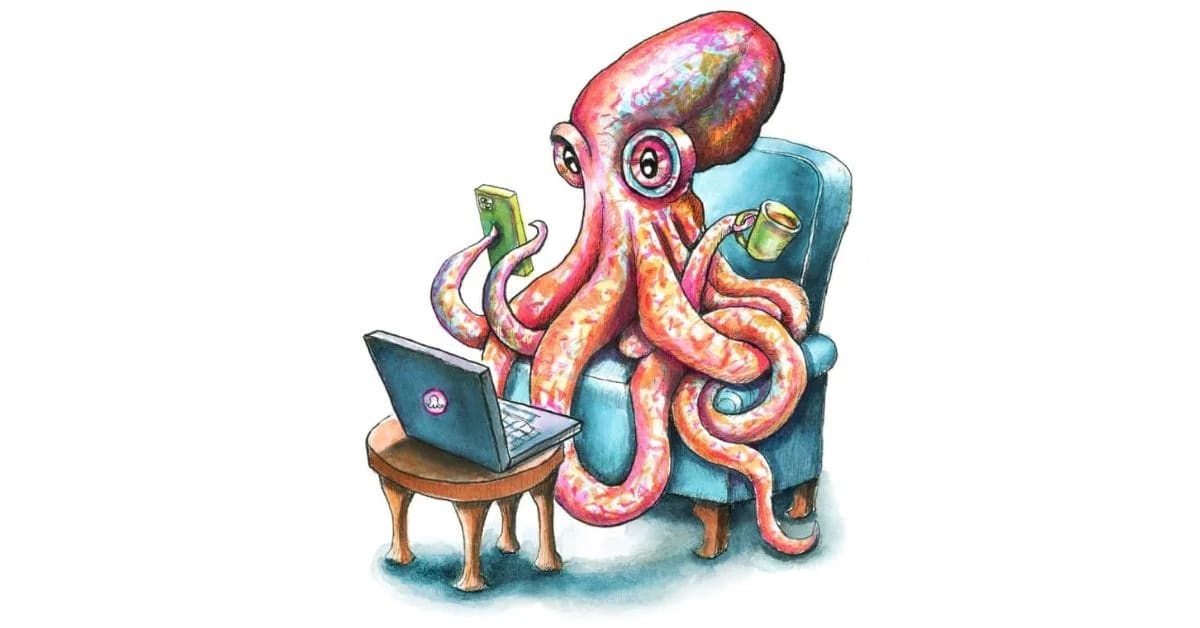
An octopus has three hearts working together at once. Two hearts send blood to the gills for oxygen. The third heart moves oxygen-rich blood to the body. Each heart has a different task. This system works perfectly underwater. It ensures their muscles receive enough energy. Without three hearts, octopuses would struggle to survive.
17. Why One Heart Is Not Enough
Octopuses use a lot of energy while moving. Their arms and brains constantly need oxygen. Swimming makes the heart slow down. Extra hearts solve this problem efficiently. Blood continues flowing properly even during movement. This keeps the octopus active and alert. Their heart system supports their fast reactions.
18. Brains in the Arms
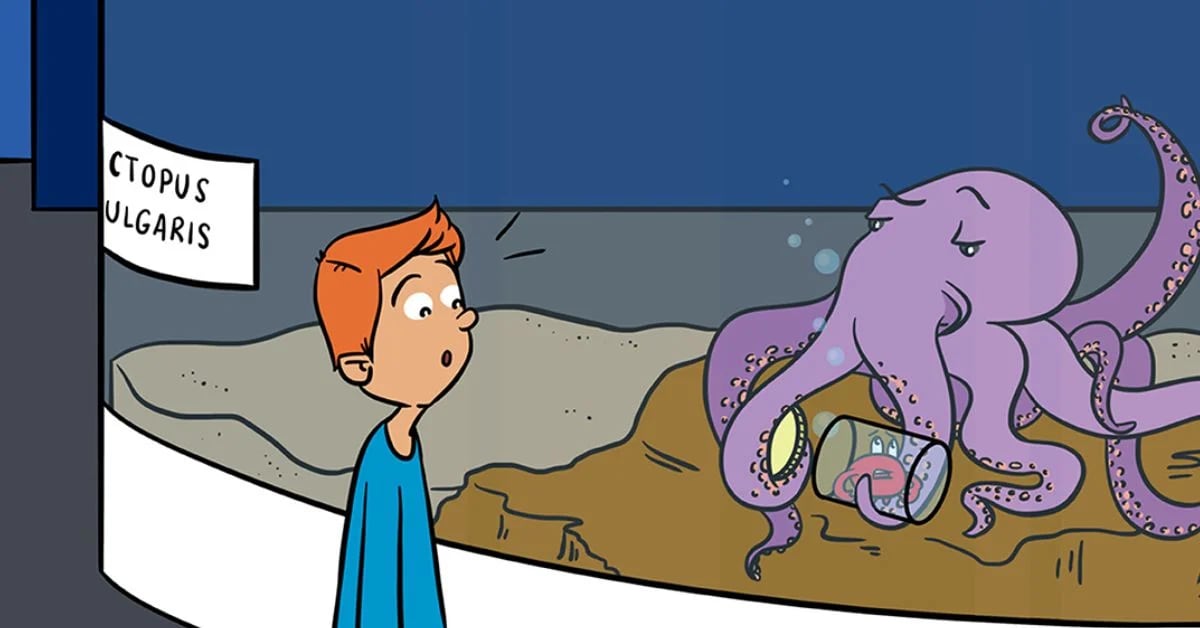
Each octopus arm has its own mini brain. These brains control movement independently. Arms can react without asking the main brain. This allows quick and smart responses. An arm can grab food alone. This system improves coordination greatly. It also makes octopuses excellent hunters.
19. The Central Brain’s Role
Besides having an arm brain, octopuses have a central brain. This brain controls decisions and behavior. It manages learning and memory. The central brain connects all arms together. It helps plan complex actions. This setup increases intelligence. Octopuses can solve puzzles using their brains.
20. Arms That Taste and Feel
Octopus arms can taste and feel objects. Their suckers are extremely sensitive. They explore their surroundings using touch. Arms help locate food easily. This sense works better than eyesight sometimes. Their arms act like hands and tongues. This makes interaction with objects very effective.
21. Blue Blood Surprise
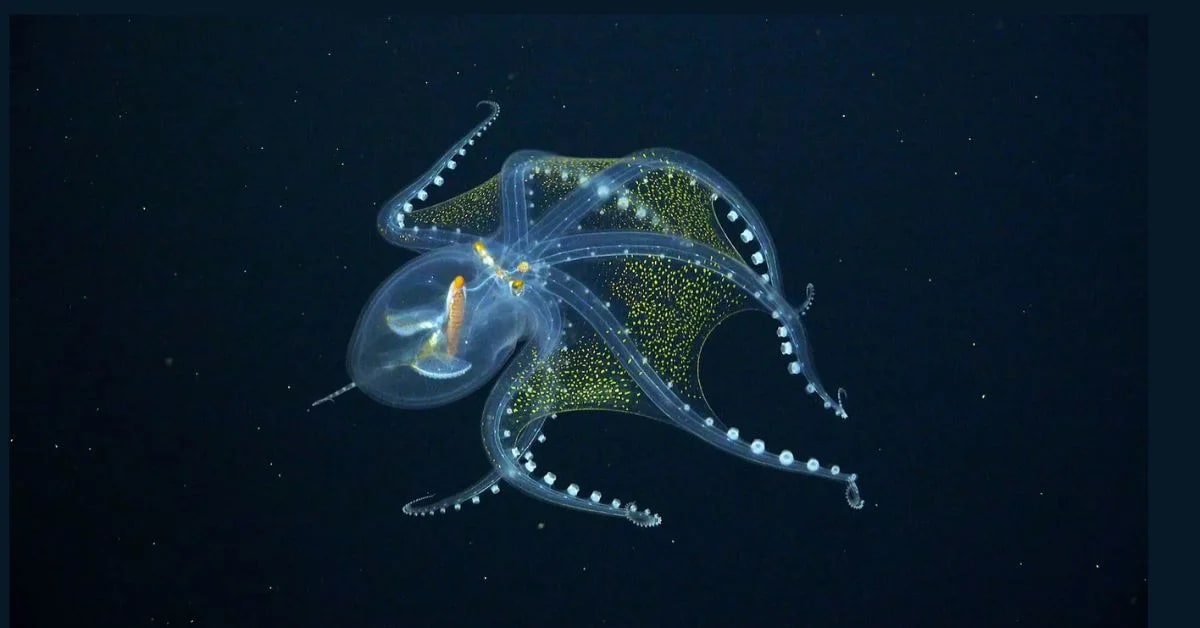
Octopus blood is blue instead of red. This color is due to a copper-based protein. The protein carries oxygen in cold water. It works best in deep oceans. However, it carries oxygen less efficiently. Extra hearts help solve this problem. Blue blood supports life in extreme conditions.
22. Life in Cold Oceans
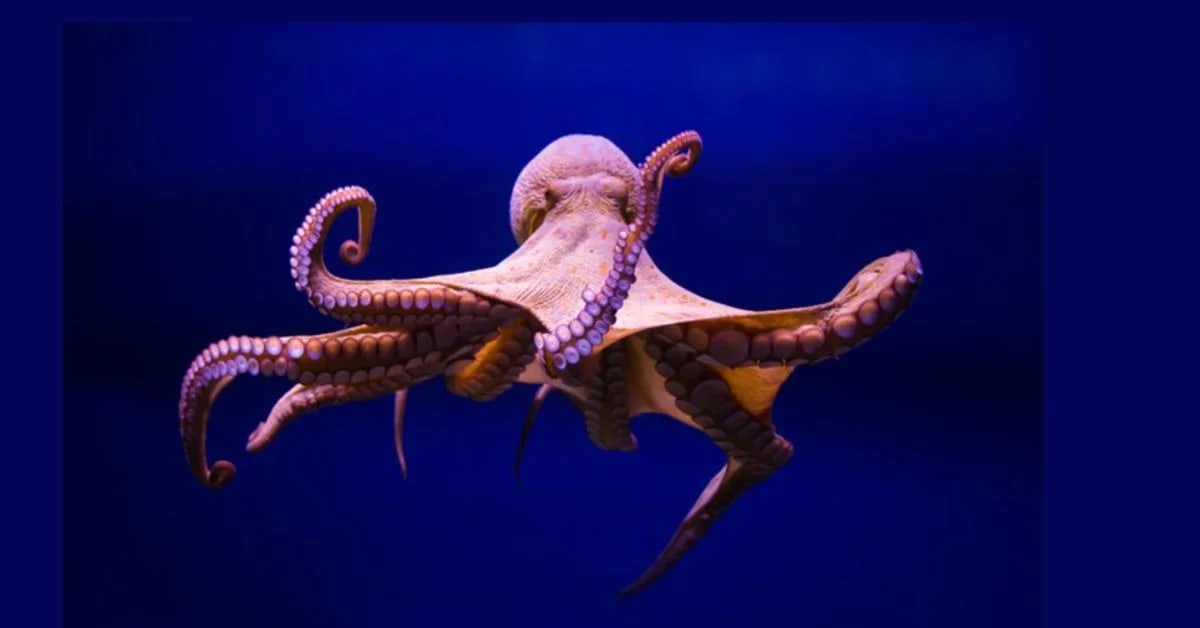
Many octopuses live in cold ocean waters. Cold environments have less oxygen. Their special blood helps them survive there. Three hearts keep oxygen moving efficiently. This adaptation is very important. Without it, survival would be difficult. Their bodies are built for harsh environments.
23. Short but Intense Lifespan
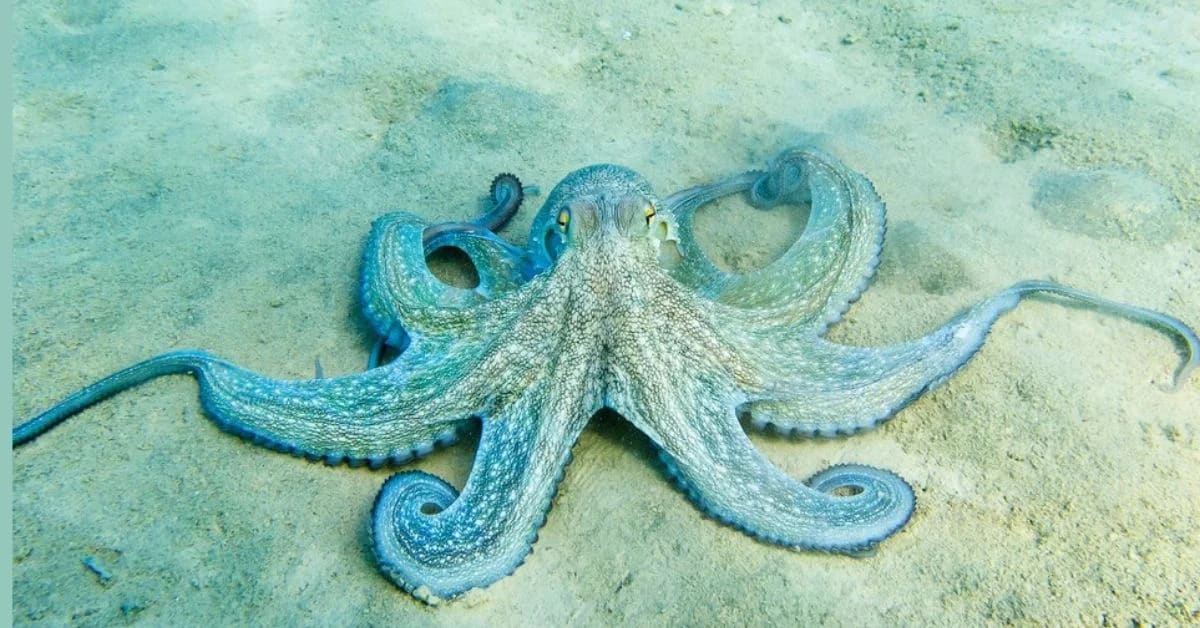
Most octopuses live only one or two years. Larger species live slightly longer. Despite short lives, they learn quickly. They grow fast and adapt fast. Their intelligence develops rapidly. Every moment is important for survival. Their bodies are designed for intense living.
24. Masters of Camouflage
Octopuses can change color instantly. They also change skin texture. This helps them blend into their surroundings. Camouflage protects them from predators. It also helps during hunting. This ability is controlled by their nervous system. Their brains and skin work together perfectly.
25. Problem-Solving Champions

Octopuses are excellent problem solvers. They can open jars easily. They remember solutions to puzzles. Some recognize human faces. Their intelligence often surprises scientists. They learn through observation. This makes them unique among sea animals.