20 Beauty Facts That Made Me Question Everything
By Mohsin Rasheed · Beauty · 2026-01-07
20 Beauty Facts That Will Make You Question Everything
The beauty industry is worth hundreds of billions of dollars globally — built on the promise of improvement, transformation, and scientific innovation. But embedded in its history and present are facts that range from surprising to shocking to genuinely bizarre. Whether you're a beauty enthusiast or a skeptic, these 20 facts will change how you think about cosmetics, skin care, and the industry that sells them.
1. Ancient Egyptians Invented Eye Makeup — And It Was Medical
Kohl, the dark eye liner used by ancient Egyptians, was originally worn not for vanity but as sun protection and as a prophylactic against eye disease. Lead compounds in kohl were found to stimulate the immune system's response to bacterial eye infections — the ancient Egyptians stumbled onto an effective medical treatment through cosmetic practice. Beauty and medicine were inseparable in ancient Egypt in ways that modern science is only beginning to appreciate fully.
2. Lipstick Has Been Worn for Over 5,000 Years
The oldest known lipstick is approximately 5,000 years old, found in an ancient Sumerian tomb. Ancient Mesopotamian women ground semi-precious stones to dust and applied them to their lips. Throughout history, lip color has been worn by ancient Egyptians, Greeks, Romans, and Elizabethans — sometimes made from crushed insects, berries, tar, and toxic lead. The desire to color lips appears to be one of the most persistent aesthetic impulses in human history across virtually every culture.
3. The "No-Makeup Makeup Look" Takes More Products Than Regular Makeup
The "natural" look popularized by Korean beauty culture and embraced globally typically requires more products and more technique than a traditional made-up look. Achieving skin that looks radiant, naturally smooth, and effortlessly fresh requires meticulous skin preparation, multiple layered products, strategic highlighting and contouring, and considerable skill at blending. The art of invisible effort is genuinely one of the most technically demanding makeup styles, and it is built on anything but simplicity.
4. Perfume Formulas Are Among the World's Most Guarded Secrets
The formulas of iconic perfumes like Chanel No. 5 are trade secrets protected more carefully than most corporate intellectual property. The original Chanel No. 5 formula, created in 1921, contained 80 aromatic chemicals — an unprecedented number for its era. Perfumers train for years to develop "noses" sensitive enough to distinguish thousands of scent molecules. The formula for Chanel No. 5 has been protected and maintained continuously for over a century, making it one of the longest-running trade secrets in commercial history.
5. Sunscreen Is the Most Effective Anti-Aging Product Available
Among the thousands of products marketed as anti-aging solutions, dermatologists universally agree that daily broad-spectrum SPF 30+ sunscreen is the single most effective anti-aging skincare tool available. Approximately 80% of visible skin aging — wrinkles, dark spots, texture changes, loss of elasticity — is caused by UV radiation rather than intrinsic aging processes. Daily sun protection prevents this damage entirely. No retinol, peptide, or antioxidant serum comes close to the cumulative benefit of consistent, lifelong sunscreen use.
6. The FDA Classifies Cosmetics Very Differently From Drugs
In the United States, the FDA does not require cosmetic companies to test products for safety before they go to market or to prove that their products do what they claim. Companies are responsible for their own safety assessments and labeling. This is dramatically different from drug regulation, where clinical trials and FDA approval are required. The EU has a significantly stricter regulatory framework for cosmetics, banning thousands of ingredients that remain legal in the United States.
7. Nail Polish Was Originally for Chinese Royalty
The earliest form of nail polish dates to approximately 3000 BCE in China, where members of the royal family painted their nails with a mixture of beeswax, egg whites, gelatin, and dye. The color of a person's nails indicated their social class: gold and silver for royalty, red and black for the elite. Commoners were forbidden from wearing bright nail colors. The journey from ancient Chinese royal symbolism to the nail salon on every modern street corner is one of history's more surprising democratizations of luxury.
8. Hair Does Not "Get Used to" Shampoo
The idea that you need to switch shampoos regularly because your hair "gets used to" your current product is a beauty myth with no scientific basis. Hair is dead keratin fiber — it cannot develop tolerance to products. What changes is usually environmental factors (seasonal changes, water mineral content changes), hair health changes, or the product's formulation. The hair product industry benefits significantly from the "your hair gets bored" myth, which encourages more frequent product replacement and experimentation.
9. Expensive Moisturizers Often Perform No Better Than Cheap Ones
Multiple independent consumer testing organizations, including Consumer Reports, have consistently found that expensive moisturizers frequently perform no better — and sometimes worse — than much cheaper alternatives on measures of skin hydration and absorption. The primary active ingredients in most moisturizers (humectants like glycerin and hyaluronic acid, occlusives like petrolatum, emollients like fatty alcohols) are inexpensive commodities. Most of a luxury moisturizer's price premium goes toward packaging, fragrance, and marketing rather than performance-enhancing ingredients.
10. Foundation Was Originally Theatrical Makeup
Modern foundation has its origins in theatrical greasepaint — heavily pigmented, waxy makeup developed for stage performers in the 19th century to make their features visible under harsh stage lighting. As photography and cinema developed, makeup artists adapted theatrical products for on-screen use. Consumer versions gradually reached the general market through the early 20th century. The lightweight, skin-matching foundations used today are technological descendants of the heavy stage greasepaint applied by Victorian actors.
11. Talcum Powder Was Once a Standard Cosmetic — With Serious Risks
Talcum powder was a ubiquitous beauty product for much of the 20th century, used in baby powder, face powder, and body products. Decades of research have linked regular use of talc-based products in the genital area to significantly elevated risk of ovarian cancer. Major cosmetic manufacturers have faced thousands of lawsuits and paid billions in damages related to talc-containing products. Many companies have quietly reformulated to cornstarch-based alternatives — a significant shift in an ingredient that was considered harmlessly benign for most of the 20th century.
12. The "7-Second Rule" for First Impressions Is Linked to Beauty Standards
Research on first impressions has found that humans form judgments about a person's competence, trustworthiness, and likability within seconds of meeting them — and that physical appearance significantly influences these snap judgments. Studies have found that people rated as more attractive are also rated as more intelligent, more competent, and more trustworthy — even by professionals in hiring situations. This "halo effect" has been documented across cultures and has profound implications for how beauty standards affect opportunity, not just aesthetics.
13. Green Tea Skincare Has Genuine Scientific Support
Unlike many trendy "miracle" skincare ingredients, green tea extract has a genuinely solid evidence base. The polyphenols in green tea — particularly EGCG (epigallocatechin gallate) — have been shown in multiple peer-reviewed studies to have antioxidant, anti-inflammatory, and UV-protective properties when applied topically. Green tea extracts in skincare products are one of the relatively few "natural" ingredients that have actually been subjected to rigorous scientific testing with consistently positive results.
14. The Average Woman Applies Over 168 Chemicals to Her Skin Daily
A study by the Environmental Working Group found that the average woman applies approximately 168 unique chemical compounds to her skin every day through personal care products — shampoo, conditioner, moisturizer, foundation, eye shadow, blush, lipstick, mascara, and others. Men apply approximately 85. The vast majority of these chemicals have been assessed as safe at the concentrations used, but the cumulative exposure assessment research is significantly less developed than single-ingredient studies, and research continues.
15. Hair "Damage" From Products Cannot Be Repaired, Only Disguised
Hair is dead tissue — it cannot biologically repair itself the way skin can. Products marketed as "repairing" damaged hair are technically disguising damage rather than reversing it. Silicones and conditioning agents coat the hair shaft, filling in gaps and smoothing the cuticle to create the appearance and feel of healthier hair. This is genuinely useful — smoother, better-coated hair breaks less and looks better — but the "repair" language in marketing is aspirational rather than literal. The only actual solution to damaged hair is growing healthy new hair.
16. Waterproof Mascara Can Cause Lash Loss
Waterproof mascara is formulated with polymers and waxes that require significant mechanical force and solvents to remove. Repeated rough removal of waterproof mascara — rubbing, pulling, and tugging at lashes — can cause lash breakage, lash loss, and over time even damage to the hair follicles from which lashes grow. Dermatologists recommend using waterproof mascara only for special occasions rather than daily, using oil-based removers rather than vigorous rubbing, and choosing gentle removal methods that preserve lash health.
17. Blotting Papers Are Literally Just Tissue Paper
Premium beauty blotting papers — sold for significant prices in elegant packaging with claims of special materials and treatments — have been independently tested and found to perform identically to inexpensive tissue paper for absorbing facial oil. The "special" materials (rice paper, charcoal-infused paper, hemp paper) show no meaningful performance advantage over plain facial tissue. You can cut facial tissue into small squares and keep them in any small container for a tiny fraction of the cost of branded blotting products.
18. The Smell of Hairspray Is Not the Active Ingredient
The distinctive alcohol-heavy chemical smell of aerosol hairspray is primarily the propellant and solvent, not the active holding polymers. Modern hairspray formulations have become significantly less damaging and toxic than 1980s versions, which contained high concentrations of plasticizers that could build up on hair over time. Contemporary formulas use water-soluble polymers that brush out more easily. The nostalgia-inducing smell, however, remains as powerful a sensory trigger as ever for anyone who grew up in a household that used it.
19. Organic Beauty Products Are Not Automatically Safer
"Organic" and "natural" in beauty labeling are largely unregulated terms that do not guarantee safety, efficacy, or purity. Many natural ingredients — including essential oils, botanical extracts, and plant allergens — are among the most common causes of contact dermatitis and allergic reactions in cosmetics users. The relationship between "natural" and "safe" is not straightforward in chemistry: poison ivy, arsenic, and deadly nightshade are all entirely natural. Regulatory bodies evaluate ingredient safety based on chemistry and testing, not on whether something grew in a field.
20. The Beauty Industry Targets Insecurity — By Design
The modern beauty industry was largely built on a marketing innovation introduced in the early 20th century: the creation and amplification of cosmetic "problems" that products could then "solve." Halitosis as a social catastrophe, visible pores as a beauty emergency, grey hair as shameful, freckles as flaws requiring correction — all were marketing inventions that preceded the product "solutions." Understanding this history doesn't mean beauty products have no value — many genuinely provide pleasure, confidence, and real benefits. But it does suggest that some critical distance from beauty marketing messaging serves everyone's wellbeing and wallet equally well.
The beauty industry is a fascinating intersection of science, psychology, culture, and commerce. Understanding it more clearly — its history, its marketing techniques, what works, and what doesn't — allows you to engage with it on your own terms. Enjoy what genuinely brings you pleasure and confidence, question what seems designed primarily to create insecurity, and remember that a great deal of what beauty advertising sells is not products but feelings about yourself that you were doing just fine without.
01. Your Skin Type Isn’t Forever
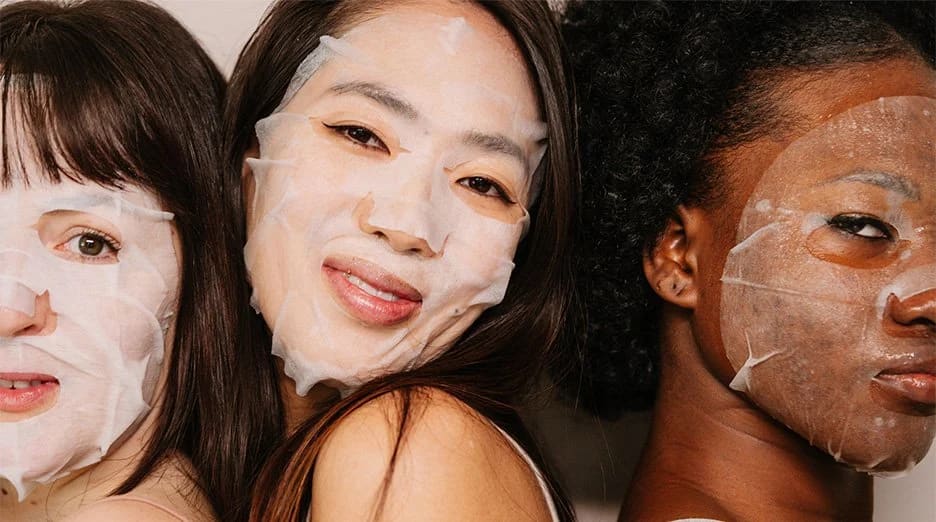
https://www.garnierusa.com/tips-how-tos/how-often-to-mask-based-on-your-skin-type
02. Over-Washing Your Face Can Backfire
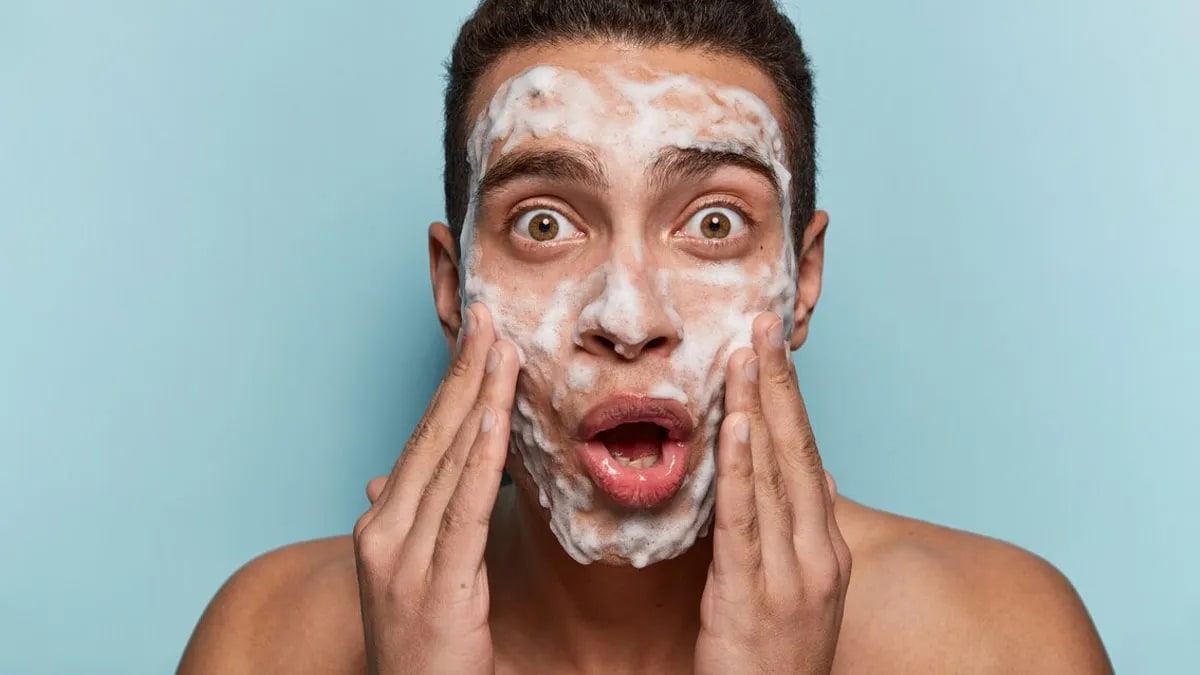
http://onlymyhealth.com/side-effects-of-overwashing-your-face-12977821484
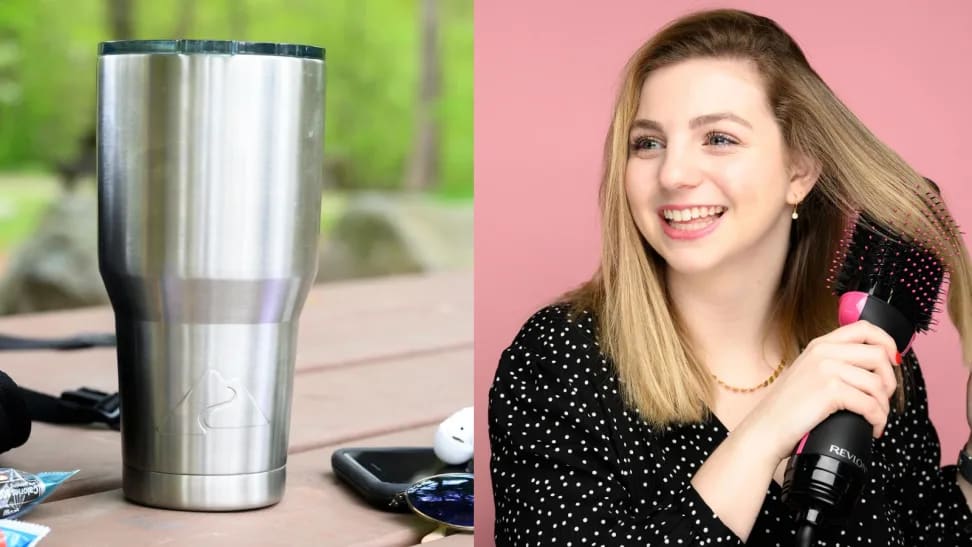
03. Expensive Products Aren’t Always Better
04. Sunscreen Is Mandatory, Indoors Too
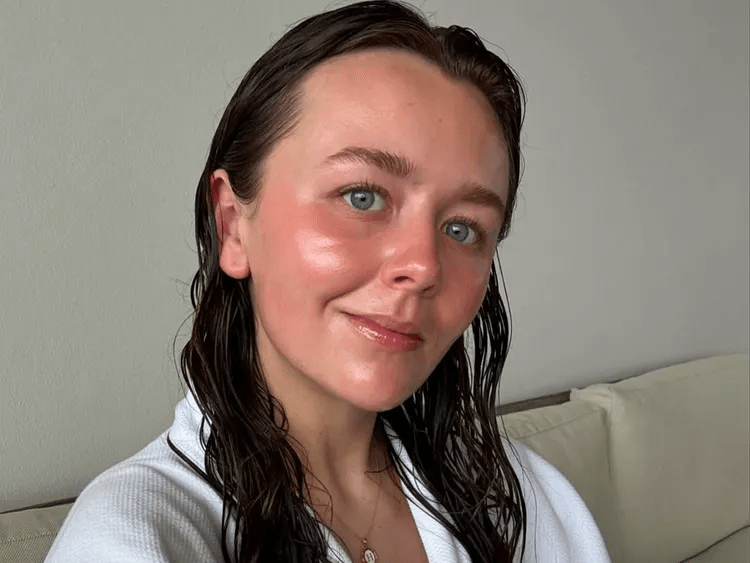
https://www.byrdie.com/should-i-wear-sunscreen-indoors-5093944
05. Your Neck Deserves Skincare Too
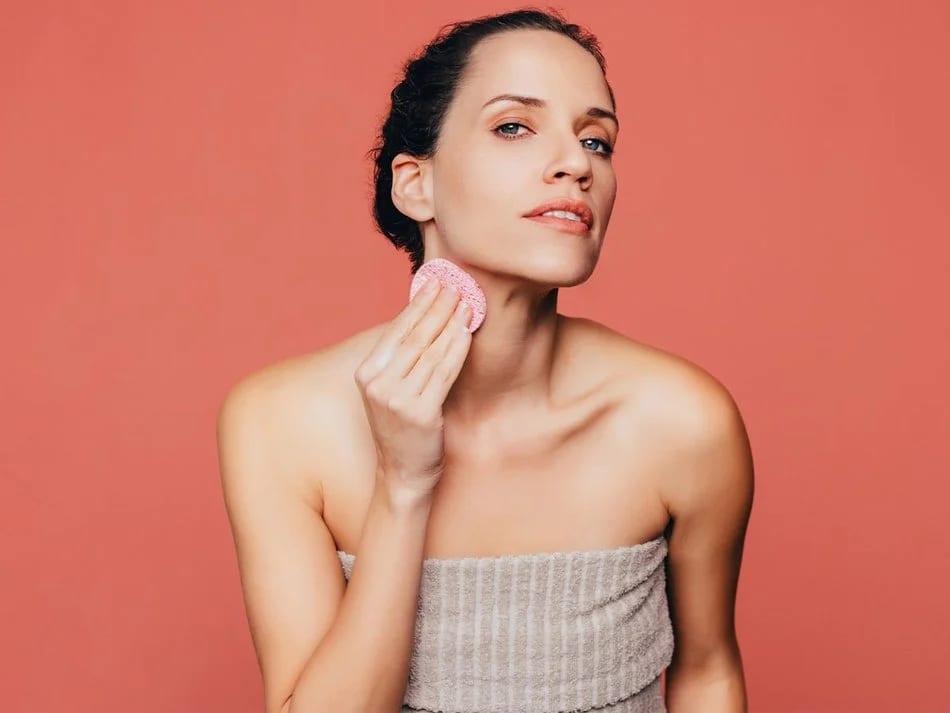
https://www.garnierusa.com/tips-how-tos/are-you-cleansing-your-neck-correctly
06. Skincare Takes Time
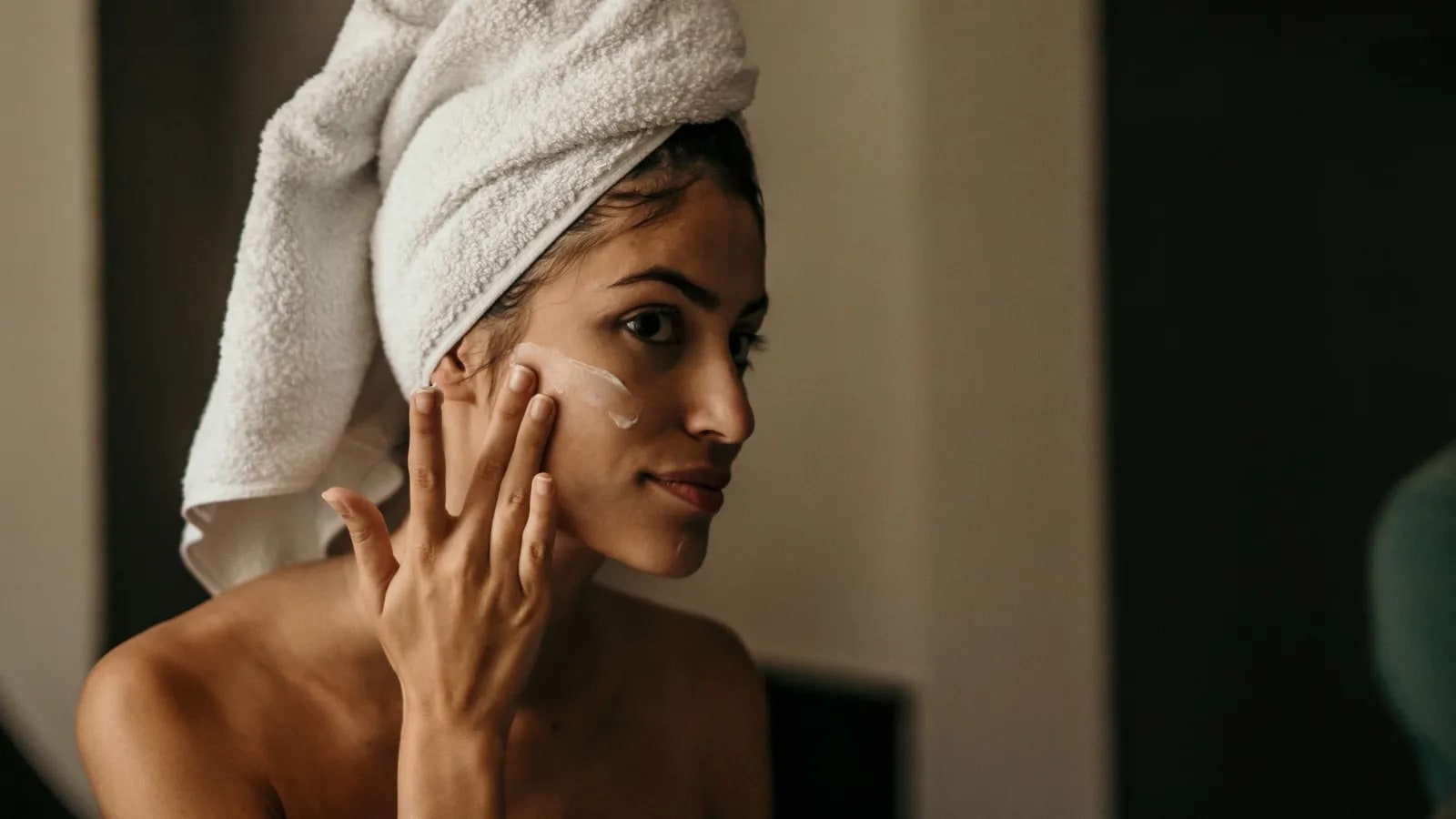
https://www.marieclaire.co.uk/skincare/night-time-skincare-routine
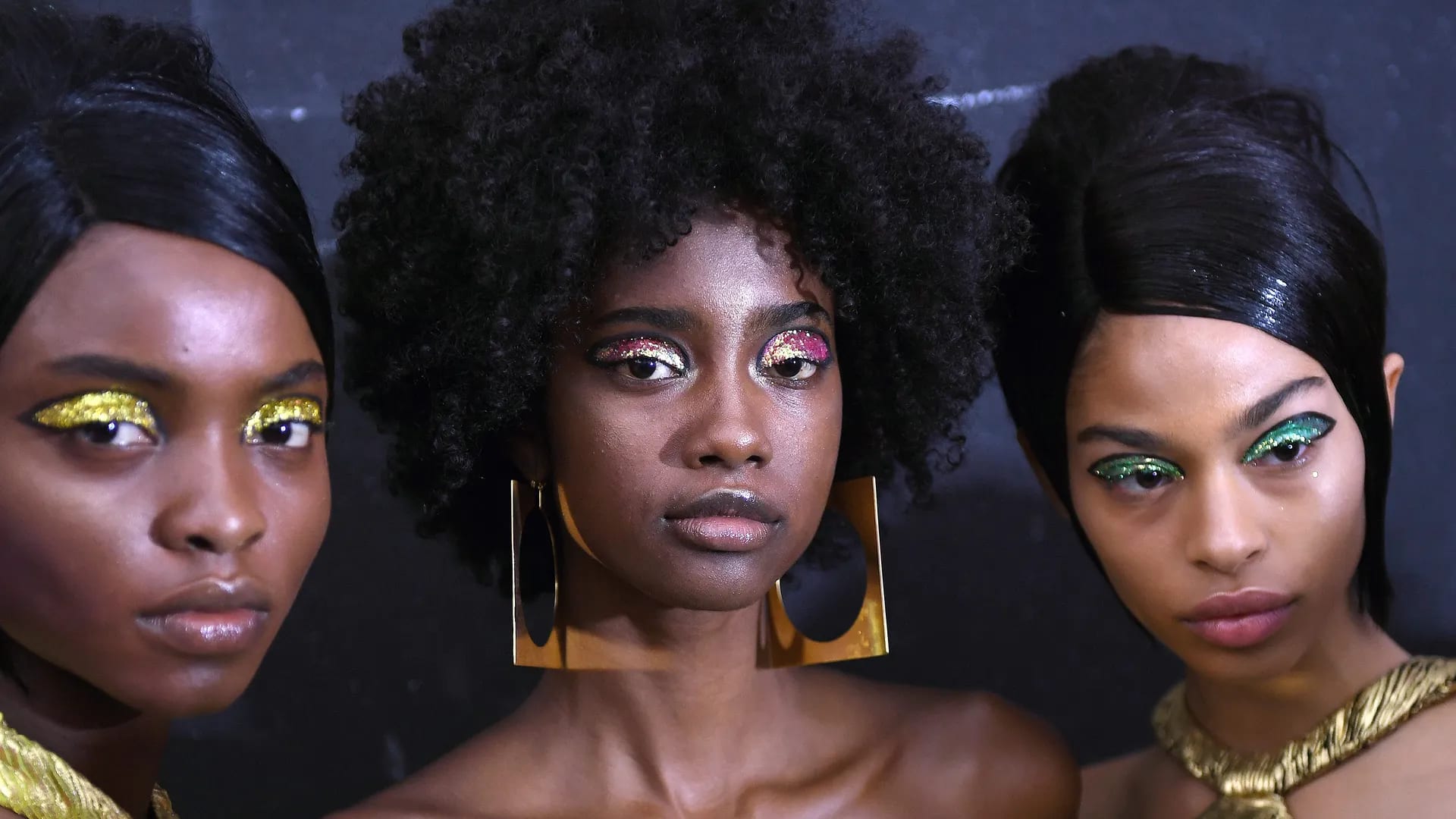
07. More Products ≠ Better Skin
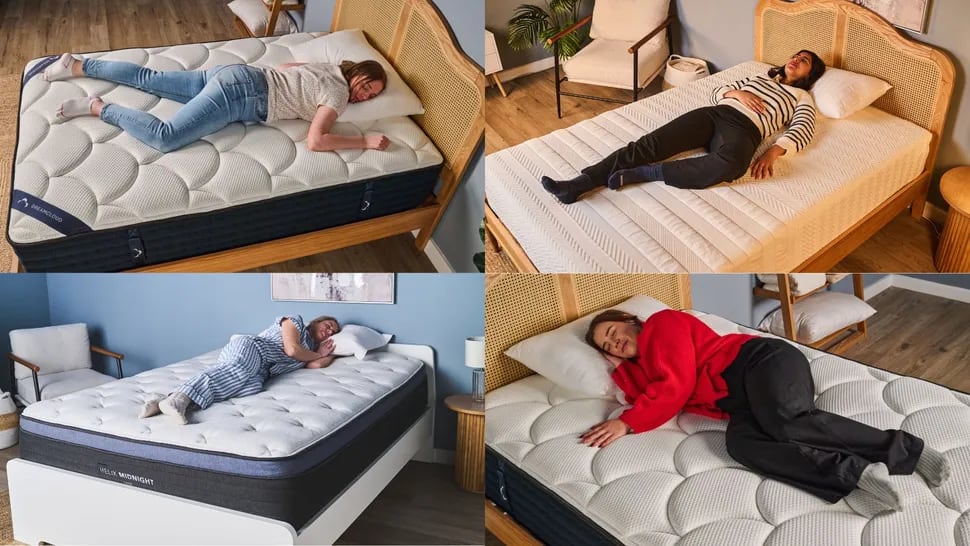
08. Sleeping Position Matters
09. Hot Water Is Not Your Friend
10. Pores Don’t Open And Close
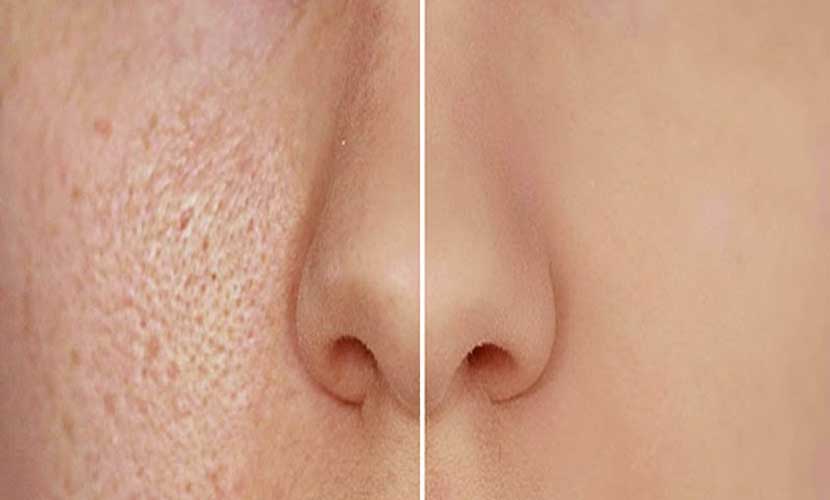
https://www.vardaanclinic.com/blog/get-rid-of-large-pores-at-vardaan-clinic
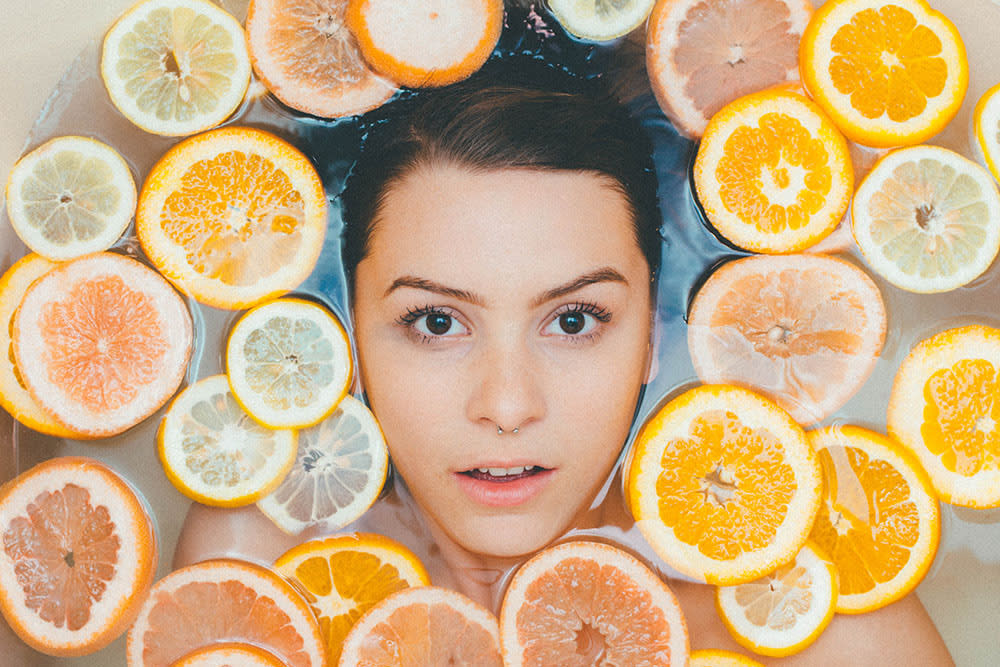
11. Natural Ingredients Can Be Harsh
12. Your Skin Barrier Is Everything
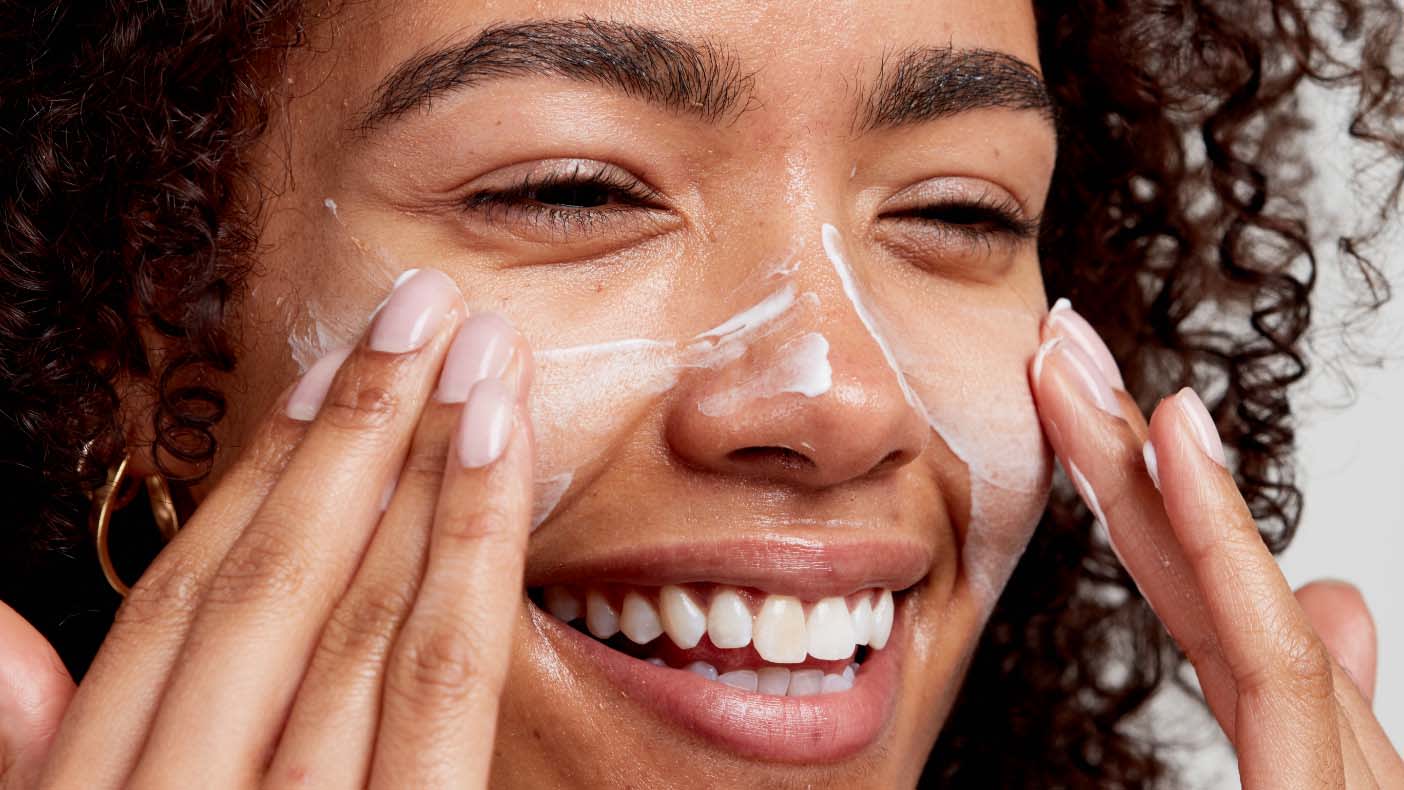
https://www.paiskincare.com/blogs/guides/skin-barrier-function
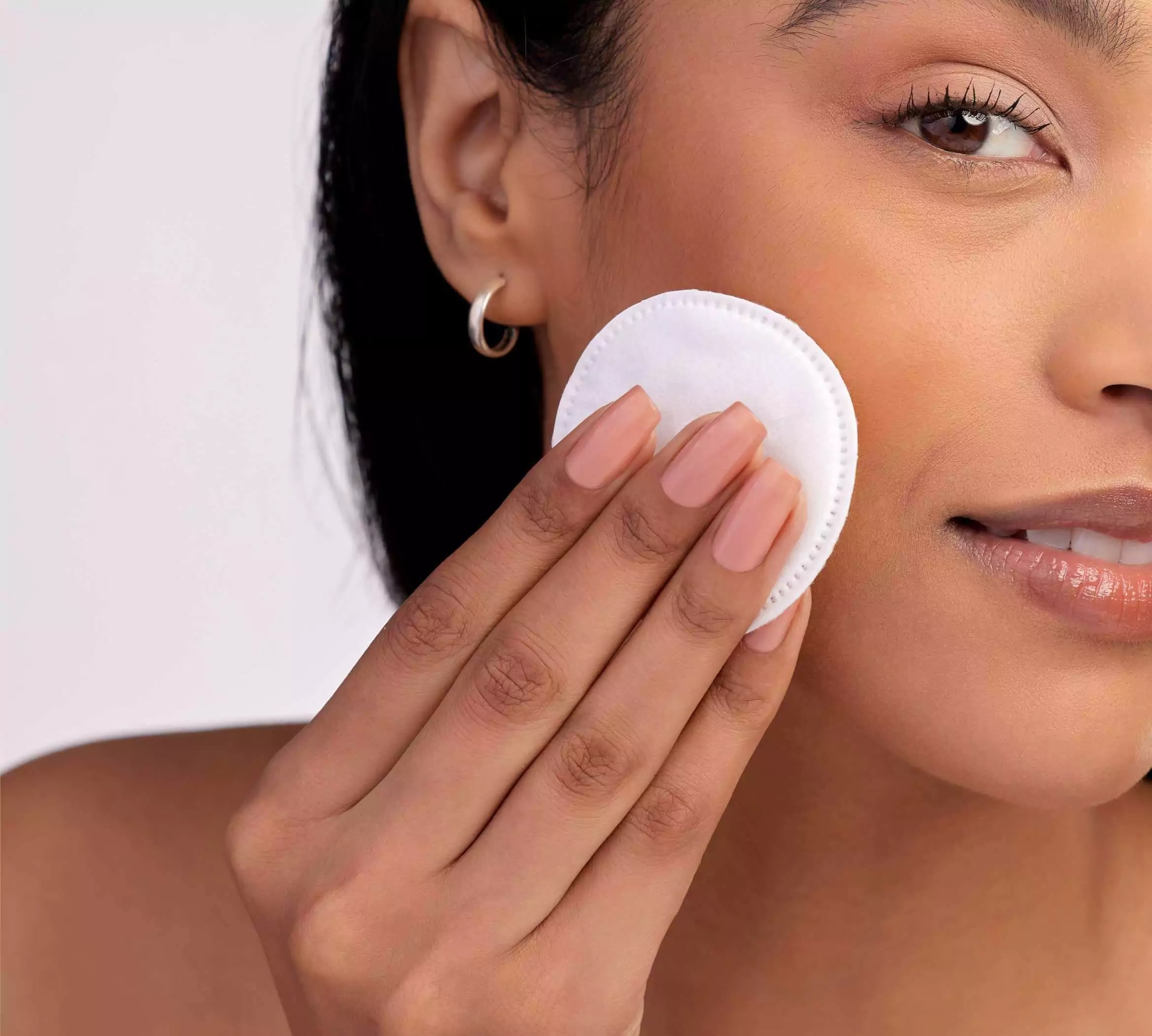
13. Face Wipes Are Mostly Useless
14. Some Ingredients Cancel Each Other Out
https://beautyinsider.sg/marula-oil-for-skincare-hair-nails/
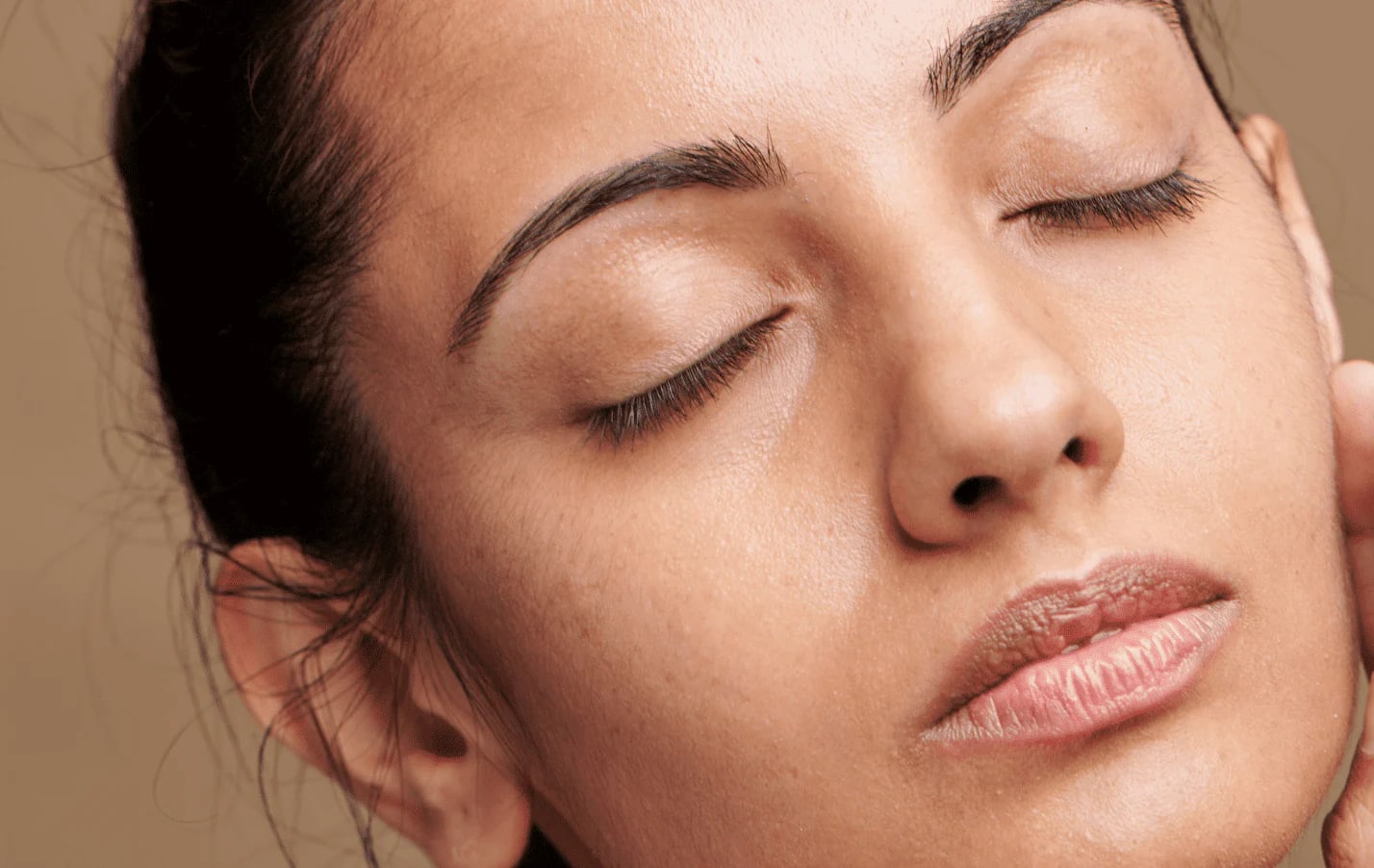
15. Dehydrated ≠ Dry
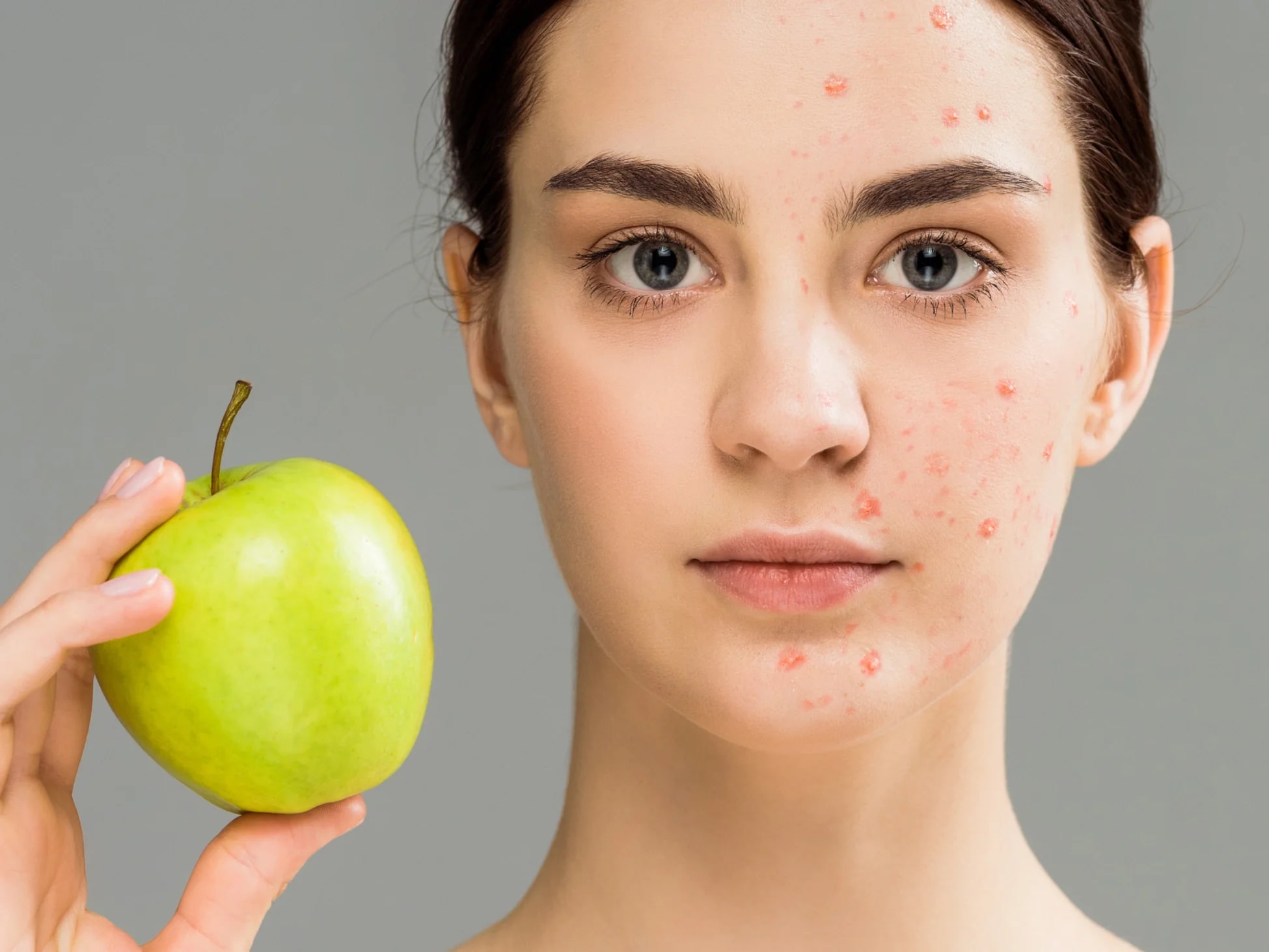
16. Diet Shows On Your Face
https://balmonds.co.uk/blogs/blog/how-long-does-it-take-for-diet-to-affect-skin
17. Over-Exfoliation Is Real
18. Stress Impacts Skin
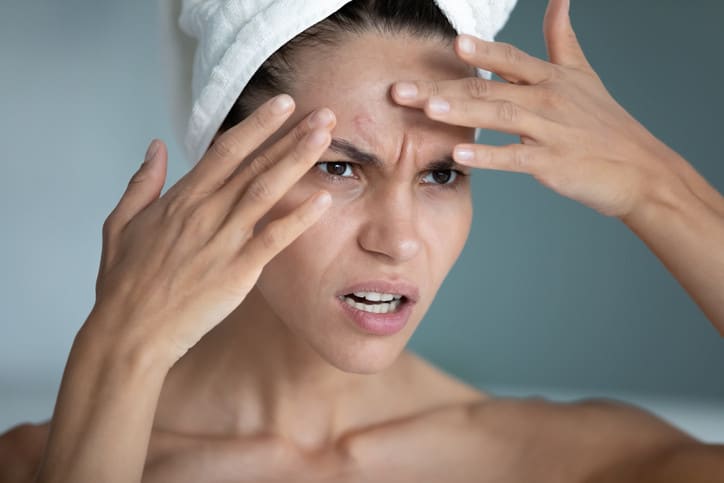
19. Dirty Pillowcases = Skin Enemies
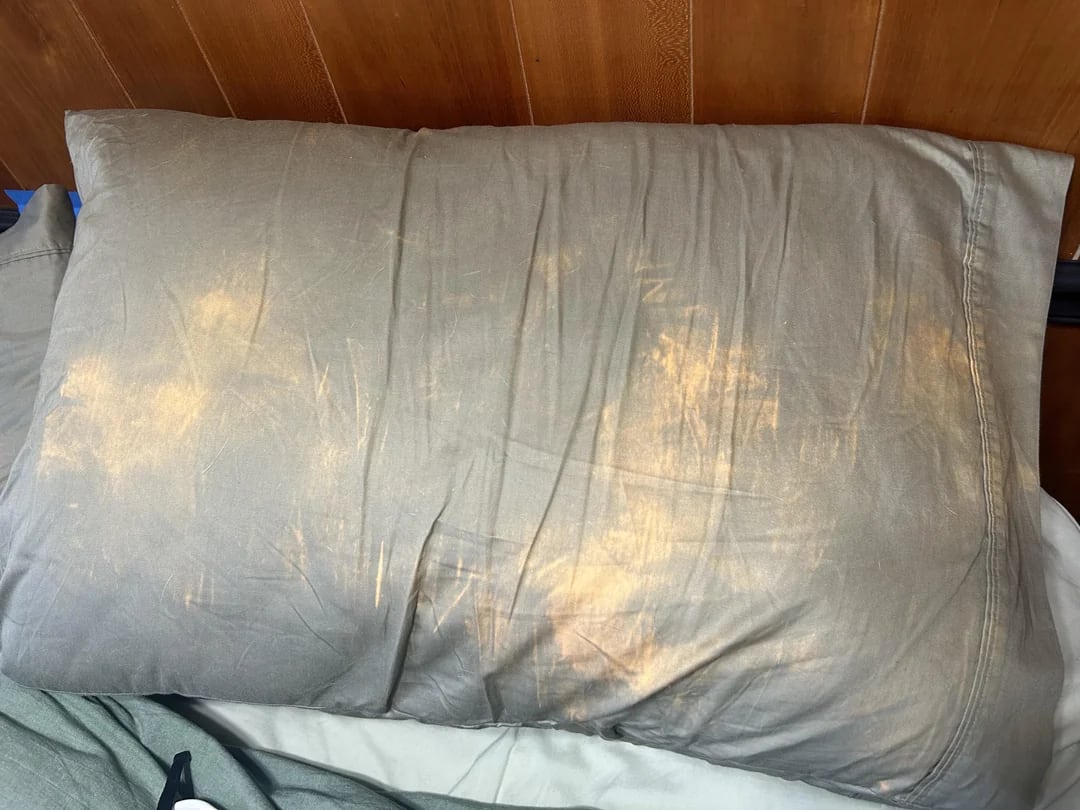
https://www.reddit.com/r/mildlyinfuriating/comments/1e12vit/my_face_ruins_my_pillow_cases/
20. Consistency Beats Perfection
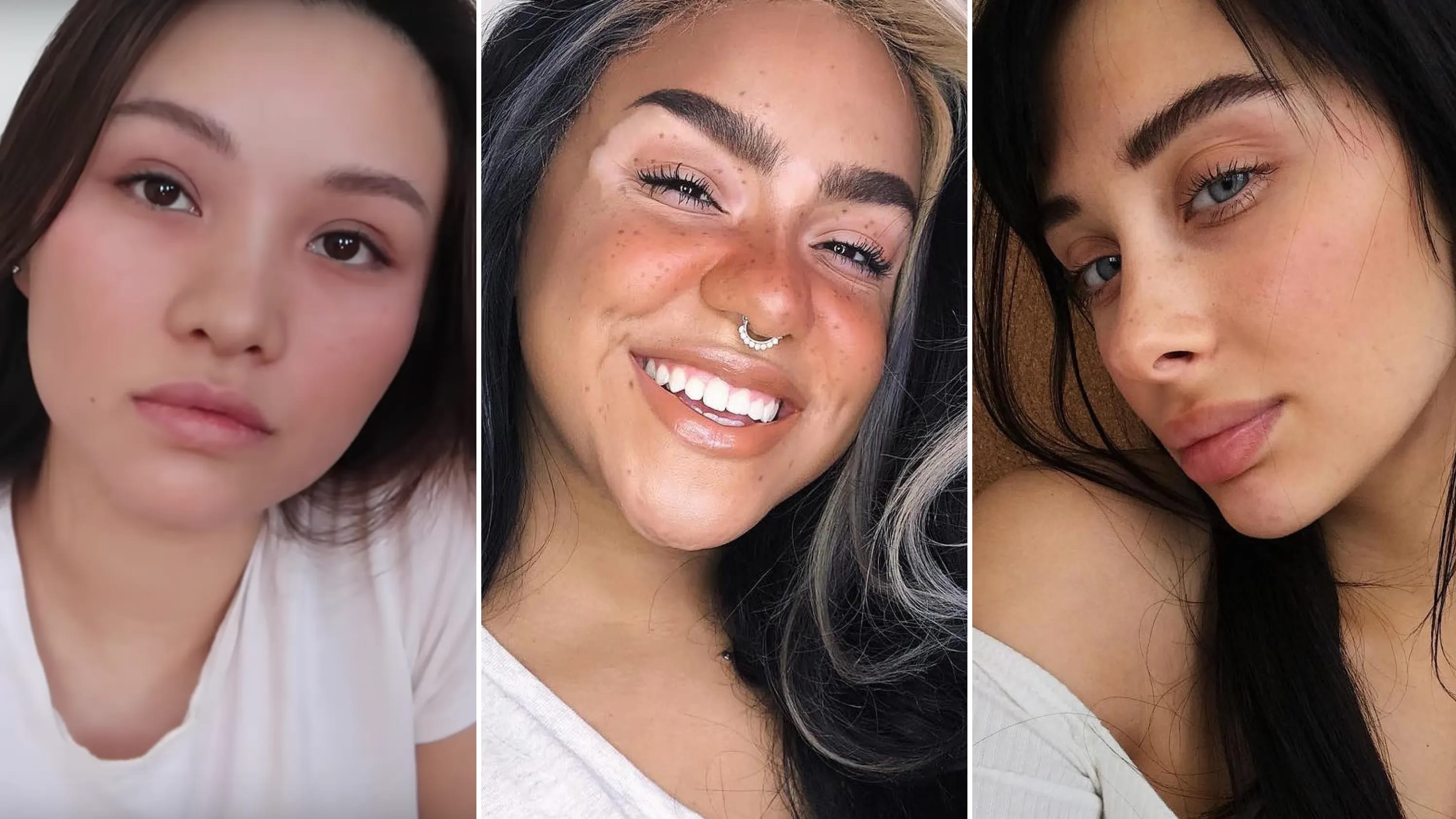
https://www.allure.com/story/boy-beat-makeup-trend-instagram-controversy