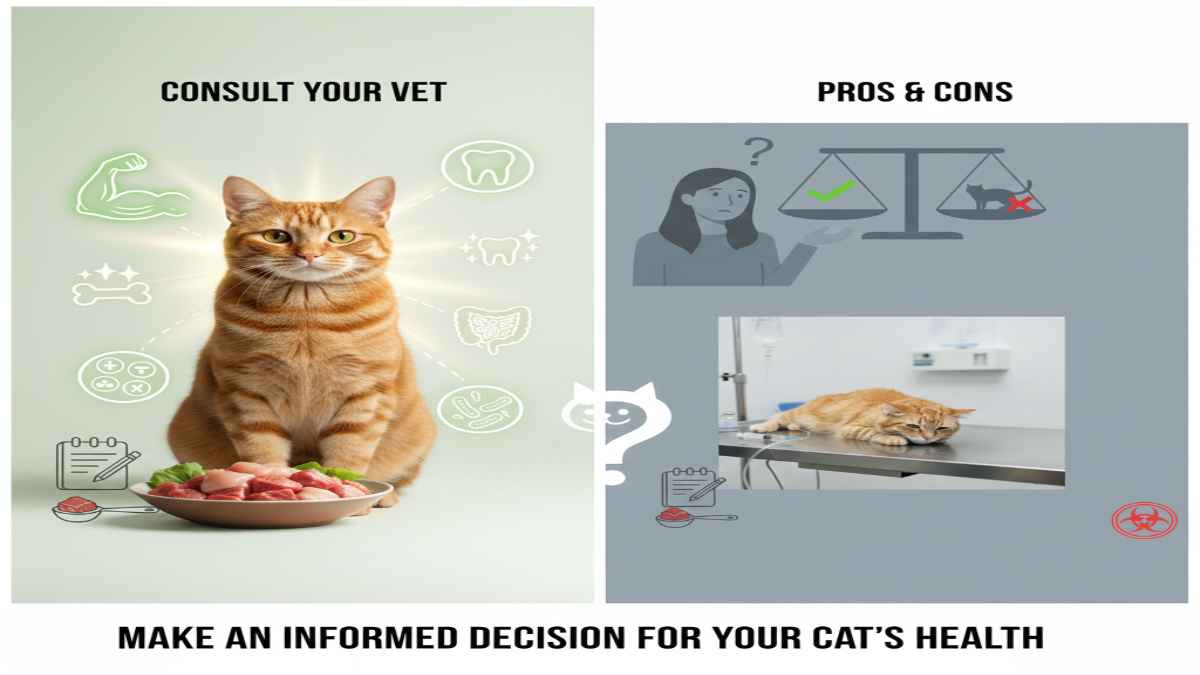
Can Cats Eat Raw Meat? What Every Cat Owner Should Know
By Mohsin Rasheed · Animals · 2025-11-21
Can Cats Eat Raw Meat? What Every Cat Owner Should Know
As obligate carnivores, cats are biologically designed to eat meat — and in the wild, that meat would always be raw. This has led many cat owners to wonder whether raw meat diets, which have grown in popularity, might be more "natural" and beneficial than commercial cooked cat food. The reality is more nuanced, involving genuine benefits alongside serious risks that every cat owner should understand before making feeding decisions.
The Case for Raw Meat: Biological Alignment
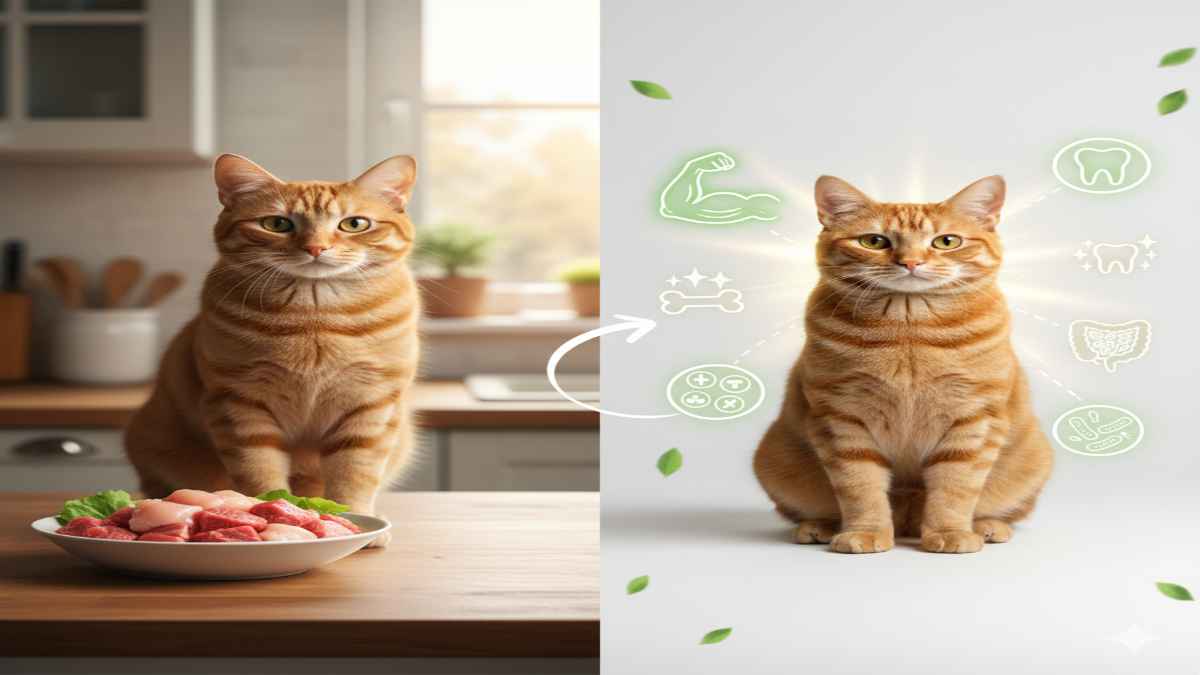
Cats' digestive systems, dental structure, and metabolic pathways are optimized for a diet of whole prey animals — which in nature would be consumed raw, including meat, organs, and small amounts of bone. Proponents of raw feeding argue that raw diets more closely mirror this evolutionary reality, potentially offering benefits including improved coat condition, better dental health from the mechanical action of chewing raw meat and bone, more efficient nutrient absorption, and smaller, less odorous stools due to higher digestibility of unprocessed animal protein.
The Serious Risk: Bacterial Contamination
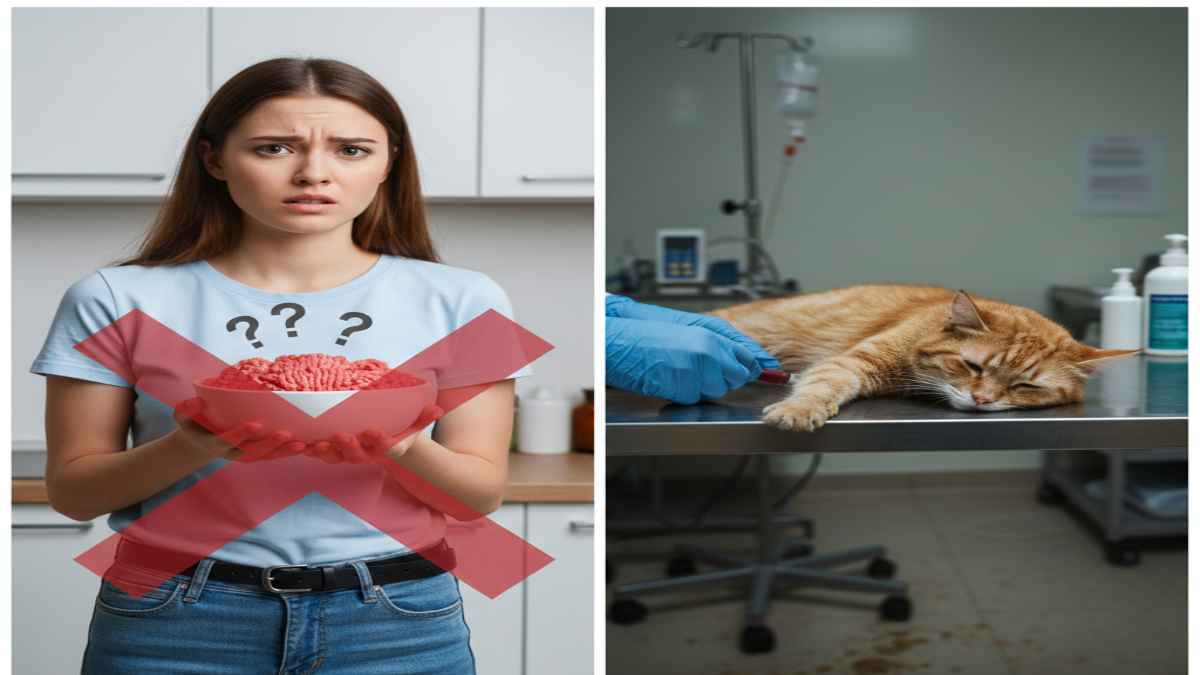
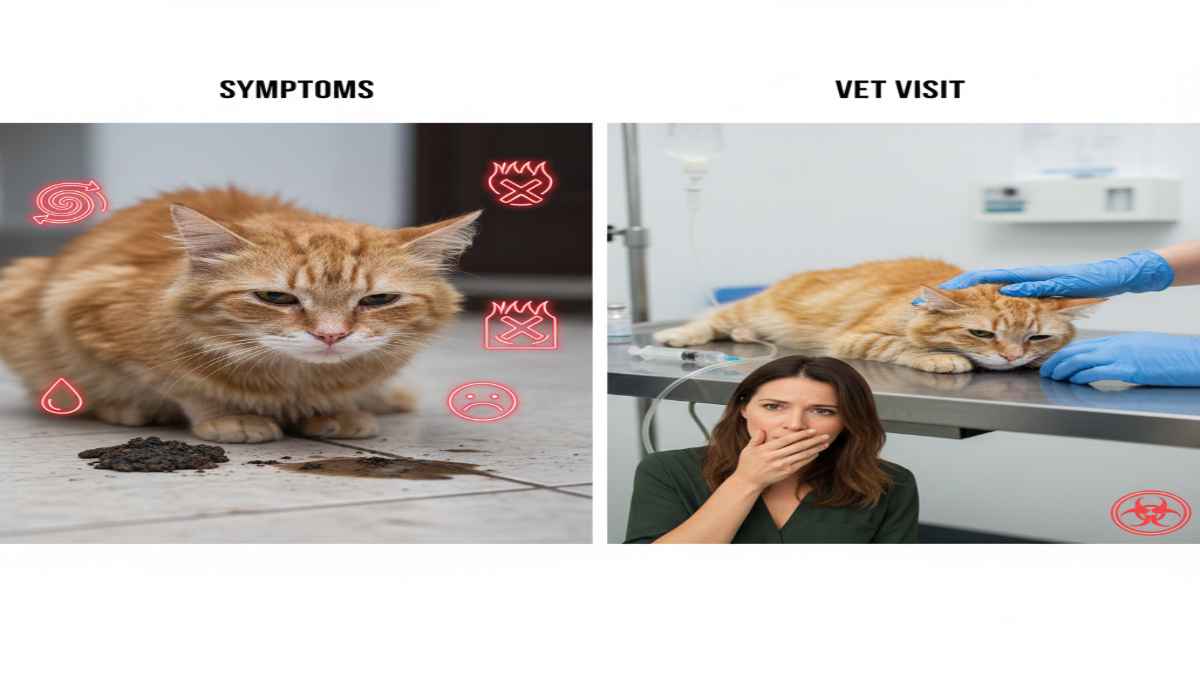
Raw meat — whether intended for human or pet consumption — can harbor dangerous pathogens including Salmonella, E. coli, Listeria, and Campylobacter. Cats fed raw diets can become infected with these bacteria, sometimes without showing obvious symptoms, potentially shedding the bacteria in their feces and creating a health risk not just to the cat but to human household members, particularly children, elderly individuals, pregnant women, and anyone with compromised immune systems. Multiple veterinary and public health organizations, including the FDA, CDC, and American Veterinary Medical Association, have issued warnings about these risks.
Nutritional Imbalance Risk
A cat's nutritional needs are precise and complex — they require specific ratios of taurine, arachidonic acid, calcium, phosphorus, and numerous vitamins and minerals in exact proportions. A homemade raw diet that isn't carefully formulated by a veterinary nutritionist can easily create severe deficiencies or excesses. Calcium-phosphorus imbalances from muscle meat without adequate bone content can cause serious skeletal problems, particularly in growing kittens. Commercial raw diets that are "complete and balanced" according to AAFCO standards have addressed this formulation risk through professional nutritional analysis, but homemade raw diets carry significant risk without professional guidance.
Parasite Transmission
Raw meat, particularly from wild game or improperly sourced commercial meat, can contain parasites including Toxoplasma gondii, Trichinella, and various tapeworm species. Freezing meat at specific temperatures for specific durations can kill many (though not all) parasites, which is why reputable commercial raw pet food manufacturers follow strict freezing protocols. Cats that hunt and eat wild prey are already exposed to these risks in nature, but deliberately feeding raw meat without proper sourcing and handling significantly increases parasite exposure risk compared to properly cooked or commercially processed food.
If You Choose to Feed Raw: Safety Guidelines
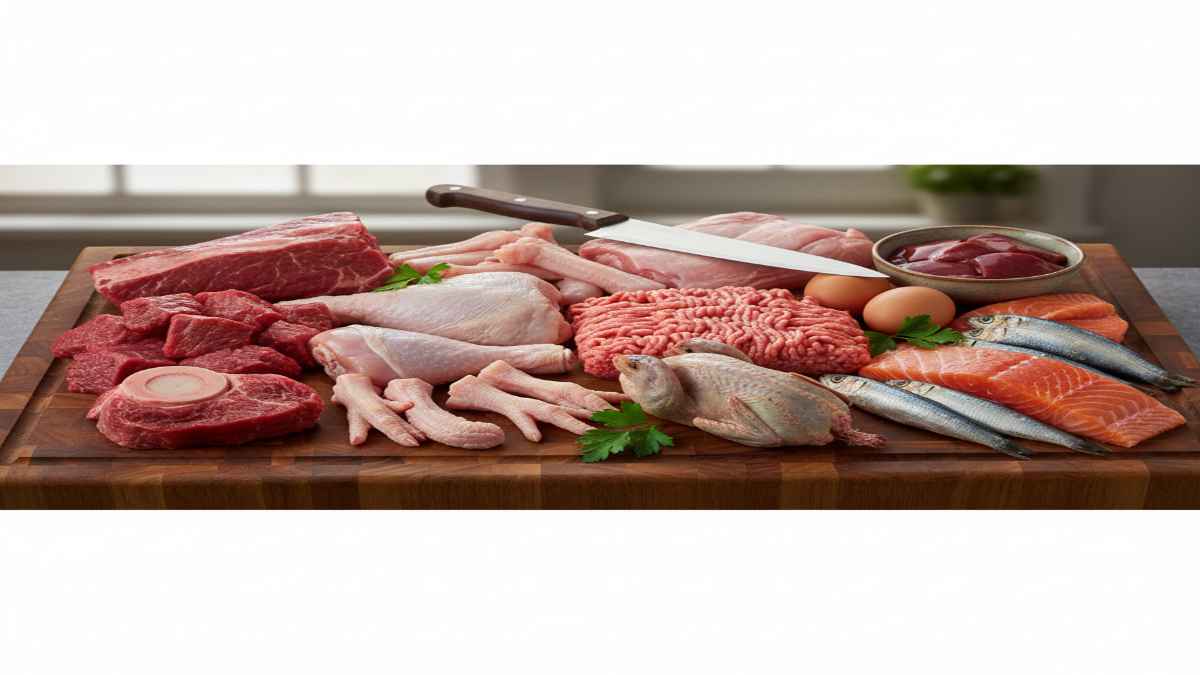
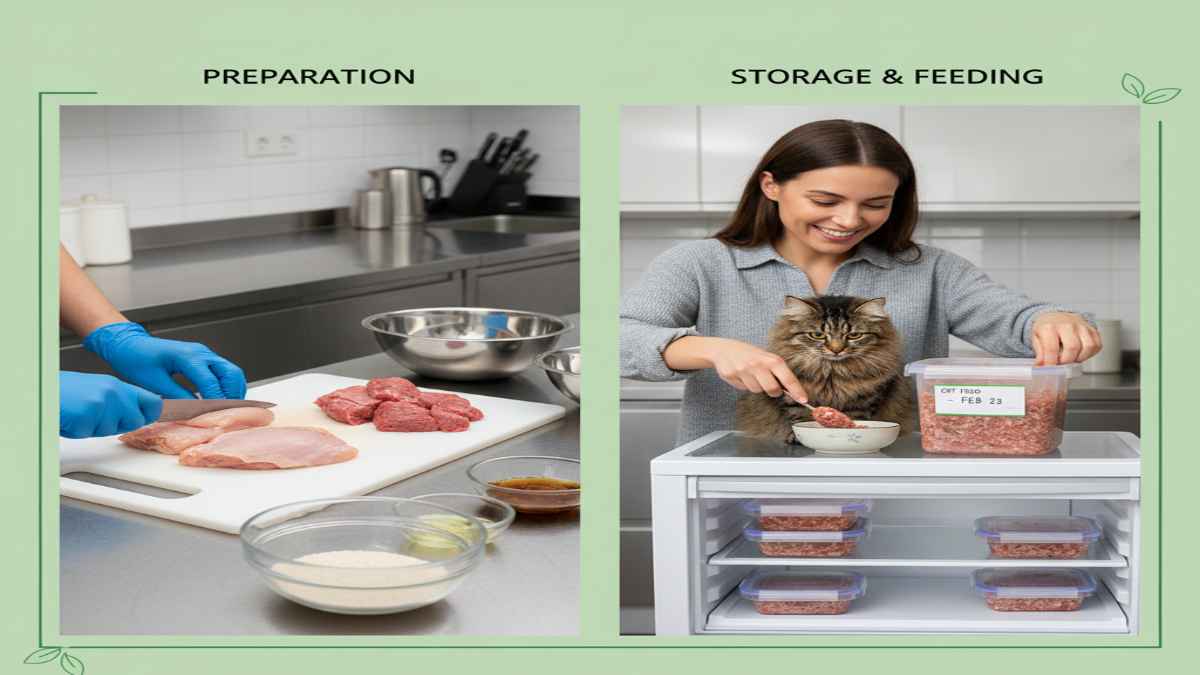
For owners who decide raw feeding is right for their cat despite the risks, several precautions significantly reduce danger. Source meat from reputable suppliers specifically producing pet-grade raw food with proper safety testing, rather than using human-grade meat past its prime or wild game. Use a commercial raw diet formulated by a veterinary nutritionist rather than attempting homemade formulation without professional guidance. Practice rigorous food safety: use separate cutting boards and utensils, wash hands and surfaces thoroughly after handling, refrigerate or freeze raw food properly, and don't leave raw food out longer than 20-30 minutes. Discuss raw feeding with your veterinarian, particularly if your cat has any underlying health conditions or is very young, elderly, or immunocompromised.
What Veterinary Organizations Recommend
The American Veterinary Medical Association, the FDA, and the Centers for Disease Control and Prevention have all published cautionary guidance regarding raw pet food diets, citing insufficient evidence of health benefits compared to properly formulated cooked commercial diets, combined with documented risks of bacterial and parasitic contamination. These organizations generally recommend that if cat owners choose raw feeding despite these warnings, they should work closely with a veterinarian, use only commercially prepared raw diets that have undergone safety testing (such as high-pressure processing), and maintain scrupulous food safety practices throughout preparation and feeding.
The Middle Ground: Cooked Fresh Food
For cat owners drawn to the appeal of fresh, whole-food diets but concerned about raw feeding risks, lightly cooked fresh food diets offer a middle path. Cooking meat to safe internal temperatures eliminates the bacterial and most parasitic risks of raw feeding while still avoiding the extensive processing of traditional kibble. Several companies now offer gently cooked, nutritionally complete cat food delivered fresh or frozen, providing many of the appeal factors of raw feeding (whole ingredients, minimal processing) with significantly reduced safety risk.
Making the Decision for Your Cat
The decision to feed raw meat is genuinely complex, involving legitimate potential benefits weighed against documented, serious risks. There is no universal right answer — the decision should be made in consultation with your veterinarian, taking into account your cat's individual health status, your household's risk factors (presence of young children, elderly, or immunocompromised individuals), your ability to source and handle raw meat safely, and your comfort level with the trade-offs involved. Whatever you decide, prioritizing a complete and balanced diet — whether raw, cooked, or commercial — matters more than the specific format of the food itself.
Raw meat feeding for cats is not inherently dangerous when done with appropriate precautions, professional formulation, and rigorous food safety practices — but it is also not without genuine risk, and casual or uninformed raw feeding can create serious health problems for both cats and their human family members. Make this decision thoughtfully, in partnership with your veterinarian, rather than based solely on the appeal of "natural" feeding philosophy.
This is general information, not veterinary advice. Ask your vet about your pet.
01. Is Raw Meat Safe for Cats?
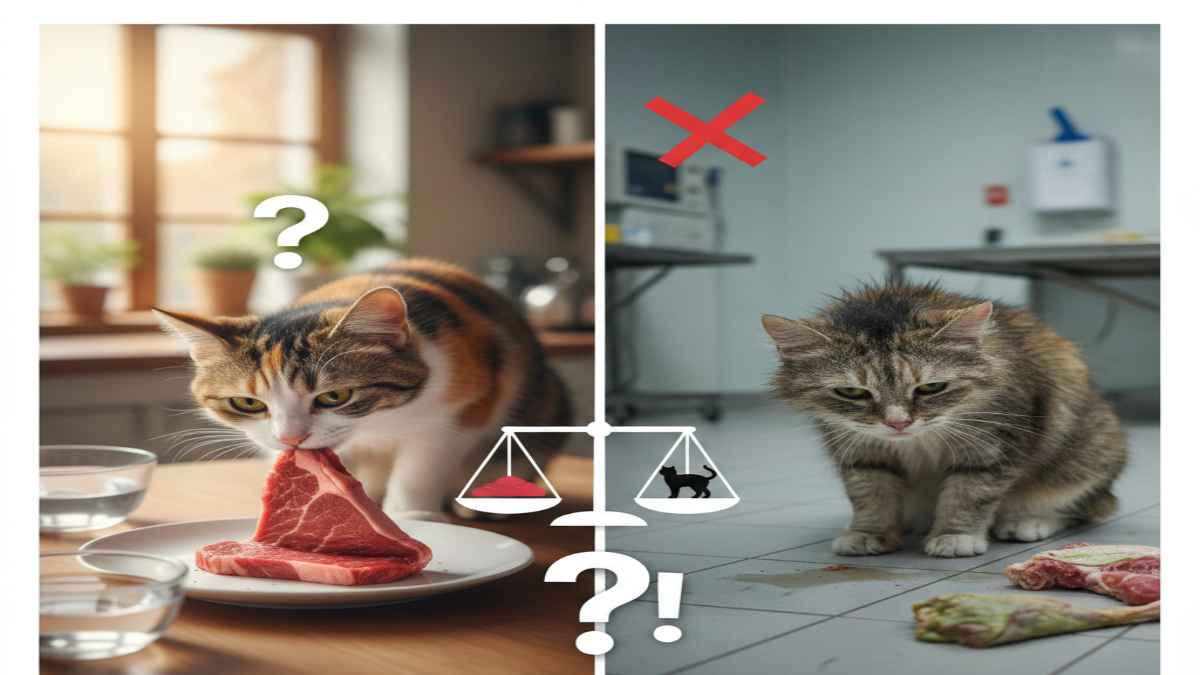
02. Nutritional Benefits of Raw Meat for Cats
03. Potential Risks of Feeding Raw Meat
04. Types of Raw Meat Cats Commonly Eat
05. How to Safely Prepare Raw Meat for Cats
06. Signs Raw Meat Isn’t Suitable for Your Cat
07. Should You Add Raw Meat to Your Cat’s Diet?