Fun Facts About Wild Animals You Should Know
By Mohsin Rasheed · Animals · 2025-12-20
Fun Facts About Wild Animals You Should Know
The animal kingdom is full of surprises — behaviors, adaptations, and abilities that seem impossible until you learn the science behind them. From mathematical honeybees to immortal jellyfish, the natural world is stranger and more wonderful than most people realize. Here are some of the most fascinating, surprising, and delightful wild animal facts that will give you a renewed appreciation for the extraordinary creatures that share our planet.
1. Elephants Can "Hear" With Their Feet
African elephants communicate across vast distances using infrasound — low-frequency rumbles below the threshold of human hearing. These vibrations travel not just through the air but through the ground, and elephants can detect them through the sensitive, vibration-receptive tissue in their feet and the bones in their lower jaw. A herd of elephants can receive communication from other groups up to 20 kilometers away through ground-borne vibrations alone. Their feet are, in effect, organs of long-distance perception — a sensory adaptation unlike almost anything else in the mammal world.
2. Octopuses Have Distributed Intelligence
An octopus has approximately 500 million neurons — fewer than a human, but more than a dog. What makes them extraordinary is where those neurons live: two-thirds are distributed throughout the eight arms, giving each arm a degree of independent neural processing capability. An octopus arm can respond to stimuli, plan movements, and execute complex manipulation tasks semi-autonomously, even after being severed from the body. An octopus is less a centralized intelligence directing eight arms than a central brain coordinating eight semi-independent cognitive units — one of the most unusual neural architectures in the animal kingdom.
3. Polar Bears Have Hollow, Transparent Fur
Polar bear fur is not white — it is actually transparent and hollow. Each guard hair is a clear hollow tube that scatters light in a way that appears white to our eyes (the same reason snow looks white). The hollow structure provides remarkable insulation. Under the fur, polar bear skin is black — maximizing heat absorption from any sunlight that penetrates the fur. This combination of transparent insulating fiber and heat-absorbing skin is a remarkable thermal engineering solution that allows polar bears to survive Arctic temperatures down to −45°C.
4. Dolphins Call Each Other by Name
Bottlenose dolphins develop unique signature whistles that function essentially as individual names. Every dolphin has its own distinctive whistle — developed in the first few months of life — that identifies them individually. Dolphins use these signature whistles to address specific individuals, and research shows that dolphins remember and respond to the signature whistles of dolphins they haven't encountered for over 20 years. This is one of the most sophisticated communication systems in the animal kingdom and the closest thing to language-based individual naming observed outside of humans.
5. Crow Intelligence Rivals That of Great Apes
Crows and other corvids have brain-to-body ratios approaching those of great apes and demonstrate cognitive abilities that were until recently considered exclusively primate capabilities: tool use and tool manufacture, planning for the future, metacognition (thinking about their own thinking), theory of mind (understanding what others know), and causal reasoning. New Caledonian crows have been documented making compound tools — combining two short sticks to create a longer one needed to reach food — a level of sequential reasoning that requires significant working memory and causal understanding.
6. Mantis Shrimp Can Punch With the Force of a Bullet
The peacock mantis shrimp is among the most mechanically extraordinary animals in existence. Its specialized club-shaped appendages can accelerate at 10,000 g — 50 times faster than a blink of an eye — generating peak forces of 1,500 Newtons. The strike produces cavitation bubbles whose collapse generates an additional shockwave even if the initial strike misses. Mantis shrimp regularly break the glass of aquariums and can crack the shells of crabs and clams in a single blow. The structure of their clubs — designed to withstand the force of their own strikes — has inspired research into impact-resistant materials for human engineering applications.
7. Whales Can Live Over 200 Years
The bowhead whale may be the longest-lived mammal on Earth. Scientists age bowhead whales by analyzing their eye lenses and ear plugs — biological records that accumulate layers over time similar to tree rings. Based on these analyses, some bowhead whales have been estimated at over 200 years of age — meaning that living bowhead whales may have been alive before the Civil War, before the Eiffel Tower was built, before antibiotics were discovered. The genetic and physiological mechanisms behind their extreme longevity are now being studied as potential insights into human aging and cancer resistance.
8. Flamingos Are Not Born Pink
Flamingo chicks hatch with grey-white feathers and gradually develop their iconic pink color from carotenoid pigments in the algae and crustaceans they eat. Carotenoids are absorbed and deposited in feathers and skin — flamingos in captivity fed a carotenoid-deficient diet lose their pink color. Interestingly, flamingos metabolize these pigments for their own use: carotenoids support immune function and reproductive fitness, and brighter-colored flamingos — indicating greater carotenoid intake — are preferred as mates and are more successful parents. Their color is literally a nutrition signal.
9. The Mimic Octopus Can Impersonate Multiple Species
First discovered in 1998 in Indonesian waters, the mimic octopus (Thaumoctopus mimicus) can deliberately alter its body shape, color, and behavior to impersonate other species — including lionfish (by spreading its arms like fins), flatfish (by flattening and undulating), and sea snakes (by hiding its body in sand and waving two arms in opposite directions). It selects which species to mimic based on local predators, apparently "choosing" to imitate the species most threatening to that specific predator. This context-sensitive mimicry represents a level of behavioral sophistication that astonished marine biologists.
10. Honey Badgers Have Loose Skin That Makes Them Nearly Impossible to Hold
The honey badger's skin is thick, loose, and remarkably tough — so loose that a honey badger can turn almost completely around within its own skin and bite an attacker that is gripping it from behind. Their skin resists bee stings and porcupine quills and is thick enough to resist machete blows and arrows. Their loose, rubbery quality means they cannot be easily held. Combined with extraordinary tenacity, powerful claws, scent gland defense mechanisms, and fearless aggression toward animals much larger than themselves, honey badgers have earned their reputation as the animal kingdom's most determined fighters per unit of body weight.
11. Some Frogs Freeze Solid in Winter and Thaw in Spring
The wood frog of North America has evolved one of nature's most extraordinary survival adaptations: it can freeze almost completely solid during winter and thaw successfully in spring. As temperatures drop, wood frogs stop breathing, their heart stops, and ice crystals form in their tissues — technically killing them by most definitions. Special antifreeze compounds (glucose and urea) protect their cells from ice crystal damage. Come spring, they thaw from the outside in, their hearts restart, and they emerge to breed immediately. This biological resurrection happens every year and has inspired research into cryogenic preservation of human organs for transplantation.
12. Wolves Change River Ecosystems Just by Being Present
The reintroduction of wolves to Yellowstone National Park in 1995 produced unexpected effects extending far beyond predator-prey dynamics — a phenomenon called a trophic cascade. With wolves present, elk avoided lingering in valleys and riverbeds, allowing vegetation to recover. Trees grew along riverbanks for the first time in decades, stabilizing the banks and changing the courses and flow rates of rivers. Birds and beavers returned. Fish populations recovered. The entire ecosystem shifted because one predator changed not just how many elk there were, but where they went and how they behaved. Wolves literally changed rivers by existing.
Wild animals remind us that the diversity of life's solutions to survival challenges is essentially infinite. Every species represents millions of years of evolutionary problem-solving that has produced abilities and adaptations our engineering, science, and imagination are only beginning to appreciate. The natural world is not just beautiful — it is an inexhaustible library of biological innovation, and we are only beginning to read it.
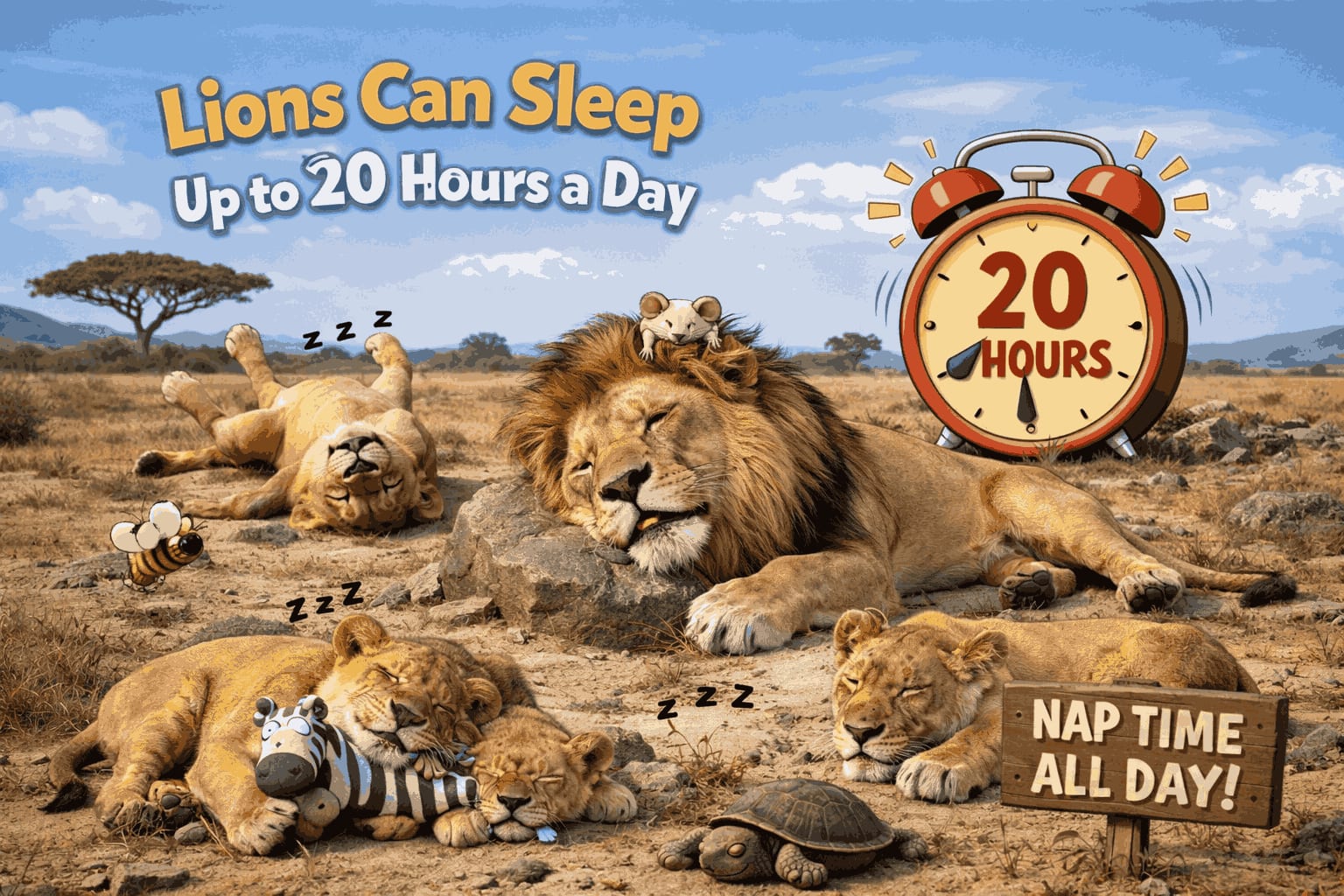
01. Lions Can Sleep Up to 20 Hours a Day
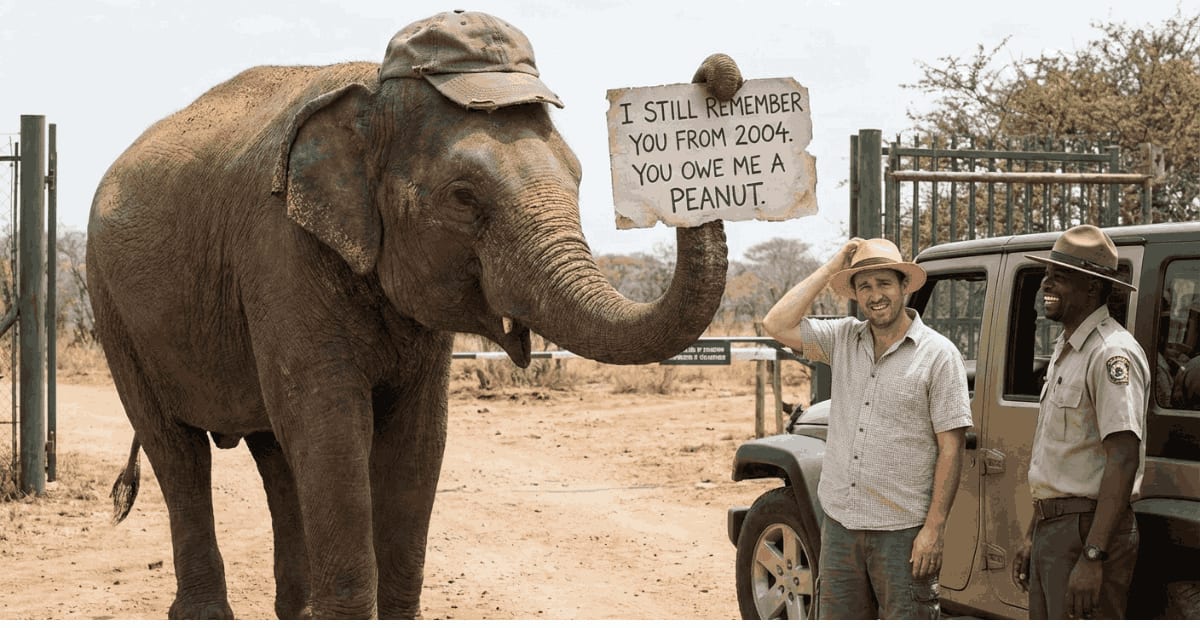
02. Elephants Have Excellent Memory
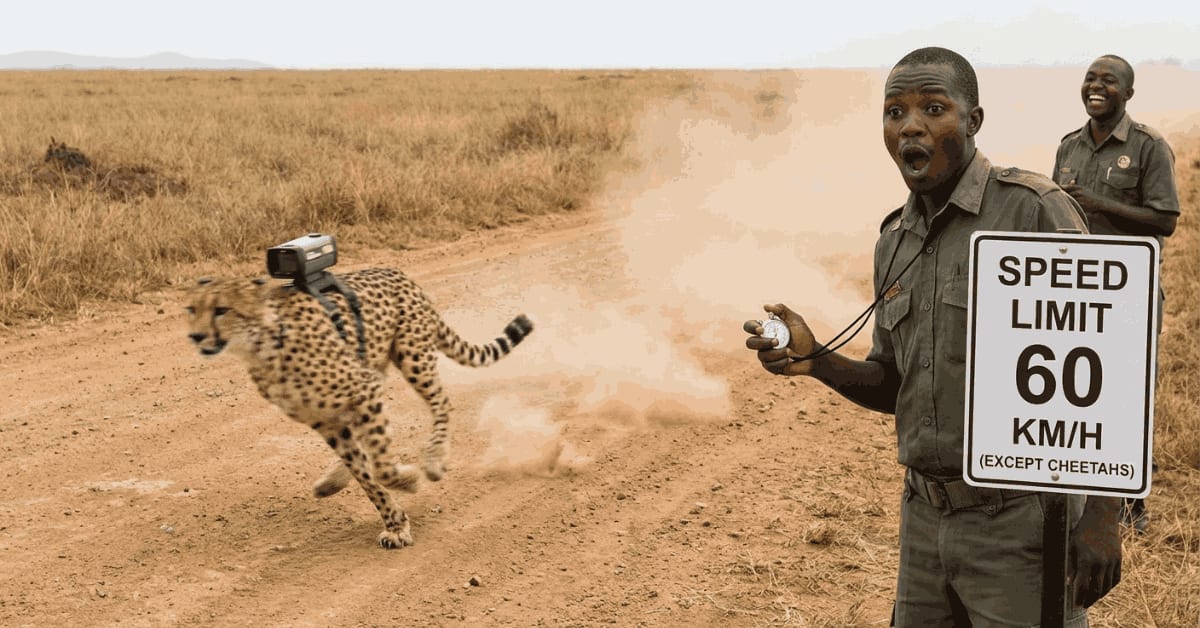
03. Cheetahs Are the Fastest Land Animals
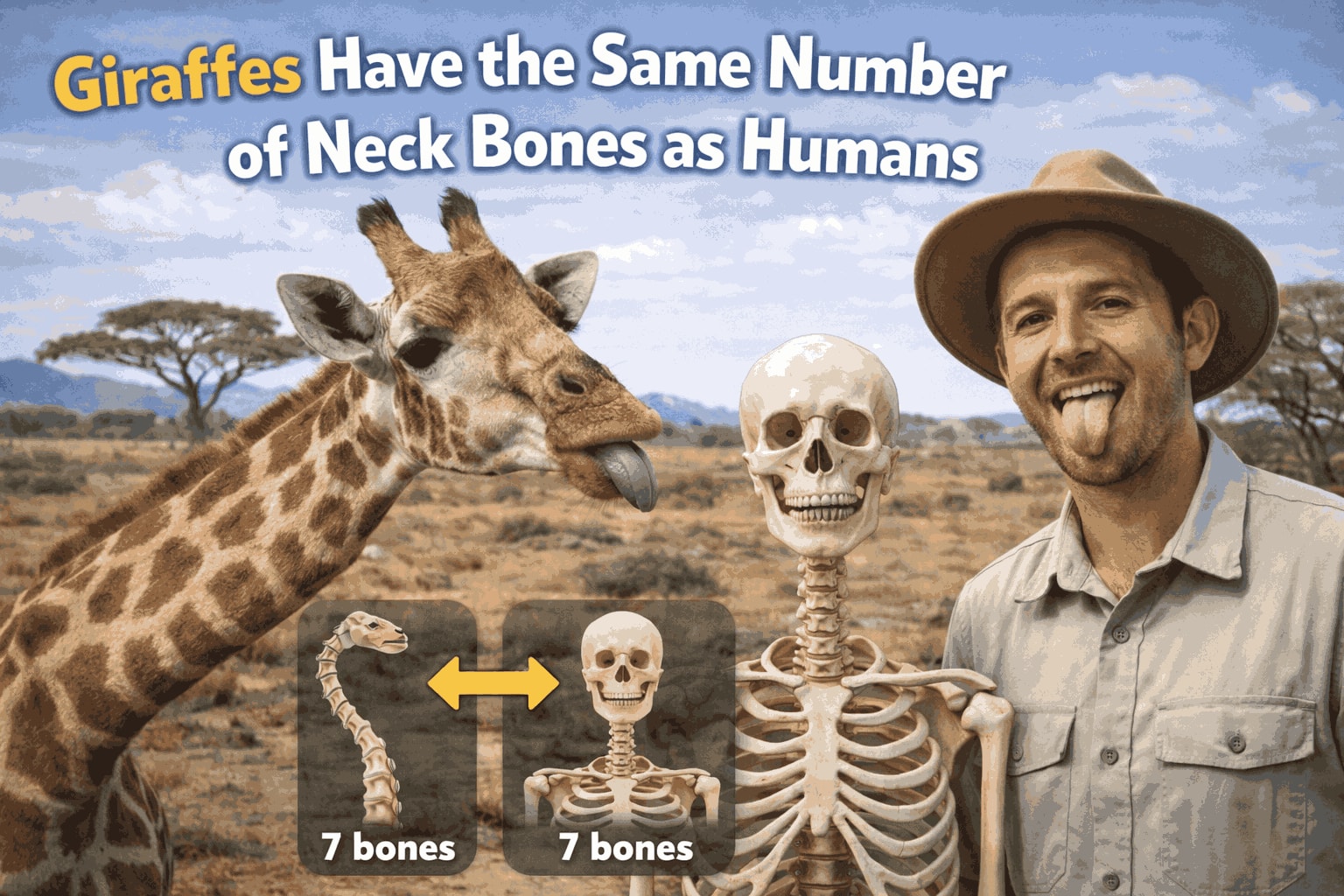
04. Giraffes Have the Same Number of Neck Bones as Humans
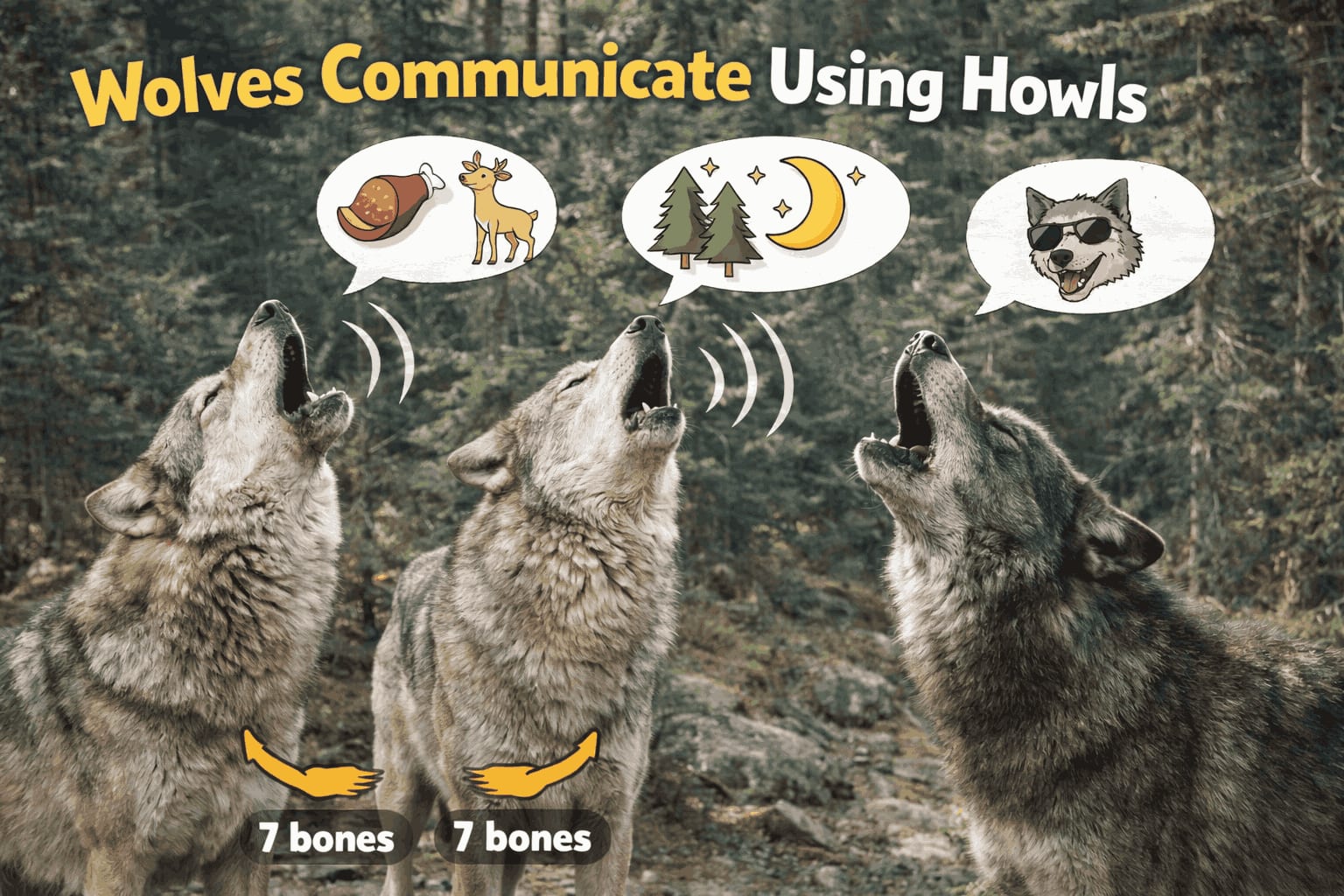
05. Wolves Communicate Using Howls
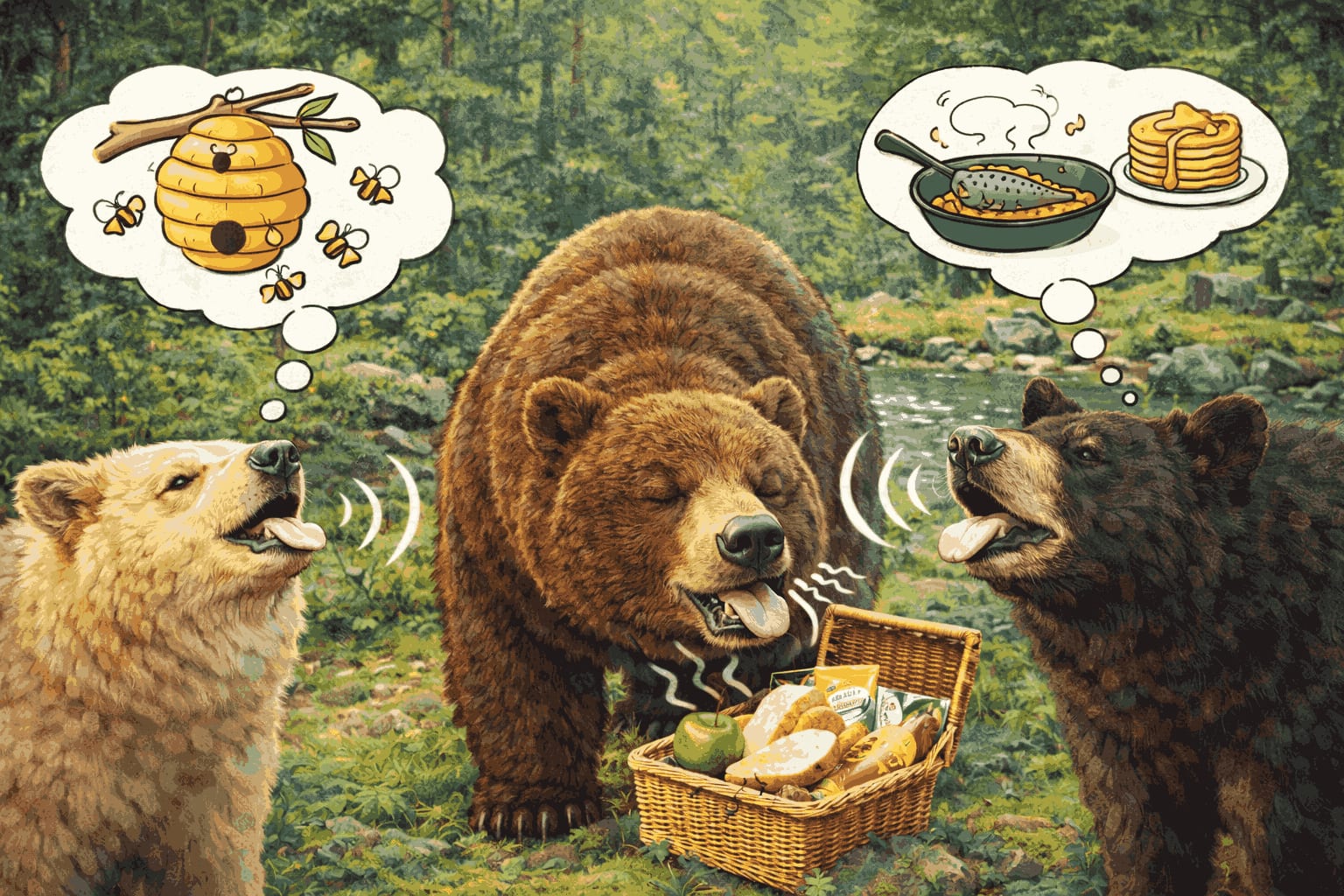
06. Bears Have an Incredible Sense of Smell
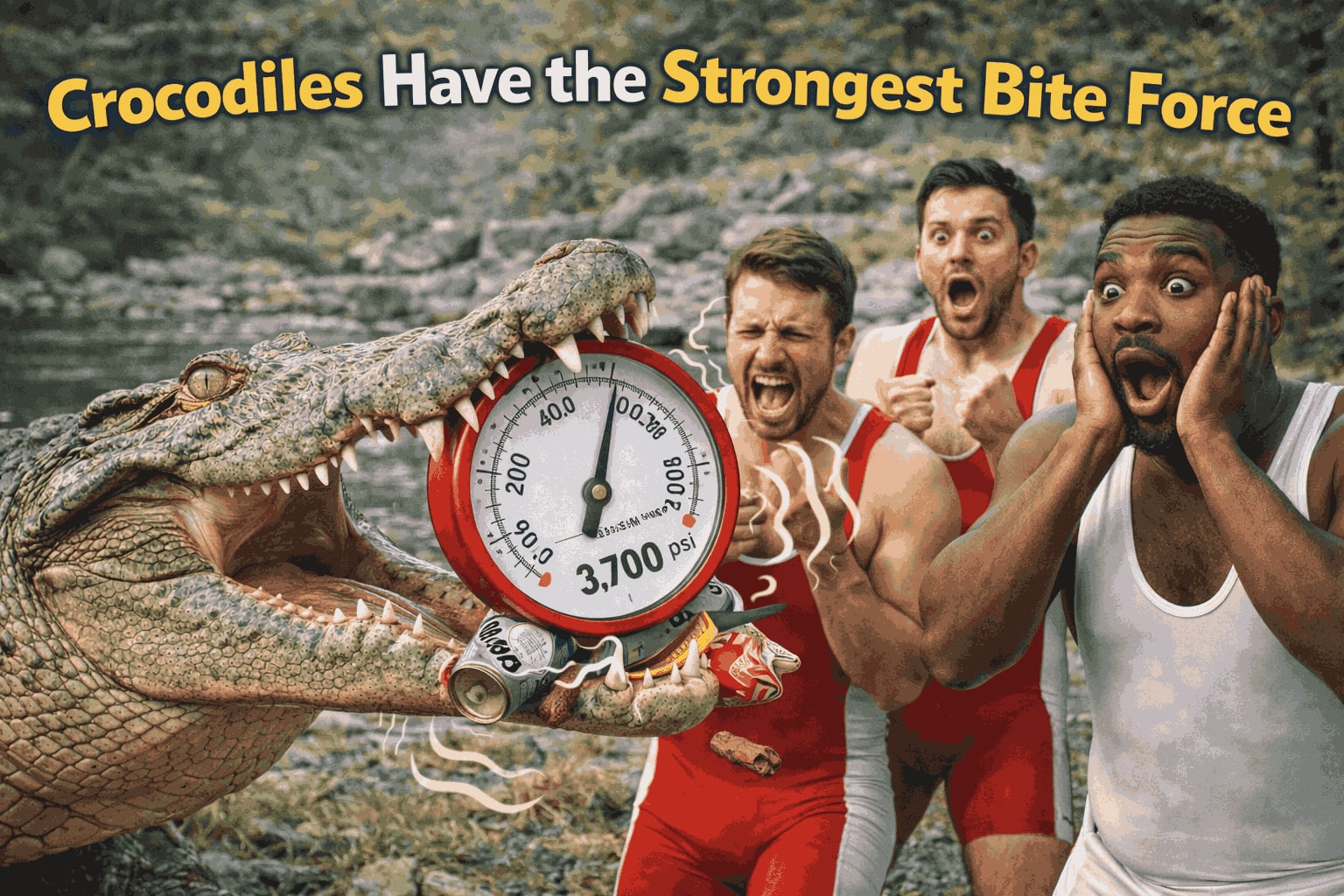
07. Crocodiles Have the Strongest Bite Force
08. Owls Can Rotate Their Heads Almost Fully
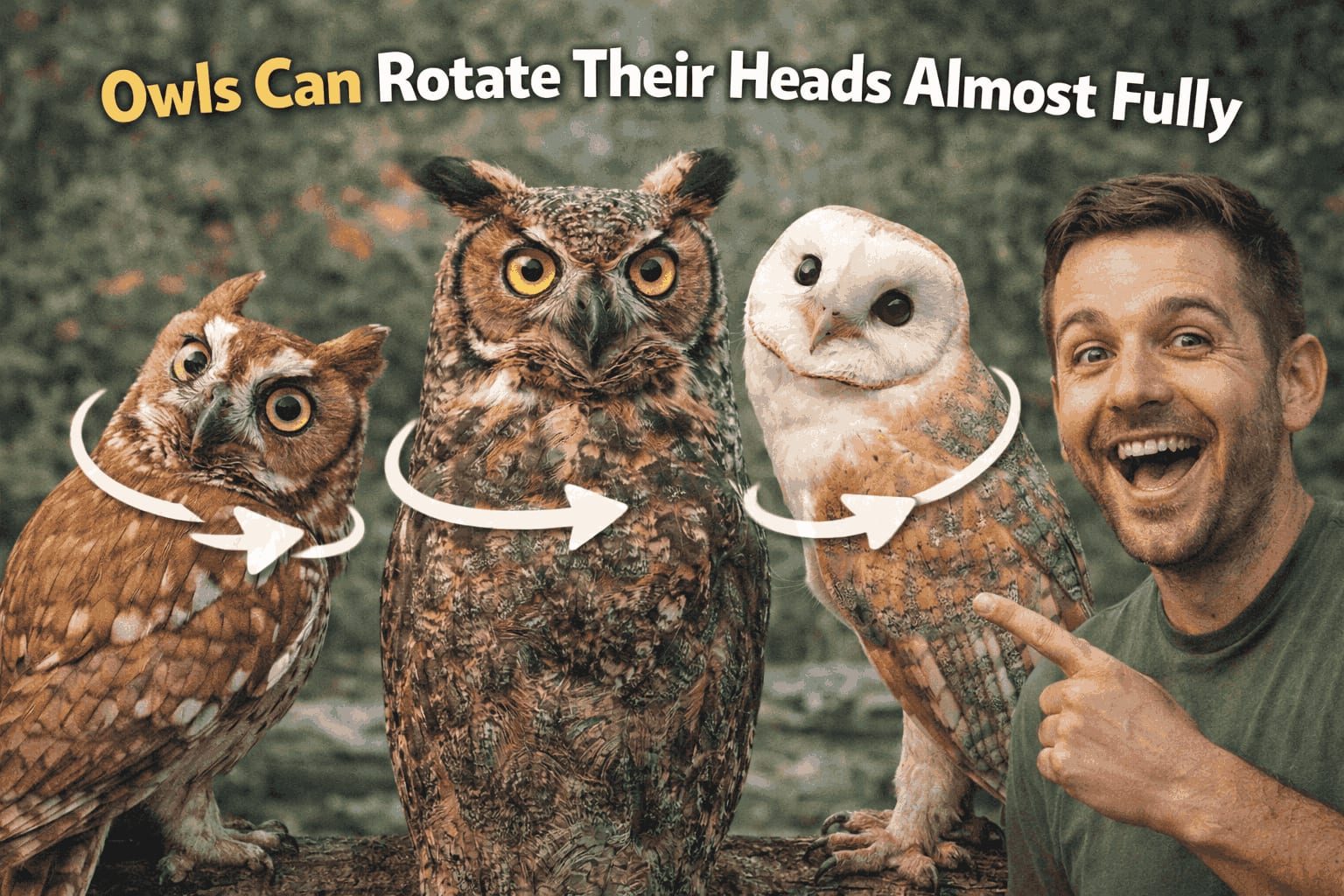
09. Tigers Have Striped Skin, Not Just Fur
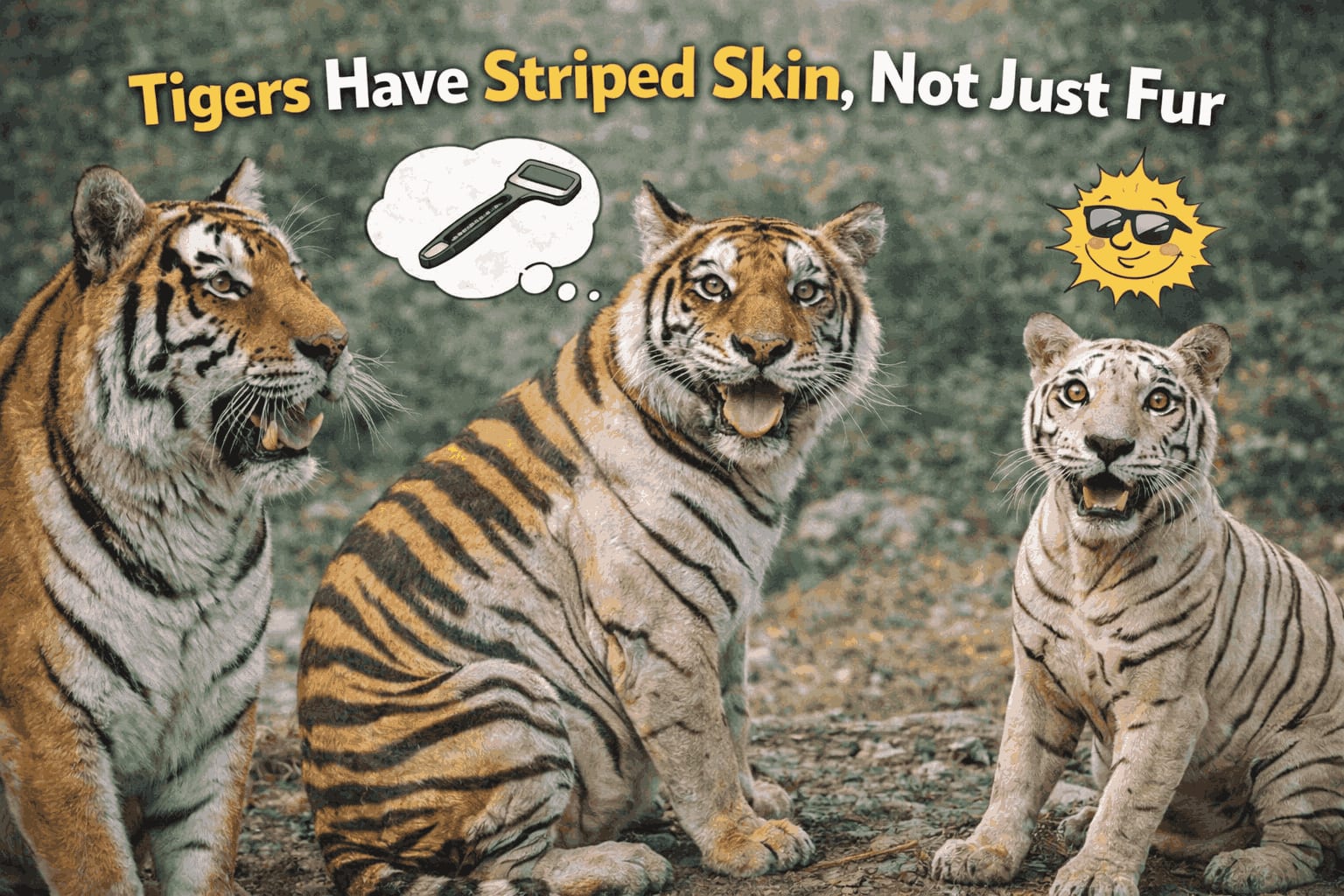
10. Dolphins Are Highly Intelligent Animals
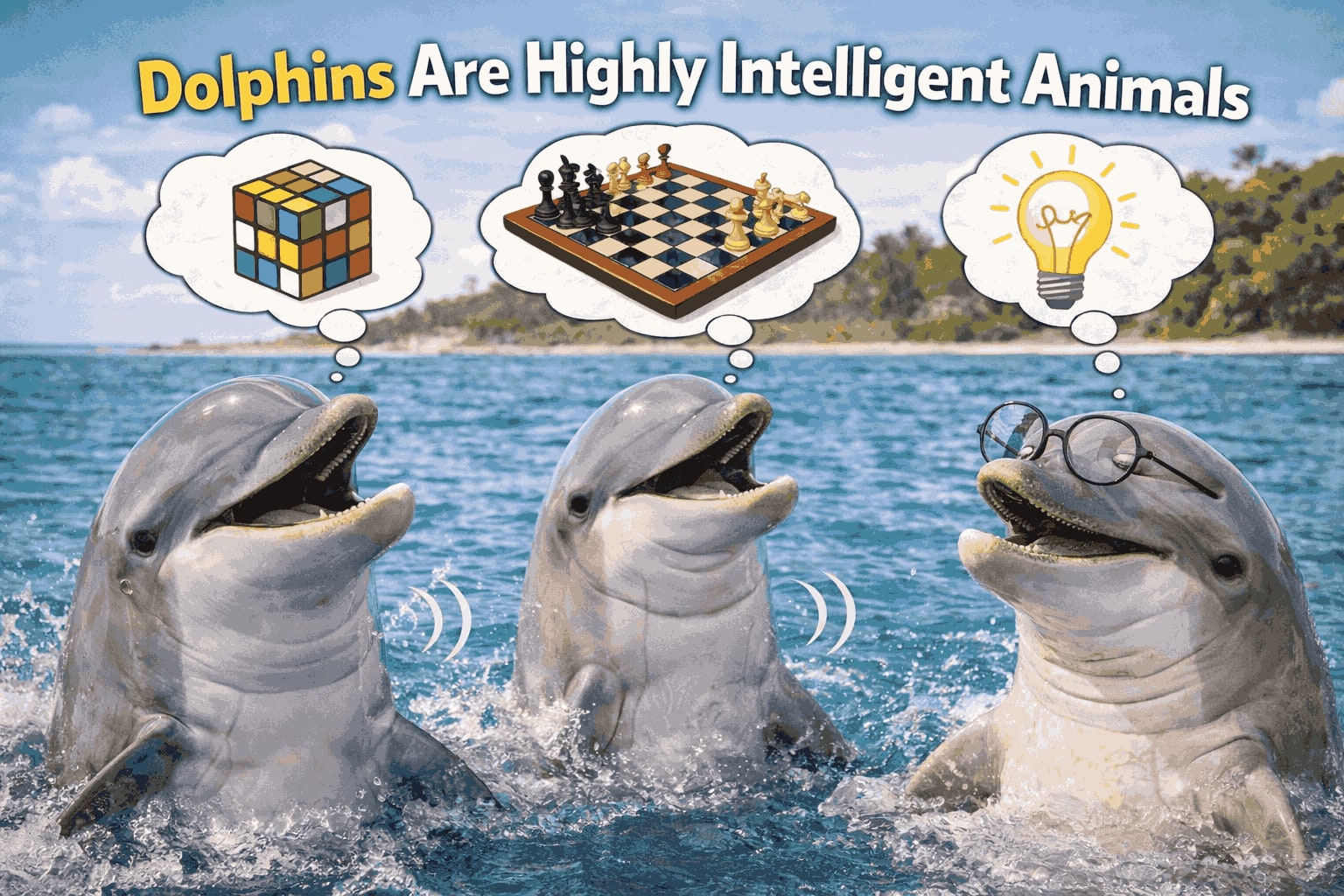
11. Kangaroos Can’t Walk Backward
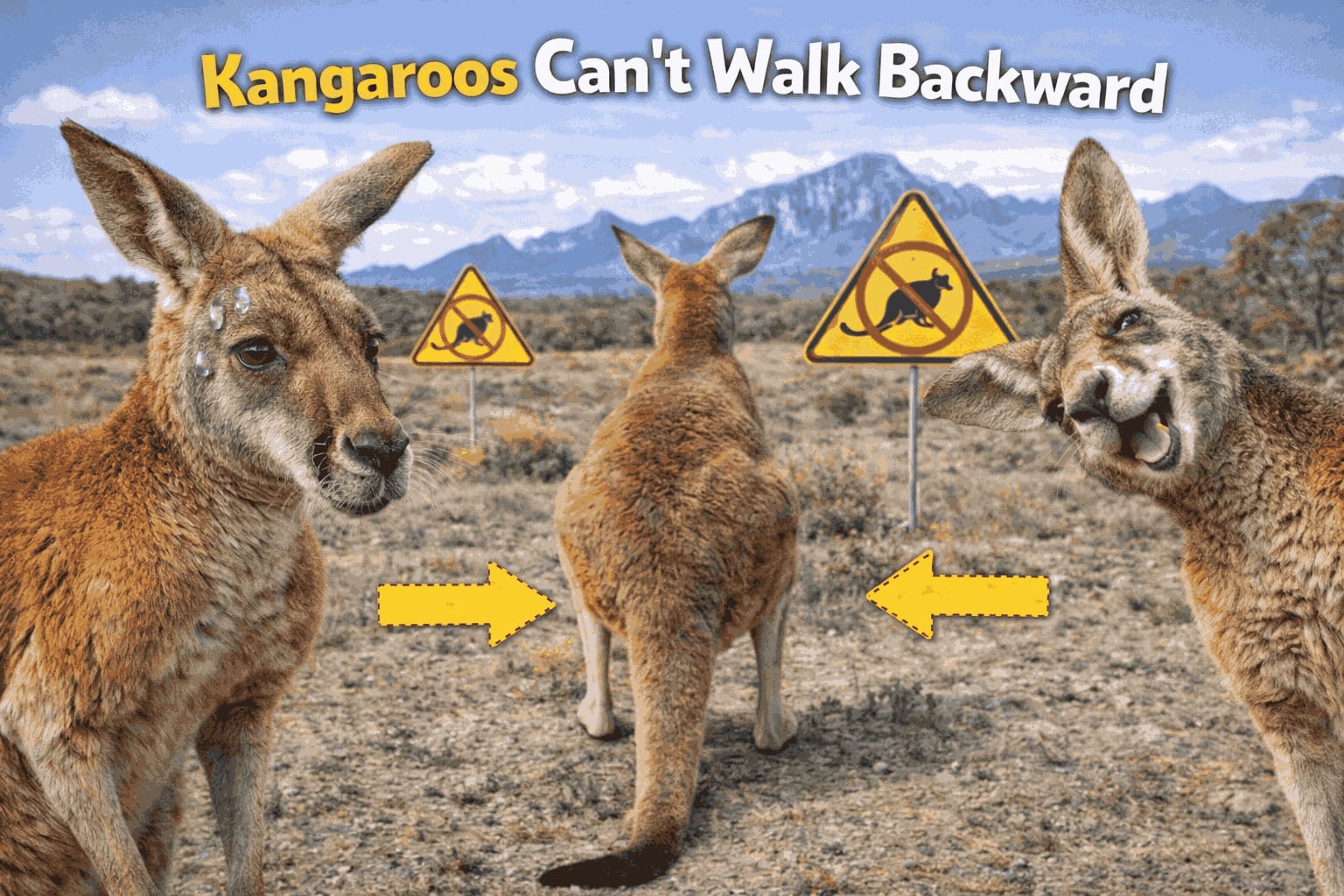
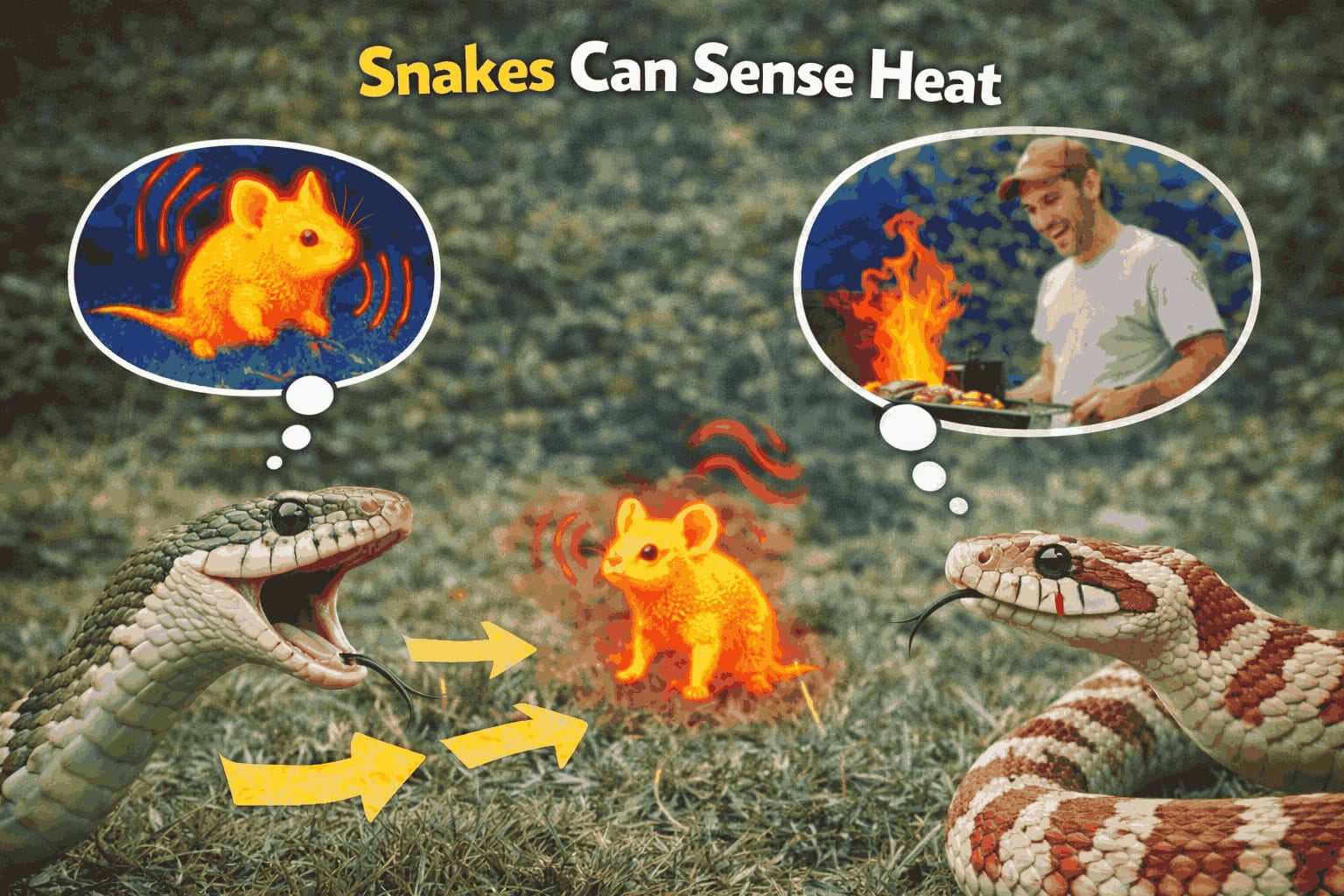
12. Snakes Can Sense Heat
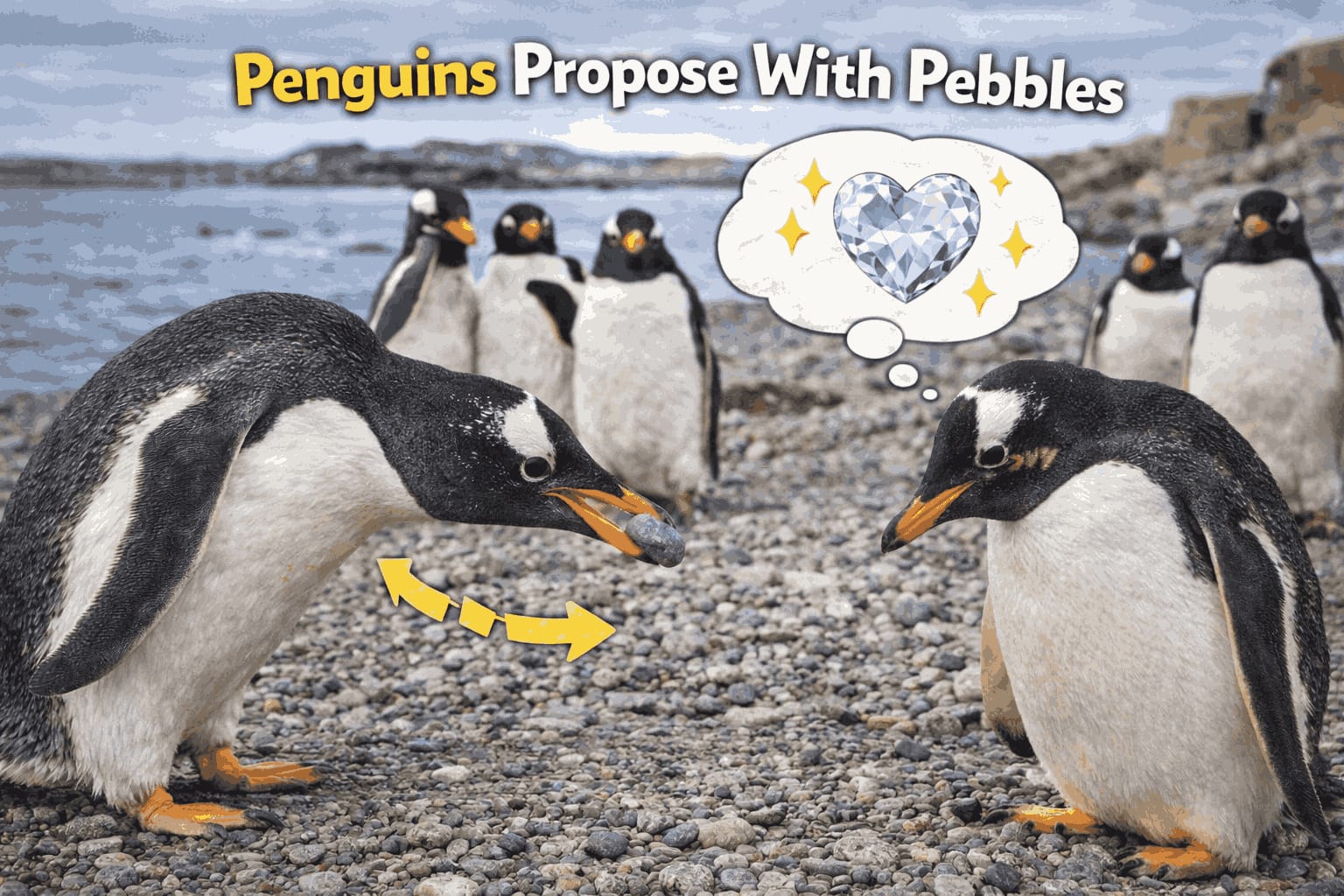
13. Penguins Propose With Pebbles
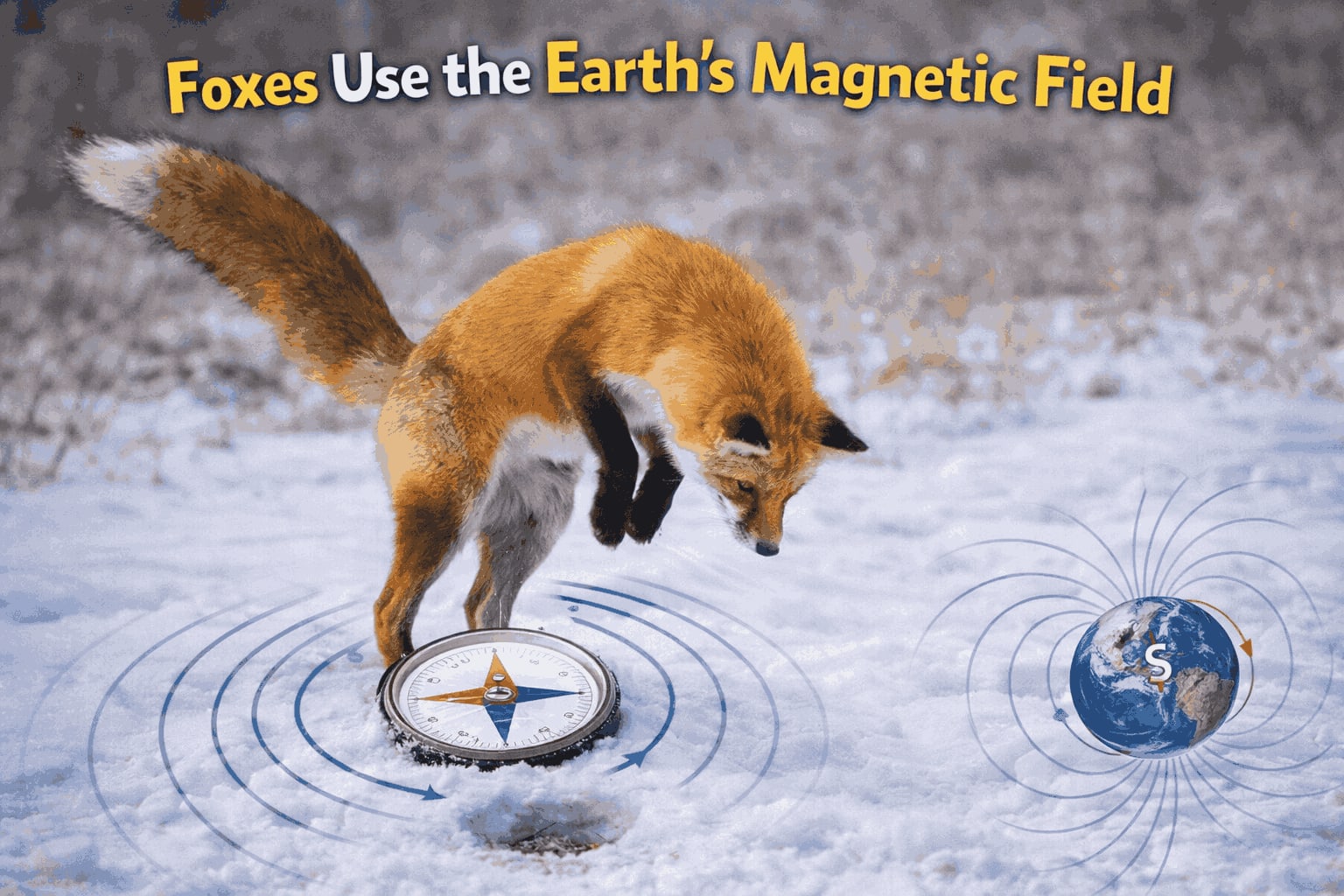
14. Foxes Use the Earth’s Magnetic Field
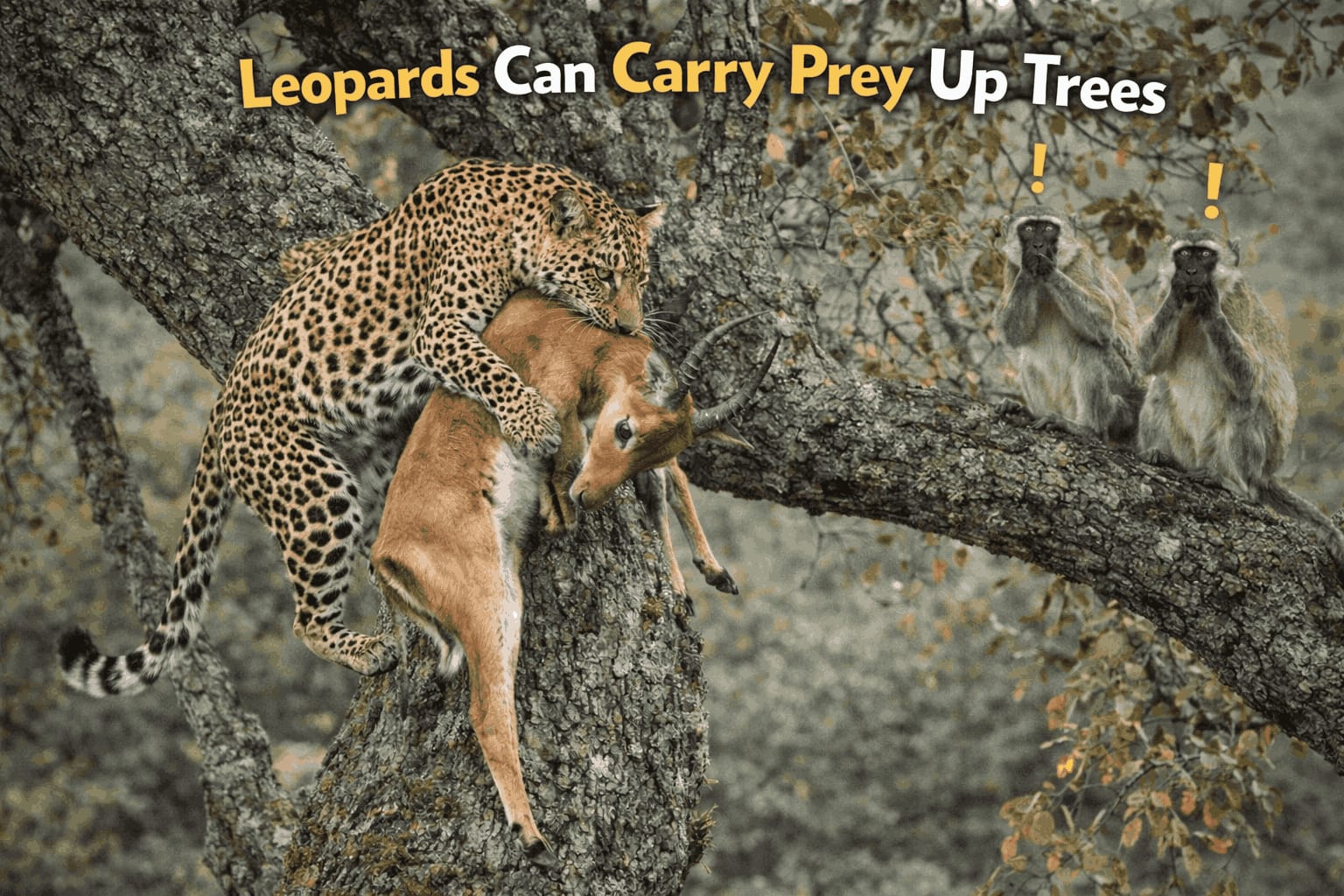
15. Leopards Can Carry Prey Up Trees