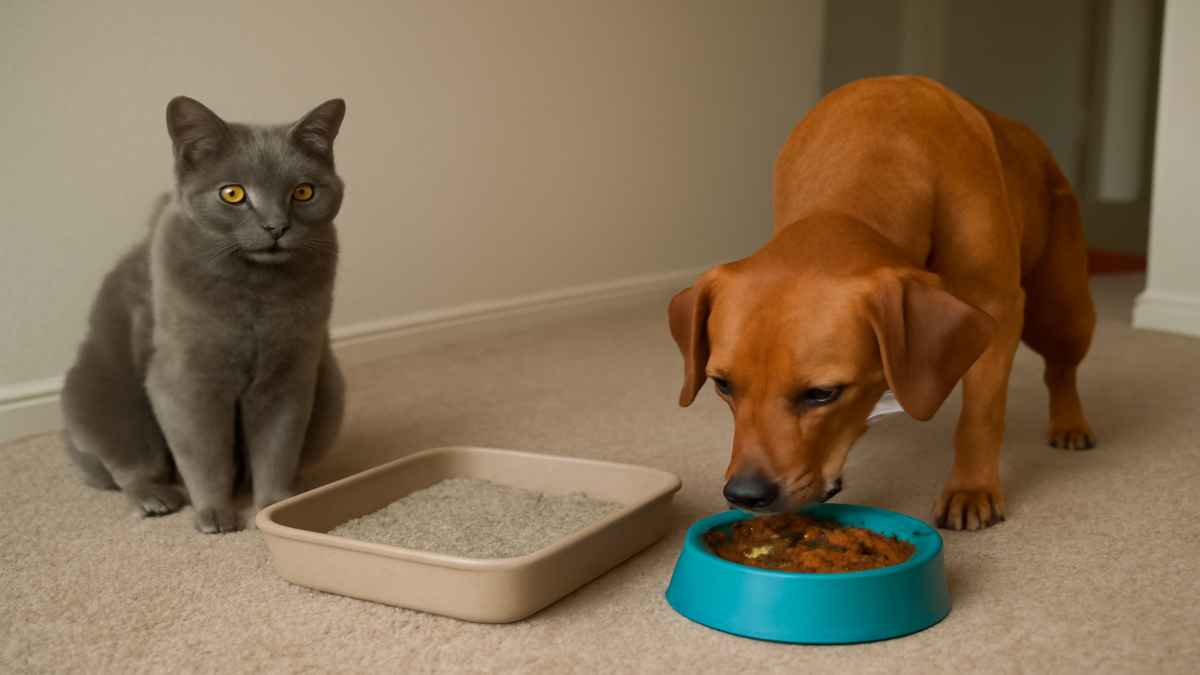
Why Does My Dog Eat Cat Feces? Causes and How to Stop It
By Mohsin Rasheed · Animals · 2025-12-05
Why Does My Dog Eat Cat Feces? Causes and How to Stop It
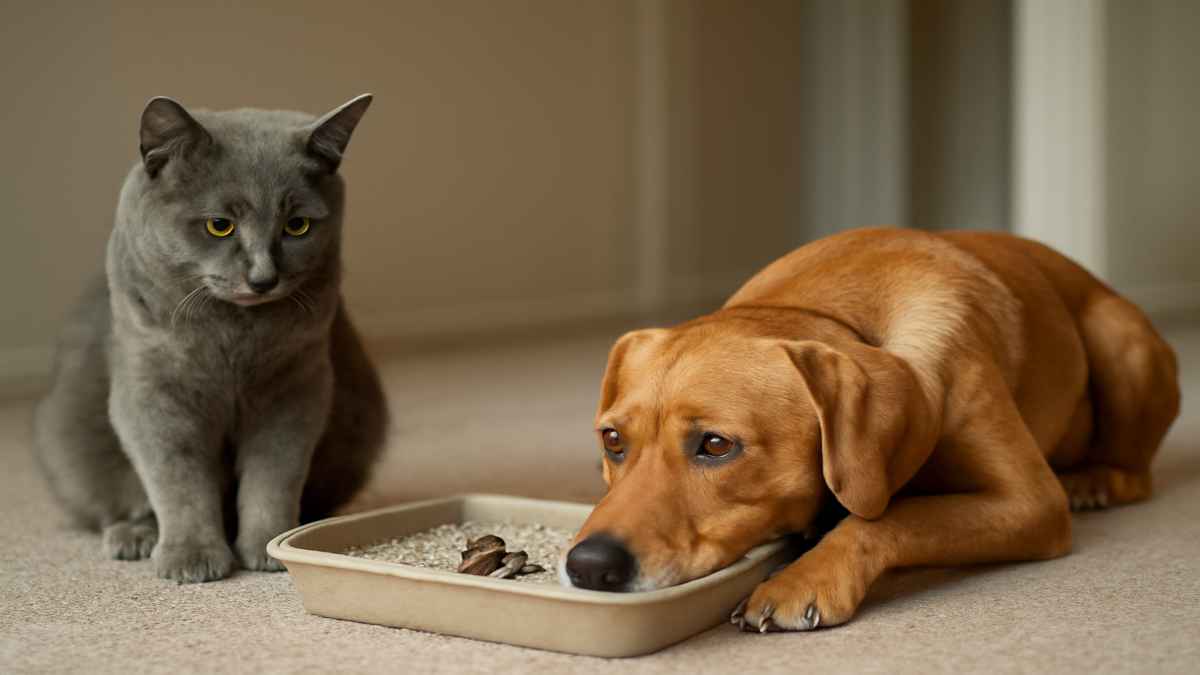
If you share your home with both a dog and a cat, discovering your dog has been treating the litter box as a snack bar is an unpleasant shock. It's also, unfortunately, extremely common. This behavior — called coprophagia — puzzles and disgusts most pet owners, but it has logical explanations rooted in canine biology, nutrition, and psychology. More importantly, it can be effectively prevented once you understand why it happens.
The Nutritional Appeal of Cat Feces
Cats are obligate carnivores requiring diets very high in protein and fat — significantly higher than dogs. Commercial cat food is therefore much richer in both nutrients than comparable dog food. Crucially, a cat's digestive system doesn't extract all available nutrition from its food, leaving partially digested proteins and fats in the feces. From a dog's sensory perspective — guided by an extraordinarily sensitive nose that can detect individual chemical compounds — the litter box smells like a concentrated protein source. This is not a matter of poor taste on your dog's part; it's basic canine olfactory chemistry.
Evolutionary Roots of Coprophagia
Dogs evolved from wolves that survived as opportunistic scavengers in addition to hunters. Consuming feces (of various types) was likely adaptive in environments where food was scarce — extracting whatever residual nutritional value remained in others' waste. Mother dogs instinctively clean up after newborn puppies by consuming their waste to protect the den from predators. This behavior is deeply wired into canine biology. The domesticated dog still carries these ancient instincts, which is part of why the behavior persists despite an apparently adequate modern diet.
Nutritional Deficiencies as a Contributing Factor
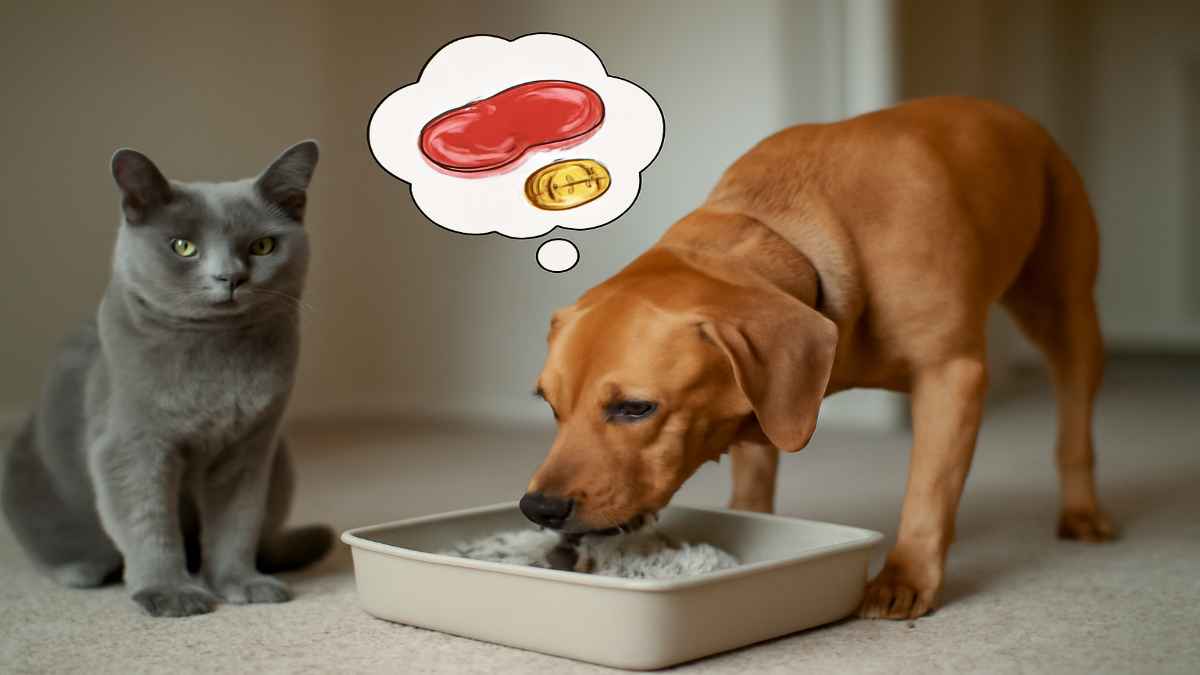
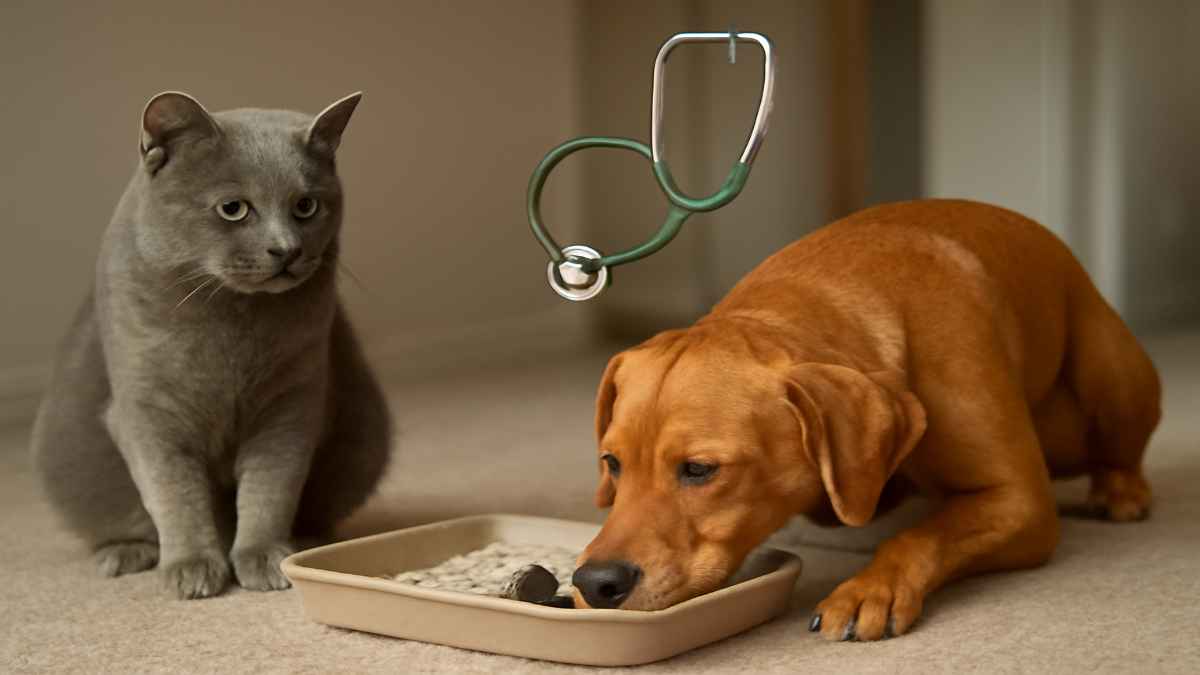
While an evolutionary explanation covers most cases, some dogs develop or intensify coprophagia due to actual nutritional gaps. Deficiencies in B vitamins, digestive enzymes, or certain trace minerals can drive a dog to seek supplementary nutrition from unexpected sources. Dogs with exocrine pancreatic insufficiency (EPI) — a condition where the pancreas doesn't produce adequate digestive enzymes — often exhibit dramatic coprophagia because they're genuinely unable to absorb sufficient nutrition from their food. If the behavior is sudden, intense, or accompanied by weight loss, diarrhea, or changes in coat quality, a veterinary examination for underlying conditions is essential.
Behavioral and Environmental Triggers
Beyond nutrition, several behavioral factors can initiate or maintain coprophagia. Boredom and insufficient mental stimulation lead some dogs to investigate everything in their environment — including the litter box. Dogs that are anxious or under-stimulated, or that spend long periods alone, are more prone to the behavior. Some dogs develop the habit as puppies through normal exploratory behavior and simply never had it consistently redirected. Attention-seeking is another factor: if a dog received an intense reaction (even negative) the first time they visited the litter box, they learned that the behavior reliably summons their owner.
Health Risks to Be Aware Of
Cat feces can carry intestinal parasites including Toxoplasma gondii (particularly concerning if you have immunocompromised family members), Giardia, Cryptosporidium, and various bacteria. Dogs that regularly consume cat feces should be checked for parasites more frequently than average. If your cat is on medications — particularly antiparasitic treatments — consuming their feces can expose your dog to pharmaceutical compounds in amounts that could cause adverse effects. Discuss the habit with your veterinarian, who may recommend adjusted parasite prevention protocols for your dog.
Prevention Strategy 1: Restrict Access
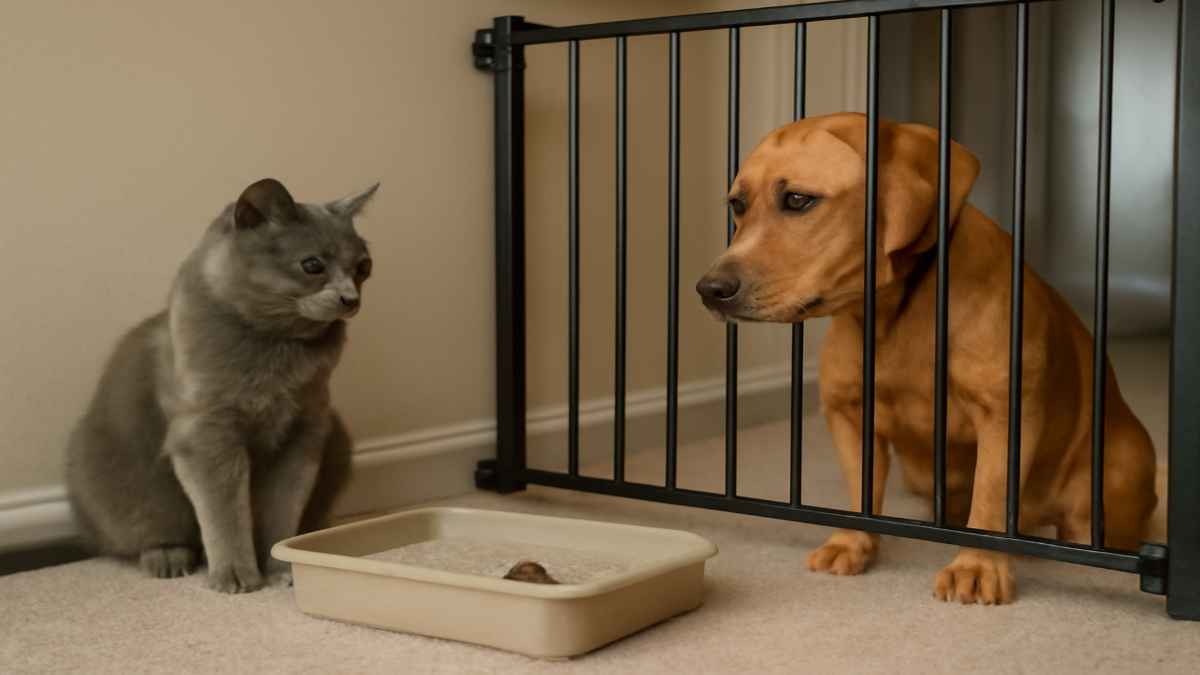
The most reliable and immediate solution is physical prevention. Make the litter box inaccessible to the dog while remaining accessible to the cat. Options include: placing the litter box in a room blocked by a baby gate with a cat door cut in, using a covered top-entry litter box (most dogs cannot access these), placing the box on an elevated surface the cat can jump to but the dog cannot, or installing a cat door into a laundry room or bathroom where the litter box is kept. Physical separation is 100% effective and requires no dog training whatsoever.
Prevention Strategy 2: Rigorous Litter Box Maintenance
The litter box is only attractive if it contains material worth investigating. Scooping the litter box multiple times daily — particularly immediately after the cat uses it — removes the reward before the dog can access it. Many cats will use a consistently clean box more predictably, which makes timing easier. While this requires effort and consistency, it's very effective when combined with restricted access. Some pet owners use motion-activated self-cleaning litter boxes, which scoop waste within minutes of use and eliminate the attraction almost entirely.
Prevention Strategy 3: Training and Redirection
Training the "leave it" command is a powerful tool for managing many undesirable dog behaviors, including litter box investigation. Practice this command in low-distraction settings first, build a strong reinforcement history, then gradually generalize to higher-distraction situations including proximity to the litter box. When you catch your dog approaching the litter box, calmly redirect to an incompatible behavior (going to their bed, sitting, or coming to you for a treat). Consistency is everything: every successful redirection reinforces the alternative behavior; every successful litter box raid reinforces the unwanted one.
Prevention Strategy 4: Dietary Assessment
Review your dog's diet with your veterinarian. Ensure you're feeding an AAFCO-complete diet appropriate for your dog's age, size, and health status. If your dog seems to exhibit nutritional-seeking behaviors more broadly, discuss whether their current food is meeting their needs. Some veterinarians recommend digestive enzyme supplements for dogs with coprophagia driven by inadequate digestion. Probiotic supplements to support gut health may also be beneficial for some dogs, though the evidence base is still developing.
When to See a Veterinarian
If the behavior is new, sudden, or intensifying, schedule a veterinary appointment. Sudden onset coprophagia in an adult dog that previously showed no interest in the litter box can indicate an underlying medical condition, including EPI, malabsorption disorders, or other nutritional issues. If the behavior is accompanied by increased appetite, weight loss, changes in stool consistency, or lethargy, don't delay — these symptoms together warrant prompt medical evaluation. For most dogs, though, coprophagia is a behavioral and management issue, not a medical one — and with the right combination of prevention strategies, it's entirely solvable.
Your dog isn't broken, bad, or disgusting — they're doing something that makes complete sense from their evolutionary and sensory perspective. With physical prevention, consistent training, and a veterinary check to rule out nutritional issues, litter box raiding is one of the most manageable pet behavior challenges you'll face. Take the practical steps, be consistent, and you'll both be happier for it.
This is general information, not veterinary advice. Ask your vet about your pet.
01. What Is Coprophagia?
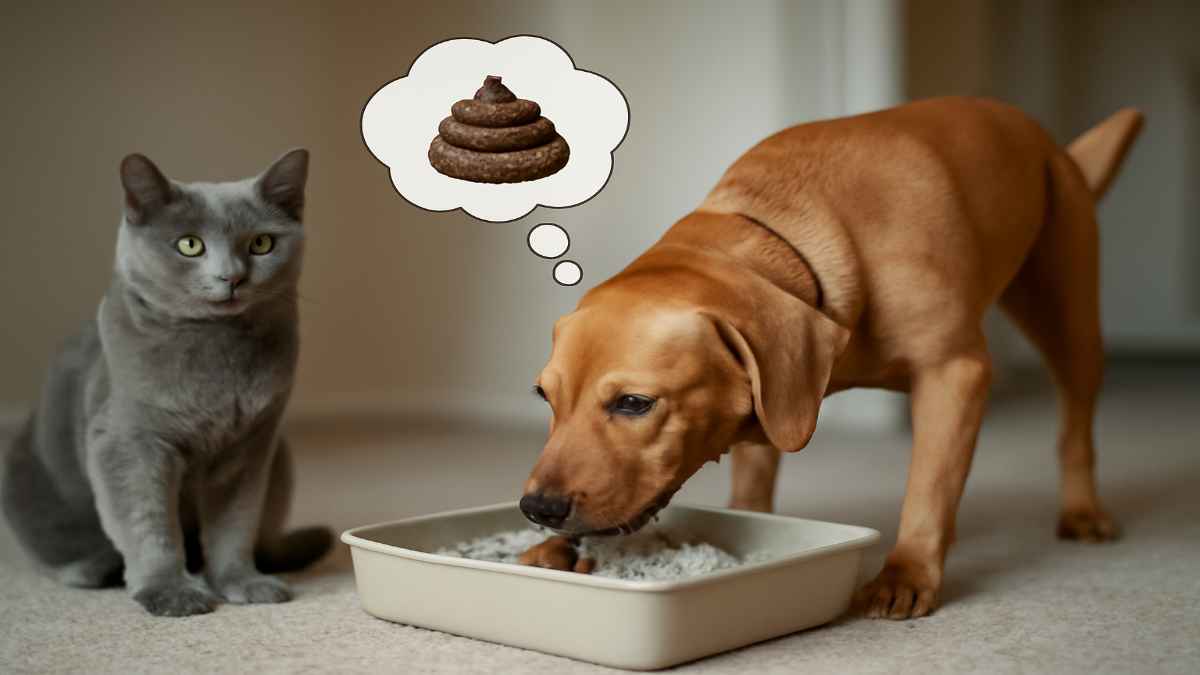
02. Nutritional Deficiencies Can Trigger It
03. Curiosity and Instinct
04. Boredom or Anxiety
05. Medical Reasons
06. How to Stop Your Dog from Eating Cat Feces
07. Safe Alternatives and Prevention Tips