Home Decor Ideas: Beautiful Ways to Transform Your Home in 2025
By Muhammad Qadeer · Home & Decor · 2025-12-01
Home Decor Ideas: Beautiful Ways to Transform Your Home in 2025
Your home is more than a place to sleep — it's the backdrop of your daily life, the environment that shapes your mood, productivity, and sense of well-being. The good news is that transforming your space doesn't require a massive budget or a professional interior designer. With some thoughtful choices, a few key pieces, and a willingness to experiment, you can create a home that feels genuinely beautiful and deeply personal. Here are the most inspiring home decor ideas to consider this year.
1. Embrace the Warm Minimalism Movement
The cold, stark minimalism of white walls and empty surfaces has given way to a warmer, more livable version: fewer but better pieces, natural materials, warm neutrals, and personal touches that make a space feel curated rather than clinically empty. Think cream linen sofas, honey-toned wood furniture, handmade ceramics, and plants in terracotta pots. Warm minimalism is about editing rather than eliminating — creating a calm, breathing space that feels welcoming rather than showroom sterile.
2. Statement Arches and Curved Forms
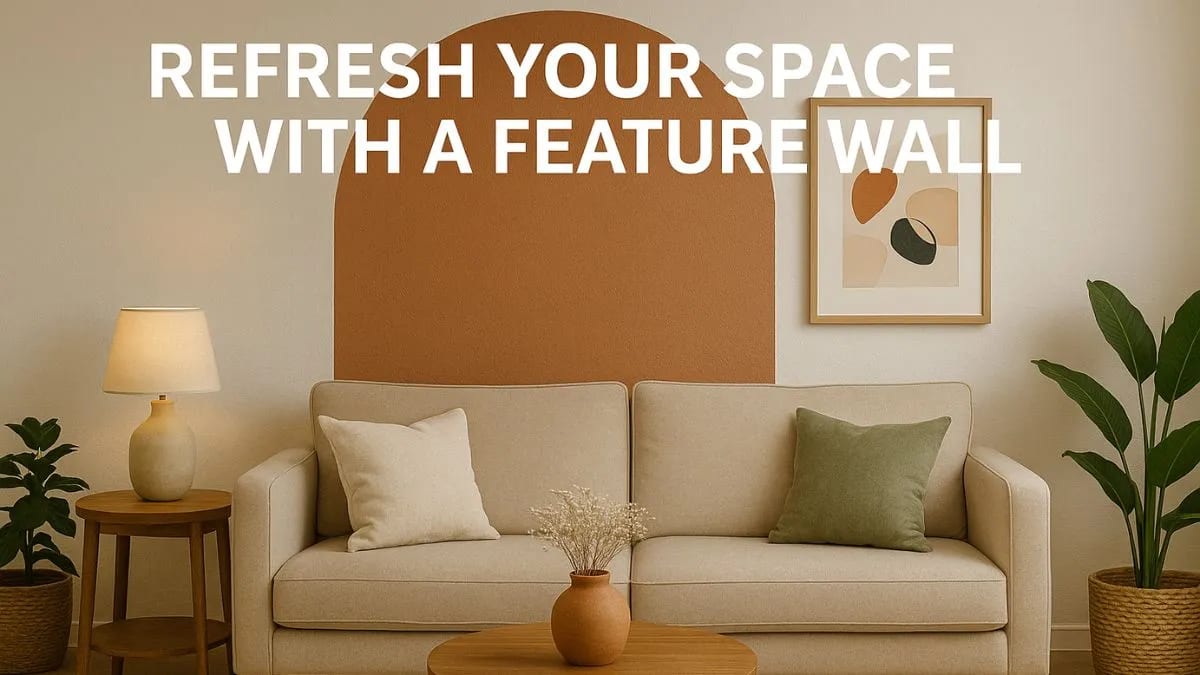
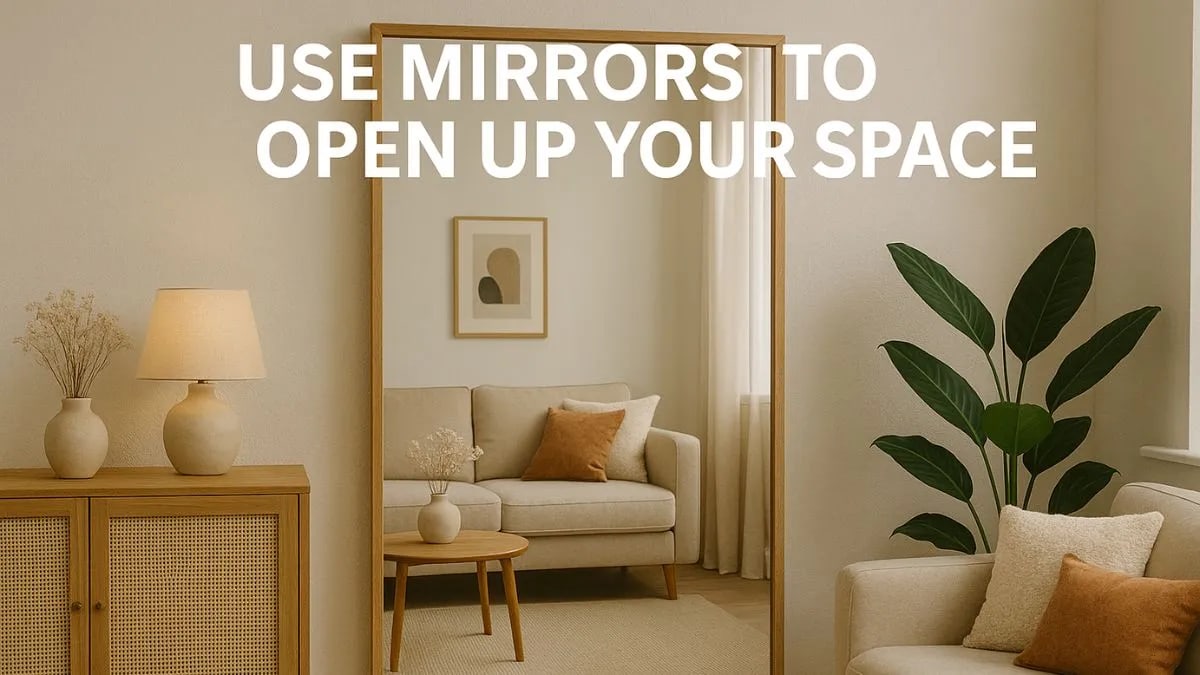
Architectural arches and curved forms have become one of the most beloved design trends — and unlike most trends, this one has genuine staying power because it softens the hard angles that dominate modern architecture and furniture. Consider adding a freestanding arched mirror, furniture with curved silhouettes (curved sofas, round dining tables, oval coffee tables), or even paint or plaster an arch detail onto an existing doorway. Curves create a softness and visual flow that makes spaces feel more relaxed and inviting.
3. Biophilic Design: Bring Nature Indoors
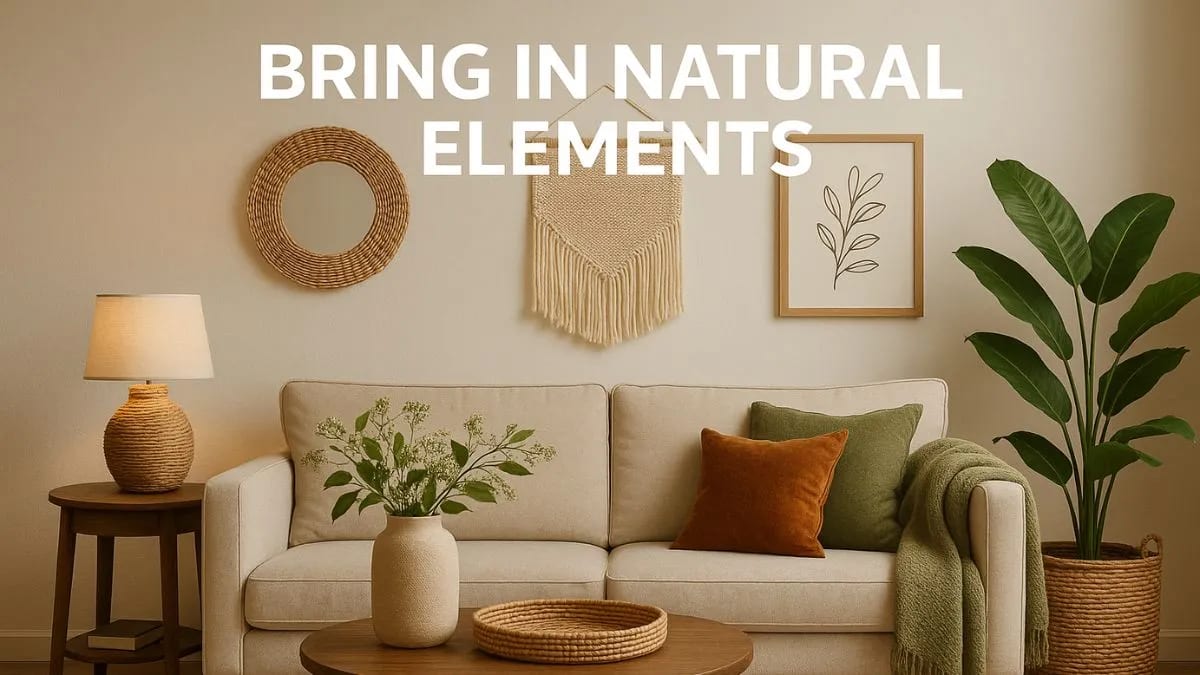
Biophilic design — the practice of integrating natural elements into interior spaces — has moved from trend to established design philosophy, backed by research showing that access to natural elements reduces stress, improves mood, and increases productivity. Beyond houseplants (though do add more plants), this means incorporating natural wood, stone, wicker, and cotton; maximizing natural light with sheer curtains; adding a water feature; using nature-inspired artwork; and choosing colors drawn from landscapes — terracotta, sage green, ocean blue, warm sand.
4. Vintage and Thrifted Statement Pieces
Sustainability and individuality are both driving a massive interest in vintage and thrifted furniture. A pre-loved mid-century modern sideboard, a vintage rug with character, or an antique mirror found at a flea market brings history, uniqueness, and environmental consciousness to a space. Mixing vintage pieces with contemporary furniture creates the collected, evolved look that feels most genuinely personal. Charity shops, estate sales, antique markets, and online resale platforms are full of remarkable finds that cost a fraction of equivalent new items.
5. Textured Walls: Limewash and Plaster Effects
Flat painted walls are giving way to textured surfaces that add depth, movement, and artisanal quality. Limewash paint — which creates a soft, mottled effect with apparent depth — is particularly popular for its ability to make walls look centuries old in the most beautiful possible way. Venetian plaster, Roman clay, and textured paint techniques create walls that function almost as art installations. These finishes photograph beautifully and make spaces feel both organic and sophisticated.
6. Create a Gallery Wall
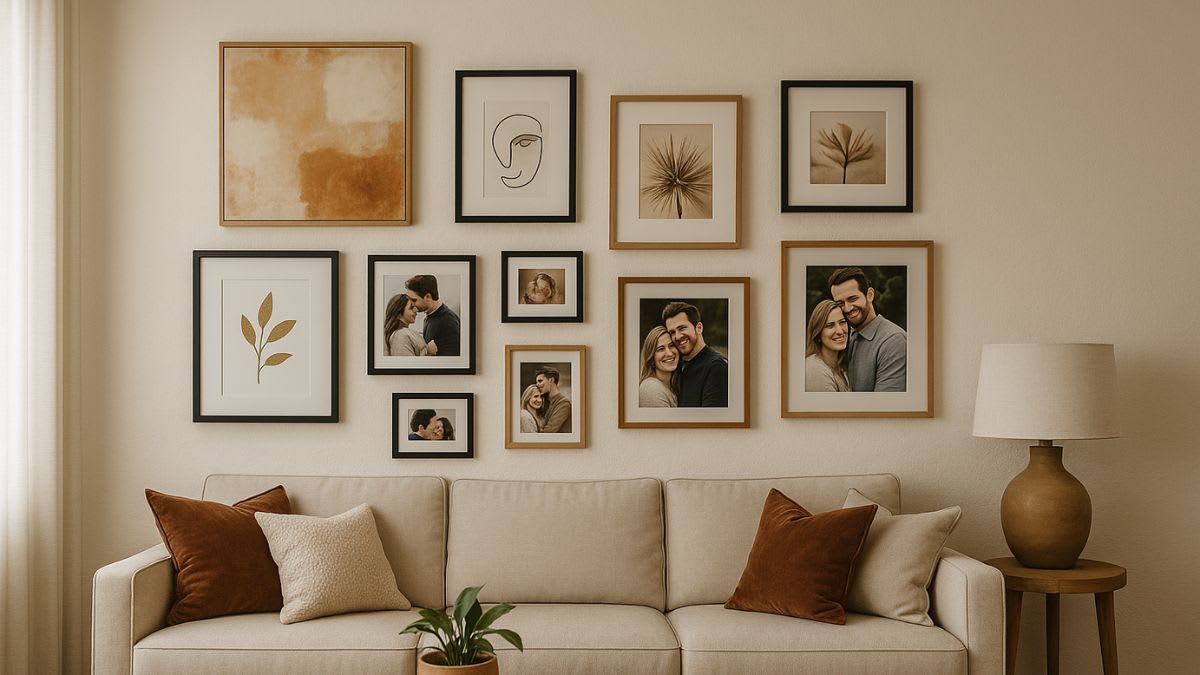
A gallery wall — a collection of artwork, photographs, and meaningful objects arranged on a wall — is one of the most personal and impactful decor choices you can make. The key to a gallery wall that looks curated rather than chaotic: choose frames with a consistent material or color family, maintain consistent spacing between pieces (about 2-3 inches), include pieces of varying sizes but anchor with one larger piece, and mix art with other objects like small shelves, mirrors, or hanging plants. The content should tell your story — travel photos, meaningful prints, children's artwork — rather than matching a predetermined aesthetic.
7. Invest in One Spectacular Rug
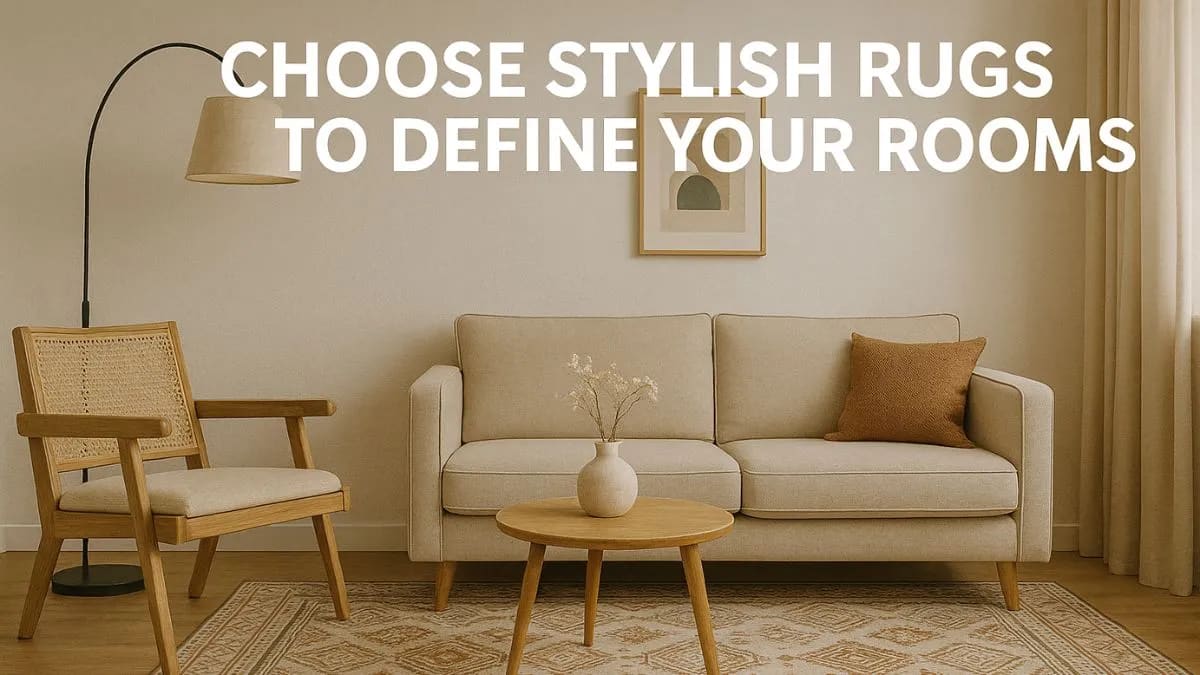
If you can make only one significant home decor investment, make it a great rug. A beautiful rug anchors a room, defines zones in open-plan spaces, adds warmth, texture, and color, absorbs sound, and makes every piece of furniture in its vicinity look more intentional and complete. The most important rule: buy larger than you think necessary — a rug that's too small makes a room look smaller and less finished, while an appropriately oversized rug makes even modest furniture look luxurious. Consider a hand-knotted vintage or antique rug for maximum character and longevity.
8. Layer Your Lighting
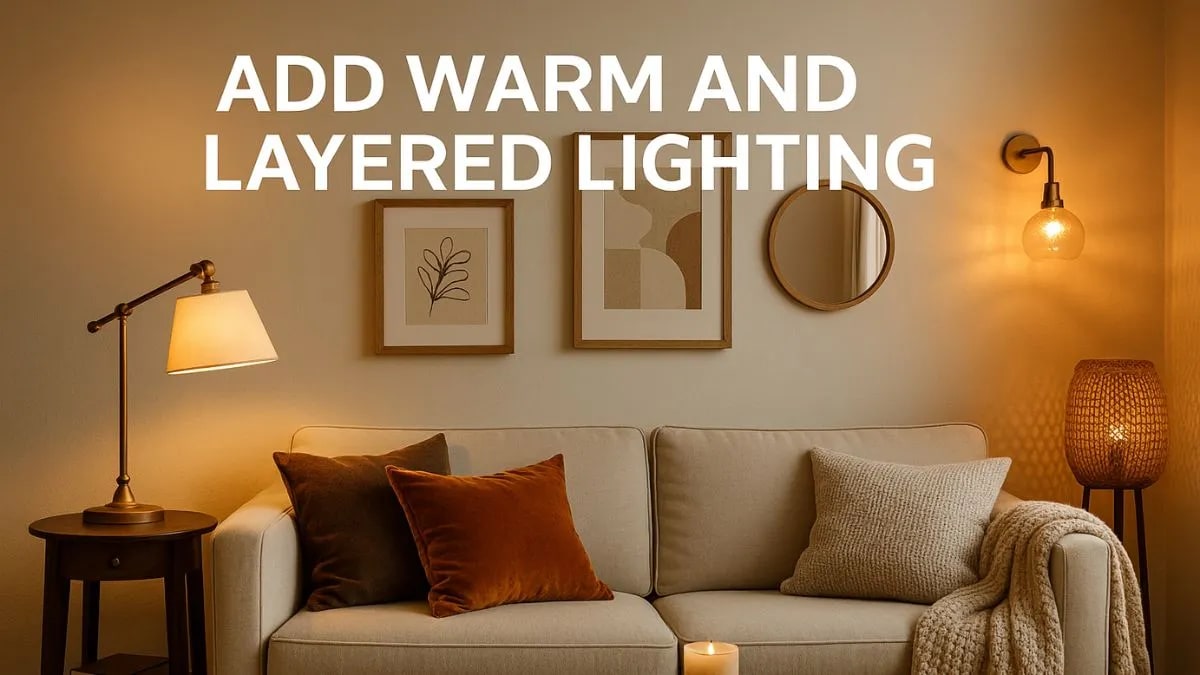
The single most impactful and overlooked element of home decor is lighting. Most rooms rely on a single overhead fixture that creates flat, harsh illumination. Transformative lighting means layering three types: ambient (overall room illumination), task (focused functional light), and accent (light that creates mood and highlights features). Add floor lamps, table lamps, and wall sconces at different heights; install dimmer switches; use warm-toned bulbs (2700-3000K) in living spaces. The same room looks completely different at different lighting levels — and good layered lighting is the fastest way to make any space feel dramatically more welcoming.
9. Scent: The Forgotten Design Element
A home's scent is as important to its atmosphere as its visual design — and it's almost entirely overlooked in conventional interior design advice. Candles, reed diffusers, fresh flowers, potted herbs on a kitchen windowsill, and the simple choice to open windows and let fresh air circulate all contribute to how a space feels. Research consistently shows that scent triggers memory and emotion more powerfully than any other sense. Choosing a consistent, pleasant home scent that you associate exclusively with your space creates a deeply personal ambient environment that greets you every time you walk through the door.
10. Declutter Relentlessly and Edit Often
No amount of beautiful furniture, art, or accessories compensates for visual clutter. The single most impactful thing most people can do for their home's appearance and their own peace of mind is reduce the number of objects in it. The KonMari principle — keeping only what brings genuine joy or serves a genuine purpose — is not just a tidying philosophy but a design principle. Beautiful spaces have room to breathe. Objects have space to be seen. Surfaces have moments of emptiness that allow the eye to rest. Edit your possessions aggressively, and whatever remains will look dramatically better in the space it occupies.
Your home should feel like a genuine expression of who you are — a place that restores you, inspires you, and makes daily life more beautiful. You don't need unlimited funds or a designer's eye: you need intention, patience, and willingness to make choices that reflect your authentic taste rather than what's currently trendy. Start with one room, make it truly yours, and let it inspire the rest of the house. The result will be a home you genuinely love coming back to.
01. Add Warm and Layered Lighting
02. Bring Nature Indoors with Plants
03. Refresh Your Space with a Feature Wall
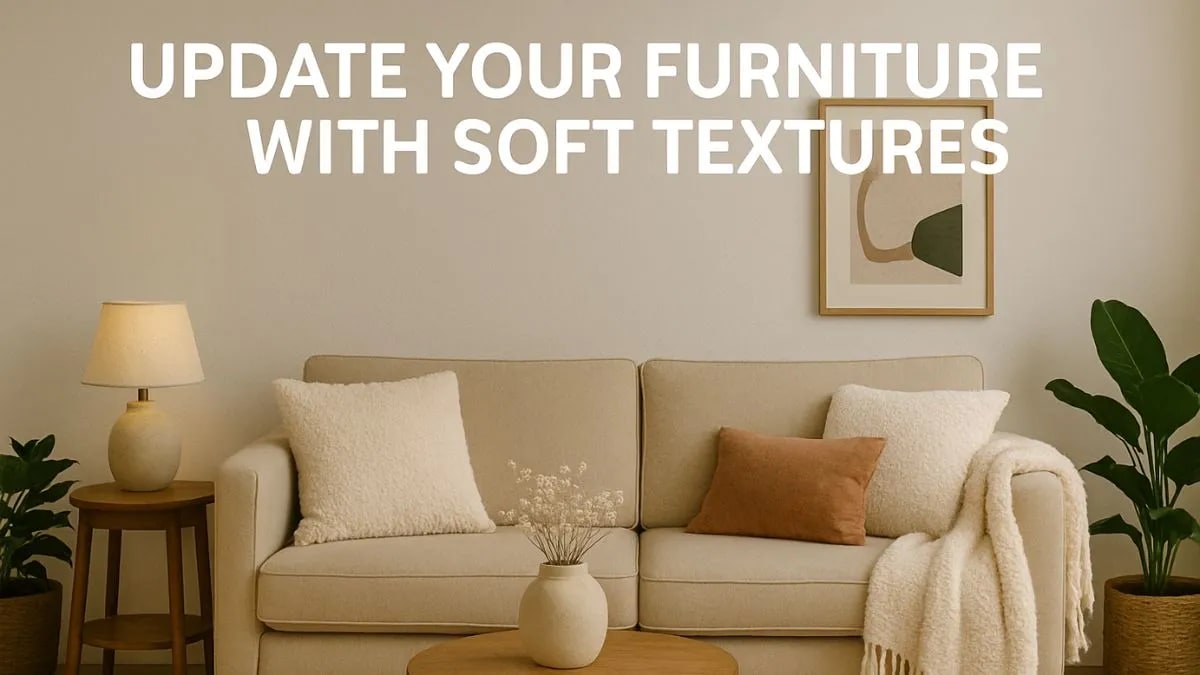
04. Update Your Furniture with Soft Textures
05. Use Mirrors to Open Up Your Space
06. Choose Stylish Rugs to Define Your Rooms
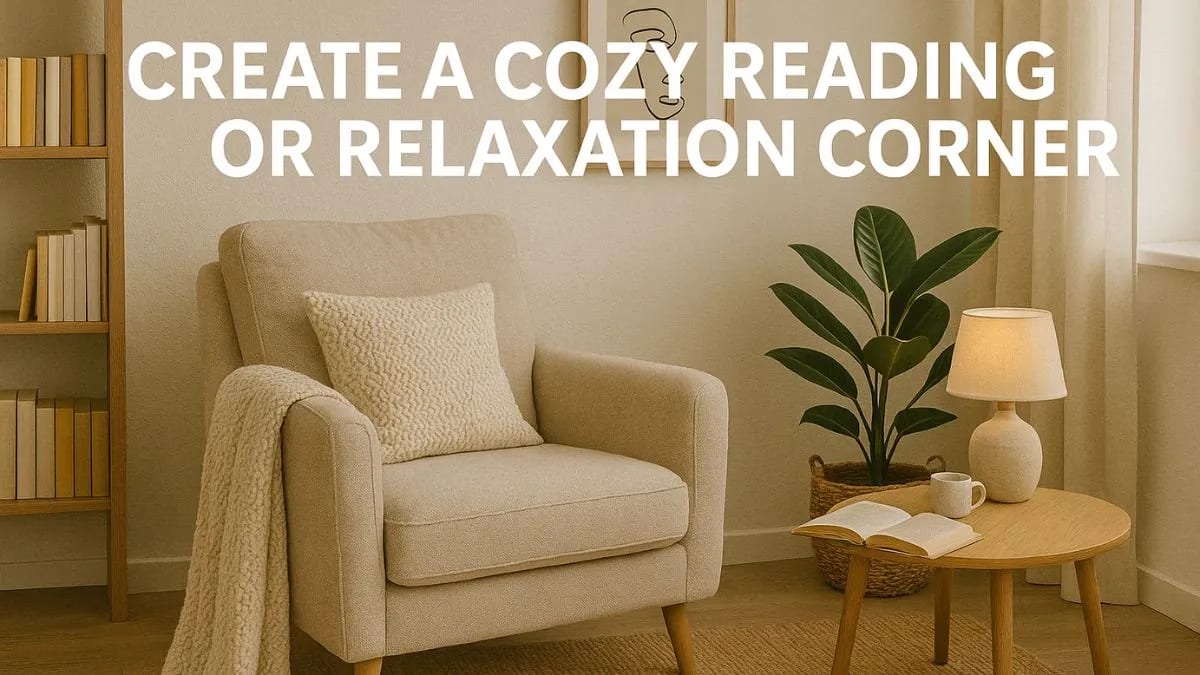
07. Create a Cozy Reading or Relaxation Corner
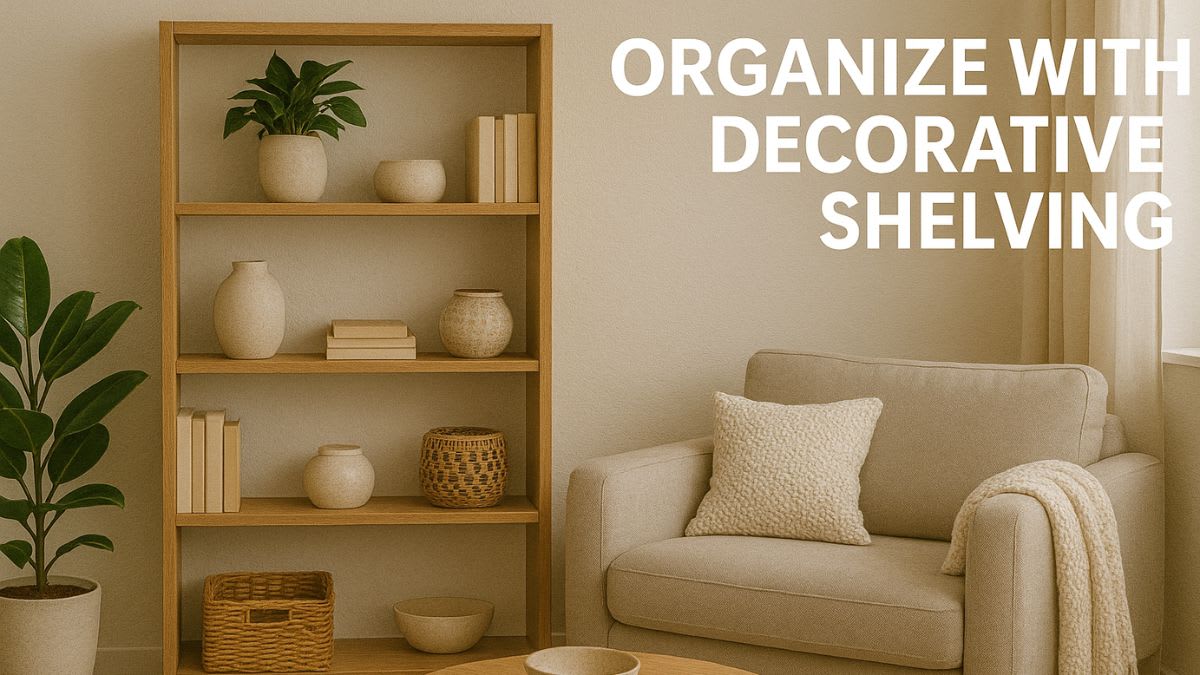
08. Organize with Decorative Shelving
09. Add Personality with Wall Art and Photos