How Humans Behave When the WiFi Stops Working
By Muhammad Qadeer · Funny · 2025-12-30
In contemporary society, wireless internet connectivity has evolved from a technical convenience into a psychological necessity. WiFi mediates communication, work, entertainment, and even emotional regulation. When this invisible infrastructure collapses, human behavior undergoes an abrupt and revealing transformation. The sudden absence of connectivity exposes dependency patterns, emotional fragility, and cognitive discomfort that often remain hidden beneath constant digital stimulation. This article presents a detailed, humorous, yet academically reflective exploration of how individuals behave when WiFi stops working.
01. The Immediate Denial Phase
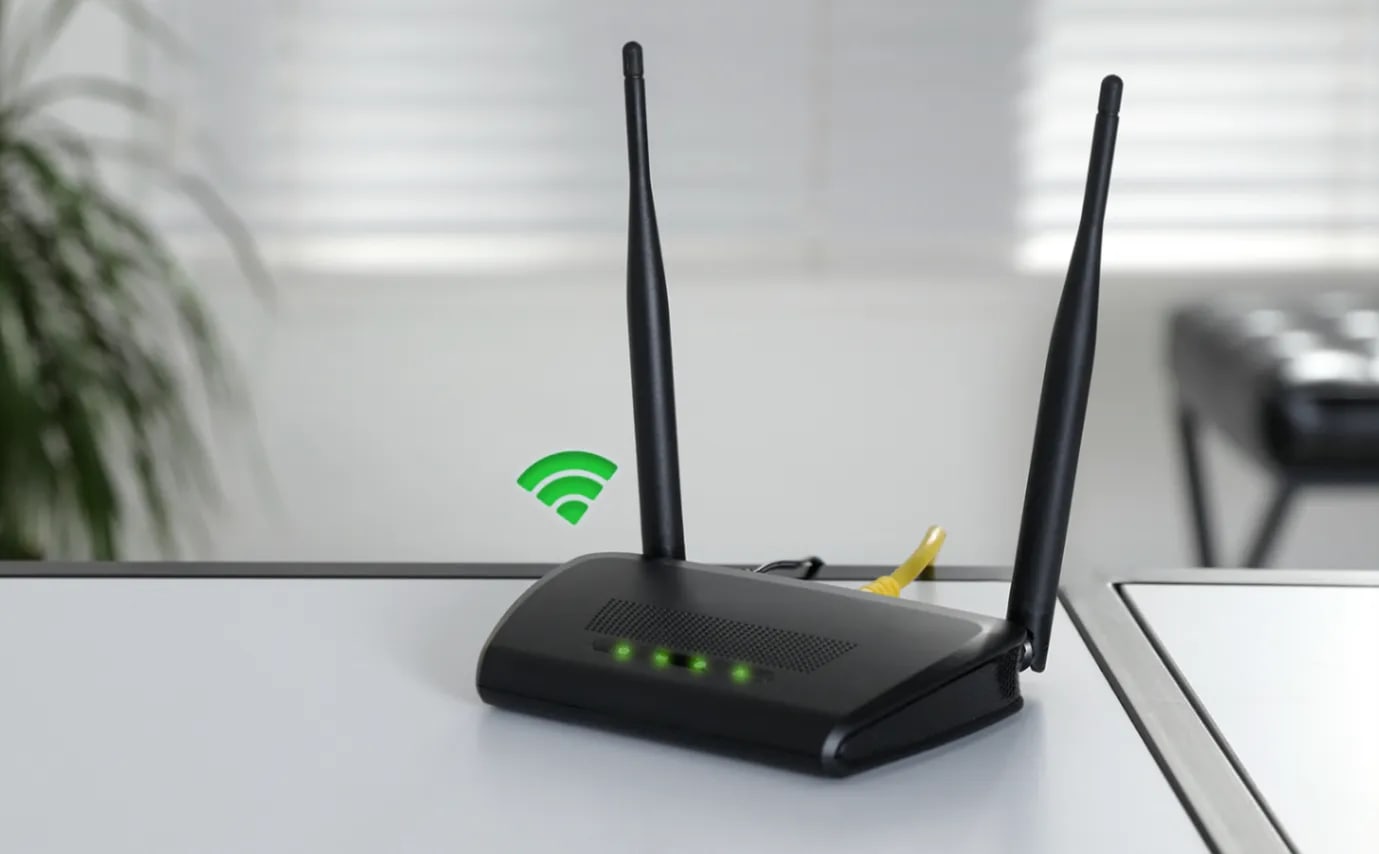
The first behavioral response to WiFi failure is denial. Individuals instinctively assume the disruption is temporary or imagined. Applications are refreshed repeatedly, airplane mode is toggled on and off, and devices are restarted without logical justification. This behavior reflects a classic psychological defense mechanism, where the mind resists accepting inconvenient reality. Denial provides brief emotional protection, delaying frustration. Users convince themselves that connectivity will resume within seconds, despite mounting evidence to the contrary. This stage is marked by hope-driven irrational actions and misplaced optimism. The persistence of denial highlights how deeply uninterrupted connectivity has become normalized. Humans struggle not with the absence of WiFi itself, but with the sudden collapse of expectation. This moment reveals the fragile psychological contract between humans and technology, where uninterrupted access is subconsciously assumed rather than appreciated.
02. The Router Inspection Ritual
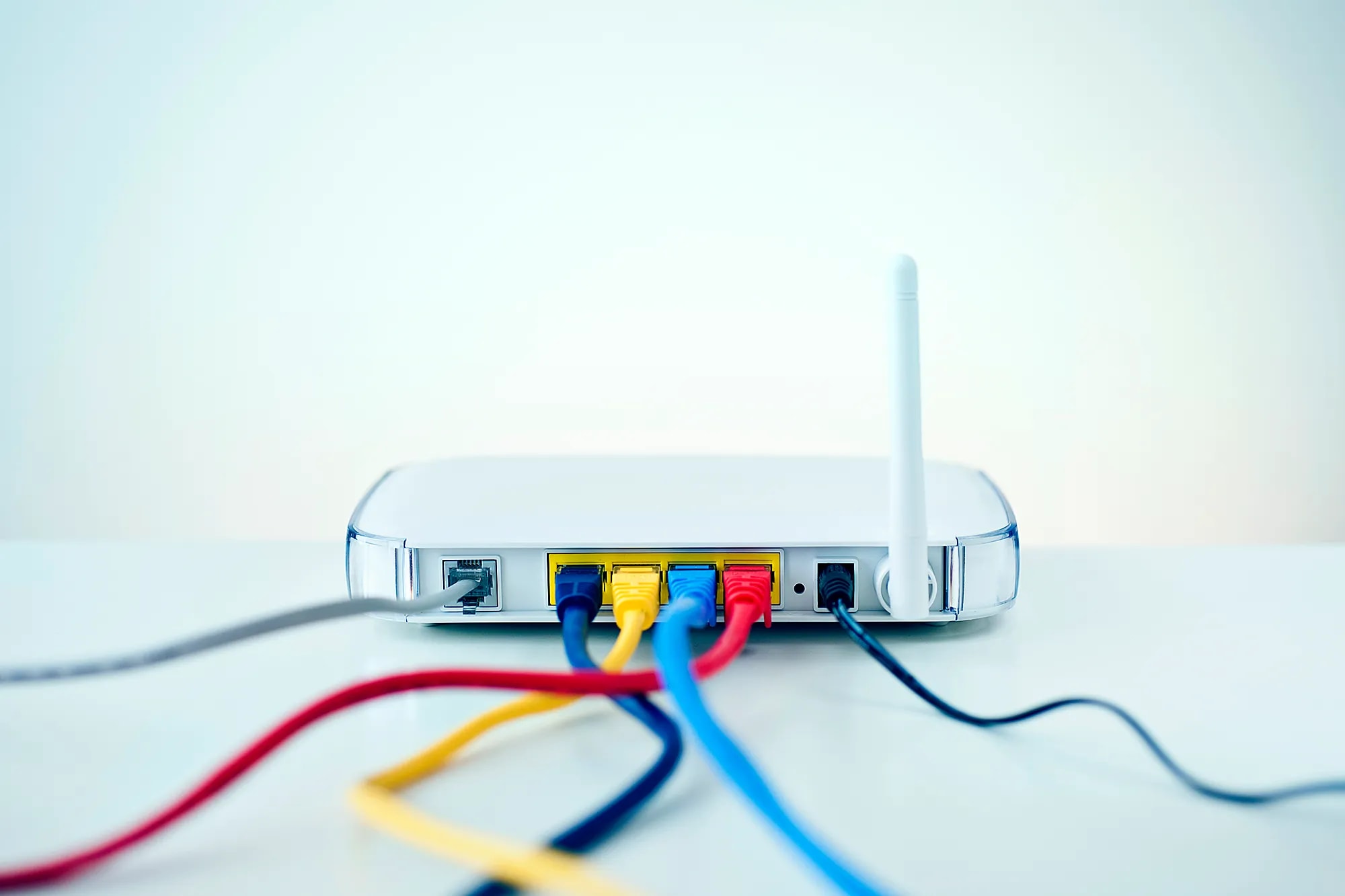
Once denial fails, attention shifts toward the router, now perceived as the source of all problems. Individuals transform into self-declared technicians, despite limited technical understanding. Router lights are examined intensely, cables are unplugged and reinserted, and power cycles are repeated multiple times. This ritualistic behavior provides a false sense of control during uncertainty. Even when users lack knowledge of what each indicator light represents, the act of physically interacting with hardware offers psychological reassurance. This phase reflects humanity’s tendency to seek tangible solutions when abstract systems fail. Touching devices creates the illusion of progress, even when no real diagnostic process exists. The router becomes a symbolic object onto which frustration, hope, and desperation are projected.
https://www.wired.com/2016/03/put-router-optimize-home-wi-fi
03. The Speed Test Obsession
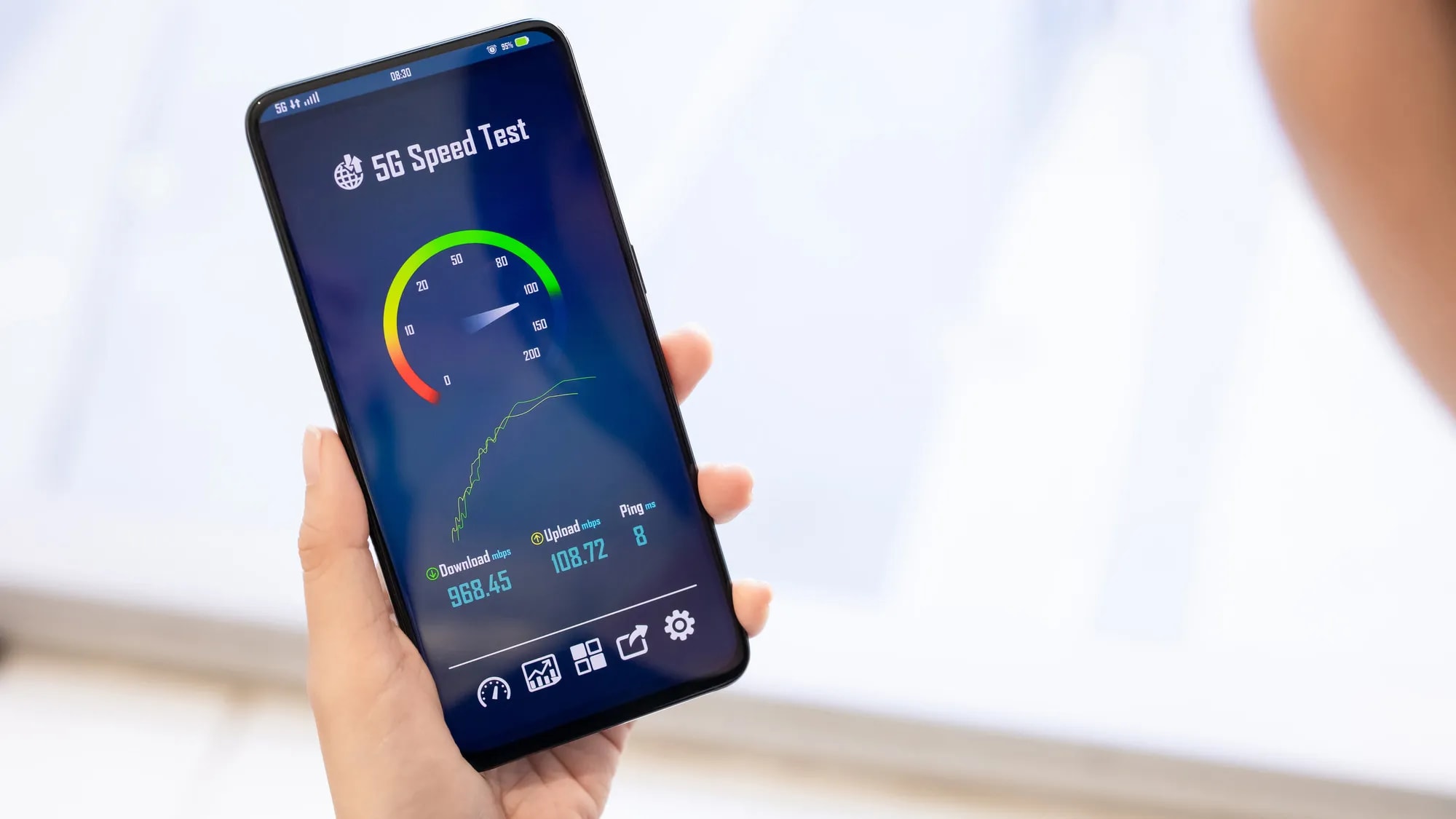
Conducting internet speed tests becomes a compulsive activity during connectivity failure. Users repeatedly run diagnostics, despite knowing the results will confirm poor or nonexistent service. This behavior reflects the human need for measurable confirmation of distress. Numbers provide validation, transforming frustration into quantifiable evidence. Speed tests also serve as emotional justification, enabling users to legitimize their irritation. Even when connectivity is absent, individuals rerun tests in hopes of improvement. This obsessive checking reveals how data-driven modern anxiety has become. Emotional discomfort demands numerical proof. The irony lies in the futility of the act—speed tests offer no solution, only repeated disappointment. Yet users persist, illustrating how humans cling to routine actions when control is lost.
04. Blaming the Internet Service Provider

When self-directed explanations fail, blame is externalized toward the internet service provider. Past outages are recalled vividly, forming a narrative of incompetence or neglect. This behavior reflects a psychological coping strategy: redirecting frustration outward protects self-esteem and emotional balance. Users construct theories involving technical negligence, infrastructure failure, or intentional disruption. Rational assessment gives way to emotional reasoning. Blame provides temporary relief, offering a clear antagonist in an otherwise invisible system. The provider becomes a symbolic representation of technological dependence and vulnerability. This stage highlights humanity’s discomfort with systems beyond individual control and the need to assign responsibility during moments of powerlessness.
05. The Call Center Struggle

Contacting customer support introduces a new layer of psychological stress. Automated responses, prolonged hold times, and scripted interactions intensify frustration. Users oscillate between politeness and suppressed anger. This stage exposes the conflict between urgent human needs and bureaucratic systems designed for efficiency rather than empathy. Each repeated question feels like an insult to the caller’s intelligence. The lack of immediate resolution amplifies helplessness. Ironically, the very system meant to restore connectivity often deepens emotional exhaustion. This phase underscores the emotional cost of technological dependency and the inadequacy of impersonal support mechanisms during moments of crisis.
06. Switching to Mobile Data
Activating mobile data marks a strategic shift toward survival mode. Users suddenly become hyper-aware of data consumption. Videos are avoided, background apps are closed, and scrolling becomes cautious. This behavioral adjustment reflects adaptive resource management under scarcity. What was once unlimited now feels precious. The psychological transition reveals how abundance shapes carelessness, while limitation enforces discipline. Mobile data acts as an emergency substitute, providing minimal connectivity to reduce anxiety. This stage illustrates human adaptability and the prioritization of essential digital needs over leisure when resources are constrained.
07. Forced Productivity Attempts

Deprived of WiFi, individuals attempt offline productivity. Reading books, cleaning spaces, or organizing belongings appear suddenly appealing. However, motivation remains superficial. These activities are often performed half-heartedly, accompanied by frequent glances toward inactive devices. The mind remains digitally anchored, unable to fully engage offline. This behavior exposes how productivity has become intertwined with connectivity. Offline tasks feel like temporary distractions rather than meaningful engagement. The attempt reflects an internal struggle between habitual digital dependence and the discomfort of unmediated attention.
08. Existential Overthinking

Silence created by disconnection invites introspection. Without constant digital noise, suppressed thoughts surface. Individuals begin questioning life choices, productivity, and purpose. This stage reveals how connectivity often acts as a buffer against self-reflection. The discomfort of solitude highlights the avoidance role of digital engagement. Overthinking emerges not because WiFi is absent, but because distraction is gone. This phase exposes the psychological cost of constant stimulation and the unfamiliarity of stillness in modern life.
09. Heightened Irritability

Minor inconveniences become disproportionately frustrating. Emotional tolerance decreases, and patience erodes rapidly. This irritability reflects withdrawal-like symptoms associated with reduced digital stimulation. Human emotional regulation has become partially outsourced to online engagement. Without it, mood stability weakens. This stage demonstrates emotional dependency on technology and the difficulty of maintaining equilibrium without constant sensory input.
10. Awkward Family Interaction

Disconnected individuals rediscover physical co-presence with family members. Conversations feel unnatural, marked by hesitation and forced politeness. This stage highlights how WiFi mediates modern family dynamics. Digital devices often replace direct interaction, and their absence reveals communication gaps. The awkwardness underscores emotional distancing masked by shared physical space. WiFi’s absence exposes relational neglect normalized by connectivity.
https://lindagraham-mft.net/the-big-disconnect-tech-kids-and-families/
11. Repeating Old Fixes

Despite previous failure, users repeat earlier troubleshooting steps. This repetition reflects compulsive behavior driven by desperation. Logic is overridden by hope. The mind clings to familiar actions, even when ineffective. This behavior illustrates learned helplessness and the psychological comfort of routine during uncertainty.
https://www.pcmag.com/how-to/tired-of-slow-wifi-expert-tips-to-help-boost-your-signal
12. Searching for Neighbor Networks
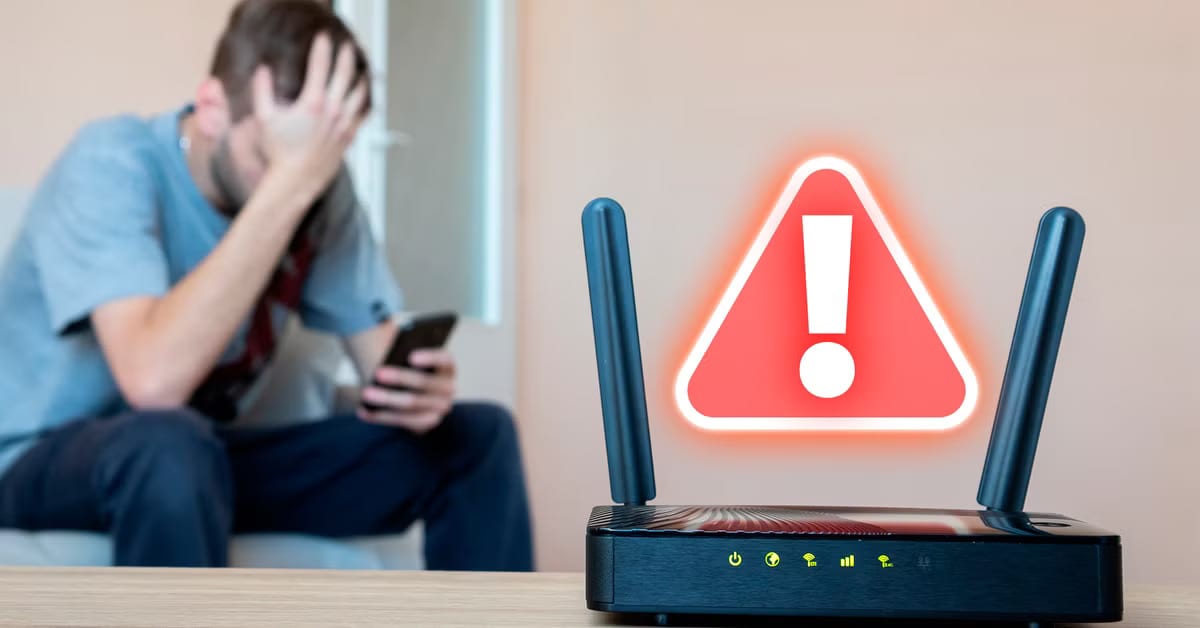
Scanning for nearby WiFi networks becomes a tactical operation. Open or unsecured networks are viewed as potential lifelines. This opportunistic behavior reflects survival instincts in digital scarcity. Ethical considerations briefly fade as connectivity becomes the primary objective. This stage reveals the social dimension of digital dependency.
13. Distorted Time Perception

Time perception shifts dramatically. Minutes feel extended, boredom intensifies. Connectivity normally fragments time perception through constant engagement. Its absence restores unstructured time, which feels uncomfortable. This distortion highlights how the internet regulates modern temporal experience.
14. Temporary Acceptance

Eventually, emotional resistance fades into acceptance. Energy conservation replaces frustration. This surrender provides temporary calm. Acceptance reflects psychological adaptation, allowing individuals to cope until connectivity returns.
https://www.news-medical.net/health/Does-WiFi-Affect-the-Brain.aspx
15. Sudden Hope Signals

Any minor signal triggers renewed excitement. Hope resurfaces instantly. This emotional volatility reveals the strength of attachment to connectivity. Optimism returns disproportionate to evidence.
16. Brief Reconnection Euphoria
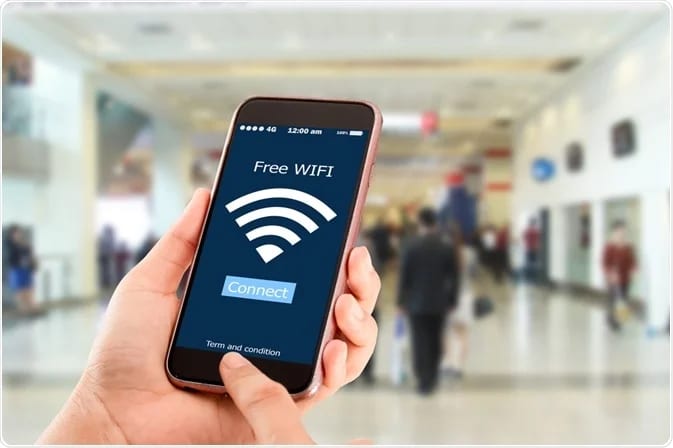
Connectivity restoration produces immediate joy. Notifications flood in, and normalcy resumes. This euphoria illustrates emotional reliance on digital presence and social validation.
https://www.news-medical.net/health/Does-WiFi-Affect-the-Brain.aspx
17. Fear of Repetition

Users monitor connectivity obsessively, fearing relapse. This anxiety mirrors post-crisis vigilance. The experience leaves psychological residue.
18. Compensatory Oversharing

Messages and posts increase dramatically. Silence is compensated through excess communication. This behavior reveals social anxiety associated with digital absence.
19. Rapid Forgetting

Once stability returns, lessons are forgotten. Dependency resumes seamlessly. Human adaptability enables rapid normalization.
20. The Endless Cycle
The next outage restarts the cycle unchanged. Repetition confirms entrenched dependency. WiFi remains an invisible yet dominant psychological infrastructure.