Eco-Friendly Fabrics You Should Know About
By Sidra Tayyab · Fashion · 2025-09-08
As awareness about sustainability grows, eco-friendly fabrics are becoming a top choice for designers and conscious shoppers alike. These textiles are not only better for the planet but also stylish, durable, and comfortable. Let’s explore 10 eco-friendly fabrics that are making waves in the fashion industry today.
01. Organic Cotton
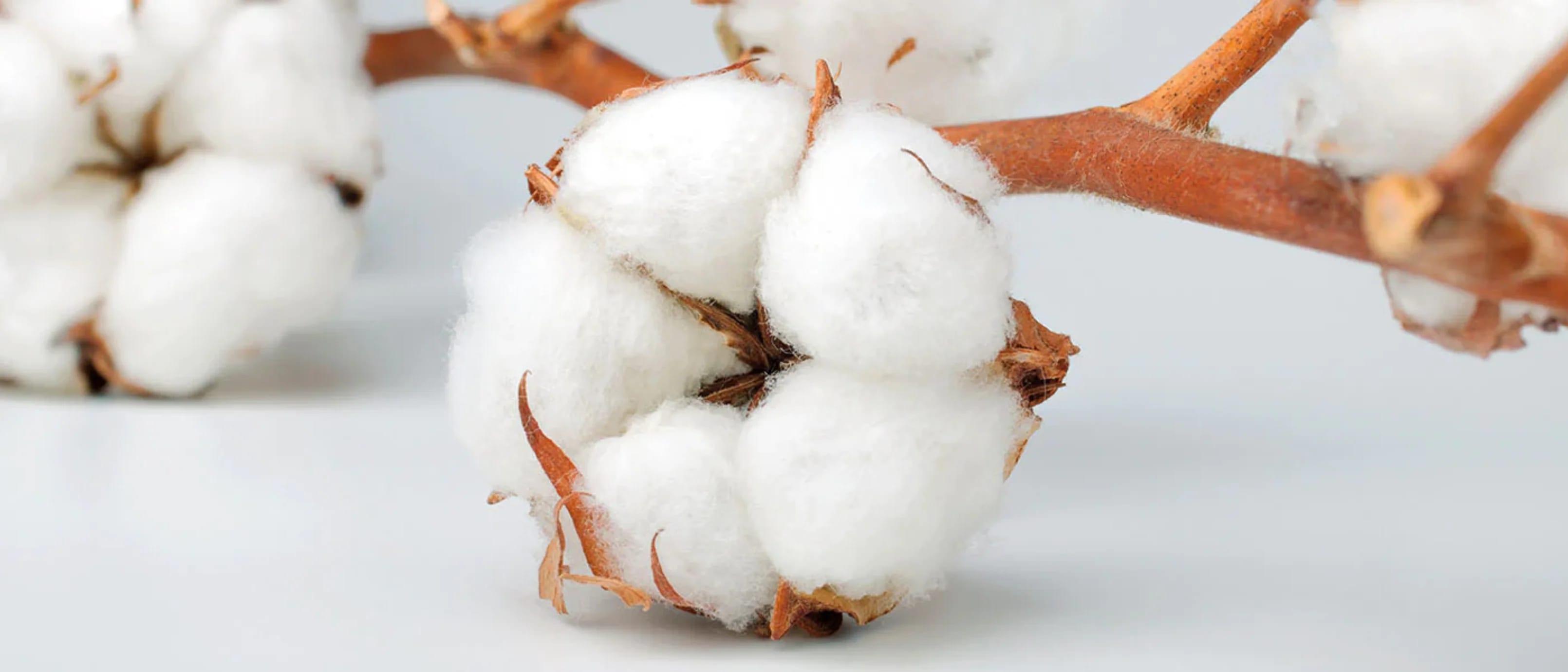
Unlike conventional cotton, organic cotton is grown without toxic pesticides or synthetic fertilizers. It requires less water and is safer for farmers and the environment. Clothing made from organic cotton is breathable, soft, and hypoallergenic, making it an excellent choice for eco-conscious wardrobes and sensitive skin alike.
02. Bamboo Fabric
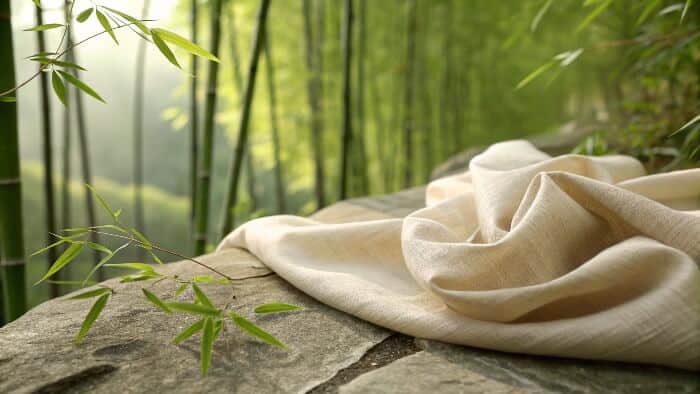
Bamboo grows quickly without the need for pesticides, making it highly sustainable. When processed responsibly, bamboo fabric is soft, breathable, and naturally antibacterial. It’s widely used for activewear, underwear, and loungewear. Look for certifications to ensure your bamboo clothing is processed in an environmentally friendly way.
https://www.gentlepk.com/the-ultimate-guide-to-bamboo-fabric/
03. Recycled Polyester
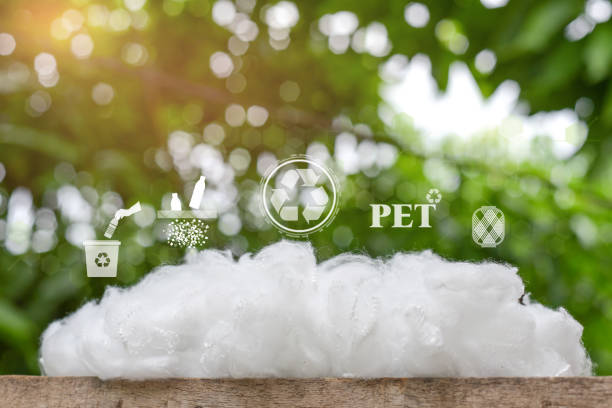
Recycled polyester is made by transforming plastic bottles and other waste into usable fabric. This process reduces landfill waste and energy use compared to new polyester production. It’s durable, lightweight, and wrinkle-resistant, making it ideal for sportswear and outerwear. Choosing recycled options helps cut down on plastic pollution.
https://www.istockphoto.com/search/2/image-film?page=3&phrase=recycled+polyester
04. Hemp
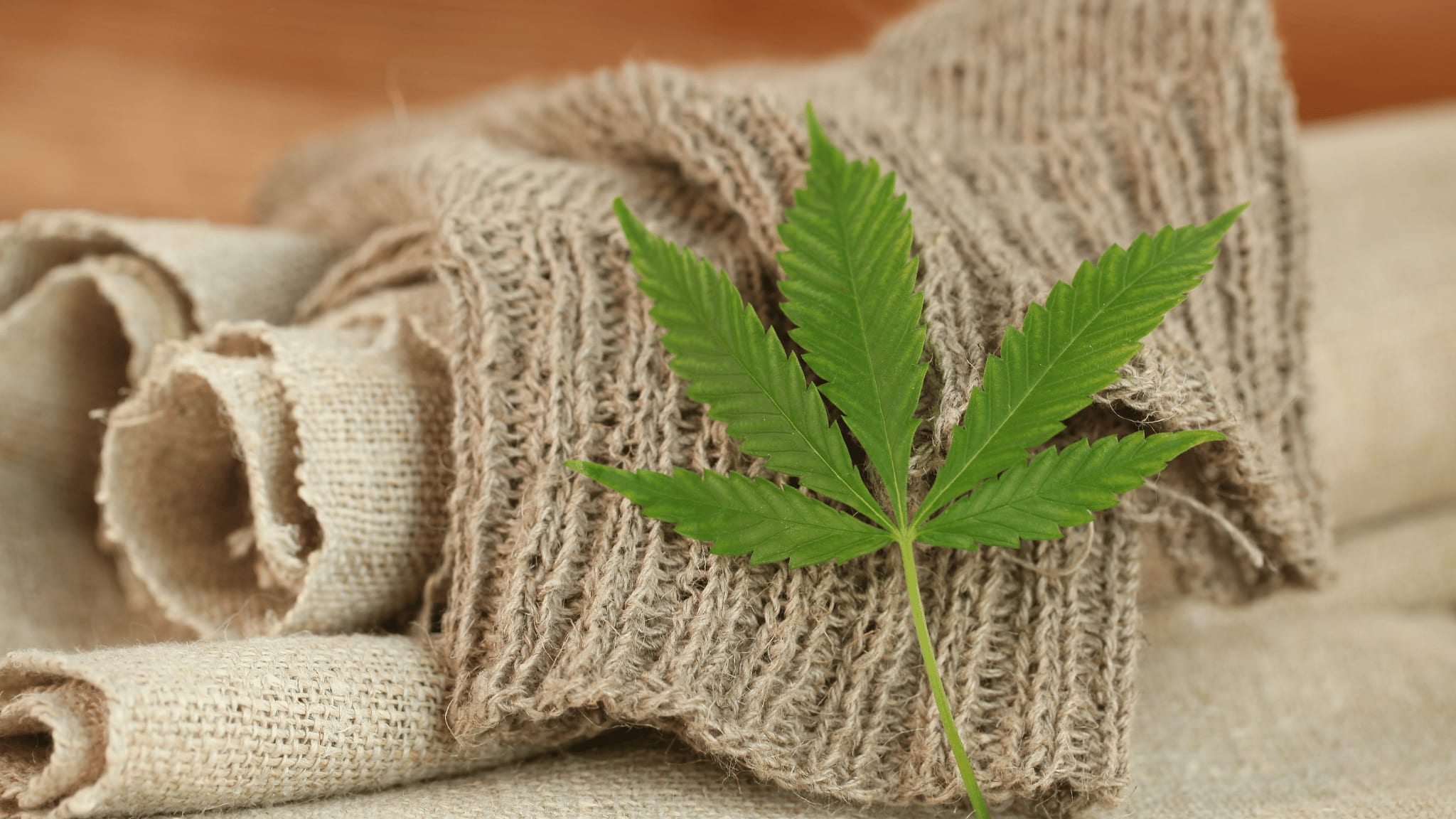
Hemp is one of the oldest and most sustainable fibers in the world. It requires little water, grows without chemicals, and replenishes soil nutrients. Hemp fabric is strong, breathable, and softens with use. It’s perfect for everything from casual wear to durable workwear, blending sustainability with timeless durability.
https://www.bskfashion.com/blog/materials/hemp-in-bag-manufacturing/
05. Tencel (Lyocell)
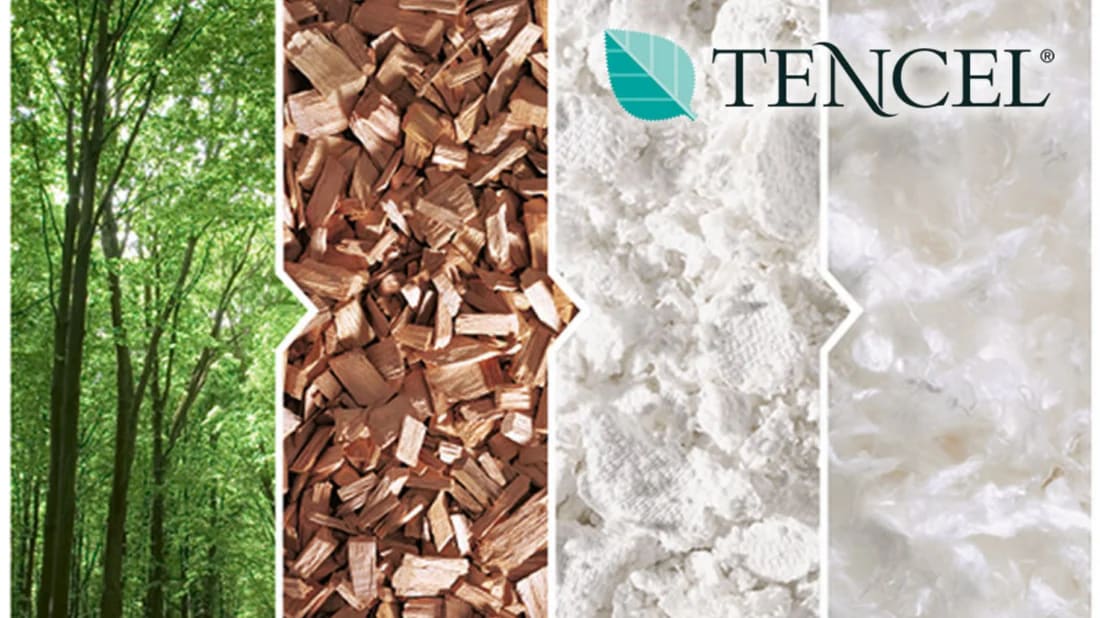
Tencel, also known as Lyocell, is made from sustainably sourced wood pulp, usually eucalyptus. It uses a closed-loop process that recycles almost all solvents, reducing waste. The result is a silky, breathable fabric that’s biodegradable. Tencel is commonly used for dresses, shirts, and even bed linens.
06. Linen
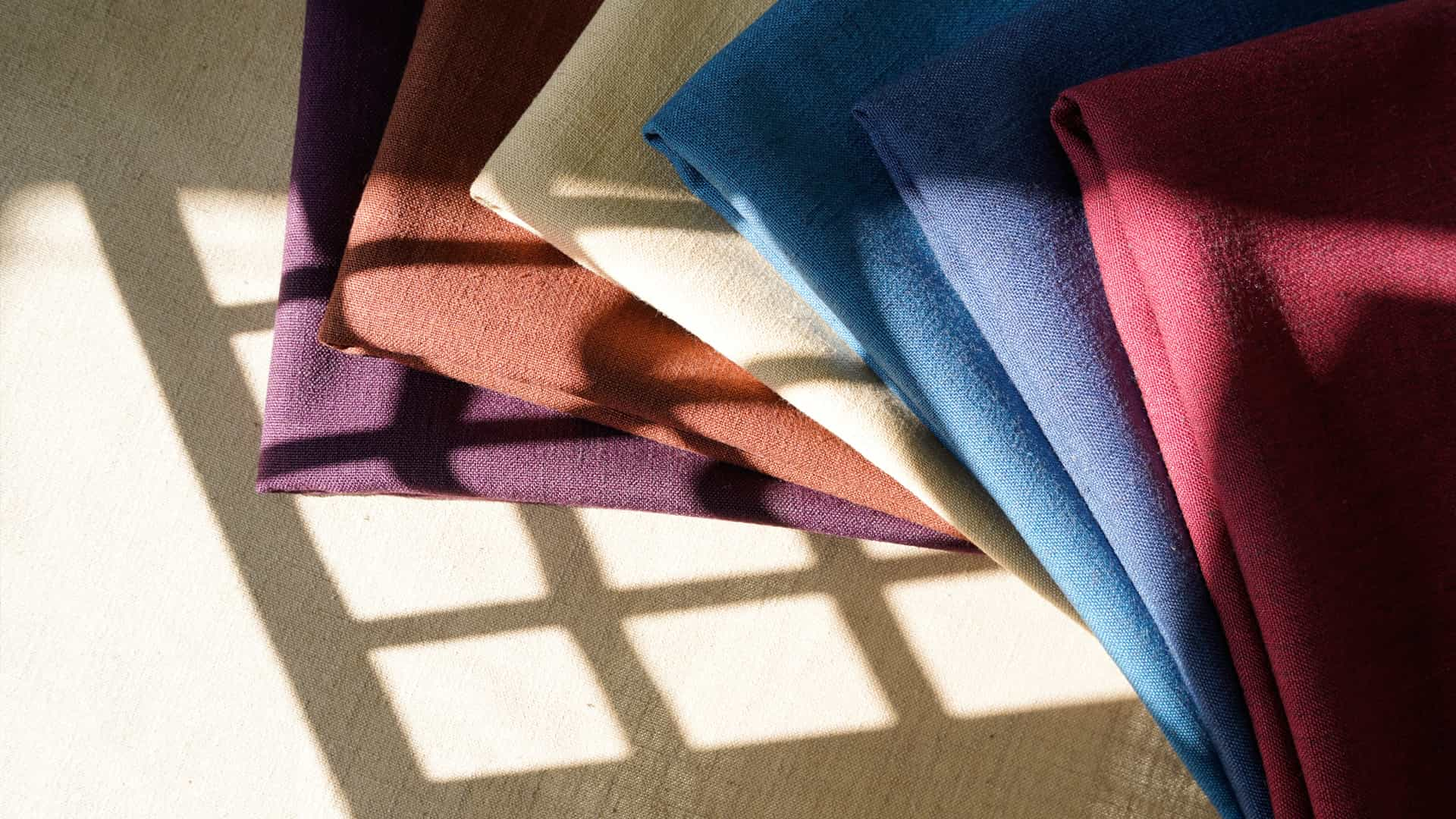
Made from the flax plant, linen is a biodegradable fabric that requires little water and no harmful chemicals to grow. It’s lightweight, breathable, and perfect for hot climates. Linen also becomes softer with each wash, making it a long-lasting staple. Its natural, textured look never goes out of style.
07. Orange Fiber
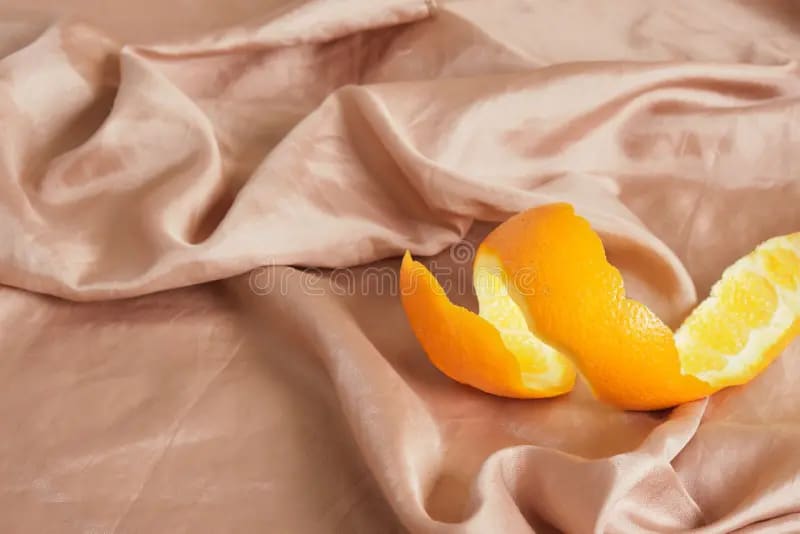
This innovative fabric is made from citrus by-products, such as peels and pulp left over from juice production. Orange fiber is silky, lightweight, and similar to silk in appearance. By turning waste into fashion, it offers a unique way to reduce environmental impact while creating luxurious garments.
08. Piñatex
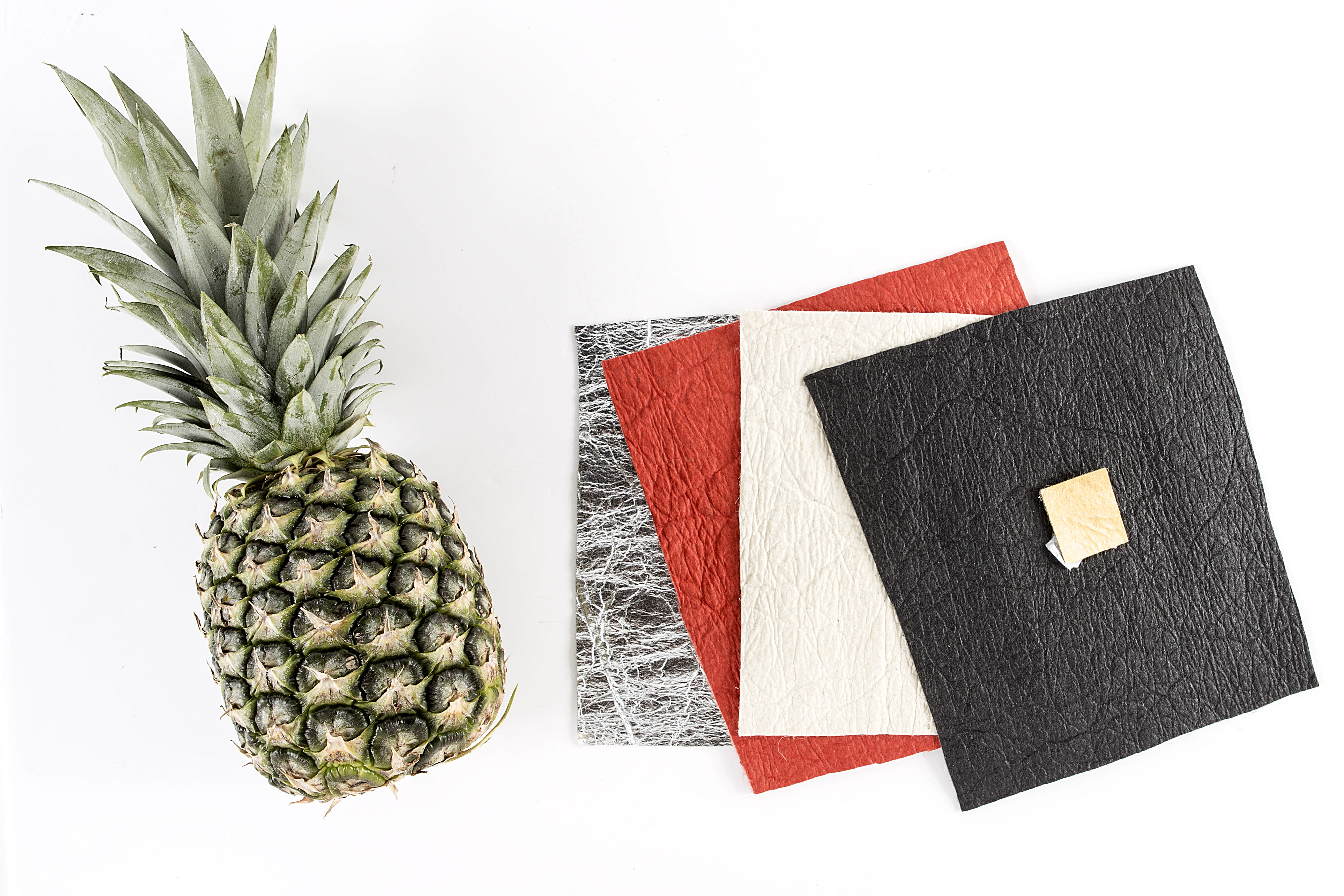
Piñatex is a leather alternative made from pineapple leaf fibers, a by-product of the fruit industry. It’s cruelty-free, durable, and breathable. Designers use Piñatex for shoes, bags, and jackets. By utilizing agricultural waste, it reduces the need for animal leather and helps farmers earn extra income sustainably.
09. Econyl
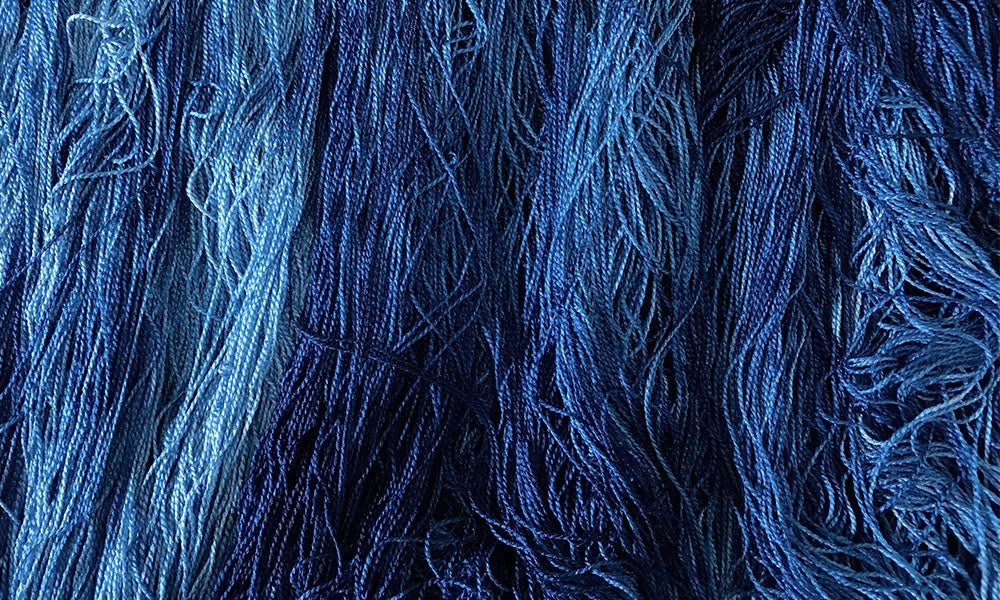
Econyl is a regenerated nylon made from discarded fishing nets, fabric scraps, and other nylon waste. It’s strong, stretchy, and commonly used in swimwear and activewear. By recycling ocean plastic, Econyl helps reduce marine pollution and offers a circular solution for fashion. It’s a game-changer for sustainable design.
10. Mushroom Leather (Mycelium)
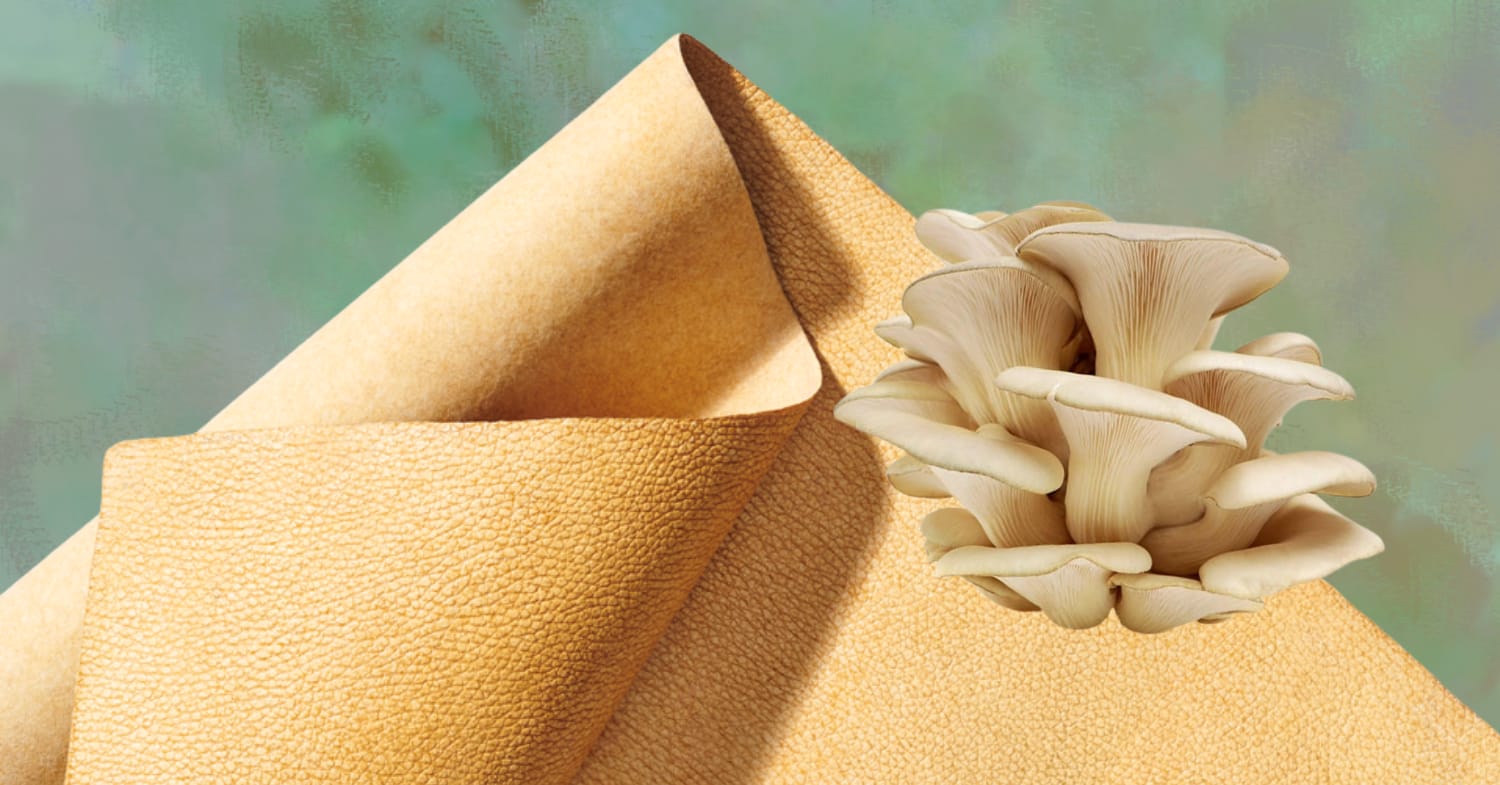
Mushroom leather, also known as mycelium leather, is an innovative, biodegradable alternative to animal leather. It’s made from the root structure of mushrooms and requires minimal resources to grow. Soft yet durable, it’s being used for handbags, shoes, and jackets. Mushroom leather shows fashion’s potential to embrace futuristic sustainability.