Top Interior Design Trends for 2025
By Sidra Tayyab · Home & Decor · 2025-09-02
Top Interior Design Trends for 2025
Interior design continues to evolve as our relationship with our homes deepens — shaped by years of spending more time indoors, growing environmental consciousness, and a renewed appreciation for spaces that genuinely support wellbeing. The trends shaping homes this year reflect a movement toward warmth, individuality, sustainability, and thoughtful craftsmanship over passing fads. Here's what's defining interior design in 2025.
1. Curved and Organic Forms
Sharp angles and rigid geometry are giving way to soft curves throughout furniture, architecture, and decor. Curved sofas, rounded coffee tables, arched doorways and mirrors, and organically shaped light fixtures dominate this year's most talked-about interiors. This shift reflects both an aesthetic preference for softness after years of minimalist rigidity and a practical recognition that curved forms improve traffic flow and feel more welcoming in lived-in spaces.
2. Warm, Earthy Color Palettes
Cool greys and stark whites are being replaced by warm, earth-inspired tones: terracotta, warm ochre, deep olive green, rich chocolate brown, and dusty rose. These colors draw inspiration from nature and create spaces that feel grounded, cozy, and timeless rather than sterile. Paired with natural materials, these palettes produce interiors with genuine warmth and depth that photograph beautifully in any lighting condition.
3. Sustainable and Locally Sourced Materials
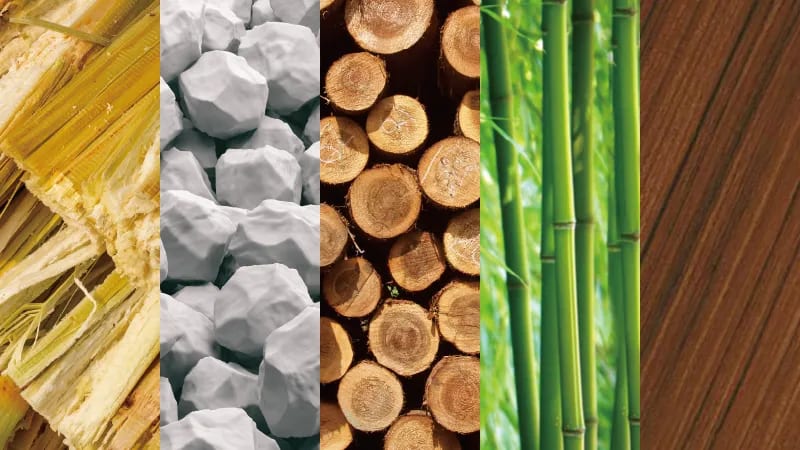
Environmental consciousness has moved from a niche concern to a mainstream design priority. Reclaimed wood, recycled metal, natural fiber textiles, and locally sourced stone are increasingly preferred over mass-produced, environmentally costly alternatives. Consumers are asking more questions about material origins, and designers are responding by prioritizing pieces with transparent, sustainable supply chains and genuine durability over disposable trend-driven furniture.
4. Maximalist Accents Within Minimalist Frameworks
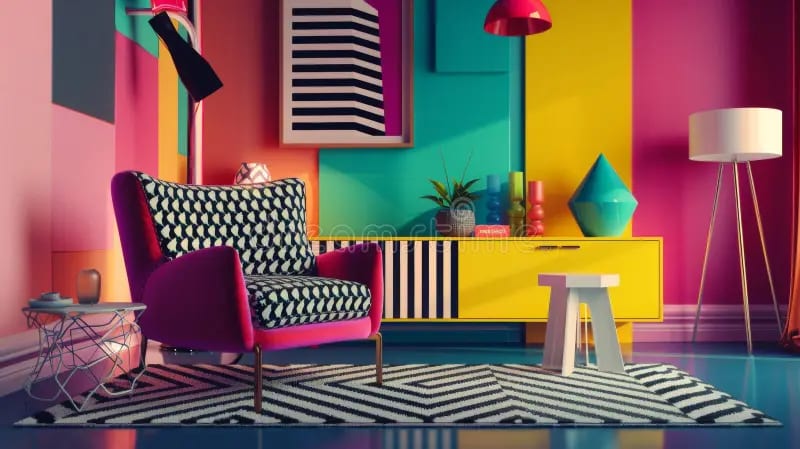
Rather than committing fully to either extreme minimalism or maximalism, 2025 interiors blend both: a calm, edited overall structure punctuated by bold, maximalist accent moments — a dramatically patterned wallpaper in a powder room, an oversized art piece, a boldly colored velvet armchair. This "curated maximalism" approach allows personality and visual excitement without overwhelming the whole space.
5. Multi-Functional and Flexible Furniture
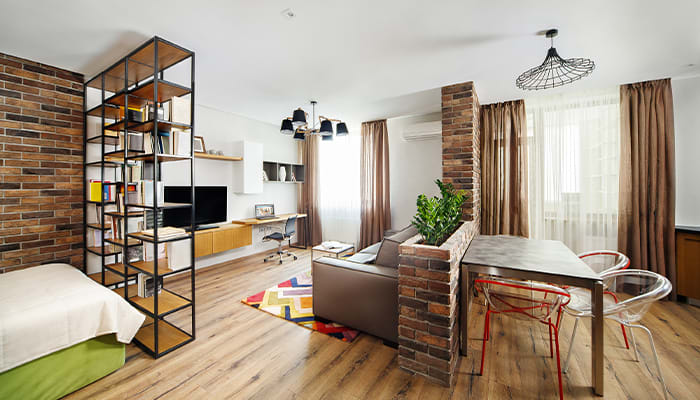
As living spaces continue to serve multiple purposes — home office, gym, guest room, entertainment space — furniture that adapts to changing needs has become essential rather than optional. Storage ottomans, extendable dining tables, murphy beds, and modular sofa systems that can be reconfigured are increasingly central to smart interior design, particularly in urban apartments where space is at a premium.
6. Statement Ceilings
The "fifth wall" — the ceiling — is receiving unprecedented design attention. Painted ceilings in bold or unexpected colors, wood paneling, decorative molding, and statement lighting fixtures are transforming ceilings from an afterthought into a genuine design feature. A painted ceiling in a rich, unexpected color can dramatically change the character of a room without requiring any change to the walls or furniture.
7. Textural Layering
Texture has become as important as color in contemporary interior design. Bouclé upholstery, chunky knit throws, natural fiber rugs, textured plaster walls, and varied wood grains create tactile richness that makes spaces feel warm and inviting even within a limited color palette. This trend reflects a broader desire for sensory-rich environments after years of smooth, flat, minimalist surfaces.
8. Vintage and Antique Integration
Rather than fully embracing new furniture collections, homeowners are increasingly mixing vintage and antique pieces with contemporary items. This approach adds history, uniqueness, and sustainability to interiors while avoiding the generic, showroom-perfect look that mass-produced matching furniture sets create. A single well-chosen vintage piece often becomes the most admired element in an otherwise contemporary room.
9. Biophilic Design Integration
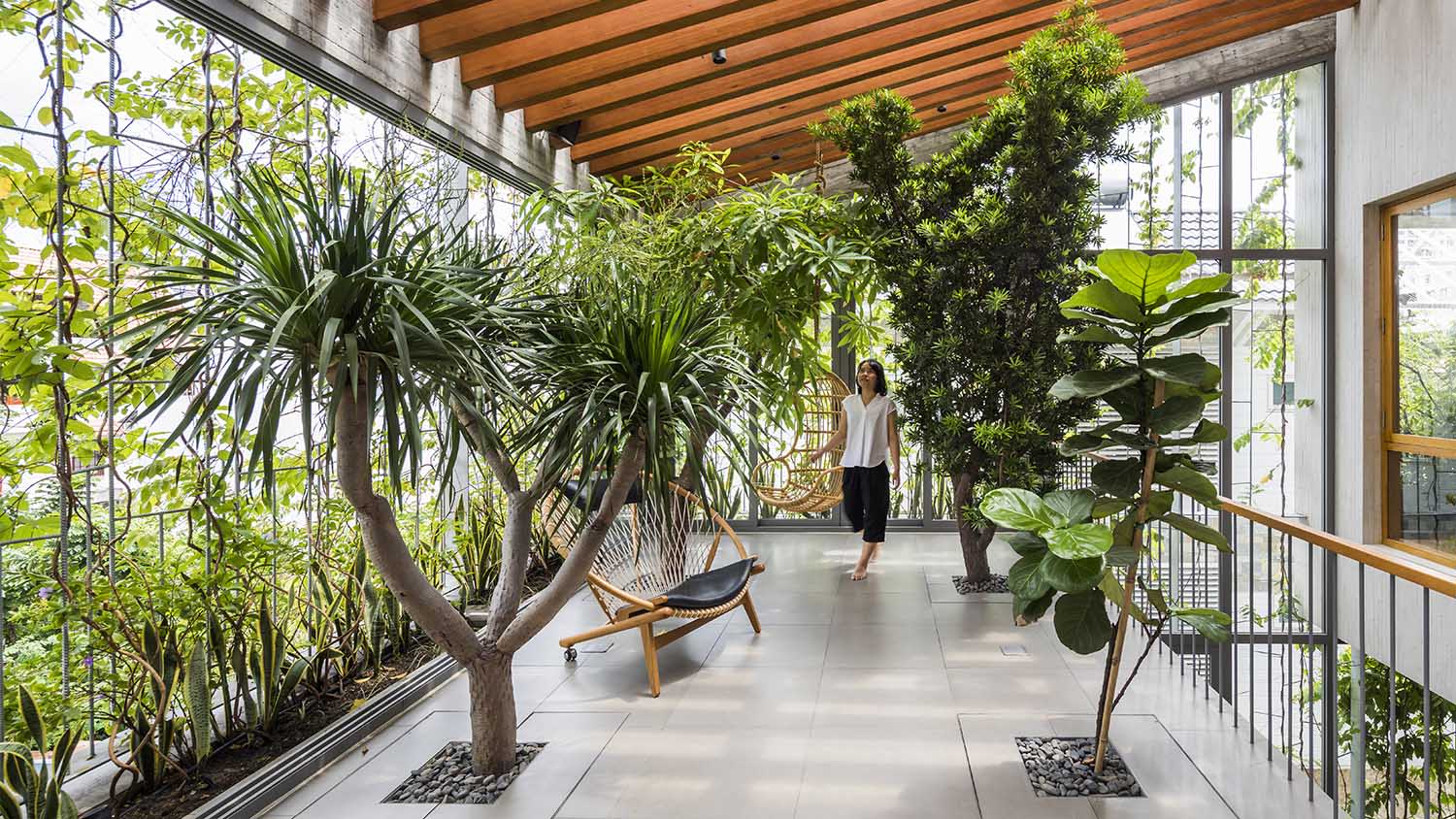
The connection between indoor environments and nature continues to deepen as a core design principle rather than a passing trend. This goes beyond simply adding houseplants — it includes maximizing natural light, using natural materials throughout, incorporating water features, choosing nature-inspired color palettes, and designing sightlines that connect indoor spaces to outdoor greenery wherever possible. Research consistently links biophilic design to measurably reduced stress and improved wellbeing.
10. Personal, Storytelling Spaces
Perhaps the most significant overarching trend in 2025 is a move away from designing for trends and toward designing for genuine personal meaning. Homes increasingly showcase travel mementos, family heirlooms, handmade art, and personally significant objects rather than uniformly stylish but impersonal decor. This shift reflects a broader cultural recognition that the most beautiful homes are not the most "on trend" but the ones that authentically tell the story of the people who live in them.
The interior design trends of 2025 point toward a more thoughtful, personal, and sustainable approach to home decoration — one that values genuine comfort and individual expression over rigid adherence to passing fashion. Whichever elements you choose to incorporate, the most enduring principle remains the same: create a space that feels authentically like you.
01. Sustainable and Eco-Friendly Materials
02. Smart Home Integration

https://dpsalarm.com/what-is-smart-home-automation-and-how-does-it-work/
03. Biophilic Design Elements
https://designwanted.com/biophilic-design-guide-kellerts-principles/
04. Bold Colors and Patterns
05. Multi-Functional Living Spaces