15 Smart Hacks to Save Money While Shopping
By Zainab Sheikh · Finance · 2025-09-13
15 Smart Hacks to Save Money While Shopping
Saving money while shopping doesn't require extreme couponing or spending hours hunting for deals. A handful of simple, consistently applied strategies can reduce your spending significantly across groceries, clothing, electronics, and everyday purchases without making shopping feel like a second job. Here are 15 genuinely effective money-saving shopping strategies that work in the real world.
1. Never Shop Hungry
This old advice has been repeatedly confirmed by research: shopping while hungry significantly increases impulse purchases, total spending, and the likelihood of buying calorie-dense convenience foods you didn't intend to buy. Eat before you shop — always. It takes two minutes of planning and can save you meaningfully every grocery run. The same principle applies to emotions: shopping when bored, stressed, or sad tends to increase impulse spending. Being aware of your state before entering a store is a surprisingly powerful cost-control strategy.
2. Use a Shopping List and Stick to It
Going to a store without a list is one of the most reliably expensive things you can do. Stores are deliberately designed to promote impulse purchases through product placement, promotional displays, and strategic scarcity signals ("only 3 left!"). A specific shopping list reduces this exposure dramatically. Write it before you go, stick to it, and if you see something not on your list that you want, give yourself a 24-hour rule: if you still want it tomorrow, it wasn't an impulse.
3. Compare Unit Prices, Not Package Prices
The larger package is almost always the better value per unit — but not always, and you won't know unless you check. Most grocery stores display unit prices (price per ounce, per 100ml, per sheet) on shelf labels. Always compare unit prices rather than package prices when choosing between sizes. Store brands almost always offer equivalent quality at 15-30% lower unit prices than name brands for staples like canned goods, pasta, rice, cleaning products, and many household essentials.
4. Use Cashback Credit Cards (Paid Off Monthly)
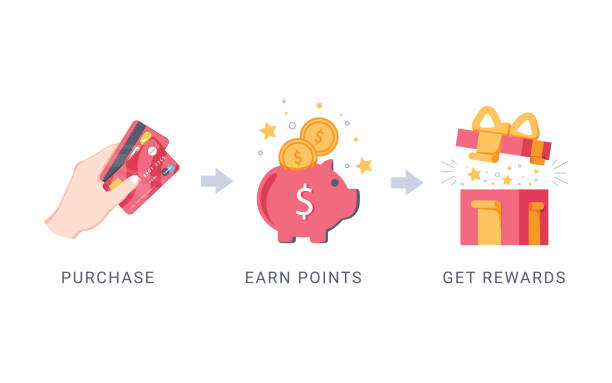
If you pay off your credit card balance in full every month — and this is critical — a cashback card gives you 1-5% back on everything you buy anyway. For someone spending $2,000/month on regular expenses, a 2% cashback card returns $480 per year — for no behavior change whatsoever, just using a different card. The catch is absolute: carrying a balance negates all rewards and costs significantly more. Used as described — paid in full every month — a cashback card is one of the easiest passive savings tools available.
5. Install Browser Price Comparison Extensions
Browser extensions like Honey, Capital One Shopping, and CamelCamelCamel automatically check for coupon codes at checkout, compare prices across retailers for the item you're viewing, and track historical price data on Amazon to tell you if you're buying at a good price or should wait. These tools are free, require minimal effort after installation, and consistently identify savings that manual price-checking would miss. Setting up CamelCamelCamel price alerts for specific items ensures you buy at genuine price lows rather than during manufactured "sales."
6. Understand Sale Cycles
Most retail categories follow predictable sale cycles tied to seasonal changes and inventory clearing. Clothing goes on deepest discount at the end of seasons (buy winter coats in February, summer items in September). Electronics go on sale around Black Friday, tax refund season, and major product launches. Groceries follow weekly ad cycles. Learning the patterns for items you regularly buy and purchasing during genuine sale periods rather than paying full price is one of the highest-impact money-saving habits for big-ticket items.
7. Wait 48 Hours Before Online Purchases Over $50
Online shopping is engineered for impulse purchases — one-click checkout, scarcity signals, social proof, and personalized targeting all conspire against deliberate spending. The 48-hour rule for purchases over a threshold (whatever feels meaningful to you) is remarkably effective at reducing regretted purchases. Add items to your cart, come back 48 hours later, and honestly assess whether you still want them. Many impulse wants evaporate within hours; genuine needs and wants persist. You'll also often find a better price or coupon code in the interim.
8. Take Advantage of Price Matching
Many retailers — including Best Buy, Target, and Walmart — offer price matching: if you find the same item at a lower price at a competing retailer (within a specified window), they'll match the price. Some retailers also offer post-purchase price adjustment if the item goes on sale shortly after you buy. Know the price-match policies of stores you use regularly. For larger purchases, five minutes of price comparison and a brief conversation with customer service can save significant amounts.
9. Use Warehouse Clubs Strategically
Wholesale club memberships (Costco, Sam's Club, Makro) offer significant per-unit savings on staples, but only produce net savings if you actually use what you buy before it expires and have storage space for bulk quantities. Run the numbers: if your annual membership fee is $60, you need to save more than $60/year on purchases compared to regular retail to break even. Focus bulk buying on items you consistently use and that don't expire quickly: toilet paper, laundry detergent, canned goods, frozen foods, and household staples where the per-unit savings are clear and consistent.
10. Buy Second-Hand for the Right Categories
Second-hand and resale markets offer extraordinary value for specific categories: books (libraries and charity shops), children's clothing (children outgrow clothes before wearing them out), furniture (quality vintage pieces cost a fraction of equivalent new), sporting equipment (often barely used), and high-quality kitchen equipment. Apps like eBay, Vinted, Facebook Marketplace, and Craigslist make finding specific items straightforward. The categories where second-hand tends to be less ideal: mattresses, car seats, and safety equipment where condition matters critically.
11. Cook at Home More
The financial mathematics of eating out vs. cooking at home are stark: a restaurant meal typically costs 300-500% more than the equivalent meal cooked at home. Reducing restaurant meals by just three per week and replacing them with home cooking can save hundreds of dollars monthly for a family. Meal prep — cooking larger batches and portioning for multiple meals — reduces both cost and time. The initial investment in reasonable cooking skills and a few good recipes pays returns throughout your life that compound every year.
12. Opt Out of Email Marketing Lists
Marketing emails from retailers are designed to create spending opportunities you didn't know you wanted. Studies of consumer spending find that people who receive high volumes of promotional emails spend significantly more on impulse purchases than those who don't. Unsubscribing from retailers you don't regularly shop at eliminates a significant source of purchase triggers. Keep email subscriptions only for retailers you genuinely use frequently, and even those you might mute to a dedicated promotional folder checked only when you actually need something from that retailer.
13. Learn the True Cost Formula
Before any significant purchase, calculate the True Cost: not just the purchase price but the total cost of ownership including maintenance, consumables, insurance, depreciation, and disposal. A cheap printer with expensive proprietary ink cartridges often costs far more over three years than a more expensive printer with affordable third-party ink. A cheap appliance that needs repair in two years may cost more than a well-made one that lasts fifteen. The true cost formula changes many purchase decisions — investing in quality for high-use items and saving on disposable items is usually the smarter financial choice.
14. Use Grocery Store Apps and Loyalty Programs
Most major grocery chains now offer digital loyalty programs and apps that provide personalized discounts, digital coupons, and points accumulation toward future discounts. These programs are almost always free to join and require minimal effort to use. Some supermarket apps also allow you to clip digital coupons before shopping that automatically apply at checkout. Over a year of consistent use, grocery loyalty programs typically save meaningful amounts — often $200-400 annually for regular shoppers — with essentially no additional effort beyond signing up and occasionally checking the app.
15. Track Your Spending for One Month
Perhaps the single most impactful money-saving step you can take requires no shopping behavior change at all: track every purchase you make for 30 days using a spreadsheet, an app like Mint or YNAB, or even a notepad. Most people significantly underestimate what they spend in discretionary categories like dining, clothing, entertainment, and coffee. Seeing the actual numbers — not guesses, but real tracked totals — creates awareness that naturally reduces spending in the categories where you're most surprised. You can't manage what you don't measure, and tracking spending is the foundation of every other money-saving strategy.
Saving money while shopping isn't about sacrifice or deprivation — it's about making deliberate choices rather than reactive ones. These 15 strategies, applied consistently, can easily save $100-400 or more per month without reducing the quality of your life. Start with the two or three that seem most applicable to your situation, build the habits over a few weeks, and then add more. The cumulative effect of several small changes adds up to significant savings over months and years.
01. Make a List and Stick to It

https://www.istockphoto.com/search/2/image-film?phrase=supermarket+list
02. Use Cashback Apps

https://www.istockphoto.com/search/2/image-film?phrase=grocery+shopping+mobile+app
03. Shop During Sales Seasons

https://www.istockphoto.com/search/2/image-film?phrase=grocery+shopping
04. Compare Prices Online

https://www.shutterstock.com/search/comparing-products-supermarket
05. Buy in Bulk for Essentials

https://www.istockphoto.com/search/2/image-film?phrase=bulk+food+shopping
06. Use Coupons and Promo Codes

https://www.istockphoto.com/search/2/image-film?phrase=supermarket+discount
07. Abandon Cart Trick

08. Sign Up for Newsletters

09. Set a Budget

10. Go for Generic Brands

11. Take Advantage of Loyalty Programs
https://www.istockphoto.com/search/2/image-film?phrase=reward+point
12. Use Student, Senior, or Membership Discounts

https://www.freepik.com/free-photos-vectors/student-discount-shop
13. Shop Off-Season

https://www.freepik.com/free-photo/discount-shopping-season-with-sale_38672722.htm
14. Unsubscribe from Store Emails

https://www.istockphoto.com/search/2/image-film?phrase=unsubscribe+email
15. Pay with Cash, Not Card

https://www.istockphoto.com/search/2/image-film?phrase=paying+cash