20 Uncomfortable Truths About People Nobody Likes to Admit
By Zainab Sheikh · Society · 2026-01-07
20 Uncomfortable Truths About People Nobody Likes to Admit
Human nature is complex, contradictory, and often uncomfortable to examine honestly. We prefer flattering stories about ourselves, but the truth — even when difficult — is what enables genuine growth. Here are 20 uncomfortable truths about people that most of us know deep down but rarely admit out loud.
1. Most People Are the Main Character of Their Own Story
Every person experiences life from the inside of their own mind, making themselves the protagonist of their own narrative. This isn't narcissism — it's just how human consciousness works. The uncomfortable truth is that you are a supporting character in everyone else's story, just as they are in yours.
2. Kindness Is Often Strategic
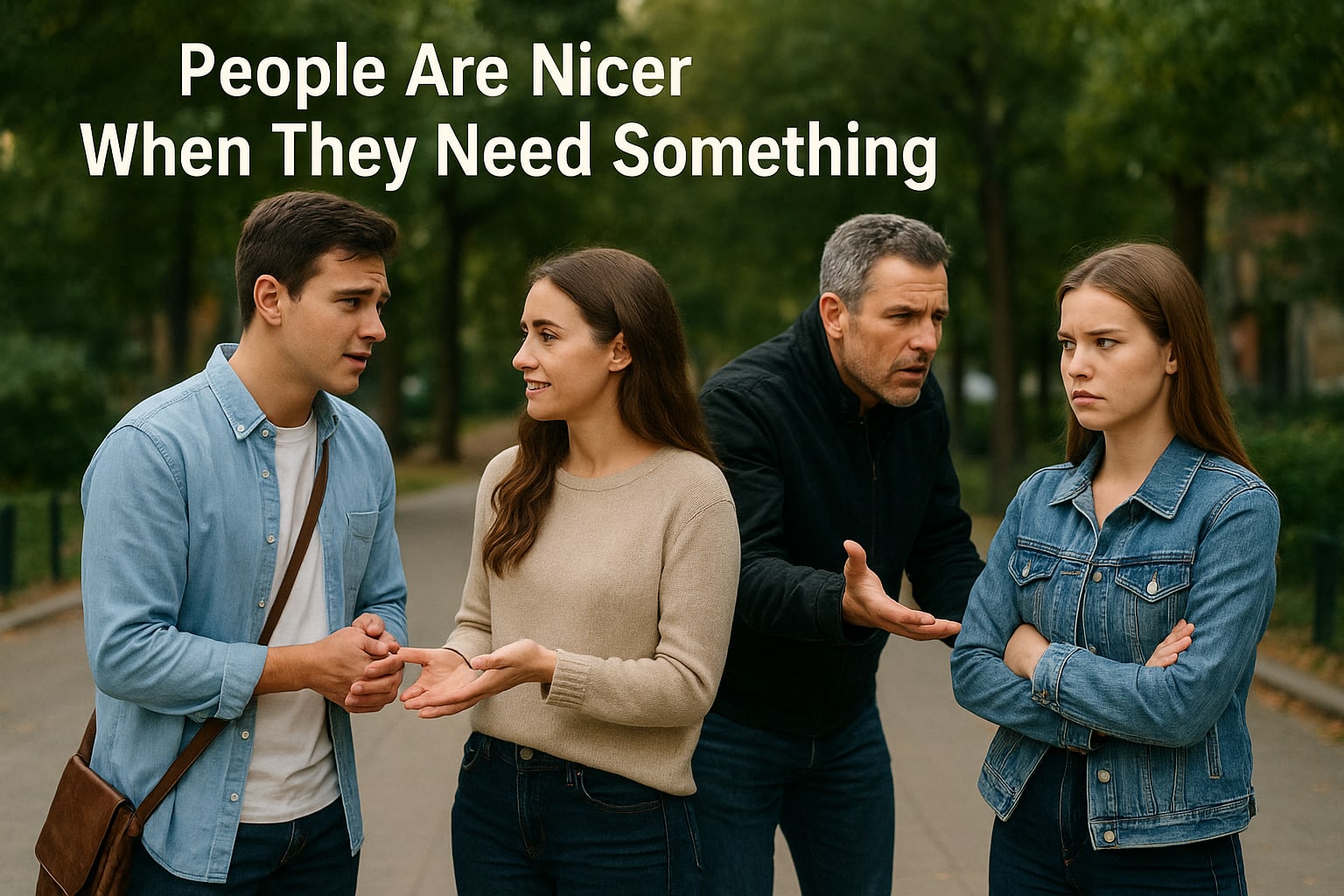
Most acts of kindness carry some expectation of reciprocity — even if unconscious. People are more likely to help those who can help them back, those they're attracted to, or those who are watching. Pure altruism exists, but it's rarer than we'd like to believe.
3. Most People Don't Listen — They Wait to Speak
Studies of conversation show that most people spend the time when another person is talking planning what they're going to say next, rather than genuinely listening. True active listening is a rare and powerful skill precisely because it's so uncommon.
4. Comfort Is the Enemy of Growth
The human brain is wired to conserve energy and seek safety. Genuine personal growth almost always requires discomfort — which is why most people don't change until staying the same becomes more painful than changing.
5. We Judge Others by Their Actions, Ourselves by Our Intentions
When someone else behaves badly, we assume it reflects who they are. When we behave badly, we explain it as situational. This cognitive bias — the fundamental attribution error — protects our self-image at the cost of accurate understanding of others.
6. People Are More Influenced by Emotion Than Logic
Despite believing themselves to be rational, humans make most decisions emotionally first and then construct logical justifications afterward. Marketing, politics, and relationships all rely on this fundamental truth about human decision-making.
7. Most Fears Are About What Others Think
Public speaking, rejection, failure, embarrassment — the vast majority of common human fears relate to social judgment rather than physical danger. We are social animals, and tribal rejection once meant death. Evolution hasn't caught up with modern safety.
8. Success Changes People — Just Not Always in the Ways We Expect
Money, fame, and power amplify existing personality traits rather than creating new ones. Generous people become more generous. Insecure people become more controlling. Success removes constraints but doesn't change fundamental character.
9. People Don't Change Without Motivation
Everyone knows someone who says they want to change but never does. Change requires not just desire but sufficient pain or sufficient reward to overcome inertia. Telling someone what they should change is almost never enough to make it happen.
10. Nostalgia Is a Selective Memory
The past was rarely as good as we remember it. Nostalgia filters out the boredom, the conflicts, the anxiety, and the difficulties, leaving only a highlight reel. We miss a version of the past that never quite existed as we recall it.
11. Most Arguments Are About Ego, Not Truth
People rarely change their minds mid-argument, even when presented with compelling evidence. Arguments are more often about winning than about discovering truth. The most productive disagreements happen in private, after reflection, not in the heat of debate.
12. We Overestimate Our Own Uniqueness
Every person believes their thoughts, feelings, and experiences are more unusual than they actually are. In reality, whatever you're feeling right now — whatever private thought you think no one else has — has been felt and thought by millions of people throughout history.
13. Attention Is the New Currency
In the age of social media, people crave attention as deeply as they crave food, shelter, and safety. Likes, views, and comments trigger the same neurological reward pathways as physical pleasures. This has fundamentally altered human social behavior in ways we're still discovering.
14. People Fear Being Average More Than Being Wrong
Most people would rather be spectacularly wrong than boringly ordinary. Extreme opinions get more attention than measured ones. Outrage spreads faster than contentment. The fear of mediocrity drives more human behavior than the fear of failure.
15. Most Productivity Is Performance
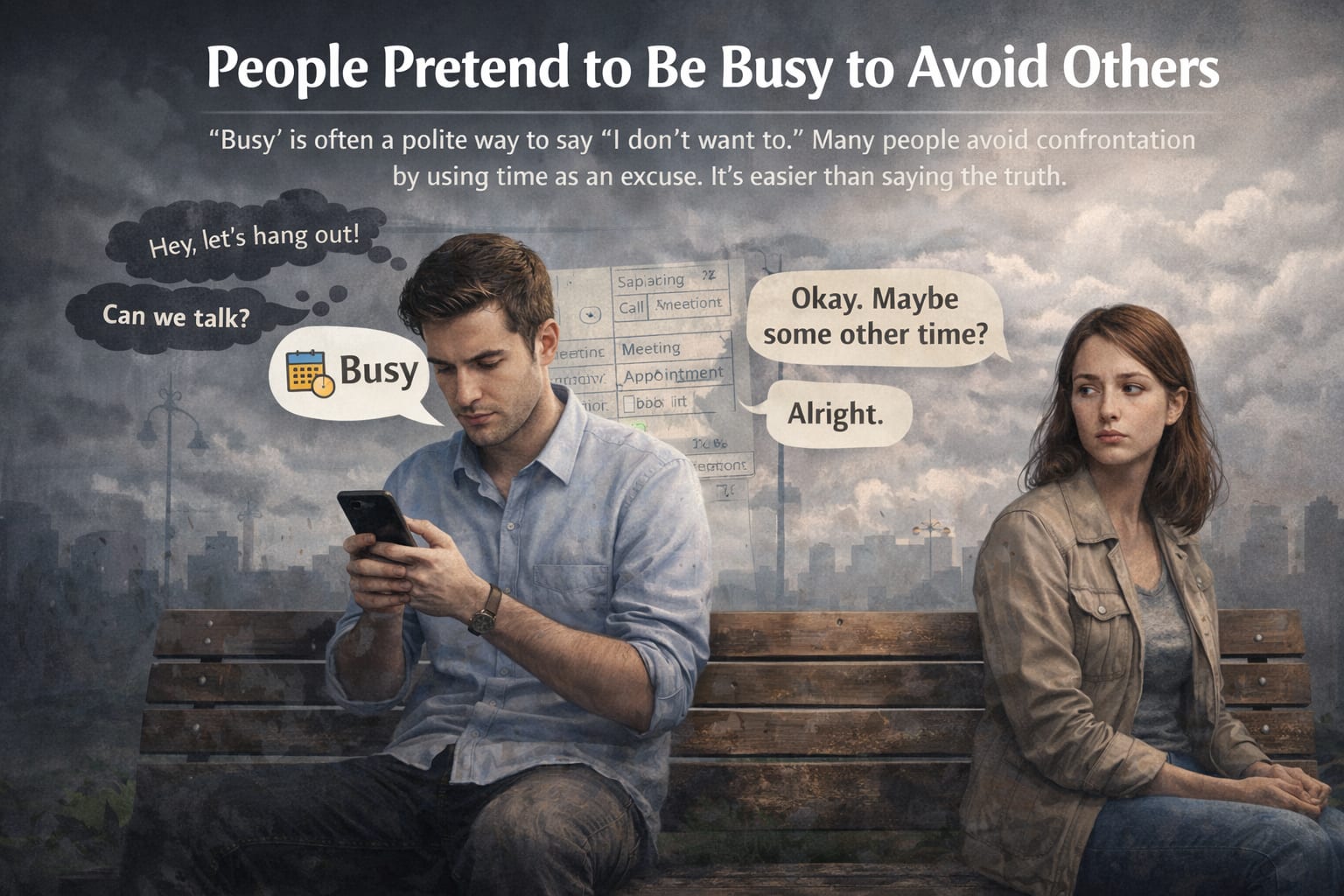
Busyness is often performed more than it is felt. Being busy has become a status symbol, and people often exaggerate their workload to appear important. True productivity — measured output relative to time — is far less common than the appearance of productivity.
16. Happiness Is Largely Internal
Research consistently shows that beyond a baseline of financial security, external achievements — money, status, possessions — contribute surprisingly little to sustained happiness. Most happiness comes from relationships, meaning, and how we interpret events, not from what we have.
17. People Often Don't Know What They Actually Want
Humans are surprisingly poor at predicting what will make them happy. We overestimate the joy of future achievements and underestimate our capacity to adapt to both good and bad circumstances. This is why getting what you want often doesn't feel the way you expected it to.
18. Most People Are Doing the Best They Can
Even the people who frustrate or hurt you are almost certainly doing the best they can with the knowledge, resources, emotional capacity, and circumstances they have. This doesn't excuse harmful behavior, but understanding it transforms anger into something more manageable.
19. Time Is the Most Honest Judge of Character
Anyone can maintain a persona in the short term. True character emerges over years — in how people treat those who can't help them, in how they behave when no one is watching, in what they do when things go wrong. Time reveals what everything else conceals.
20. The Only Person You Can Really Change Is Yourself
This is perhaps the most liberating and the most frustrating truth on this list. All energy spent trying to change other people is largely wasted. The only genuine power any of us has is the ability to change our own thoughts, responses, and actions. And that, it turns out, is more than enough.
These truths aren't meant to make you cynical about people. They're meant to help you see more clearly — to love humans more honestly, including yourself, with all the complexity and contradiction that entails.
01. People Are Nicer When They Need Something
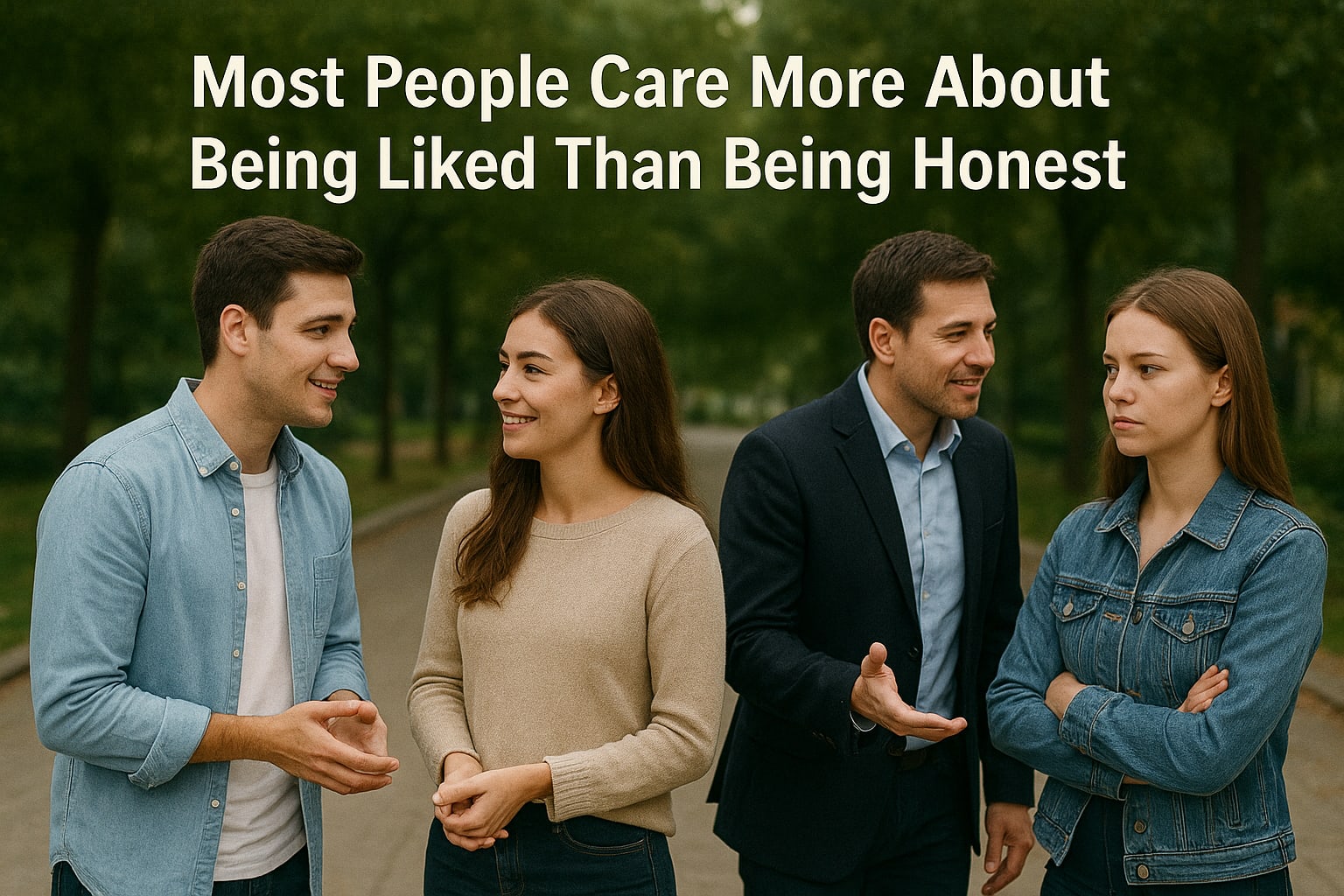
02. Most People Care More About Being Liked Than Being Honest
03. People Judge Faster Than They Admit

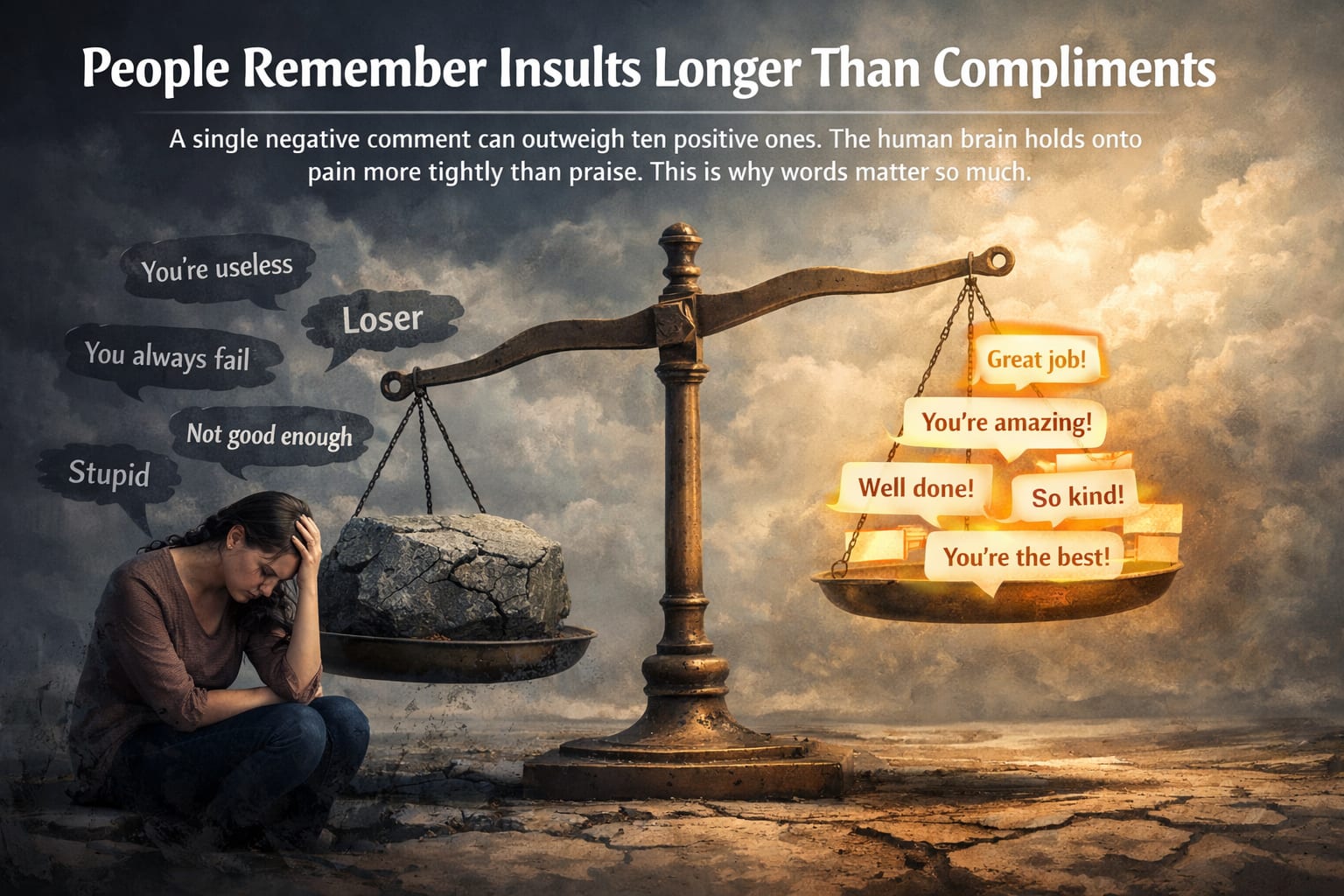
04. People Remember Insults Longer Than Compliments
05. People Get Jealous of Friends More Than Strangers

06. People Pretend to Be Busy to Avoid Others
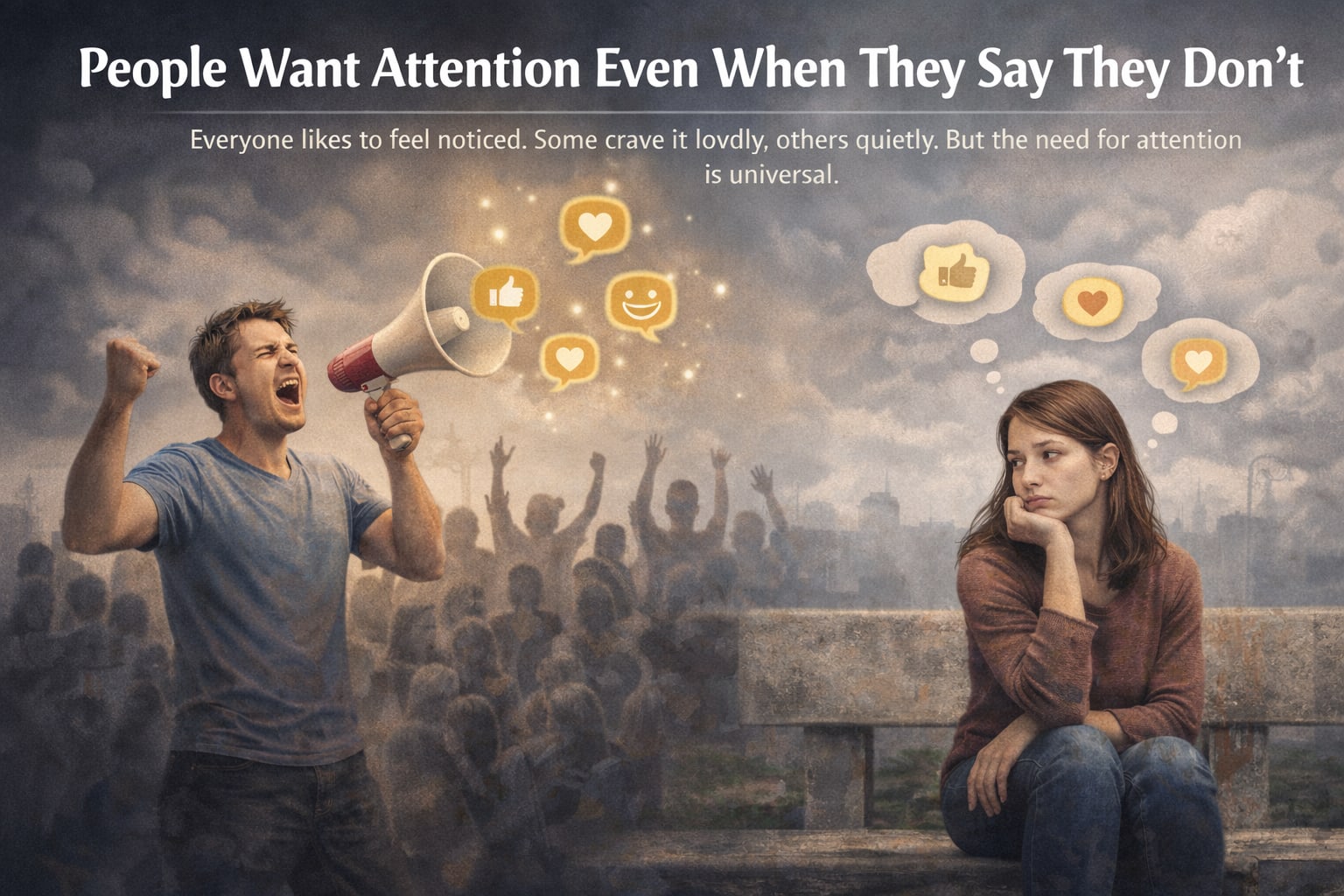
07. People Want Attention Even When They Say They Don’t
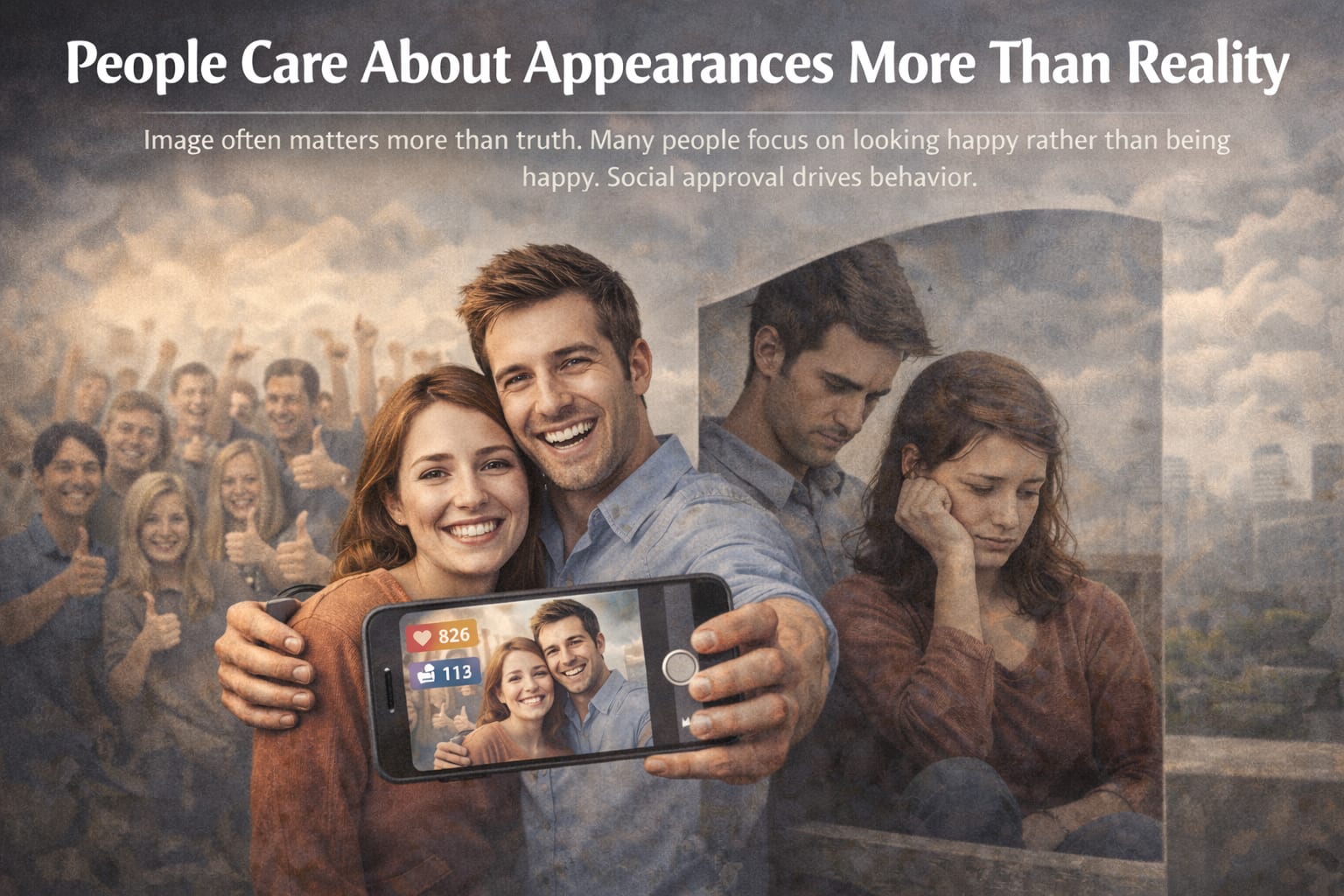
08. People Care About Appearances More Than Reality
09. People Change When Their Situation Changes

10. People Lie to Protect Their Image

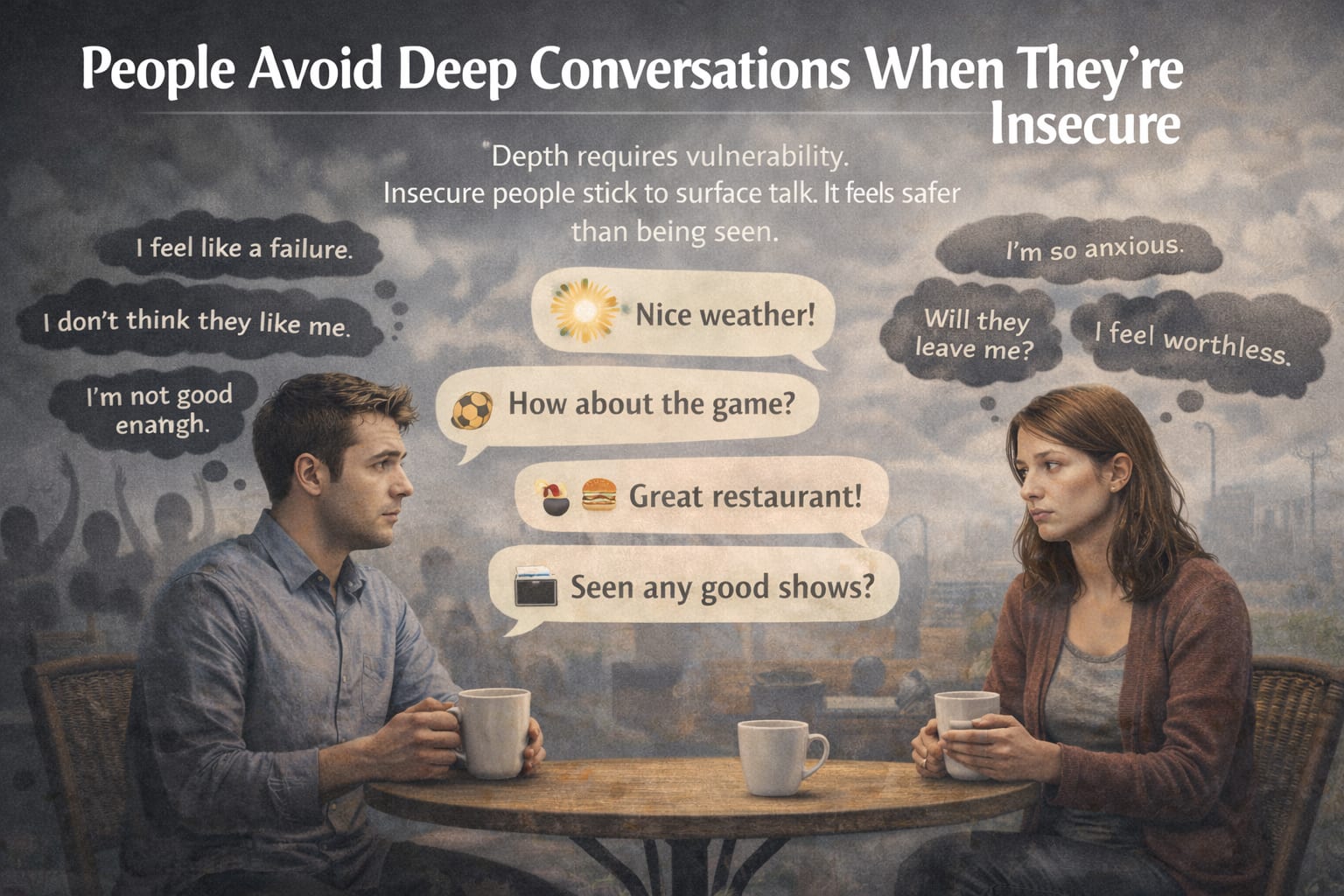
11. People Avoid Deep Conversations When They’re Insecure
12. People Remember Who Helped Them… Until They Don’t Need Them Anymore

13. People Love Advice But Hate Criticism

14. People Compare Themselves Constantly

15. People Get Defensive When the Truth Hits Close

16. People Want Understanding But Rarely Offer It

17. People Pretend Not to Care When They Actually Do

18. People Stay in Comfort Zones Even When Unhappy

19. People Seek Validation More Than They Admit

20. People Fear Being Alone More Than Being Unhappy