20 Weird Science Facts You Won’t Believe Are True
By Zainab Sheikh · Curiosities · 2025-09-09
20 Weird Science Facts You Won't Believe Are True
Science has a well-deserved reputation for being reliable and methodical — but it also regularly produces discoveries so strange, counterintuitive, and mind-bending that they seem more like science fiction than laboratory results. Here are 20 genuinely verified scientific facts that will make you question everything you thought you knew about the universe, the human body, and the laws of physics.
1. Hot Water Can Freeze Faster Than Cold Water
Under certain conditions, hot water can freeze faster than cold water — a phenomenon known as the Mpemba effect, named after Tanzanian student Erasto Mpemba who observed it in 1963. The mechanisms are still debated by physicists, but possible explanations involve evaporation reducing the mass of hot water, dissolved gases escaping, convection patterns, or molecular hydrogen bond behavior. It doesn't always happen, and the conditions matter — but the effect is real and reproducible enough to have launched decades of scientific debate.
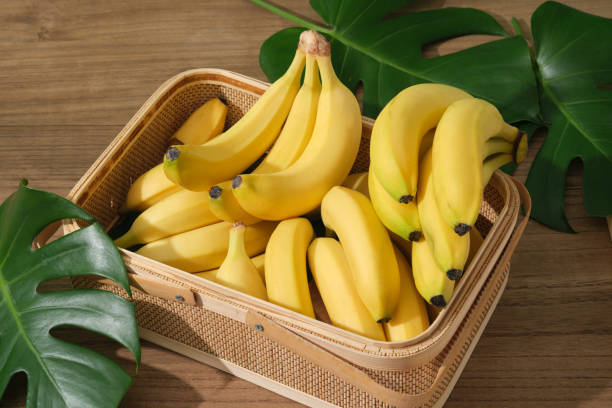
2. Humans and Bananas Share 60% of Their DNA
You share approximately 60% of your DNA with a banana. This sounds absurd until you consider that DNA encodes the fundamental machinery of cellular life — the processes of energy metabolism, DNA replication, protein synthesis, and cell division that are common to essentially all eukaryotic life on Earth. The shared genes are those performing the most ancient and conserved cellular functions. You share 98.7% of your DNA with chimpanzees, 85% with mice, 60% with fruit flies, and 31% with yeast. Life is much more unified at the genetic level than it appears from the outside.
3. There Are More Possible Chess Games Than Atoms in the Observable Universe
The number of possible unique chess games that can be played has been estimated at approximately 10^120 — a number so large it dwarfs the estimated number of atoms in the observable universe (approximately 10^80). This is called the Shannon number, and it explains why computers could not brute-force chess through all possible positions until recently, and why chess strategy involves judgment, pattern recognition, and principles rather than exhaustive calculation. Chess's complexity emerges from simple rules applied recursively, producing near-infinite possibility.
4. Oxford University Is Older Than the Aztec Empire
Teaching at Oxford University began around 1096 CE. The Aztec Empire was founded in 1428 CE — meaning Oxford had been operating for over 300 years before the Aztecs established Tenochtitlan. This same temporal perspective applies everywhere in history: the further you look, the more surprising the overlaps become. Time moves much more strangely than our intuitive historical timeline suggests.
5. A Neutron Star Is So Dense That a Teaspoon Would Weigh Billions of Tons
A neutron star — the collapsed remnant of a massive star after a supernova — packs more mass than our Sun into a sphere roughly 20 kilometers across. The density is almost incomprehensibly extreme: a teaspoon of neutron star material would weigh approximately one billion tons on Earth. Neutron star matter consists almost entirely of tightly packed neutrons (hence the name) with no space between them — matter compressed to nuclear density. They rotate hundreds of times per second and generate magnetic fields a trillion times stronger than Earth's.
6. The Human Body Contains Enough Iron to Make a Small Nail
Your body contains approximately 4-5 grams of iron — nearly all in the hemoglobin of red blood cells that carries oxygen through your bloodstream. Four grams of iron is enough to make a small nail. Your body also contains enough carbon to fill about 9,000 pencils, enough fat to make 7 bars of soap, enough phosphorus to make 2,200 match heads, and enough water to fill a small bathtub. You are, quite literally, a collection of atoms assembled into extraordinarily sophisticated, self-replicating, thinking chemistry.
7. Light Hitting Your Eyes Left Some Stars Thousands of Years Ago
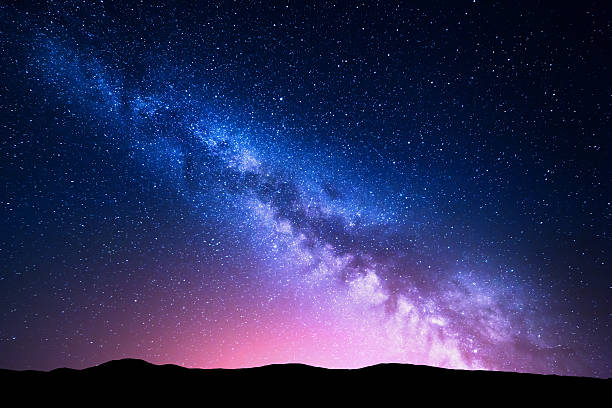
When you look at a star in the night sky, you're not seeing the star as it currently exists — you're seeing light that left it years, decades, centuries, or millennia ago. The star Rigel is approximately 860 light-years away, meaning the light entering your eyes tonight left Rigel around the year 1164 CE. Some stars visible to the naked eye are so distant that the light you're seeing is thousands of years old. The night sky is not a snapshot of the present — it's a collage of different moments in cosmic history, all arriving simultaneously.
8. Quantum Particles Can Be in Two Places at Once
Quantum superposition is one of the strangest experimentally confirmed phenomena in science. Until observed, quantum particles do not have definite positions, velocities, or other properties — they exist in superpositions of multiple states simultaneously. This is not a measurement limitation; it is the actual nature of quantum reality. The double-slit experiment — where a single particle appears to pass through two slits simultaneously and interfere with itself — demonstrates this directly. The act of observation collapses the superposition, which is why quantum effects disappear at the macroscopic scale where objects are constantly interacting with their environment.
9. Honey Never Expires — Archaeologists Found 3,000-Year-Old Edible Honey
Honey found in Egyptian tombs dating back over 3,000 years has been found to still be edible. Honey's extraordinary longevity comes from its unique chemical properties: it has very low water content (inhibiting bacterial growth), is acidic (pH 3-4.5), contains hydrogen peroxide (produced by the glucose oxidase enzyme), and is hygroscopic (drawing moisture away from microorganisms). These combined properties make properly stored honey essentially indefinitely shelf-stable — making it one of the longest-lasting natural foods ever documented.
10. The Mantis Shrimp Can See 16 Types of Color Receptors
Humans see color with three types of photoreceptors (sensitive to red, green, and blue). The mantis shrimp has 16 types of photoreceptors. Counterintuitively, research has found that mantis shrimp don't actually see more colors than humans — their visual system works differently, more efficiently processing color information rather than discriminating between more hues. Regardless, their visual apparatus is one of the most complex in the animal kingdom, and they can see wavelengths including ultraviolet and infrared that are entirely invisible to humans.
11. Trees Can Communicate With Each Other
Research by Suzanne Simard and others has revealed that trees in forests communicate and share resources through an underground network of mycorrhizal fungi connecting their root systems — nicknamed the "wood wide web." Trees share carbon, water, and nutrients through this fungal network, with established "mother trees" supporting younger seedlings even of different species. Trees under attack by insects have been found to send warning chemical signals through both the air (via volatile compounds) and the underground fungal network, triggering neighboring trees to preemptively increase their defensive chemical production.
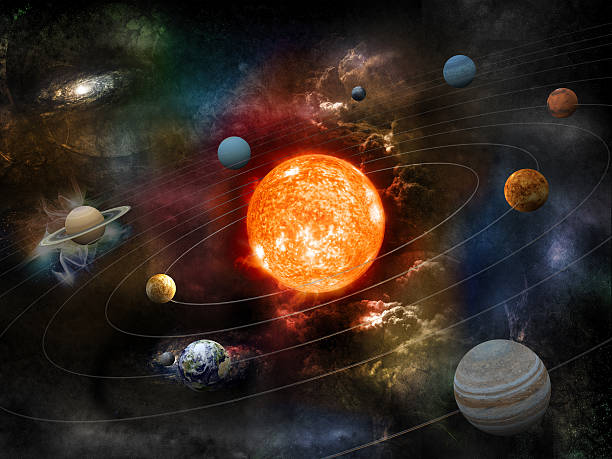
12. The Sun Makes Up 99.86% of the Solar System's Mass
All the planets, moons, asteroids, comets, and other material in the solar system combined account for only 0.14% of its total mass. The Sun contains 99.86%. Jupiter — by far the largest planet — accounts for most of that 0.14%, followed by Saturn. Earth, despite feeling substantial, is a barely perceptible gravitational rounding error in solar system terms. This extraordinary mass concentration is precisely what gives the Sun its overwhelming gravitational dominance and makes the nearly circular planetary orbits stable over billions of years.
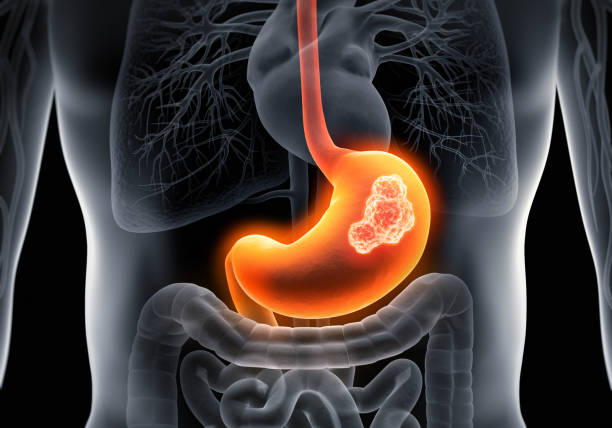
13. Your Stomach Gets an Entirely New Lining Every 2-3 Days
Your stomach lining replaces itself every 2-3 days — a necessity given that it's constantly exposed to concentrated hydrochloric acid (stomach acid) strong enough to dissolve metal. The gastric mucosa cells dividing at the base of the stomach's rugae replace cells that have been destroyed by the acid environment above them in an extraordinarily rapid renewal cycle. Similar (though slower) rapid renewal occurs in the intestinal lining (every 3-5 days), skin surface (every 2-4 weeks), and red blood cells (every 120 days). Your body is in continuous, radical self-renewal at the cellular level.
14. Sound Cannot Travel in Space
Space is not actually silent in a meaningful sense — it is silent because sound requires a medium (particles) to propagate through, and the vacuum of space contains too few particles to transmit sound waves. But space is filled with other forms of radiation and electromagnetic waves. NASA scientists have converted pressure variations in gas clouds around black holes into audio waveforms by speeding them up and mapping them to audio frequencies — and the results are eerie and fascinating. Space is acoustically silent but not electromagnetically empty.
15. Crows Can Recognize and Remember Individual Human Faces for Years
Multiple scientific studies have confirmed that crows (and other corvids) can recognize individual human faces, distinguish threatening individuals from non-threatening ones, and hold grudges for years. In one famous experiment, researchers wearing specific masks captured crows for banding — and later found that crows would scold and harass any person wearing those specific masks on campus, even years later, and even when the specific researchers weren't present. Crows also communicate threat information to other crows, who then also respond to the threatening-mask wearers — suggesting social transmission of specific human face recognition.
16. Every Atom in Your Body Was Once Inside a Star
The carbon, nitrogen, oxygen, iron, and other heavy elements in your body were forged in the nuclear furnaces of stars that existed before our Sun was born and then scattered into space when those stars exploded as supernovae. Our Sun formed from this enriched interstellar gas, as did Earth and everything on it — including you. The calcium in your bones was manufactured in a stellar core. The iron in your blood was produced in a stellar explosion. You are, in the most literal possible sense, made of stardust. Carl Sagan's famous observation is not poetry — it is chemistry.
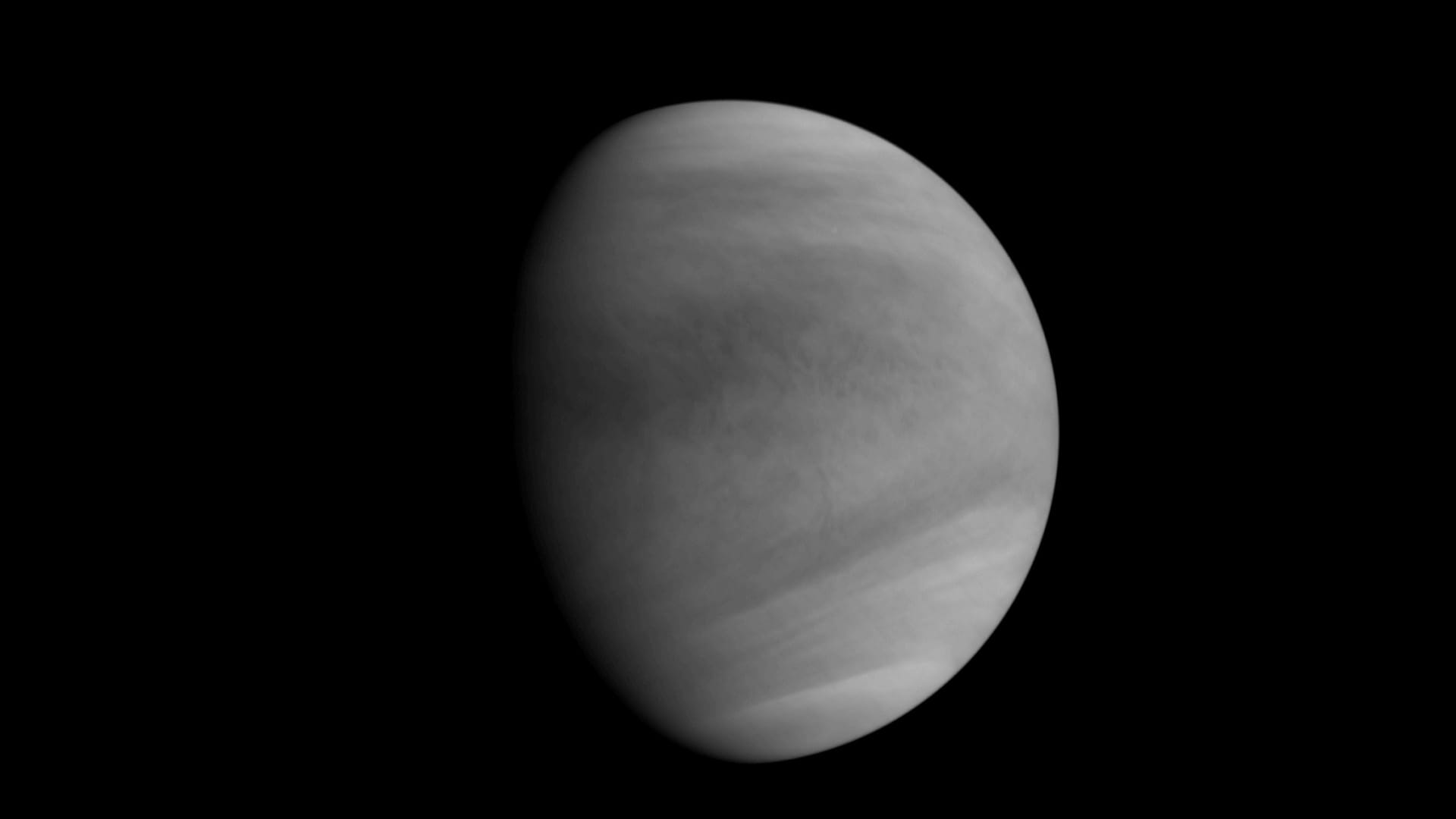
17. A Day on Venus Is Longer Than a Year on Venus
Venus rotates on its axis so incredibly slowly — completing one rotation every 243 Earth days — that its "day" (one rotation) is longer than its orbital year (225 Earth days to go around the Sun). Venus also rotates in the opposite direction from most planets — retrograde rotation — meaning the Sun rises in the west and sets in the east on Venus. To a hypothetical Venus surface observer, the Sun would rise once every 117 Earth days, move very slowly across a thick, toxic, carbon dioxide atmosphere, and set after another 117 days.
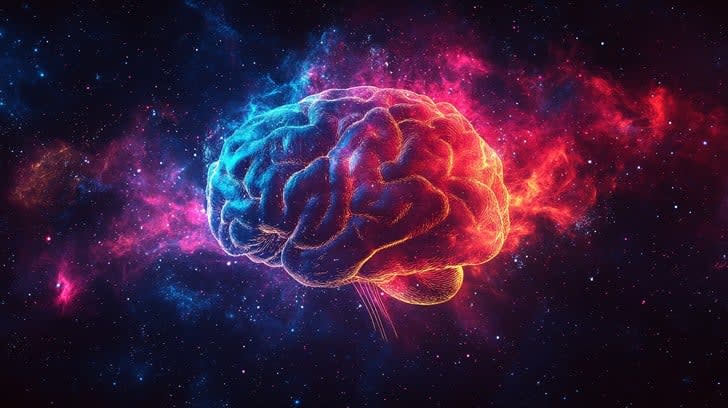
18. The Human Brain Uses About 20% of the Body's Total Energy
Despite comprising only about 2% of the body's weight, the human brain consumes approximately 20% of the body's total energy. This extraordinary metabolic demand reflects the brain's nearly continuous electrical activity — billions of neurons firing constantly, maintaining membrane potentials, synthesizing neurotransmitters, and sustaining complex network activity even during sleep. The brain cannot store significant energy reserves and requires continuous glucose delivery — a 5-10 minute interruption of blood flow is sufficient to cause permanent damage. This energy demand is why the brain is the first organ to suffer in states of starvation or circulatory compromise.
19. Octopuses Have Three Hearts, Blue Blood, and Neurons Throughout Their Body
Octopuses have three hearts: two pump blood to the gills, one to the rest of the body. Their blood is blue because it uses hemocyanin (copper-based) rather than hemoglobin (iron-based) to carry oxygen — copper gives blue blood far better oxygen-carrying capacity at cold temperatures. Most extraordinarily, two-thirds of an octopus's approximately 500 million neurons are distributed throughout its eight arms — each arm can process information and act semi-independently, even when severed from the body. An octopus is less a single centralized intelligence than a highly coordinated federation of semi-autonomous limbs.
20. Time Actually Passes More Slowly at Lower Altitudes
Einstein's general theory of relativity predicted — and precision atomic clocks have confirmed — that time passes more slowly in stronger gravitational fields. Clocks at sea level run very slightly slower than clocks on mountaintops or in orbit, because they're deeper in Earth's gravitational field. The effect is tiny at terrestrial scales but measurable with modern atomic clocks (accurate to within a second in hundreds of millions of years). GPS satellites must account for this relativistic time dilation in their calculations — without the correction, GPS positions would drift by several kilometers per day. General relativity is not an abstract theory: it is active physics in every GPS calculation.
Science has a remarkable quality: the more carefully you look at the universe, the stranger and more wonderful it becomes. These 20 facts are not anomalies or errors — they are windows into the genuine strangeness of a universe governed by quantum mechanics, relativity, evolutionary biology, and statistical physics. The world described by rigorous science is not less magical than mythology. It is far, far more so.
01. Bananas Are Berries, But Strawberries Aren’t
https://www.istockphoto.com/search/2/image-film?phrase=banana
02. Your Stomach Gets a New Lining Every Few Days
https://www.istockphoto.com/search/2/image-film?page=2&phrase=human+stomach+internal+organ
03. Space Smells Like Burnt Steak
https://www.istockphoto.com/search/2/image-film?phrase=space+and+astronomy
04. The Human Brain Has More Connections Than Stars in the Galaxy
05. Water Can Boil and Freeze at the Same Time

https://www.facebook.com/photo.php?fbid=10155864809829164&id=56997719163&set=a.10152320121434164
06. There’s a Jellyfish That Can Live Forever
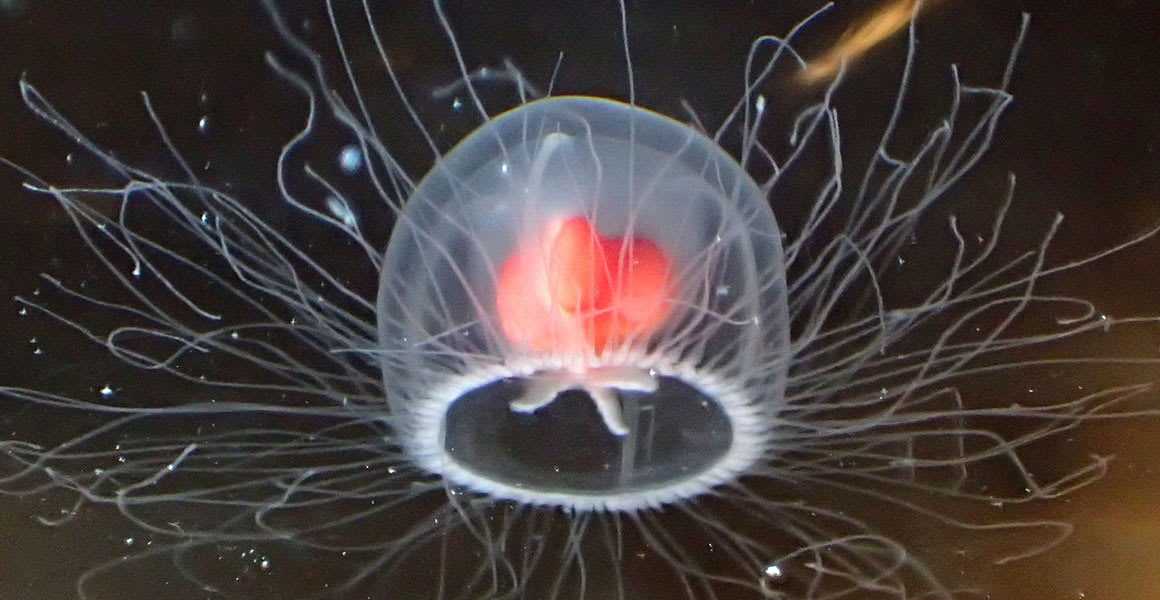
https://www.nhm.ac.uk/discover/immortal-jellyfish-secret-to-cheating-death.html
07. Lightning Is Five Times Hotter Than the Sun
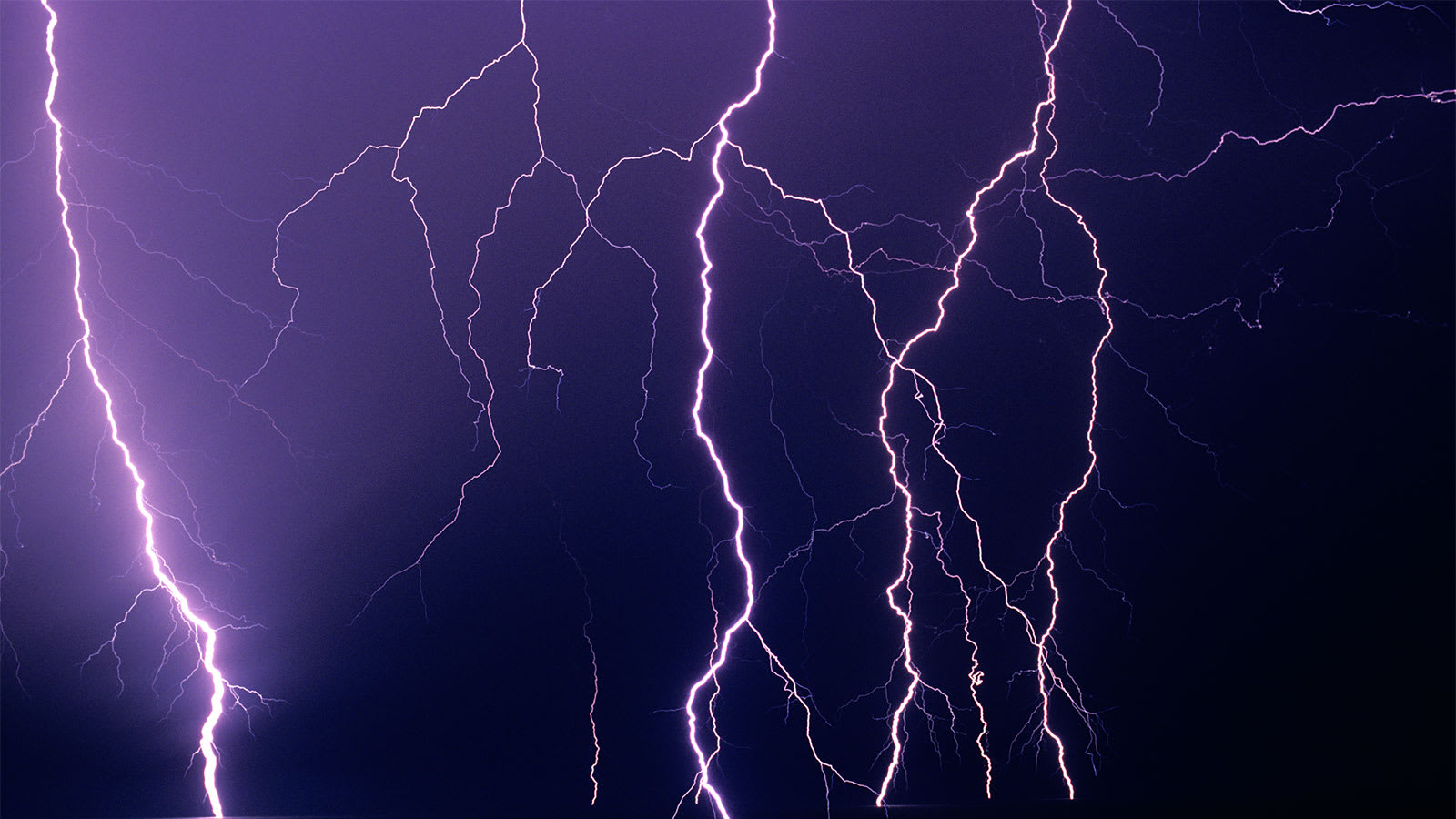
https://science.howstuffworks.com/nature/natural-disasters/lightning.htm
08. A Day on Venus Is Longer Than a Year There
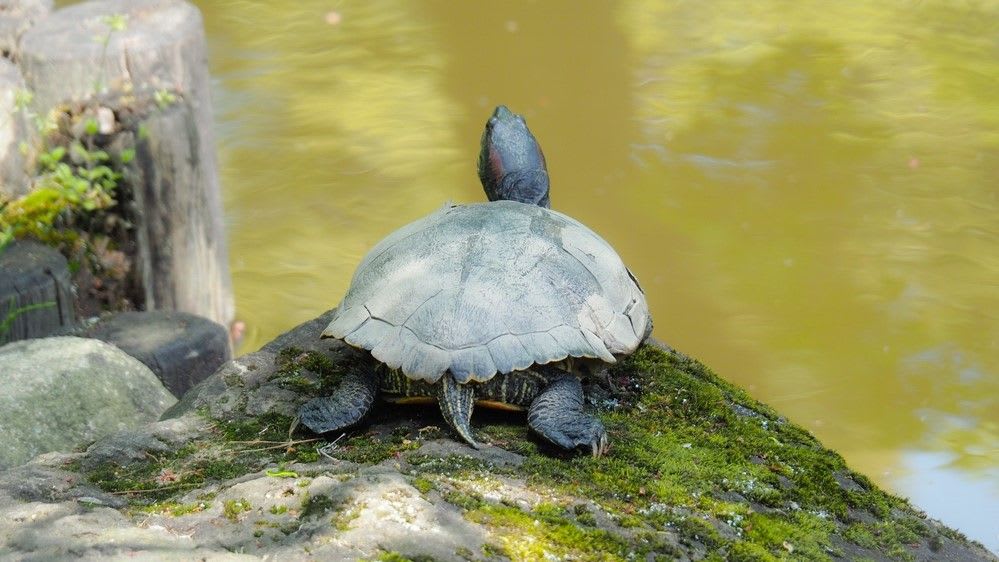
09. Some Turtles Can Breathe Through Their Butts
https://www.livescience.com/can-turtles-breathe-through-butts
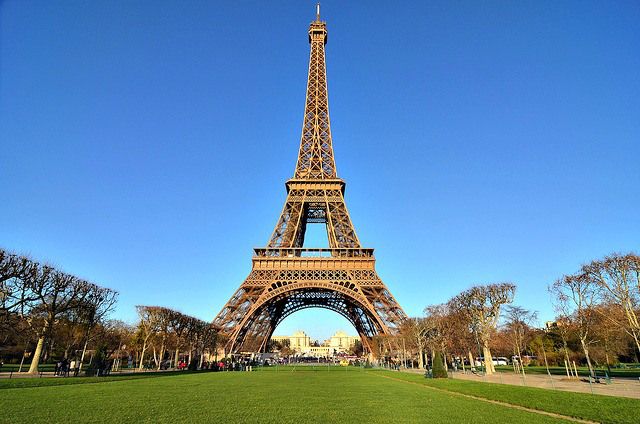
10. The Eiffel Tower Can Grow Taller in Summer
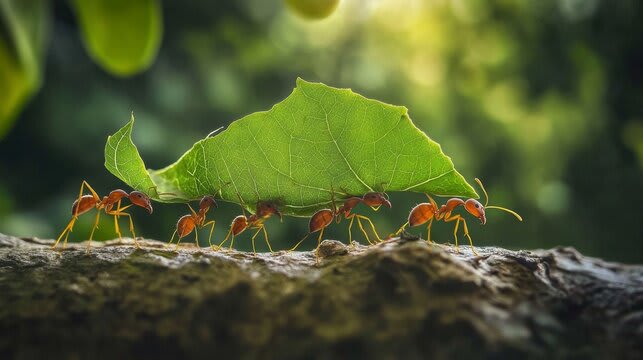
11. Ants Never Sleep
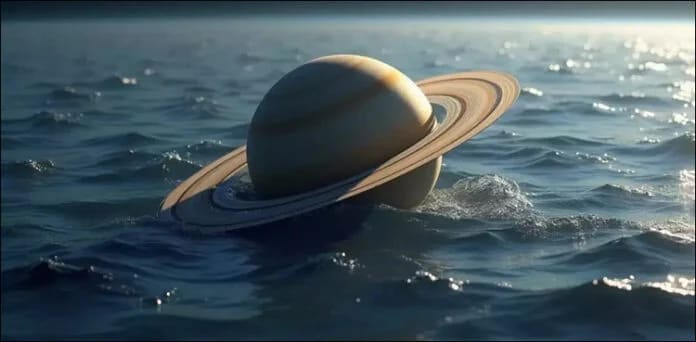
12. Saturn Could Float in Water
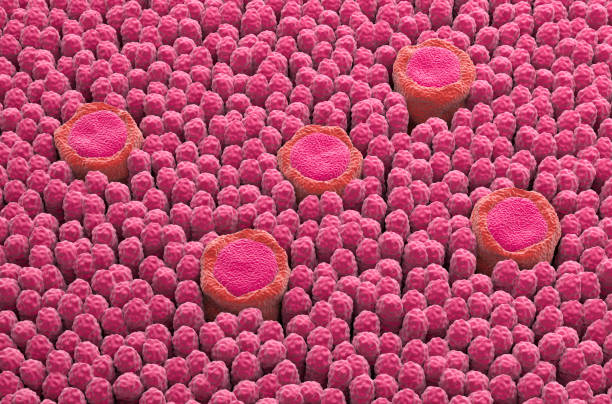
13. Your Taste Buds Live Only About 10 Days
https://www.istockphoto.com/search/2/image-film?phrase=taste+buds
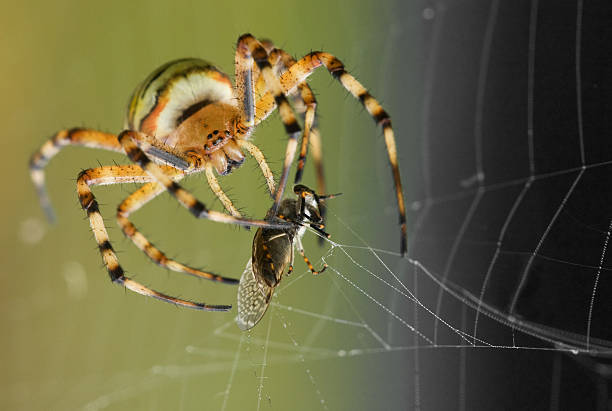
14. Spiders Can Fly Without Wings

https://www.istockphoto.com/search/2/image-film?phrase=spider+fly
15. The Ocean Holds 20 Million Tons of Gold

https://www.istockphoto.com/search/2/image-film?phrase=ocean+waves+landscape
16. Hot Water Freezes Faster Than Cold Water
https://science.howstuffworks.com/dictionary/physics-terms/mpemba-effect.htm
17. The Sun Makes Up 99.8% of Our Solar System
https://www.istockphoto.com/search/2/image-film?phrase=sun+solar+system
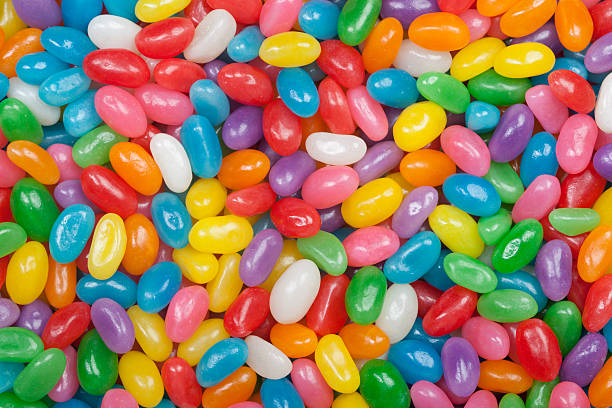
18. Jelly Beans Shine Because of Bug Secretions
https://www.istockphoto.com/search/2/image-film?phrase=jelly+beans
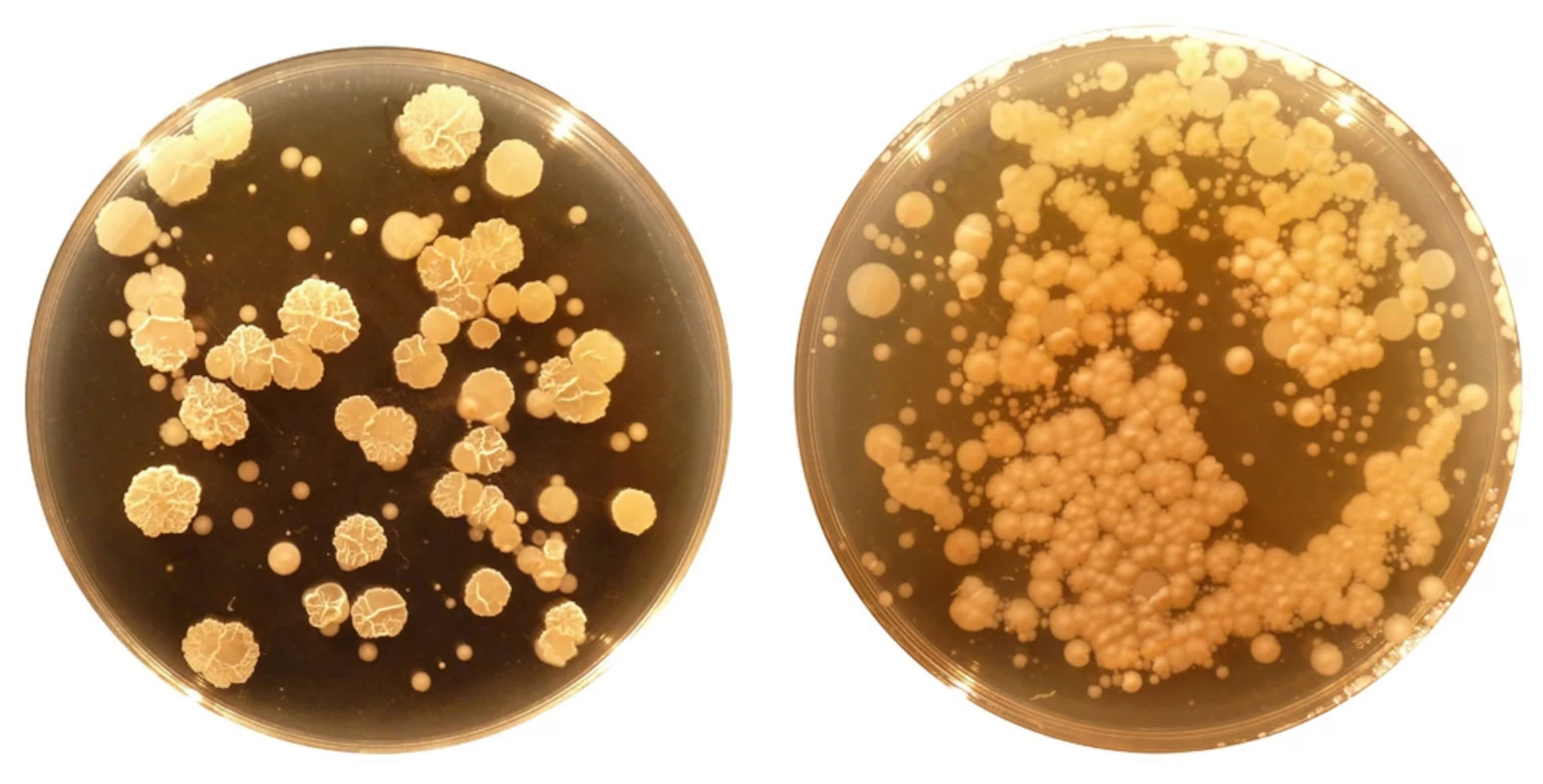
19. Your Belly Button Is a Mini Ecosystem
https://www.nationalgeographic.com/science/article/121114-belly-button-bacteria-science-health-dunn
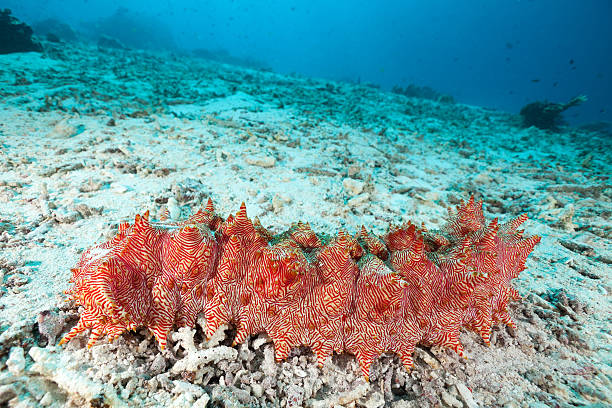
20. Sea Cucumbers Can Liquefy Their Bodies
https://www.istockphoto.com/search/2/image-film?phrase=sea+cucumber