Quantum Computing: The Future of Technology and Human Innovation
By Zainab Sheikh · Curiosities · 2025-10-18
When people first hear the term "quantum computing," they often imagine a concept pulled from science fiction. But in reality, quantum computing is here, and it’s reshaping industries faster than we can imagine. This groundbreaking technology uses the principles of quantum mechanics to process information in ways that traditional computers simply can’t match.
01. What Exactly Is Quantum Computing?
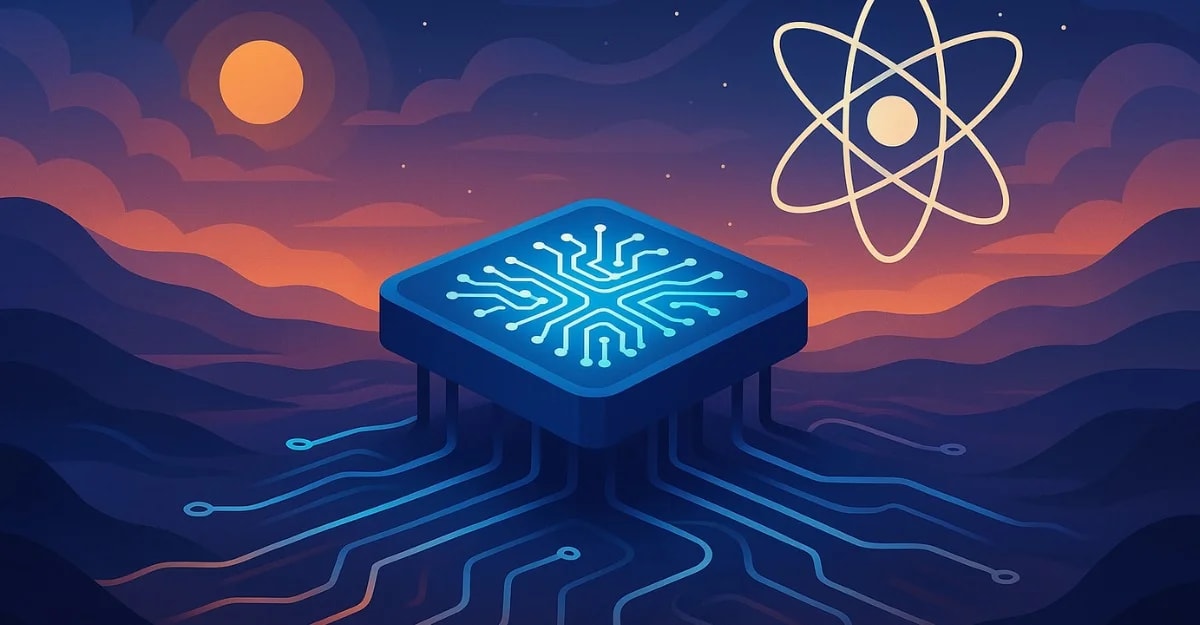
At its core, Quantum Computing is a new way of performing calculations using quantum bits or “qubits.” Unlike classical bits that represent either a 0 or a 1, qubits can represent both at the same time thanks to a property known as superposition. This means a Quantum Computing system can perform multiple calculations simultaneously, making it exponentially faster at solving certain complex problems. This difference may seem subtle, but it’s revolutionary. Imagine trying to find one correct key among a million a traditional computer would check each key one by one, while Quantum Computing could test them all at once.
02. How Quantum Computing Is Changing the World?
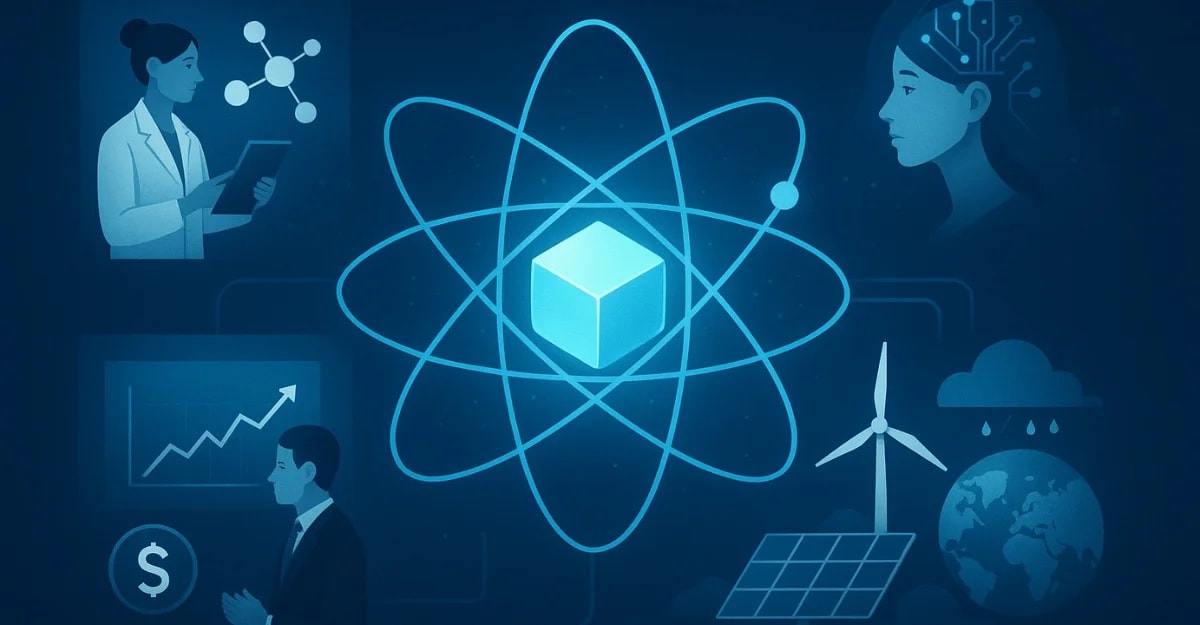
Quantum Computing isn’t just a futuristic concept —it’s already making waves across major industries. In healthcare, researchers use quantum algorithms to accelerate drug discovery by simulating molecular behavior at an atomic level. In finance, banks and investment firms are exploring Quantum Computing to optimize trading strategies and detect fraud more accurately. Even in climate science, Quantum Computing helps simulate complex environmental systems, enabling better forecasting and more sustainable solutions. The potential applications are limitless, touching everything from logistics to artificial intelligence.
03. Why Quantum Computing Is So Powerful?
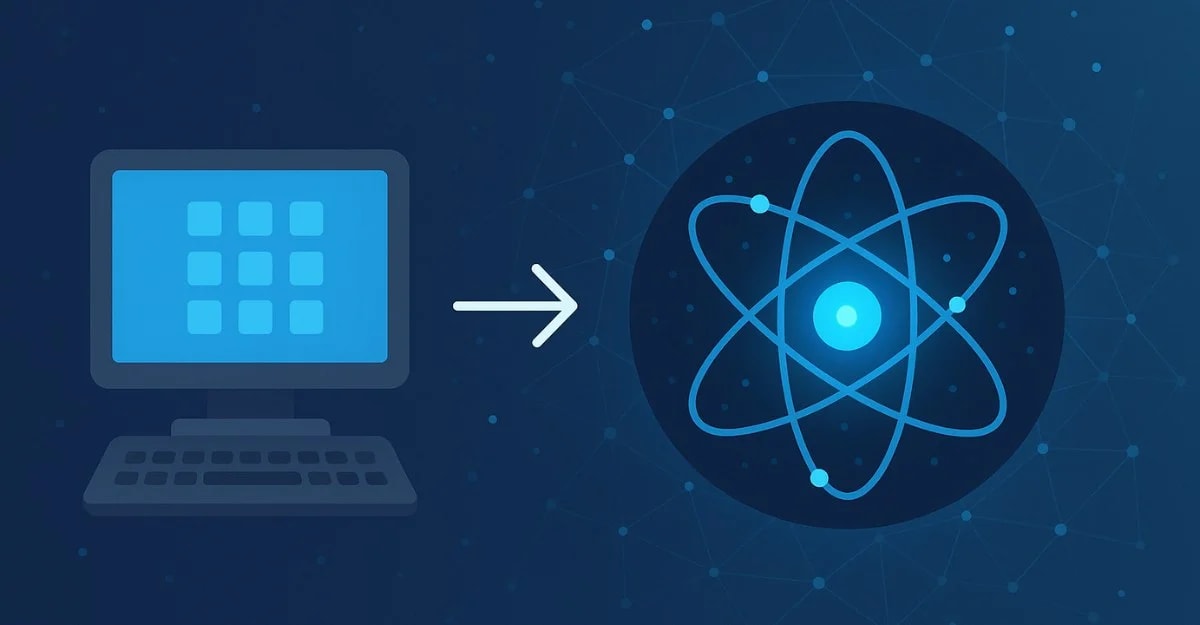
Traditional computers process information sequentially, which limits their efficiency in solving highly complex problems. Quantum Computing, on the other hand, uses two unique quantum principles superposition and entanglement that allow it to explore multiple solutions at once and link particles in powerful ways. This gives Quantum Computing an advantage in tasks like encryption, pattern recognition, and optimization, where massive amounts of data need to be processed simultaneously. It’s not just faster it’s smarter, more efficient, and capable of handling problems that current systems would take centuries to solve.
04. Challenges Facing Quantum Computing Today

While the potential of Quantum Computing is enormous, it’s still in its early stages. Building stable qubits is extremely challenging because quantum states are fragile even the smallest temperature change or vibration can disrupt them. This phenomenon, called “quantum decoherence,” makes Quantum Computing hardware difficult and expensive to maintain. Moreover, creating algorithms that can fully leverage quantum systems is a specialized task requiring advanced expertise in physics, mathematics, and computer science. Still, as technology advances, these barriers are steadily being overcome.
05. The Race for Quantum Dominance
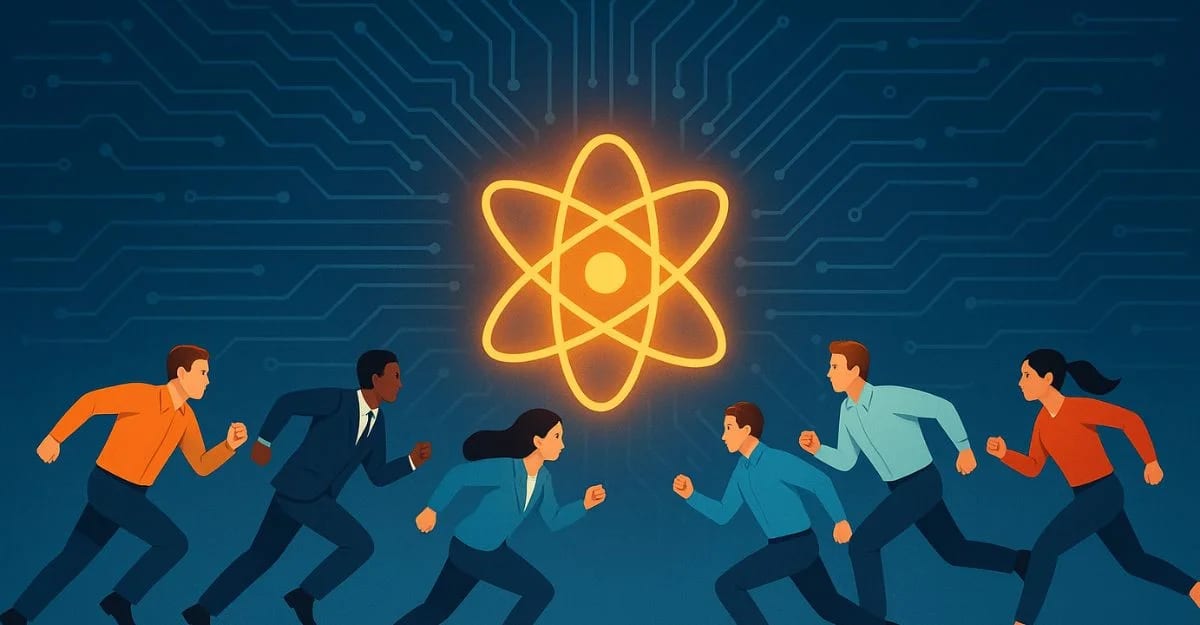
Tech giants like Google, IBM, and Microsoft are investing billions in Quantum Computing research. Google famously claimed “quantum supremacy” in 2019, demonstrating that its quantum computer solved a problem that would take the world’s fastest supercomputer thousands of years. Meanwhile, startups are emerging with creative approaches to make Quantum Computing accessible and affordable. Governments, too, are racing to establish quantum programs, understanding that whoever leads this revolution will control the future of cybersecurity, artificial intelligence, and national infrastructure.
06. The Future of Quantum Computing
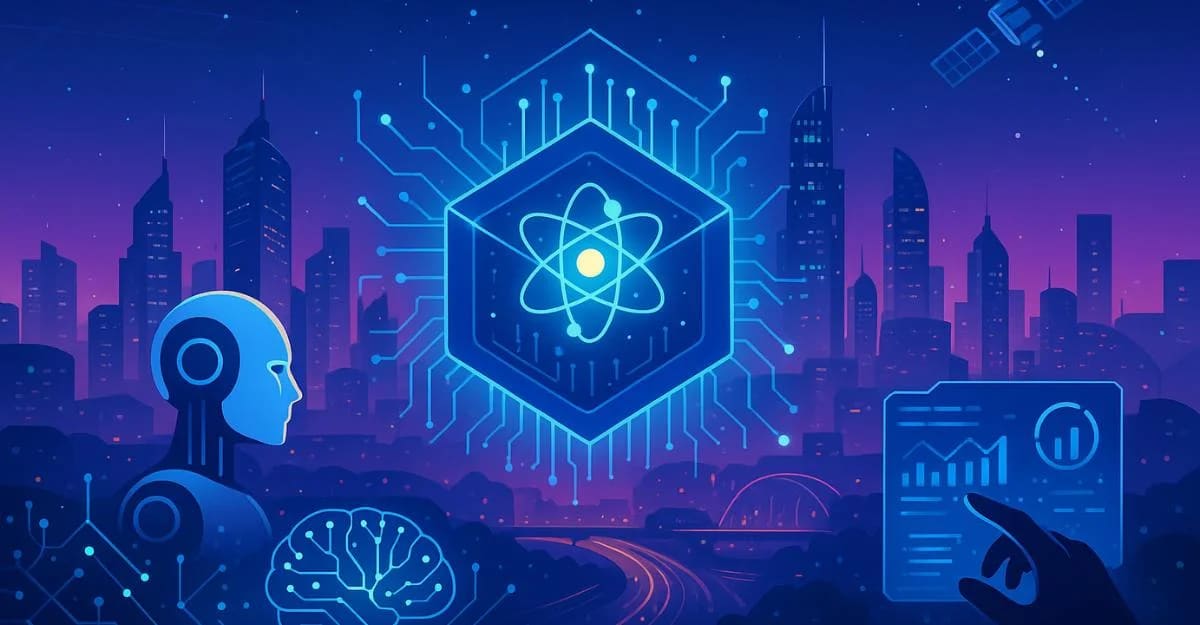
As Quantum Computing evolves, it’s expected to merge with fields like AI, data science, and machine learning. This combination will allow systems to learn faster, analyze deeper, and predict outcomes more accurately than ever before. In the coming decade, we might see Quantum Computing move from research labs to everyday use powering smart cities, transforming medicine, and even reshaping the internet through unbreakable quantum encryption.