The Fascinating Journey of Language Evolution: How Human Communication Transformed Through Time
By Zainab Sheikh · Curiosities · 2025-10-27
The story of humanity cannot be told without the story of Language Evolution. From primitive sounds and gestures to the thousands of structured languages we speak today, Language Evolution is one of the most remarkable achievements of our species. It reflects how humans learned to think, connect, and express complex ideas. As societies grew, so did their words evolving to match culture, technology, and emotion. Language Evolution is not just about words changing over time; it’s about how communication shaped civilization itself.
Let’s explore five incredible stages and examples of Language Evolution that show how human speech, writing, and meaning have transformed across history.
01. The Birth of Speech – The Dawn of Communication
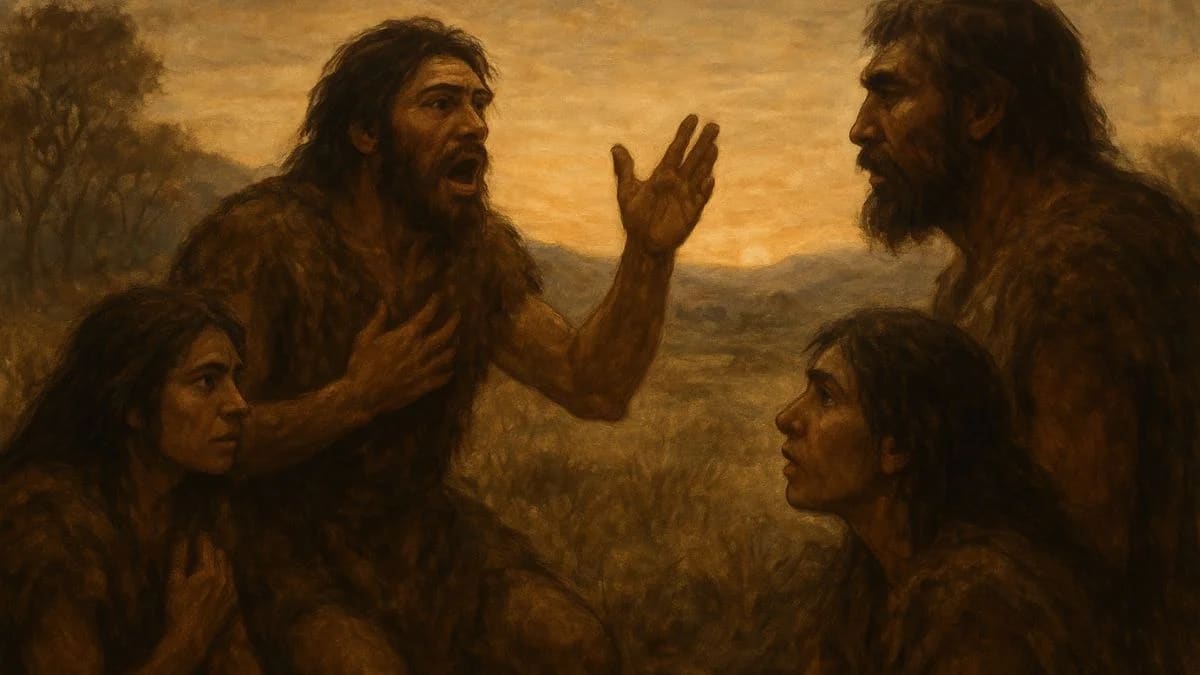
The earliest phase of Language Evolution began with our ancestors, long before writing existed. Early humans relied on gestures, facial expressions, and sounds to share warnings or emotions. Over time, these sounds developed into more organized vocal patterns — the first step toward true speech. This stage of Language Evolution is believed to have started around 100,000 years ago, when Homo sapiens developed advanced vocal anatomy and brain regions dedicated to language processing. The invention of spoken language allowed humans to share knowledge, plan hunts, and form stronger communities. In essence, Language Evolution gave humanity a survival advantage turning communication into power.
02. The Rise of Writing – Turning Words into Symbols
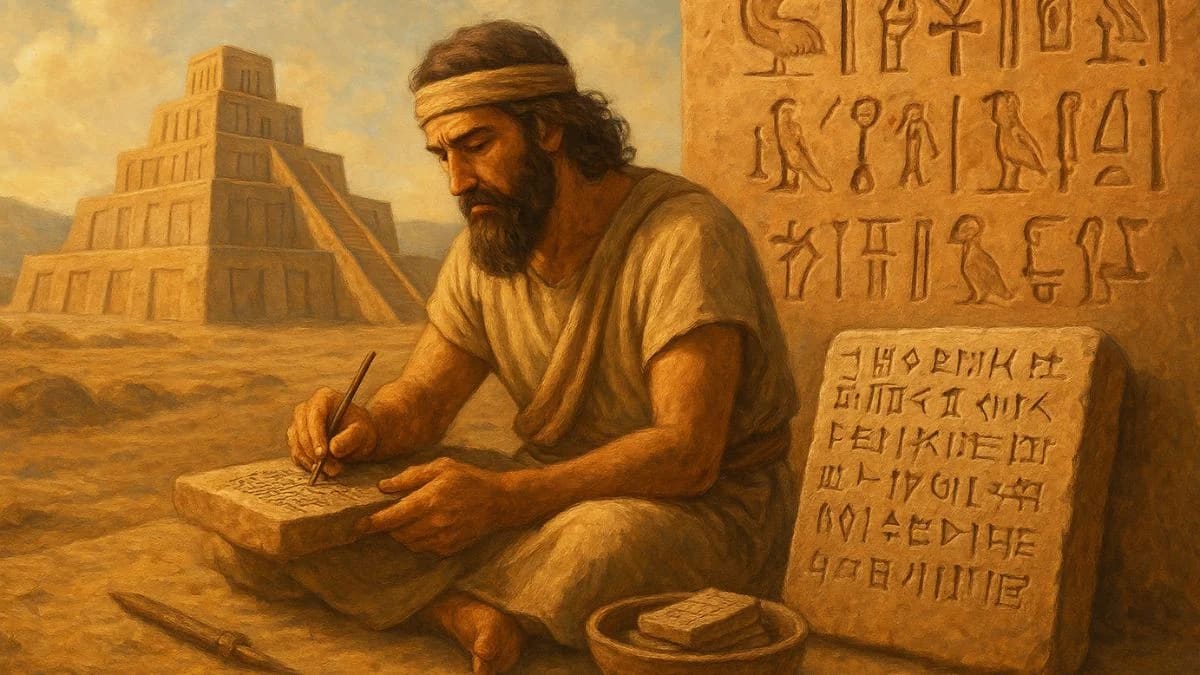
The next great leap in Language Evolution came with the invention of writing. Around 5,000 years ago, ancient civilizations began recording information using symbols. The Sumerians created cuneiform script on clay tablets, while the Egyptians developed hieroglyphs to tell stories of gods and kings. This shift changed everything. Language Evolution now meant that knowledge could be stored, shared, and passed down through generations. Writing helped build empires, preserve laws, and record history. Without this stage of Language Evolution, much of humanity’s story would have been lost to time. It was through written language that humans began to shape identity, culture, and education on a global scale.
03. The Diversification of Languages – Branching Across the World
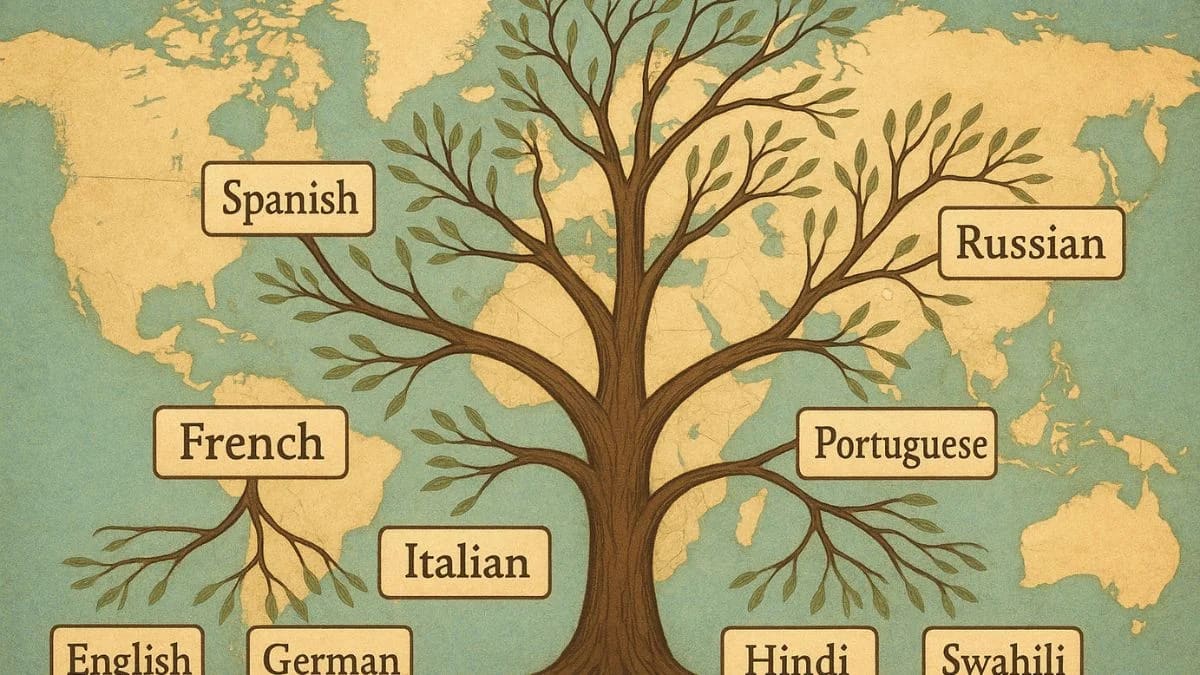
As people migrated and settled in new lands, Language Evolution took another exciting turn. Isolated communities developed their own sounds, grammar, and words — giving birth to new languages. For example, Latin evolved into the Romance languages (Spanish, French, Italian, and Portuguese), while Proto-Indo-European branched into hundreds of tongues spoken today. This process of diversification shows the adaptability of Language Evolution. Each region’s environment, culture, and interactions shaped its vocabulary. Desert communities developed many words for sand and wind, while seafaring societies had rich terms for tides and navigation. Language Evolution mirrored human creativity and the deep connection between people and their surroundings.
04. The Printing Revolution – Spreading Words to the Masses
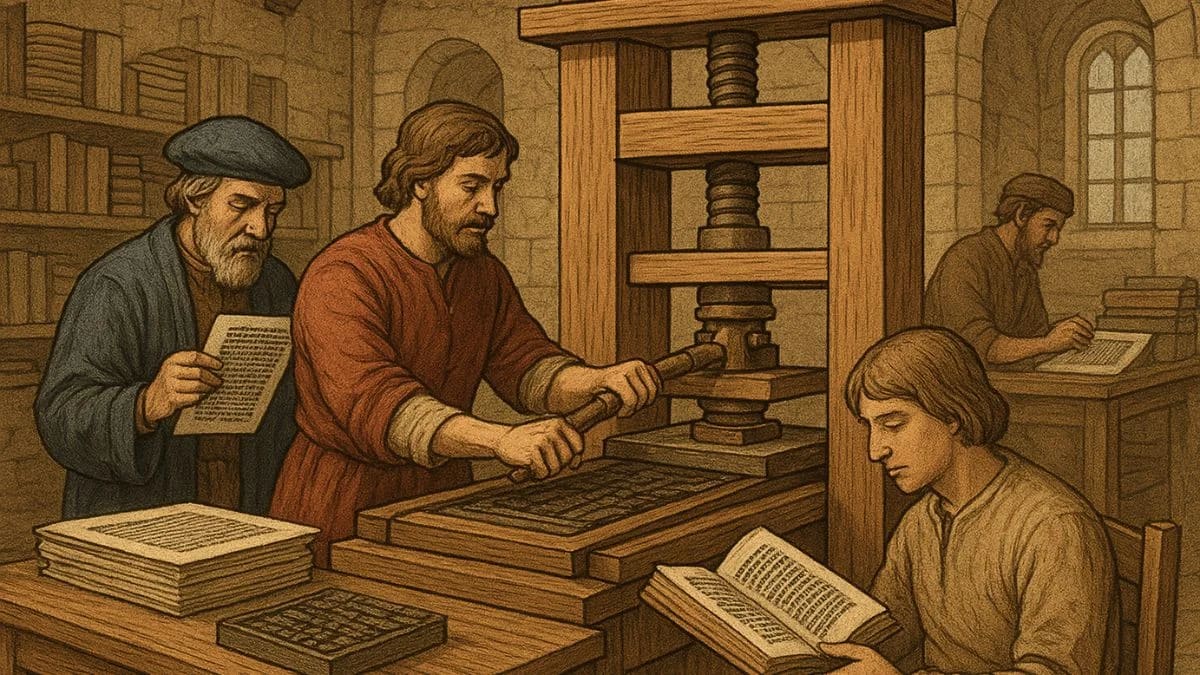
No discussion of Language Evolution is complete without the impact of the printing press. When Johannes Gutenberg invented movable type in the 15th century, he revolutionized communication. Books, once rare and handwritten, became widely available. This technological leap accelerated Language Evolution by standardizing grammar, spelling, and pronunciation across regions. Printed texts also helped spread ideas faster than ever before — from religious teachings to scientific discoveries. During this phase of Language Evolution, literacy rates soared, and people began to connect across borders through shared texts and literature. The printing revolution didn’t just spread knowledge; it unified languages and gave rise to modern education and culture.
05. The Digital Age – The Fastest Phase of Language Evolution
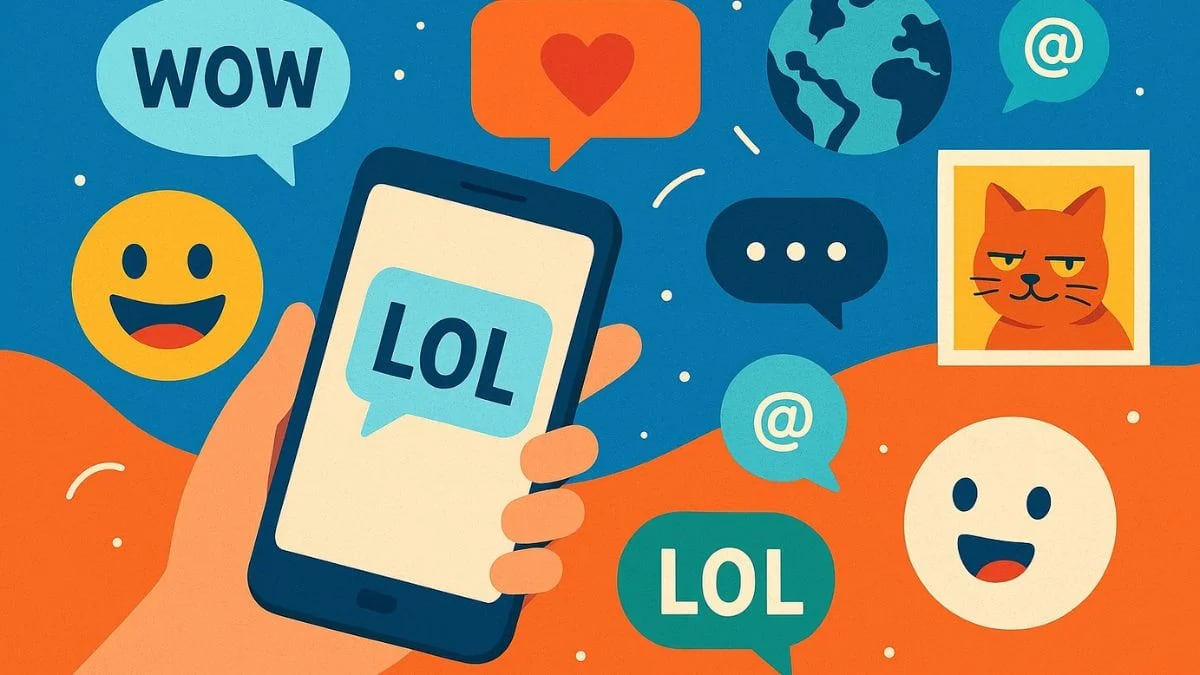
In the 21st century, we are witnessing the most rapid stage of Language Evolution ever recorded. The internet, smartphones, and social media have transformed how we communicate. Abbreviations like “LOL,” emojis, and memes have become part of everyday language. Digital communication has created global slang that crosses traditional barriers. Yet, while technology simplifies messages, it also introduces new forms of creativity. This phase of Language Evolution shows how humans continuously adapt their speech to fit new platforms. Artificial intelligence, translation software, and digital assistants now learn from human interaction further shaping how Language Evolution unfolds. Languages today are changing faster than ever, blending culture, innovation, and emotion into one global voice.