Understanding Fossil Fuels: The Energy Sources That Shaped Our Modern World
By Zainab Sheikh · Education & Learning · 2025-10-25
For centuries, Fossil Fuels have powered human civilization. From lighting homes to driving industries, they’ve been the backbone of global progress. Formed millions of years ago from the remains of ancient plants and animals, Fossil Fuels store the sun’s energy deep within the Earth. When burned, they release that energy as heat and power fueling everything from cars to electricity grids. But as vital as they’ve been to our growth, Fossil Fuels also come with environmental challenges that are now pushing humanity to rethink how we use energy.
Let’s explore seven major types of Fossil Fuels, their importance, and their impact on our world.
01. Coal – The Black Diamond of Industry
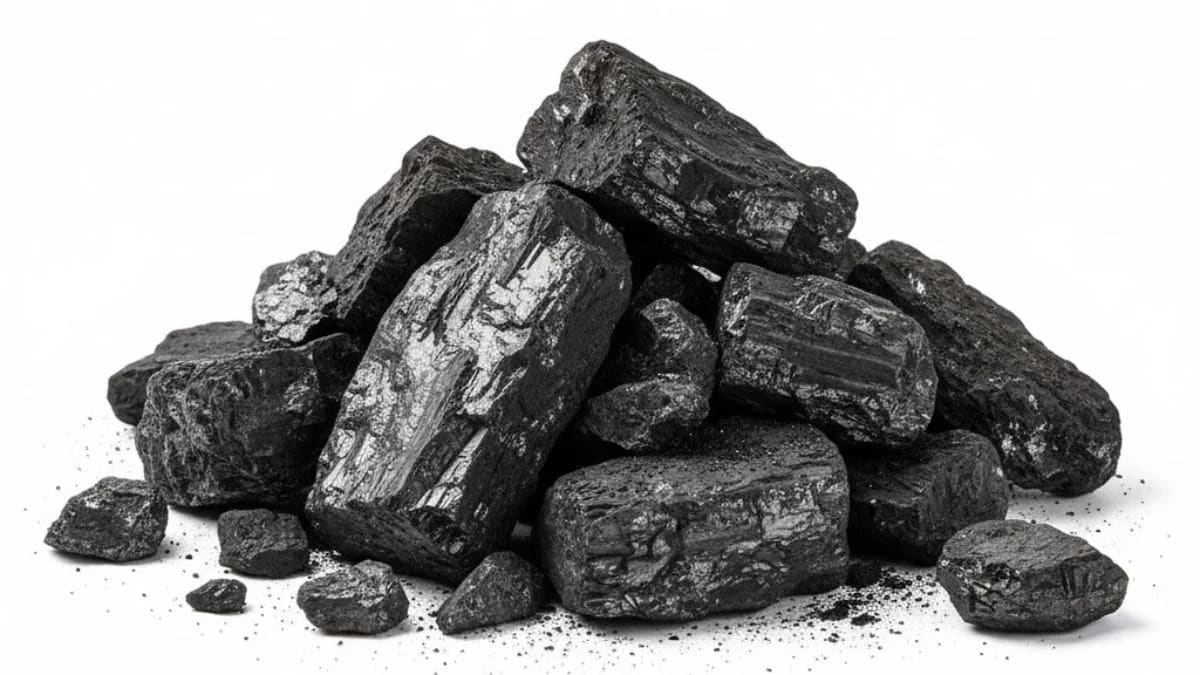
Coal is one of the most well-known Fossil Fuels and played a crucial role in the Industrial Revolution. This black, carbon-rich rock powered trains, factories, and early electricity plants. There are several types of coal — from soft lignite to hard anthracite — each varying in carbon content and energy output. Though it remains a key energy source in many countries, coal is also one of the most polluting Fossil Fuels, releasing carbon dioxide and harmful particles into the atmosphere. Still, its role in history is undeniable it helped build the modern world.
02. Crude Oil – The Lifeblood of Modern Society
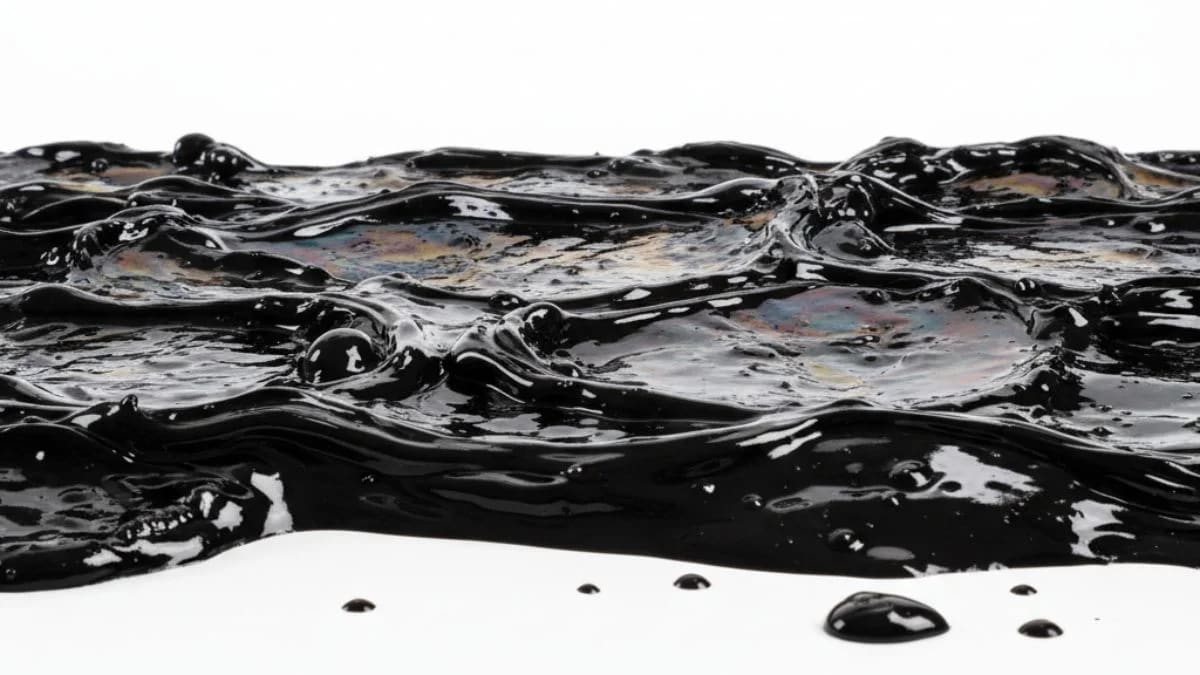
When we talk about Fossil Fuels, crude oil often comes to mind first. Extracted from deep underground, crude oil is refined into products like gasoline, diesel, jet fuel, and even plastics. Its discovery transformed transportation, enabling global trade and travel. Fossil Fuels like crude oil power billions of vehicles and machines daily, making it one of the most valuable resources on Earth. However, oil spills and greenhouse gas emissions have also made it a leading contributor to environmental issues like global warming.
03. Natural Gas – The Cleaner-Burning Fuel
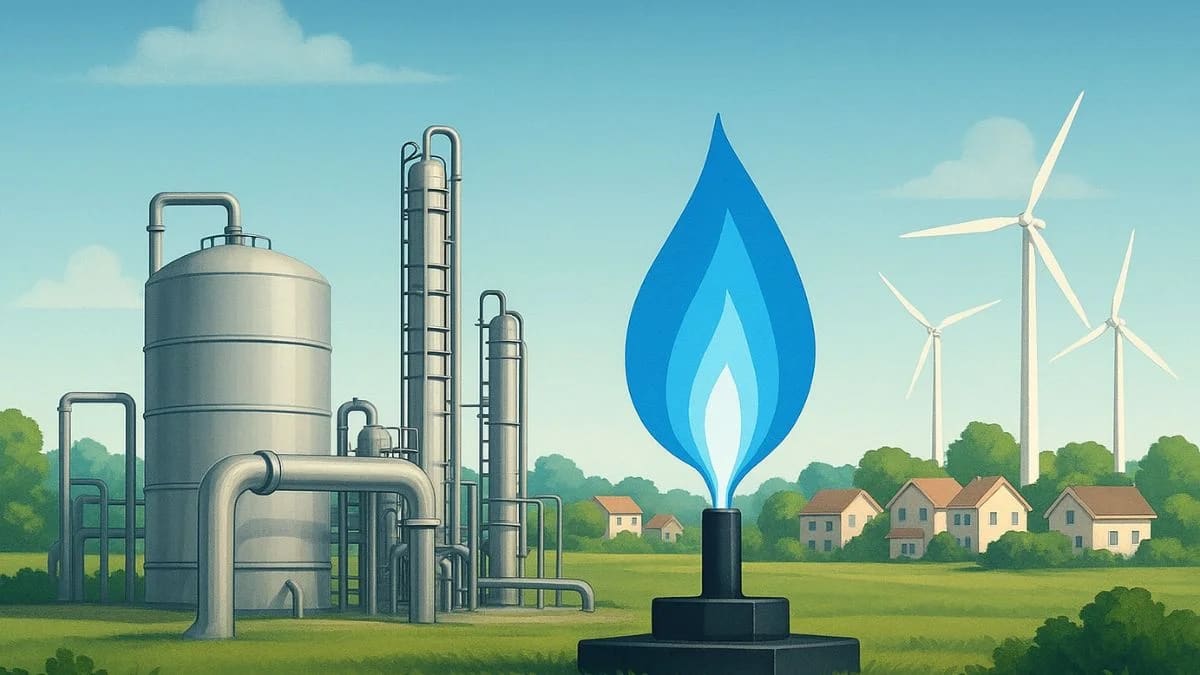
Natural gas is another major player among Fossil Fuels, prized for being relatively cleaner than coal or oil. Composed mainly of methane, it’s used for heating homes, cooking, and generating electricity. Many countries are turning to natural gas as a “bridge fuel” a step toward cleaner energy while renewable sources develop further. Despite being one of the less polluting Fossil Fuels, it still emits carbon and methane, both potent greenhouse gases. Nonetheless, its efficiency and affordability have made it a global favorite.
04. Peat – The Ancient Precursor to Coal
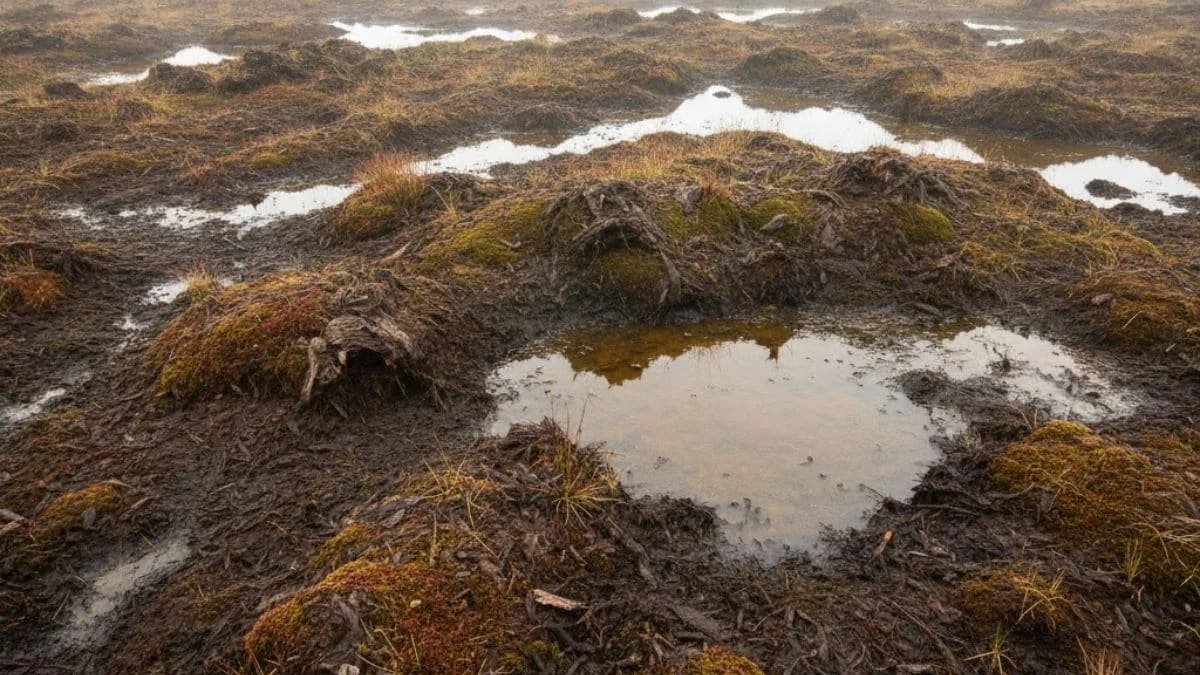
Peat is one of the earliest forms of Fossil Fuels, created from partially decomposed plant material found in wetlands. Over millions of years, peat can transform into coal under pressure and heat. While not as energy-dense as other Fossil Fuels, it has been used for centuries as a source of heat, especially in regions like Ireland and Scotland. Today, peat is still harvested for energy in some countries, though environmentalists caution that its extraction can damage ecosystems and release stored carbon.
05. Oil Shale – The Hidden Resource
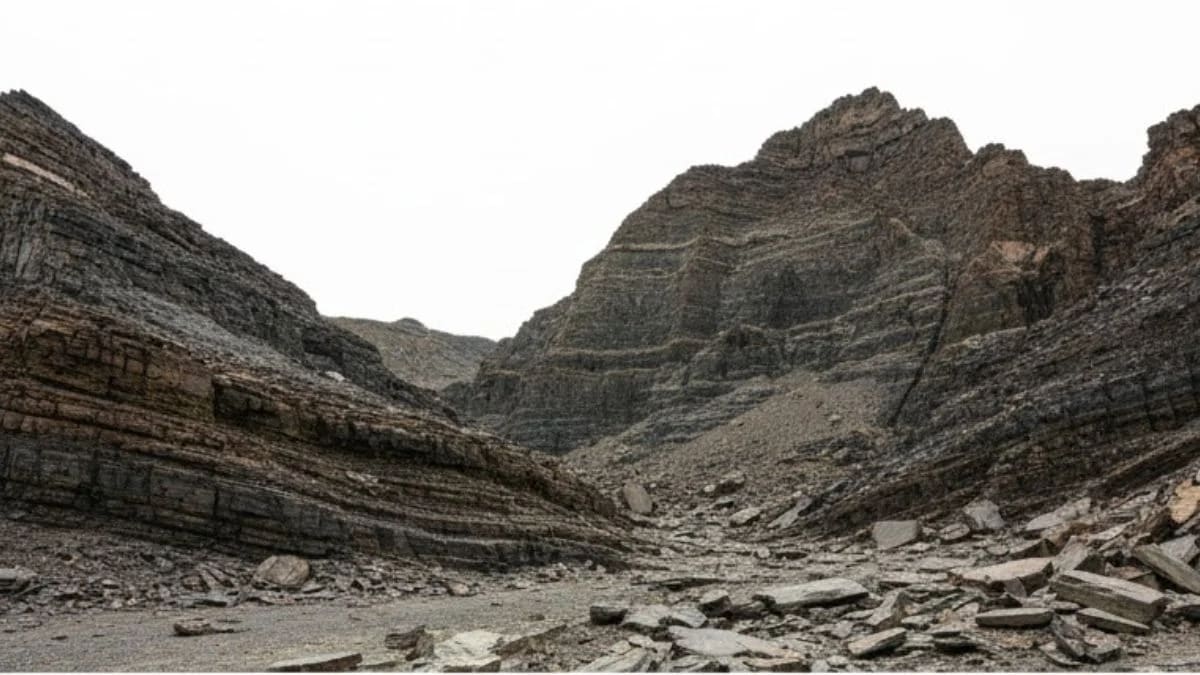
Oil shale is a sedimentary rock that contains kerogen, a substance that can be heated to produce synthetic oil. Although it’s one of the lesser-known Fossil Fuels, it holds vast potential reserves. Extracting oil shale, however, is costly and environmentally challenging, requiring significant water and energy. Still, as conventional oil reserves decline, interest in this Fossil Fuel resource continues to grow. It represents both the promise and the complexity of humanity’s ongoing reliance on fossil energy.
06. Tar Sands – The Thick Treasure of the Earth
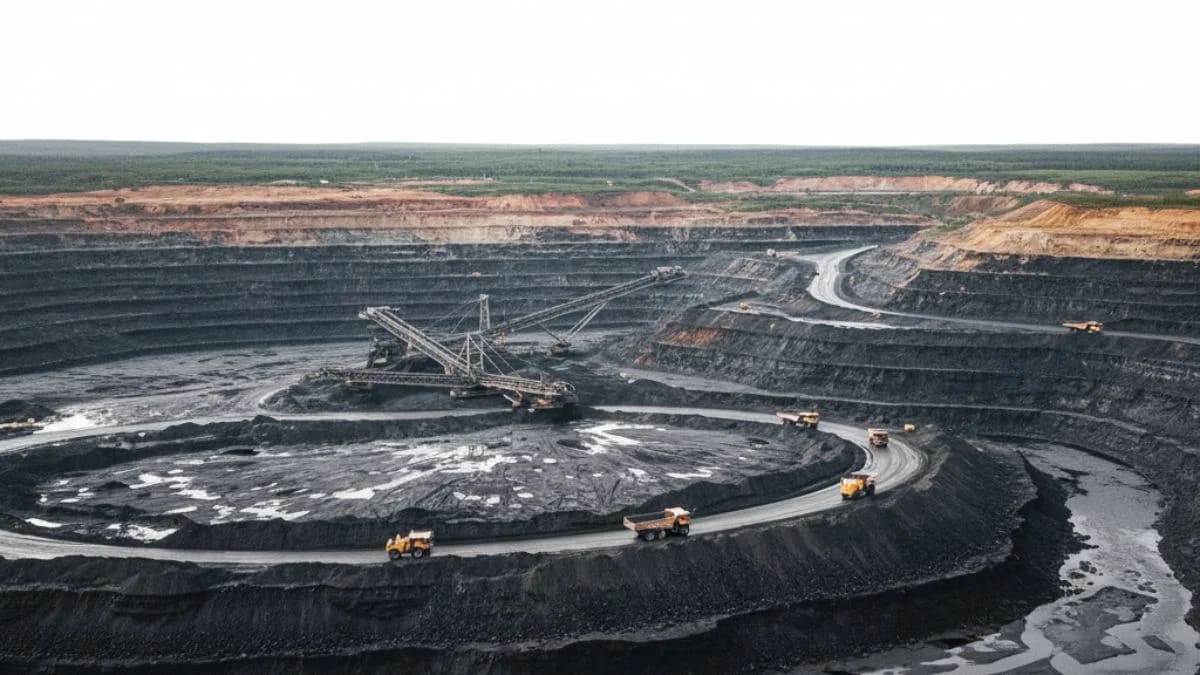
Also known as oil sands, tar sands are another unconventional form of Fossil Fuels. Found mainly in Canada and Venezuela, they consist of sand, clay, water, and bitumen a thick, heavy form of petroleum. Extracting oil from tar sands involves mining and heating, processes that consume large amounts of water and energy. While tar sands provide a massive supply of petroleum, they are among the most environmentally damaging Fossil Fuels to extract. Yet, they continue to be developed due to high global energy demand.
07. Methane Hydrates – The Frozen Future Fuel
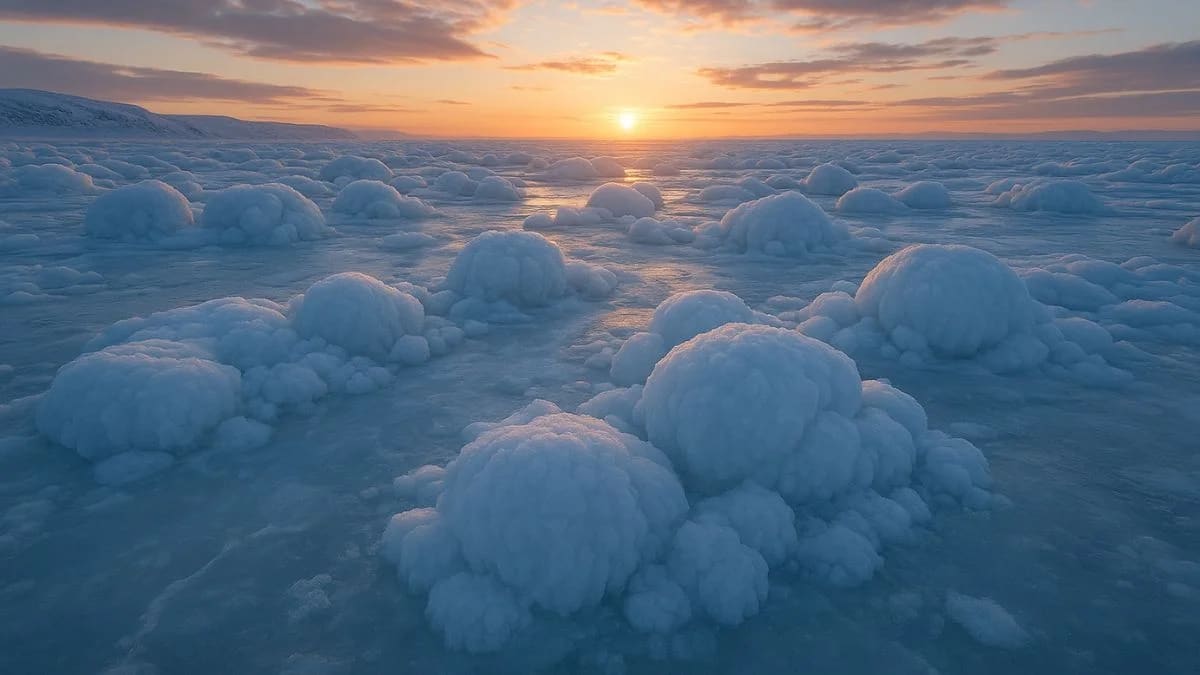
One of the most fascinating Fossil Fuels yet to be fully harnessed is methane hydrate, often called “fire ice.” Found beneath ocean floors and in permafrost regions, it’s a frozen combination of methane and water. Scientists believe methane hydrates could one day become a major energy source, holding more energy potential than all other Fossil Fuels combined. However, safely extracting it remains a huge challenge releasing trapped methane could accelerate climate change. Still, it shows that the future of Fossil Fuels is as complex as their past.