Unlocking the Truth: The Power and Precision of Forensic Science
By Zainab Sheikh · Education & Learning · 2025-10-28
In every thrilling crime mystery or courtroom drama, Forensic Science stands as the silent hero the bridge between evidence and truth. It’s the science of solving mysteries hidden within fingerprints, bloodstains, DNA strands, and digital footprints. Beyond entertainment, Forensic Science plays a crucial real-world role in justice, helping investigators uncover what really happened when human memory or eyewitnesses fall short.
Through technology, biology, chemistry, and psychology, Forensic Science turns ordinary clues into extraordinary stories. Let’s explore five major types of Forensic Science that showcase how science brings justice to life, one piece of evidence at a time.
01. Forensic Pathology – Speaking for the Silent
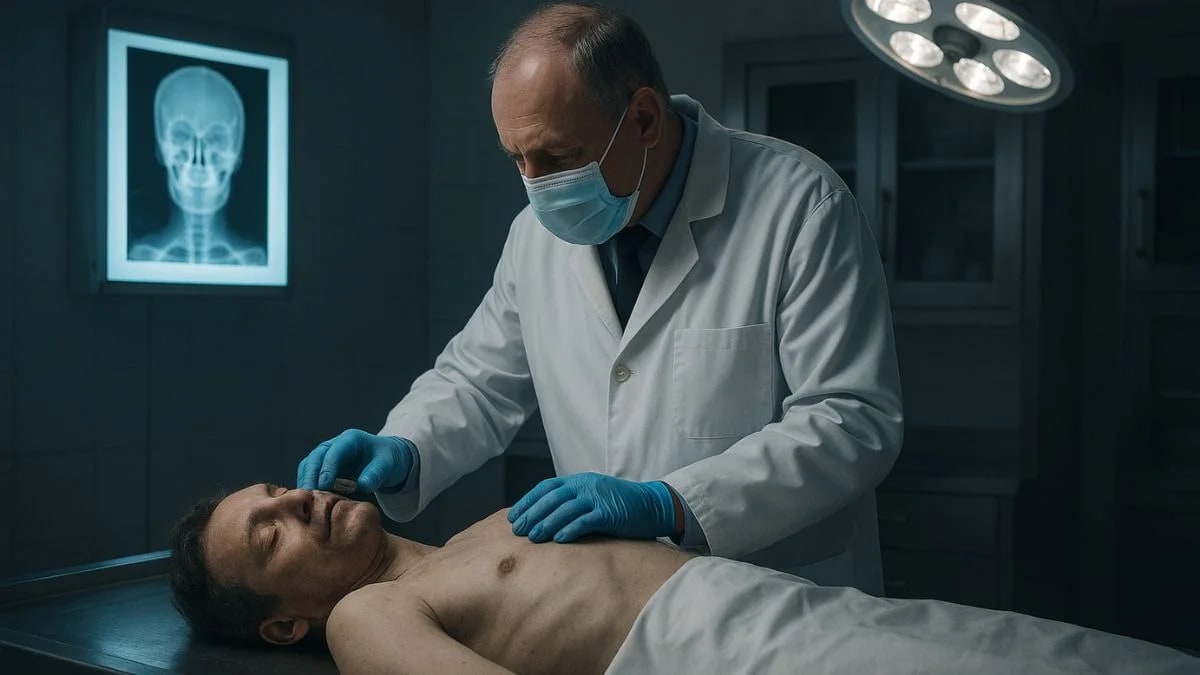
Forensic Pathology is one of the most vital branches of Forensic Science, focused on determining the cause and manner of death. Forensic pathologists often known as medical examiners perform autopsies to uncover the truth hidden in the human body. They analyze wounds, organs, and tissues to determine if death resulted from natural causes, accidents, or foul play. This area of Forensic Science is crucial in homicide investigations, as even the smallest clue a bruise, a toxin, or a bullet path can change the course of a case. Forensic pathologists don’t just identify how someone died; they help provide closure to families and ensure justice is served. In the world of Forensic Science, they are the voices for those who can no longer speak.
02. Forensic Toxicology – Detecting the Invisible Killers
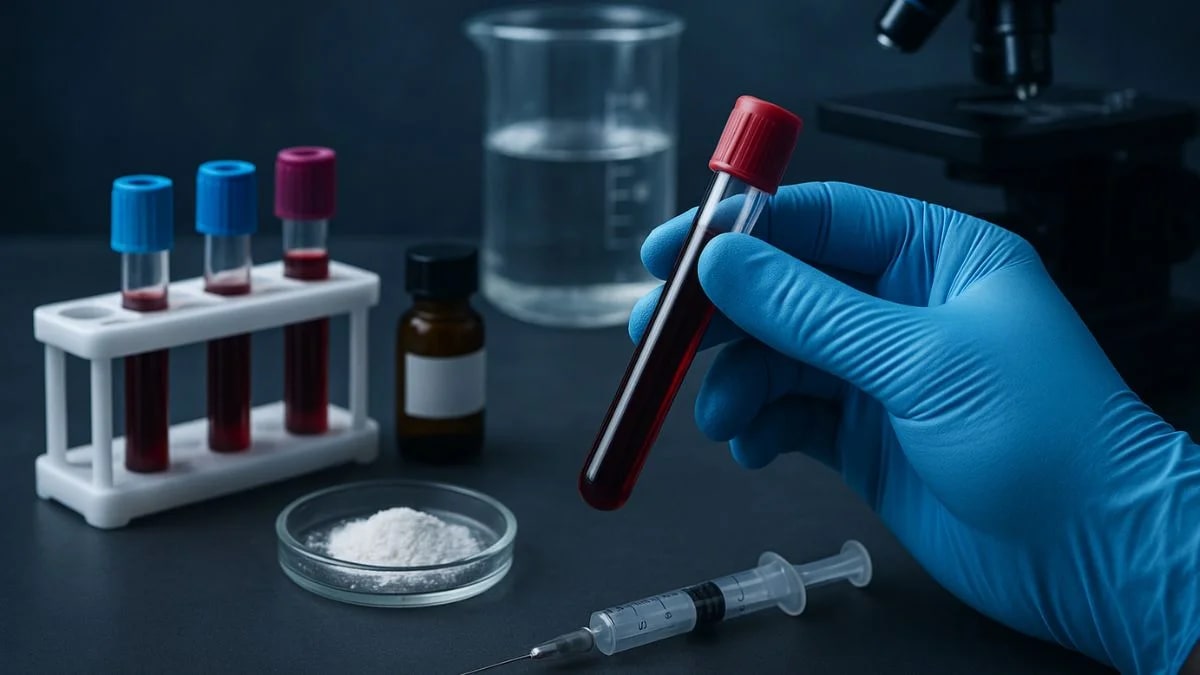
Forensic Toxicology is the branch of Forensic Science that investigates how chemicals, drugs, and poisons affect the human body. Toxicologists analyze blood, urine, and tissue samples to identify substances that may have caused impairment or death. This field is essential in cases involving overdoses, poisonings, or drug-facilitated crimes. One of the most fascinating aspects of this Forensic Science field is its precision. Even tiny traces of a substance can reveal major truths. Forensic toxicologists must stay updated with constantly evolving drug trends and chemicals. Whether it’s detecting cyanide in a murder case or identifying traces of alcohol in a DUI investigation, this branch of Forensic Science plays a critical role in connecting chemistry with criminal justice.
03. Forensic Anthropology – Reconstructing the Past from Bones
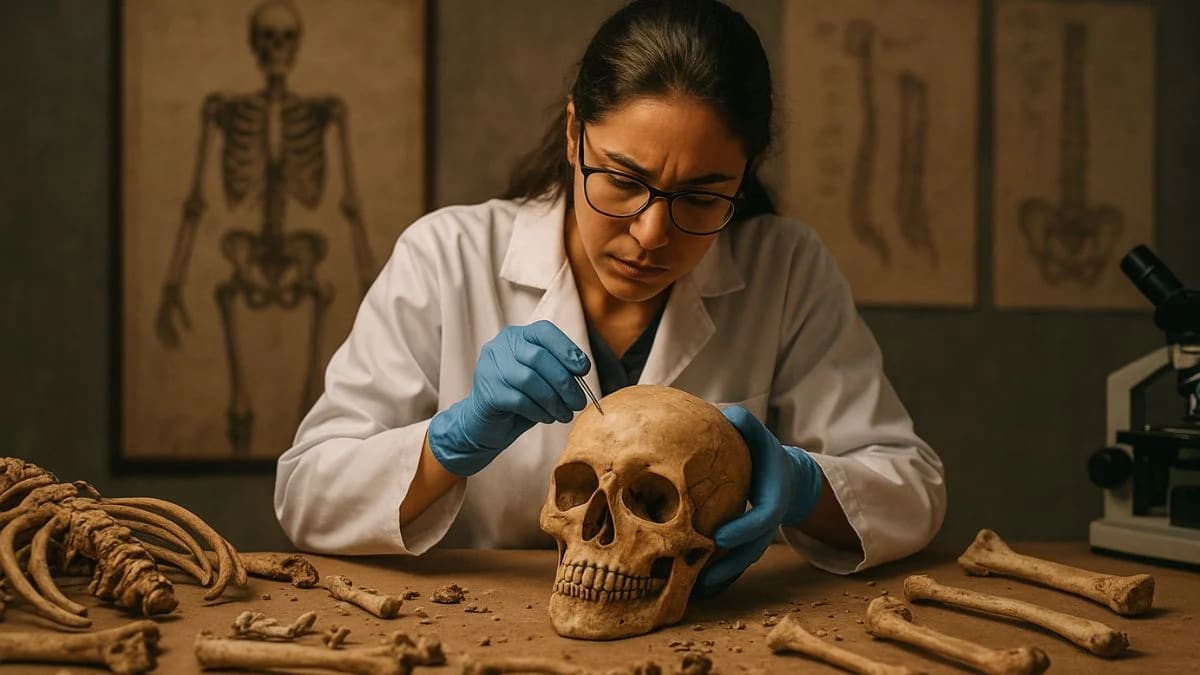
Forensic Anthropology combines the study of human anatomy with investigative skills, making it a unique and fascinating part of Forensic Science. Forensic anthropologists analyze skeletal remains to identify who a person was and how they might have died. This branch is especially important when the body is decomposed, burned, or unrecognizable. Through careful examination of bones, experts in this Forensic Science field can determine age, sex, height, ancestry, and even possible injuries. They often work hand in hand with archaeologists and law enforcement to solve cold cases or uncover mass graves. In many ways, forensic anthropologists act as time travelers using bones to tell stories that would otherwise remain buried forever.
04. Digital Forensics – Tracing Clues in the Cyber World
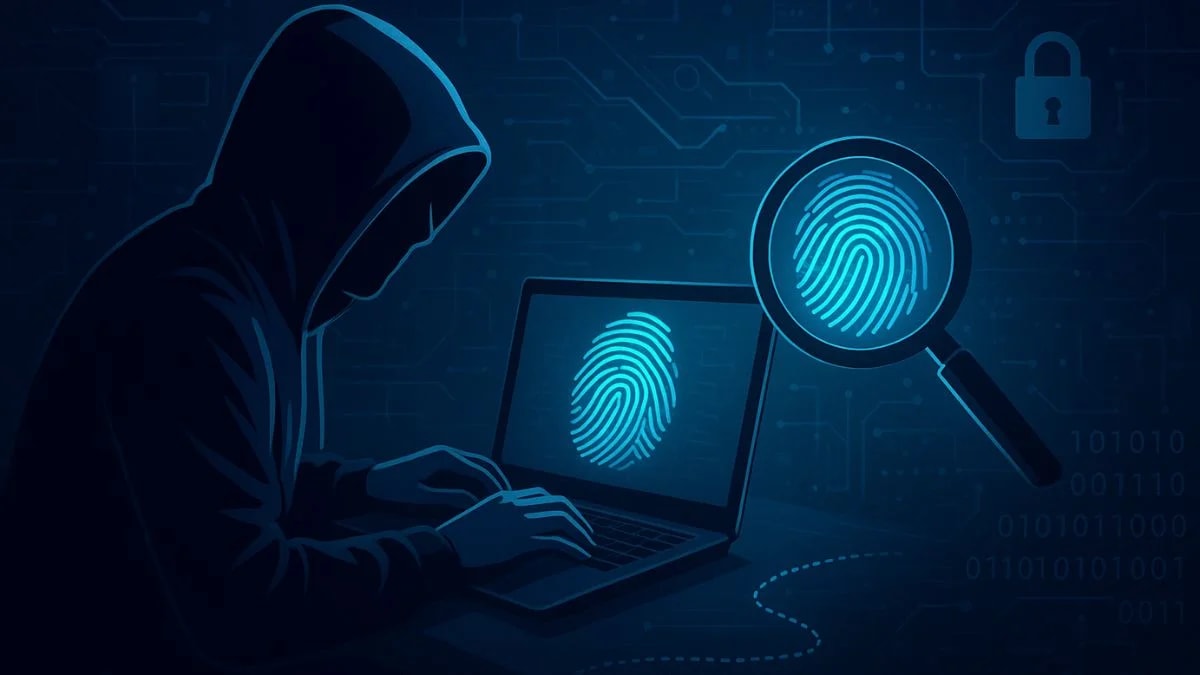
In today’s digital age, crimes no longer happen only in the physical world. Digital Forensics is a fast-growing branch of Forensic Science that focuses on recovering and analyzing data from computers, smartphones, and online platforms. From cyber fraud to hacking and digital stalking, this form of Forensic Science uncovers evidence hidden in bytes and pixels. Experts in digital forensics can retrieve deleted files, trace emails, and expose online criminal networks. With cybercrime becoming more sophisticated, this branch of Forensic Science is more important than ever. Whether it’s tracking a criminal’s digital trail or restoring erased messages that reveal motive, digital forensics proves that even in the virtual world, the truth leaves a trace.
05. Forensic Psychology – Exploring the Criminal Mind
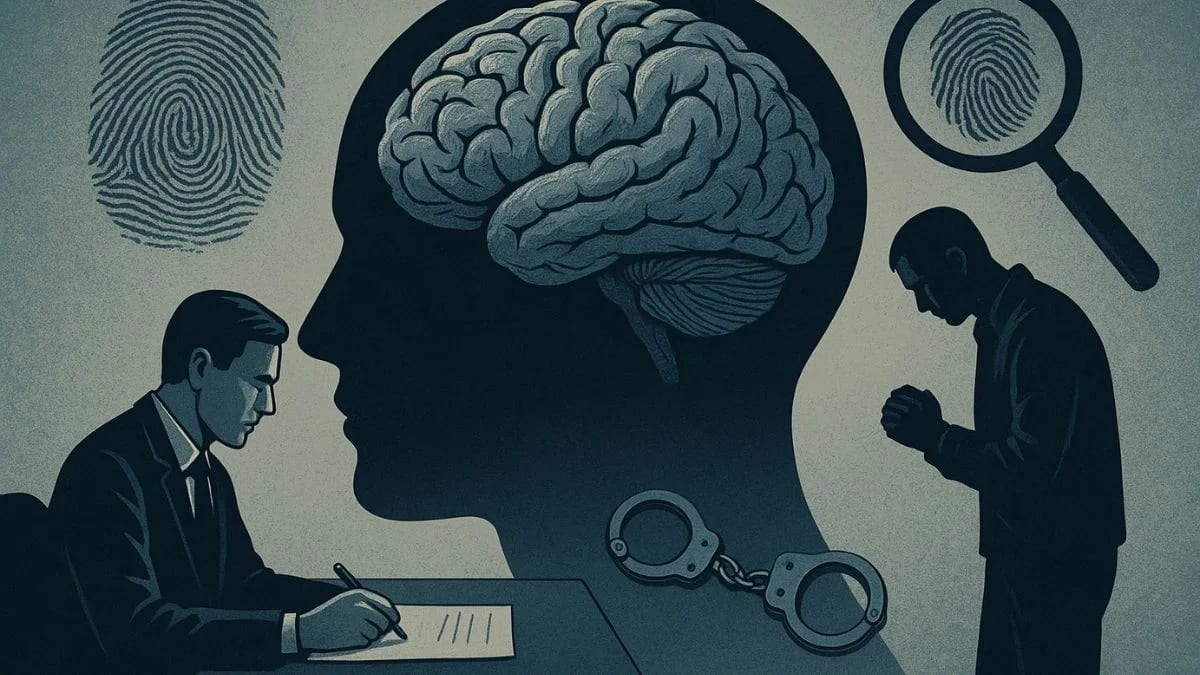
Forensic Psychology bridges psychology and Forensic Science, exploring the motives, behavior, and mental state of criminals. It helps investigators and courts understand why crimes are committed. Forensic psychologists assess suspects, testify in court, and evaluate the risk of reoffending. This branch of Forensic Science is not just about analyzing crime scenes it’s about understanding the human mind behind the act. From profiling serial offenders to assessing witness credibility, forensic psychologists bring empathy and logic together. They remind us that Forensic Science is not only about evidence and labs but also about people, emotions, and choices.